Caring for a Lacquered Surface in a Tropical Climate — And How to Prevent Shipping Damage from Becoming Permanent
I still remember walking into a Tampines HDB flat last month, where my colleague had just taken delivery of a 1.8 m solid wood dining table from MIDHILL. The piece had crossed roughly 4,500 km of ocean from Foshan, spent 28 days in a 40-foot container where humidity sat between 75% and 92%, then sat in a lift-access corridor for another 36 hours before being carried through a 90 cm wide door. When the carton came apart, two of the lacquer panels along the apron showed fine spider-web cracking that had not been there at the workshop. That single afternoon convinced me that anyone buying imported lacquered furniture in Singapore has to think about two things at once: what happens in the container, and what happens in the living room.
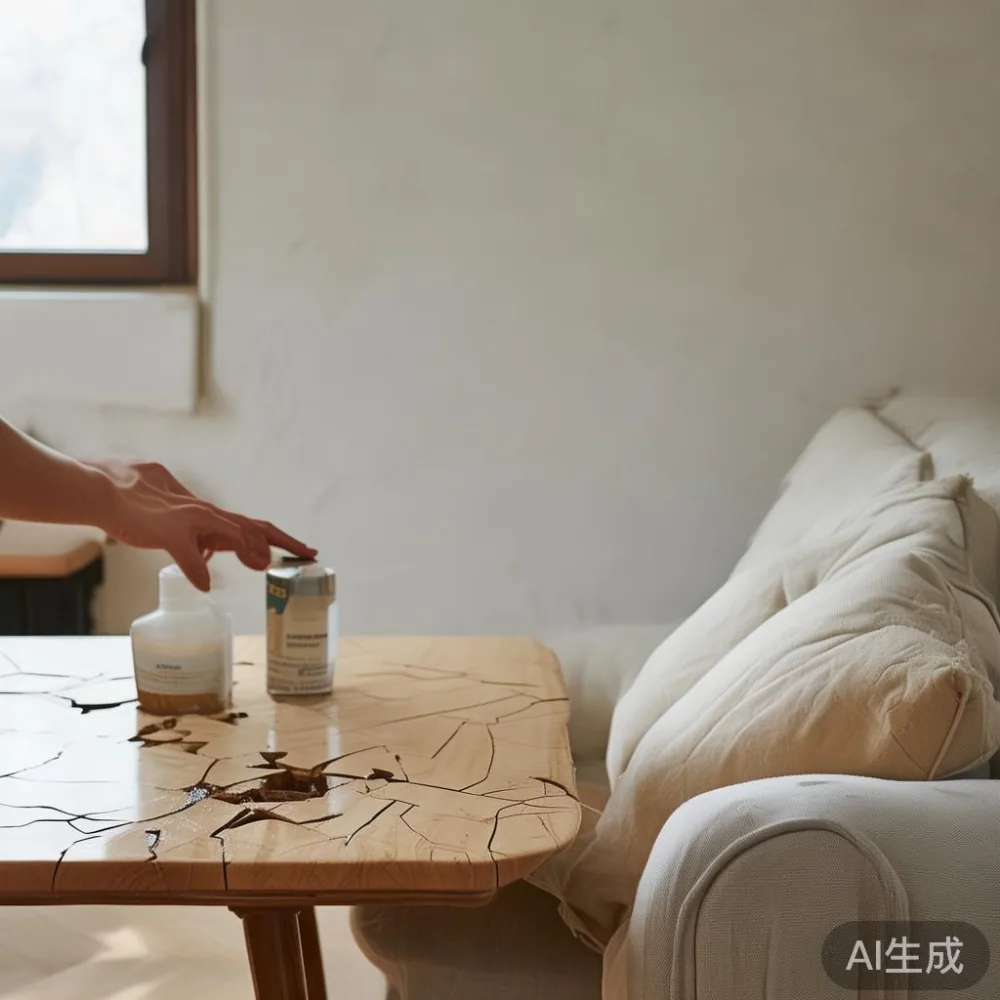
Why Singapore's Climate Is a Lacquered Surface's Worst Enemy
Singapore sits almost on the equator, and the relative humidity rarely drops below 65%. A lacquered surface is built up in thin films, typically five to nine coats of polyurethane or nitrocellulose, each one cured and sanded. Once a piece like a solid wood sofa frame, a 1.5 m marble dining table edge, or a 2 m wardrobe door is finished, those films behave like a thin glass skin. They expand and contract with the wood underneath, which itself moves with moisture. When the wood swells during a wet spell and the lacquer cannot stretch fast enough, micro-cracks form. When the air-con drops indoor humidity to 45% for six hours a night, the wood shrinks and the lacquer buckles.
Add in a few local realities that most care guides ignore: most HDB corridor widths measure around 1.2 m to 1.4 m, so a 2.2 m wardrobe often has to be tilted and edge-loaded through a 90 cm door frame. The lift in a Bedok 4-room flat typically accepts a 1.8 m piece only if you stand it on its short side. Each of those handling moments is a chance for shipping damage that starts as a bruise and ends as a crack in the lacquer. MIDHILL's packing team wraps the legs of every nightstand and bed frame corner in 8 mm EPE foam plus a 5-ply corrugated sleeve, but that is only the first line of defence.
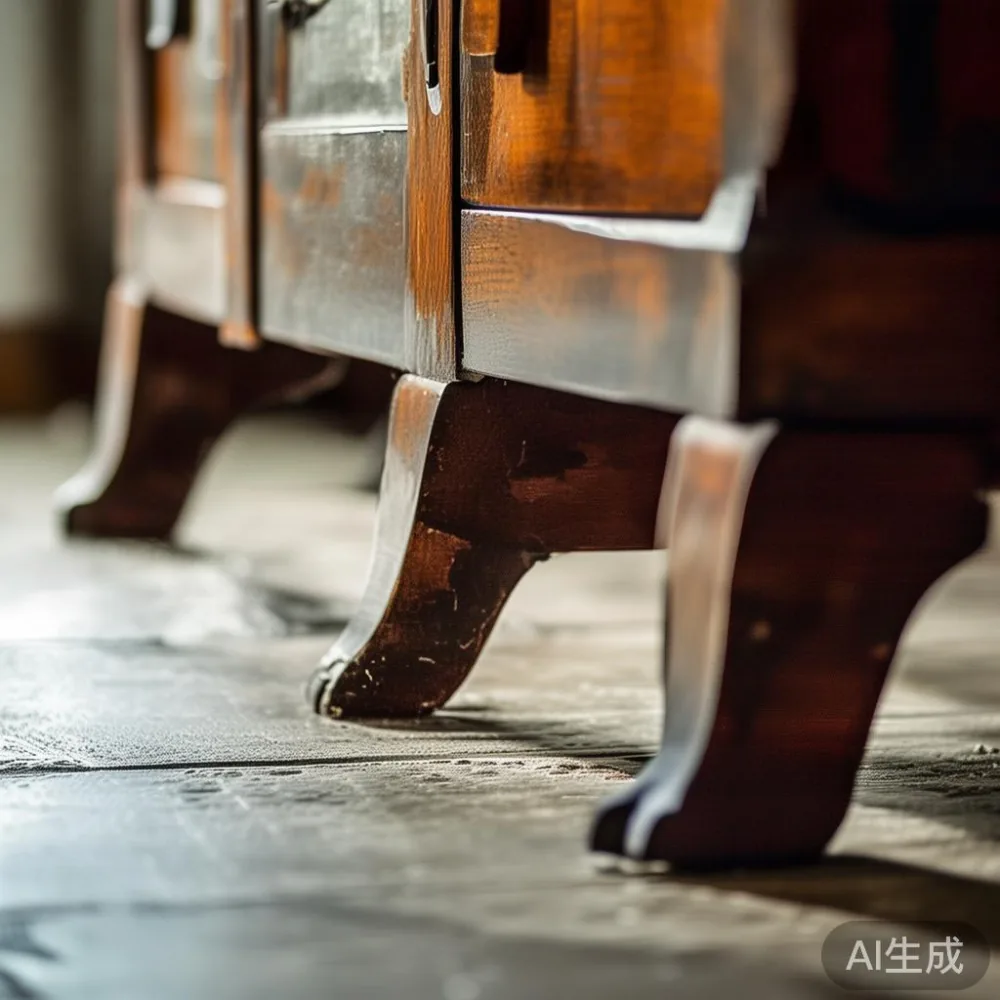
What Exactly Counts as Shipping Damage on a Lacquered Surface?
Shipping damage is not only a smashed corner or a gouge. On a lacquered surface it shows up in five recognisable patterns:
1. Compression marks: a flat, dull patch where two panels were pressed against each other and the foam compressed unevenly, leaving a shiny halo around a matte centre.
2. Edge chipping: the 0.8 mm to 1.2 mm lacquer rim flakes off when a corner is dropped 10 cm onto a corridor tile.
3. Heat-line cracking: a container left on a Gali Batu tarmac in the afternoon sun can hit 68°C inside; the lacquer cures unevenly and hairline cracks appear weeks later.
4. Moisture blushing: if a container breathes (and most 40-foot containers do, around 0.3% of air volume per hour), water vapour condenses on a cold lacquer surface and leaves a milky bloom that sanding cannot remove.
5. Transit rattle fractures: a French light luxury-style curved bed frame that is not braced corner-to-corner can micro-fracture along the headboard scroll, invisible until the first monsoon.
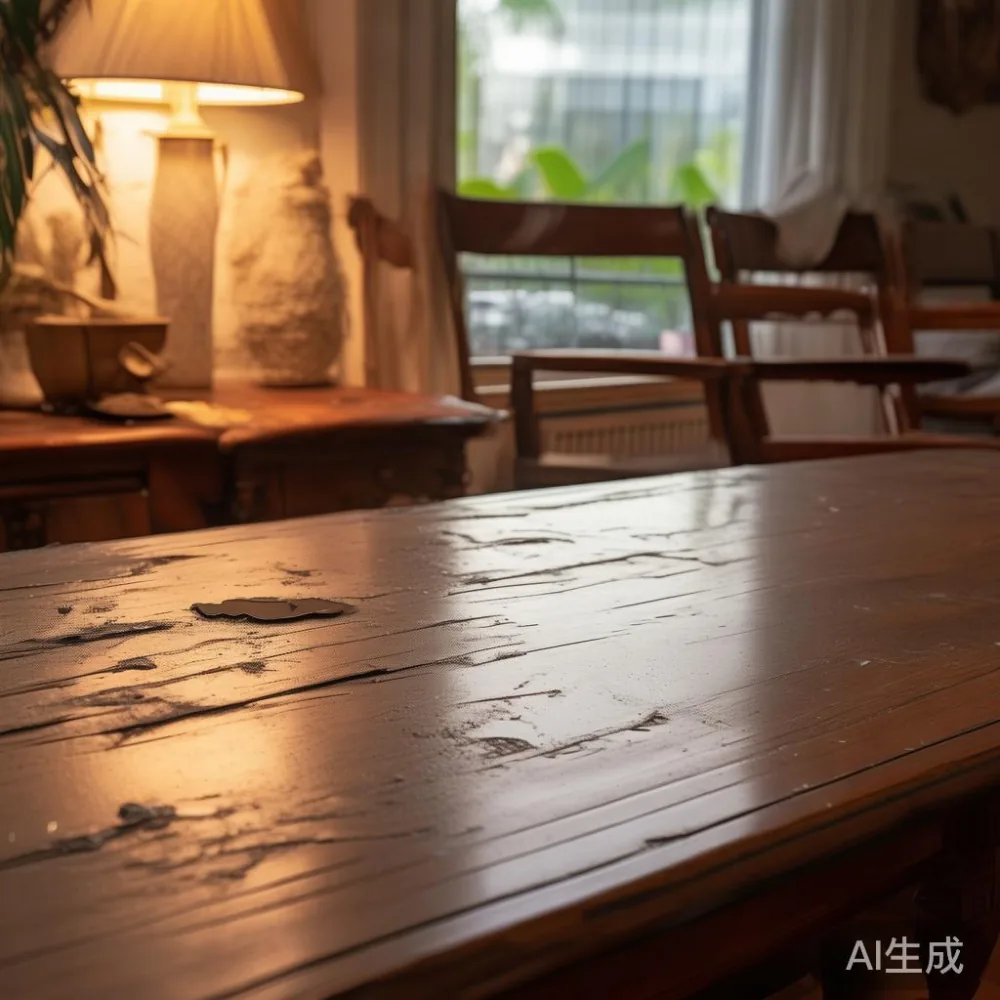
Document each one with a phone photo under a 5,000 K torch within 24 hours of receiving the goods. MIDHILL's 14-day return window, counted from the moment the courier signs off at your Punggol condo lobby, is your only chance to log a claim without paying for the return freight yourself.
How Should You Inspect a Lacquered Piece the Moment It Arrives?
Run your fingertips, not your eyes, across every panel. Eyes miss about 30% of compression marks under showroom lighting; fingertips feel the temperature difference between a compressed area and the surrounding film. Wipe a microfibre cloth slowly across the surface: drag, not press. A drag catches raised edges that a wipe flattens. Smell the wood. A sharp solvent smell 14 days after leaving the factory is a sign the lacquer was not fully cured before packing, and that piece will be far more sensitive to your air-con cycle. Check the undersides of a marble table top, the inside back of a wardrobe, and the rebate of every nightstand drawer — these are the surfaces the factory cares less about and the courier cares less for.
Measure the cartons before opening if you still suspect shipping damage: a 1.6 m x 0.7 m x 0.8 m carton that has lost more than 8 mm in any dimension has probably been side-loaded and dropped, even if the outer box looks fine. Most Singapore deliveries from MIDHILL ship in double-walled corrugated with edge protectors rated for a 1.2 m drop test, but once a fork truck skewers a carton at the Jurong hub, that rating is academic.
What Daily Habits Actually Protect a Lacquered Surface in Singapore?
Three habits matter more than any product you can buy.
Habit one: stabilise the room, not the piece. Run your bedroom air-con to a 26°C setpoint with the fan on low, and the dew point inside a Tampines HDB will settle around 17°C, giving you a relative humidity of about 55%. That number is the sweet spot for a European bed frame shipped from a workshop where the winter humidity is 40%. Wood moves less at 55% RH than at 75%, so the lacquer stretches and shrinks in a narrower band. A S$45 thermo-hygrometer on the wall behind a solid wood sofa is worth more than a S$180 bottle of restorative oil you will use three times then forget.
Habit two: keep the surface away from direct sunlight. UV breaks down polyurethane chains over 12 to 24 months, and the breakdown starts at the top coat. A lacquered dining table under a north-facing window loses gloss in 18 months; the same table under a west-facing bay window loses gloss in 9. If the layout forces a piece into direct sun, run a 5% UV-rejecting film, which costs around S$9 per square foot installed, on the inside pane.
Habit three: dust with a damp microfibre, never a spray. Aerosol polishes contain silicone oils that build up in the next coat of lacquer and create a soft, smeary film. A damp (not wet) microfibre lifts dust without leaving residue. For sticky prints on a wardrobe door or nightstand top, use a drop of pH-neutral dish soap on a cloth, then buff dry within 20 seconds. Water left standing on lacquer for more than 60 seconds is the single most common cause of the white bloom that owners blame on shipping damage but is actually post-delivery moisture damage.
Is a Furniture Worth the Price?
Yes, a well-made lacquered solid wood piece is worth the price when the workshop publishes the number of lacquer coats, the type of finish, the country of origin, and a structural warranty of 10 years or more, because those numbers force the maker to stand behind every panel that leaves the spray booth. A lacquered dining table at S$2,400 from a Foshan workshop like MIDHILL uses roughly 0.9 kg of finish materials per square metre of surface; a S$700 table from a generic exporter uses closer to 0.35 kg. That 2.5-times difference in finish is what you are paying for, and it is the difference between a surface that lasts 15 years and one that crazes in three.
Compare that to the cost of a single professional respray in Singapore, which runs S$120 to S$180 per square metre, plus 5 to 8 days of workshop time and a S$180 to S$250 collection-and-redelivery fee for a Punggol or Bedok address. Two resprays over the life of a piece absorb the entire price difference. Lifetime refinishing, which MIDHILL includes as a service for every original buyer, changes that maths completely. A buyer who plans to keep a bed frame or wardrobe for 20 years is paying a one-time premium for a service that can be exercised twice.
What Should You Do If You Spot Damage Within the First 14 Days?
Stop using the piece the moment you find a fault. Dragging a chair back across a hairline crack turns a repairable blemish into a 30 cm fracture within a week. Take five photographs: one of the whole panel, one 30 cm away, one 15 cm away with a coin for scale, one with the raking torch on, and one of the carton label and the courier consignment note. Email those to the maker with the delivery date, the lot number on the carton, and a two-line description. MIDHILL's after-sales team, based in Foshan and reachable by WhatsApp at +86 757 8188 1234 from 9 a.m. to 9 p.m. SGT, responds to claims inside 36 hours and dispatches a touch-up kit (one 30 ml lacquer pen matched to the original batch, plus 400 grit and 1,500 grit sanding pads) by DHL, which lands at your Tampines door in 4 working days. For damage that a pen cannot hide, the workshop covers return shipping above US$350 of order value and dispatches a replacement panel within 21 days.
Do not attempt a DIY repair with hardware-store lacquer. The sheen, the hardness, and the yellowing curve will not match the original nine-coat finish, and you will see the patch every time the light hits it. The 30 ml pen is filled from the same spray run that finished your table, so the resin and the reducer are identical.
How Do You Store Lacquered Furniture Through a Renovation or a Long Trip?
Wrap each piece in breathable cotton rather than cling film. Cling film traps moisture and creates the same microclimate as a closed container, which is exactly what produced the shipping damage in the first place. Stand a wardrobe on its base, never on its side; lacquer is gravity-cured and lays down in micro-layers that are stronger in tension than in shear. A 90 kg three-door wardrobe on its long side can warp a stile by 4 mm to 6 mm, and that warp shows up as a diagonal crack in the door panel within a month of being stood upright again. Place a 1 kg silica-gel pack (around S$6 from any NTUC) inside each sealed drawer to hold humidity under 50% during the work.
For a solid wood sofa frame or a marble dining table that has to be moved out of a Punggol condo while the floors are re-tiled, the cheapest insurance is a S$45 climate data logger tucked between the cushions. If you can show the workshop that the piece stayed under 60% RH during storage, any later cracking reads as a workshop fault rather than an owner fault, and the warranty claim goes through.
Long-Term Care: A Six-Month and a Five-Year Routine
Every six months, lift every drawer in a nightstand and wardrobe, wipe the rebates with a barely damp cloth, and check the lacquer edge for a 1 mm to 2 mm bright line that signals the top coat has worn through. Rub the bright line with the tip of your finger: if it feels smooth, the middle coat is intact; if it feels chalky, schedule a refinishing visit at the next available slot. Refinishing at MIDHILL means a 5-day workshop stay for a dining table, 7 days for a bed frame, and 10 to 14 days for a wardrobe, with collection and redelivery scheduled inside a 5-day window that suits your calendar. The service costs the original buyer nothing beyond the freight back to Foshan, which for a 2-door wardrobe from a Tampines address averages S$280 to S$320 by sea or S$420 to S$520 by air.
Every five years, even if the surface looks flawless, ask the workshop to assess the piece. A post-modern light luxury bed frame from 2021 has now lived through 20 monsoon seasons in a Singapore bedroom; the substrate is still sound but the topcoat may have lost 15% to 25% of its UV inhibitors. A 90-minute inspection, often done remotely from photos, decides whether the next five-year cycle needs a simple buff-and-wax or a full respray. Budget a S$150 to S$220 local touch-up per piece per five years if you want to keep the warranty fully active.
When a Lacquered Surface Is the Wrong Choice for Your Home
Some Singapore homes should not buy lacquer at all. A ground-floor Punggol eco-studio that opens onto a 12 m canal has its indoor humidity pinned above 72% for four months a year. A French light luxury chest of drawers there will craze in 14 months, and no amount of care will prevent it. For that layout, an oiled or a hard-wax-oiled finish breathes with the wood and does not crack; it dulls instead, and the dulling reads as character rather than damage. A condo on the 38th floor of a Bedok tower has the opposite problem: the air-con runs 18 hours a day, humidity drops to 35%, and an oiled finish dries out and cracks. There, a thicker nine-coat lacquer holds up because the environment is stable and dry.
Talk to the maker before you order. Ask how many coats are on the dining table you want, what the cured film thickness is in microns (a serious workshop will quote 80 µm to 120 µm), and what humidity range the piece is rated for. A workshop that ships 1,200 containers a year and sells into 15+ countries has seen the Singapore data on its warranty claims and can tell you, in writing, what their lacquer does at 55% RH and at 80% RH. That single piece of paper is the difference between a S$2,400 piece that lasts 20 years and one that lasts four.
Shipping damage is the headline risk, but the deeper risk in Singapore is what the climate does to a finish after the carton is gone. Treat the lacquer as a living skin: stabilise the air around it, keep it out of the sun, dust it gently, and inspect it twice a year. Do those four things, and the 4,500 km trip from Foshan to your Tampines living room becomes a footnote rather than a fault report.