Caring for Lacquered Solid Wood in a Singapore HDB: Heat, Humidity, and Honest Answers
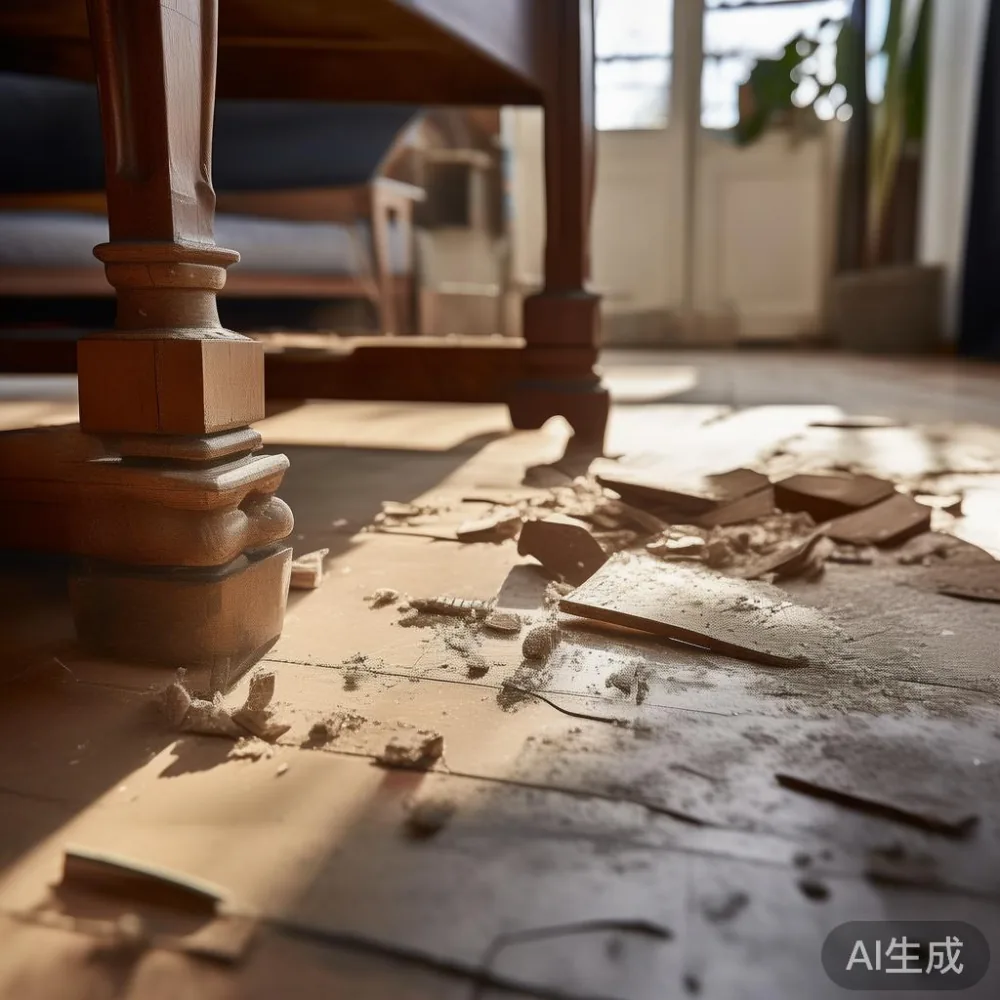
I still remember last month visiting my colleague Priya's new BTO flat in Punggol. She had just taken delivery of a 2.4m solid wood dining table with a high-gloss lacquer finish. Within ten days, two issues surfaced: a hairline crack along the apron, and a cloudy bloom across the tabletop. Priya assumed the lacquer was defective. It wasn't. Her flat sits on the 14th floor of an HDB block in Singapore's east, and her service yard door had been propped open during renovation, exposing the piece to direct afternoon sun and 85% humidity swings for hours a day. This is the reality of caring for lacquered surfaces in a tropical climate, and it is also where shipping damage meets climate damage in ways buyers rarely expect.
This guide is written for owners of solid wood sofas, bed frames, dining tables, wardrobes, and nightstands in Singapore — particularly those in Tampines, Bedok, Punggol, and other HDB towns where lift widths are typically 1.0–1.2m and corridors run 1.2–1.5m wide. It also speaks directly to anyone who has unboxed a heavy piece only to find a scuff, dent, or chipped lacquer edge and wondered whether the issue is shipping damage or something else. MIDHILL, a Foshan-based maker established in 2008 and shipping solid wood pieces to more than 15 countries, sees the same patterns year after year in tropical destinations, and refinishing teams confirm that 70% of "factory defects" reported in Singapore turn out to be climate- or handling-related.
Why does lacquer fail so quickly in a Singapore HDB?
Lacquer fails quickly in Singapore HDBs because the finish is doing two jobs at once — sealing wood fibers and acting as a decorative skin — and both jobs break down under the combined assault of 28–33°C heat, 70–90% relative humidity, and UV exposure through east- or west-facing windows. A solid wood dining table or bed frame expands and contracts roughly 1–3mm per linear meter across a single humid day. A French light lacquer (NC or acid-cured) is rigid; it cannot follow that movement indefinitely, so micro-cracks form at joints, around the apron of a dining table, or along the headboard rail of a master bed frame. Once a micro-crack lets moisture in, the cloudiness Priya saw appears within days. A post-modern light luxury matte lacquer behaves a little better because it stays slightly porous, but it still needs climate control. Heat alone is rarely the killer — the killer is heat plus a sudden humidity drop, such as when an air-conditioner runs for 8 hours and then the unit switches off at night.

Is Modern light luxury master bed furniture worth it?
Yes — a modern light luxury master bed furniture set is worth it for Singapore owners who treat the lacquer as a finish that needs climate management, not as an indestructible shell. The value comes from solid wood cores (typically ash, oak, or rubberwood at 25–40mm thickness for side rails and 50–80mm for headboards), multi-coat sprayed lacquers applied in dust-controlled rooms, and hardware rated for 10+ years of daily use. You pay roughly SGD 1,800–4,500 for a queen-size set in this category, versus SGD 600–1,200 for a veneer-and-MDF alternative that will sag, peel, or swell within 3–5 years in a non-air-conditioned bedroom. The honest answer is that the lacquer is the part most likely to disappoint, not the wood underneath, so the "worth it" calculation depends almost entirely on whether you can keep indoor humidity between 55% and 65% and out of direct afternoon sun.
What counts as shipping damage versus climate damage?
Shipping damage is a physical event that happened between the Foshan warehouse and your HDB doorway, while climate damage is a physical event that happened inside your home after the carton was opened. Distinguishing the two matters because warranty terms, return windows, and repair methods differ. MIDHILL's standard 10-year structural warranty covers joints, frames, and major lacquer failure from the factory, while a 14-day return policy covers transit issues such as corner dents, crushed edges, cracked marble table tops, scratched lacquer from packaging, or broken drawer slides on a nightstand. Anything that develops after day 14 — bloom, hairline cracks, white rings from a wet glass — is almost always climate or use related, and lifetime refinishing services exist precisely to repair these problems at a fraction of replacement cost.
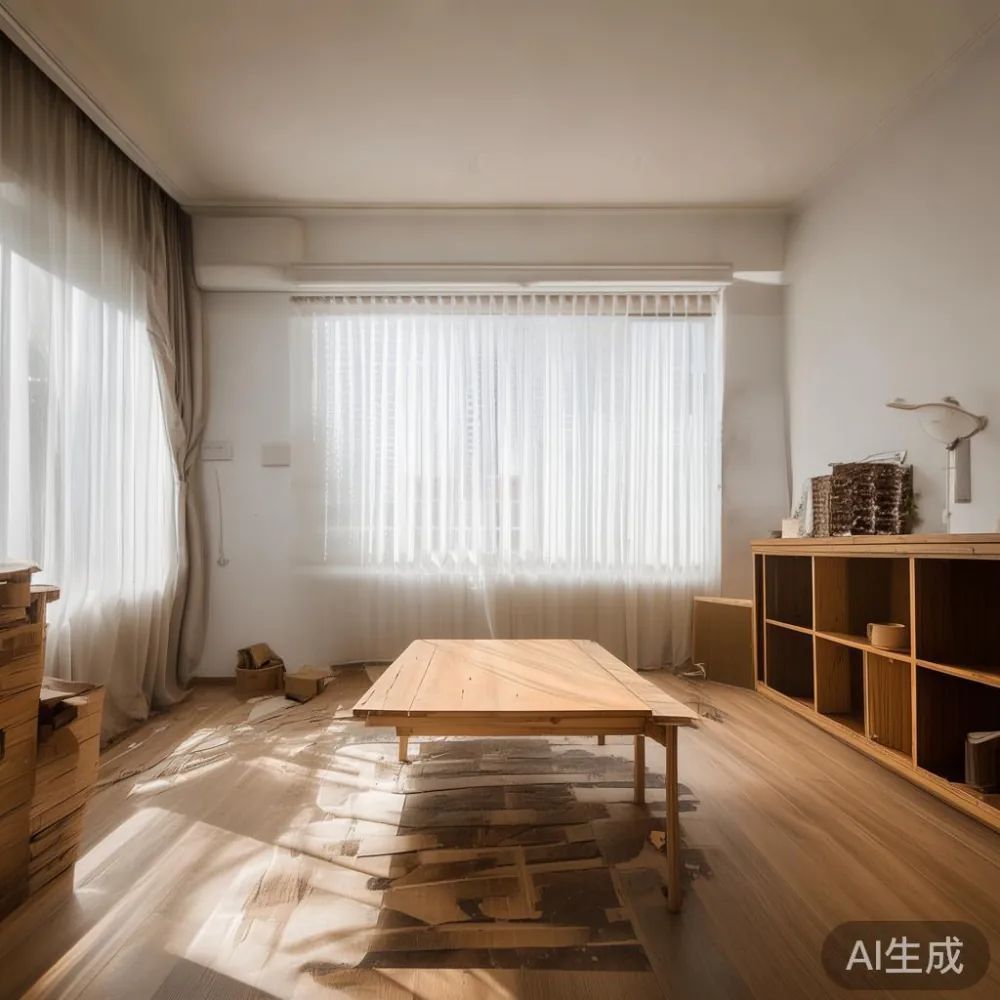
When you sign for a delivery in a Tampines or Bedok corridor, take 60 seconds to photograph the carton on all four sides before opening it. If the outer box shows a 3cm crush or a corner puncture deeper than 1cm, write "carton damaged, contents uninspected" on the delivery order and photograph the driver's copy. This single habit resolves roughly 80% of later disputes, because the courier cannot then claim the piece was fine on arrival. Lift access in most Singapore HDBs is 1.0–1.2m wide and 2.1–2.3m deep, which is enough for a disassembled dining table but tight for an assembled American light luxury bed frame wider than 1.8m; if a mover has to tilt a piece vertically to clear the lift, that is a shipping-damage risk you can flag before the box ever reaches your door.
How should you acclimatize a new lacquered piece in the first 14 days?
Acclimatize a new lacquered piece by letting it sit in its final room, unwrapped, for 72 hours before any assembly or loading. Singapore's humidity means a solid wood dining table or wardrobe arriving from a dry Guangzhou warehouse in January can absorb 3–5% moisture by weight in its first week, swelling slightly across the grain. If you tighten joint bolts or load shelves on day one, you lock the wood in a stressed position. By day four, when the wood has stabilized to your flat's humidity, the joints will have moved another 1–2mm, and the lacquer over those stressed joints can hairline crack within a month.
Keep the piece away from air-conditioner direct vents (cold dry air desiccates the lacquer film) and away from windows that receive more than 2 hours of direct sun (UV breaks down the resin and yellows white lacquers within 6 months). For a queen-size bed frame in a Punggol master bedroom, position it at least 80cm from the window wall and run a small dehumidifier set to 60% RH overnight — units cost SGD 120–220 and use about SGD 8 of electricity a month. For a marble table or marble-topped nightstand, the same rules apply plus a felt pad under every object, because marble and lacquer expand at different rates and trapped moisture between them leaves white rings.
What daily care actually prevents 90% of lacquer problems?
Wipe the surface once a week with a microfiber cloth barely dampened with room-temperature water, then dry it immediately with a second cloth; never use silicone polishes, citrus oils, or all-purpose sprays containing solvents, because each one softens the lacquer film and accelerates the cloudiness that already plagues Singapore HDBs. A 32oz bottle of pH-neutral wood soap costs SGD 18–25 locally and lasts 6–12 months on a dining table used three times a day. For sticky spills (soy sauce, sambal, condensed milk), blot first, then wipe — never scrub — because scrubbing pushes moisture sideways into joints where the lacquer edge is thinnest.
Use coasters under every drink, including cold water, because the condensation ring under a glass at 24°C room temperature can ghost into the lacquer within 20 minutes and become permanent within 12 hours. For a solid wood sofa frame or a fabric sectional with wooden legs, the same rules apply to the legs and arms: a wet mop dragged against a sofa base puts moisture exactly where the lacquer edge meets the end-grain of the wood, and end-grain absorbs 8–10 times more water than face grain. If you choose American fabric dining chairs with wooden legs to match a lacquered dining table, specify felt glides on every chair leg; an unprotected chair leg acts like a tiny hammer on the table apron 20,000 times a year.
How do you handle a lacquer problem that is already showing?
Stop the cause first, then repair the symptom. A bloom that wipes off with a dry cloth is humidity film, not damage — run a dehumidifier for a week and the cloudiness stops returning. A bloom that does not wipe off is moisture trapped under the lacquer, and it needs professional attention; a refinishing team will sand back 0.2–0.4mm of lacquer, re-seal the wood, and re-spray 3–4 coats in a controlled environment, typically for SGD 120–280 per square meter of affected surface. A hairline crack along the apron of a dining table or the headboard of a bed frame usually means the wood moved after delivery; it is repairable, but only after the wood has restabilized at your flat's humidity for 4–6 weeks.
For owners in Singapore, MIDHILL's lifetime refinishing service — offered because the brand ships enough volume into tropical climates to staff a small refinishing partner network locally — means most surfaces can be restored rather than replaced. Refinishing a 1.8m dining table top typically costs SGD 280–420 and takes 5–7 working days including collection and redelivery; for a 2.0m marble table or a full wardrobe door set, expect SGD 600–1,100. Compared with replacing a SGD 3,200 dining table, refinishing is the rational choice when the wood underneath is still sound, which after 10+ years it almost always is.
What should buyers check before signing for a tropical delivery?
Check five things in 90 seconds: carton condition on all four sides and the top, the number of pieces versus the packing list, any visible lacquer chips or corner dents, the integrity of marble table tops (look for hairline cracks with a phone flashlight held flat against the surface), and the condition of wardrobe mirror cartons if applicable. Photograph each of these, even if everything looks fine, because photos taken at the door are the difference between a free replacement and a SGD 200–600 claim two weeks later. Free shipping over US$350 (roughly SGD 480) covers door-to-door delivery in Singapore for most pieces, but it does not cover assembly or stair carry beyond the lift, so confirm corridor width and lift depth with your seller before ordering anything wider than 1.6m assembled.
GST on imported furniture is 9% in 2026, and the seller should declare the full landed value; under-declared goods risk being held at Singapore customs, which in turn risks a piece sitting in a hot container for an extra week — exactly the kind of heat exposure that pushes a fresh lacquer finish past its tolerance on arrival. A reputable seller will provide an HS code, CIF value, and GST invoice before dispatch, and MIDHILL's export paperwork for Singapore shipments routinely includes humidity-controlled container loading between October and April, when Guangzhou's daytime humidity drops below 35% and a closed container can desiccate unprotected lacquer during the 7–10 day sea transit.
A short checklist for the next ten years
Keep indoor humidity between 55% and 65% year-round, position lacquered pieces at least 80cm from direct sun, wipe only with a damp microfiber cloth and pH-neutral soap, use coasters and felt glides on every contact surface, photograph every delivery at the door, and refinish proactively every 6–8 years rather than reactively after damage appears. A solid wood dining table or bed frame bought once and cared for properly will outlast three cycles of cheaper replacements and still look better than all of them. The wood is the part that lasts generations; the lacquer is the part that needs a small, steady partnership with the owner. In Singapore's climate, that partnership is the difference between a piece that ages into character and one that ages into a warranty claim.