Warm Minimal in a Tampines 4-Room HDB: A Practical Guide to Matching Solid Wood Furniture, Avoiding Shipping Damage, and Living with the Result
I spent four hours last month walking through a friend's resale 4-room flat in Bedok with a tape measure and a notebook. She had just taken possession of a MIDHILL dining table, a solid wood sofa frame, and a bed frame — all shipped from Foshan over 28 days — and she wanted the living room to read "warm minimal," not "IKEA showroom 2014." Within the first ten minutes we had to push two pieces back against the corridor wall because the lift opening at her block measured only 1.05 m wide and the dining table box was 1.12 m at its narrowest end. That single measurement told us more about her real constraints than any Pinterest board ever could. This article is the write-up of what we figured out, plus everything I wish I had known before she clicked "place order," including how shipping damage on a 38 kg solid wood dining table almost turned her move-in week into a logistics puzzle.
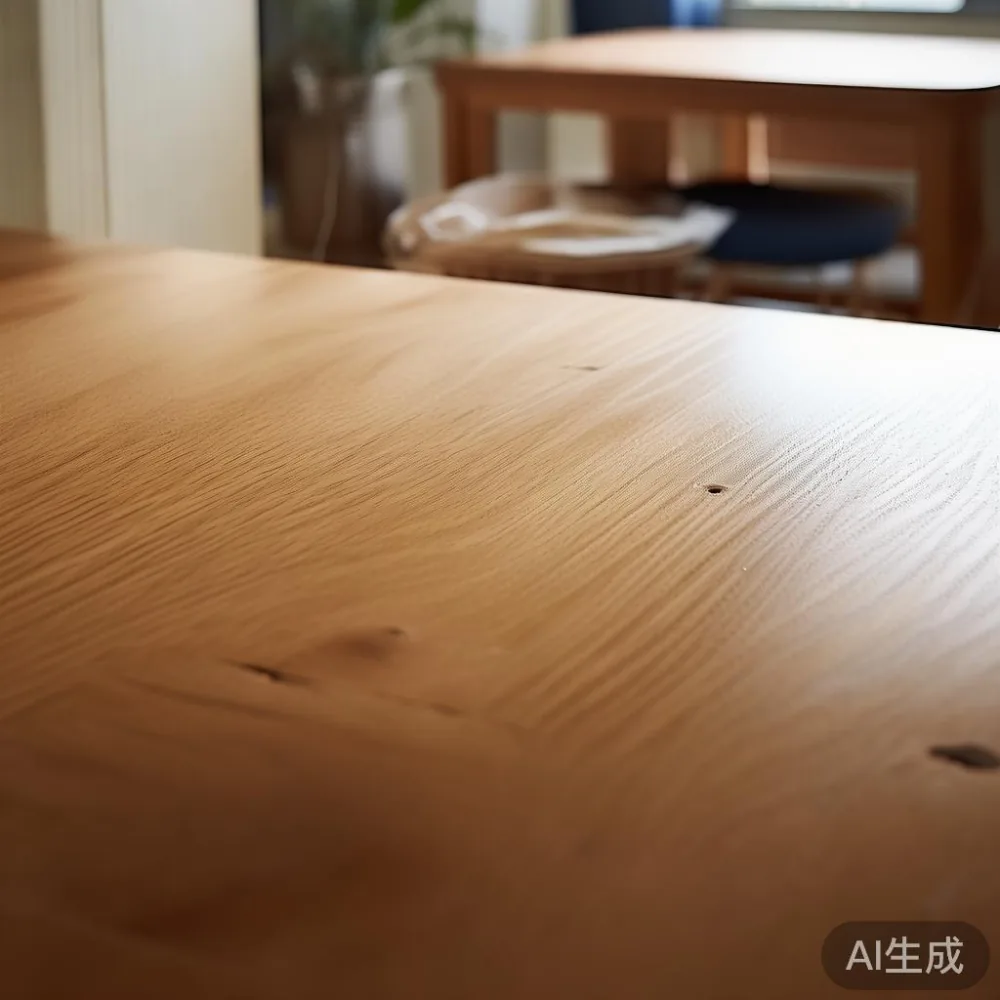
Warm minimal is a slightly slippery phrase, so let's pin it down. Picture the bones of a Muji catalogue — restraint, soft edges, nothing shouting — but with the colour temperature turned up a few kelvins: honeyed oak instead of bleached ash, raw linen instead of stark cotton, brushed brass instead of polished chrome. It borrows from French light luxury (think a curated Parisian apartment where a single vintage mirror does most of the emotional work), from American light luxury (the softer end of West Elm, the kind of room that has a wool rug but not a chandelier), and from post-modern light luxury (curved silhouettes, travertine accents, low-slung proportions). The trick is to land all three without filling the room. Below is the playbook I now use for every HDB and condo client in Tampines, Punggol, and the East Coast corridor.
Step 1: Measure the Lift, the Corridor, and the Door Before You Measure the Room
Most Singapore HDB corridors are about 1.2 m wide, but lift doors on older blocks in Bedok and Tampines can be 0.9 m to 1.05 m, and some service lifts are only 1.4 m deep. A standard solid wood dining table from MIDHILL ships in a box between 1.05 m and 1.4 m long, depending on whether you order a 1.4 m or 1.8 m top. A solid wood sofa frame in three seaters typically arrives in two cartons of about 1.6 m × 0.7 m × 0.6 m each. A bed frame in queen size breaks into a headboard carton around 1.7 m tall and a side-rail carton around 2.1 m long. None of these numbers are problems on their own. They become problems when the box has to pivot inside a 1.05 m lift.
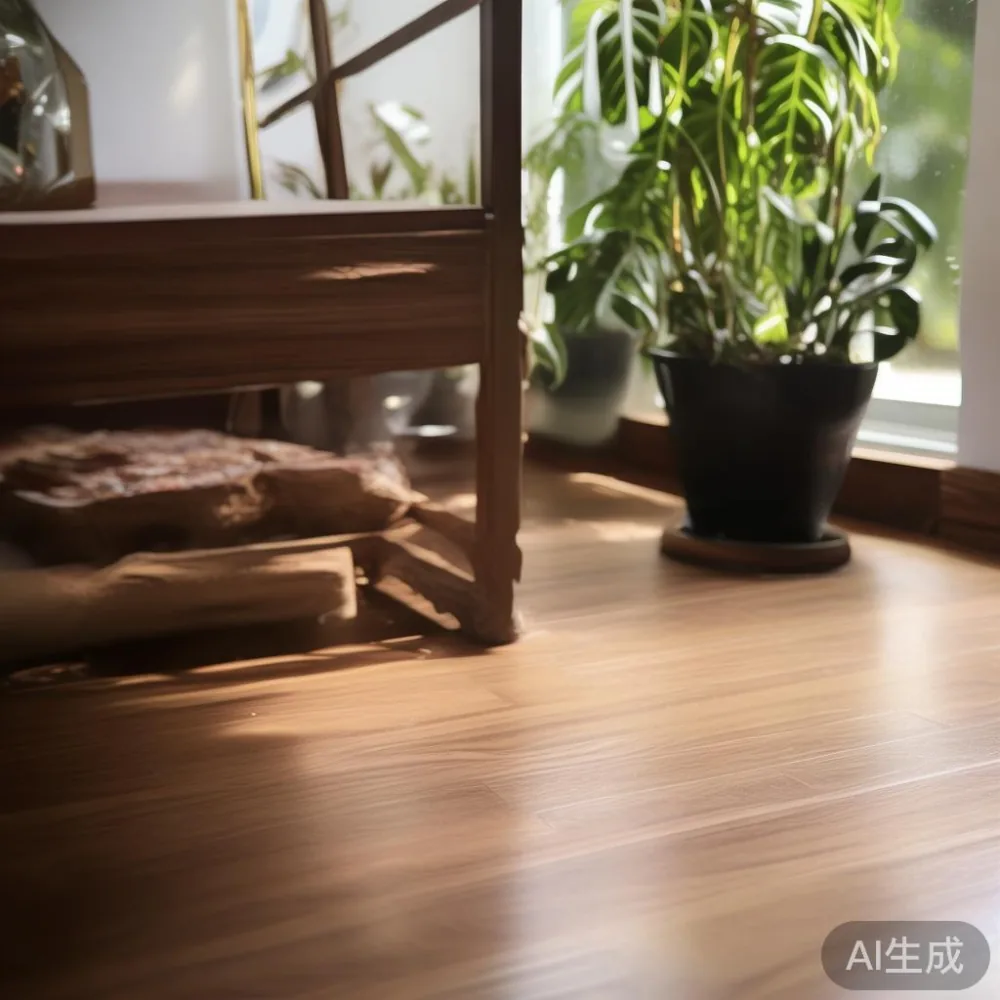
Write down three numbers before you order: lift door width (cm), lift interior depth (cm), and the diagonal of your unit's front door (cm). A queen bed frame box at 2.1 m × 0.4 m × 0.15 m has a diagonal of about 2.14 m — which means it physically will not fit through a 2.0 m door on a diagonal stand. In my friend's case, the delivery team ended up un-boxing the table in the lift lobby and carrying the top, the two legs, and the apron as four separate pieces up the corridor. It cost them 25 minutes. It would have cost them nothing if anyone had checked the diagonal first.
This is also the point where shipping damage most often shows up — not on the truck, but during the last 30 metres between the lift and the door. Dings on a corner, a chipped lacquer line along an apron, a stressed joint on a sofa armrest: almost every claim file I have read started with "the box looked fine outside." MIDHILL's white-glove crew (they include this for any order above US$350, which is roughly S$475 at today's rate) photographs the carton at the door before unwrapping. Get the photos. Take your own. If you see a corner crush, write it on the delivery note before the crew leaves.
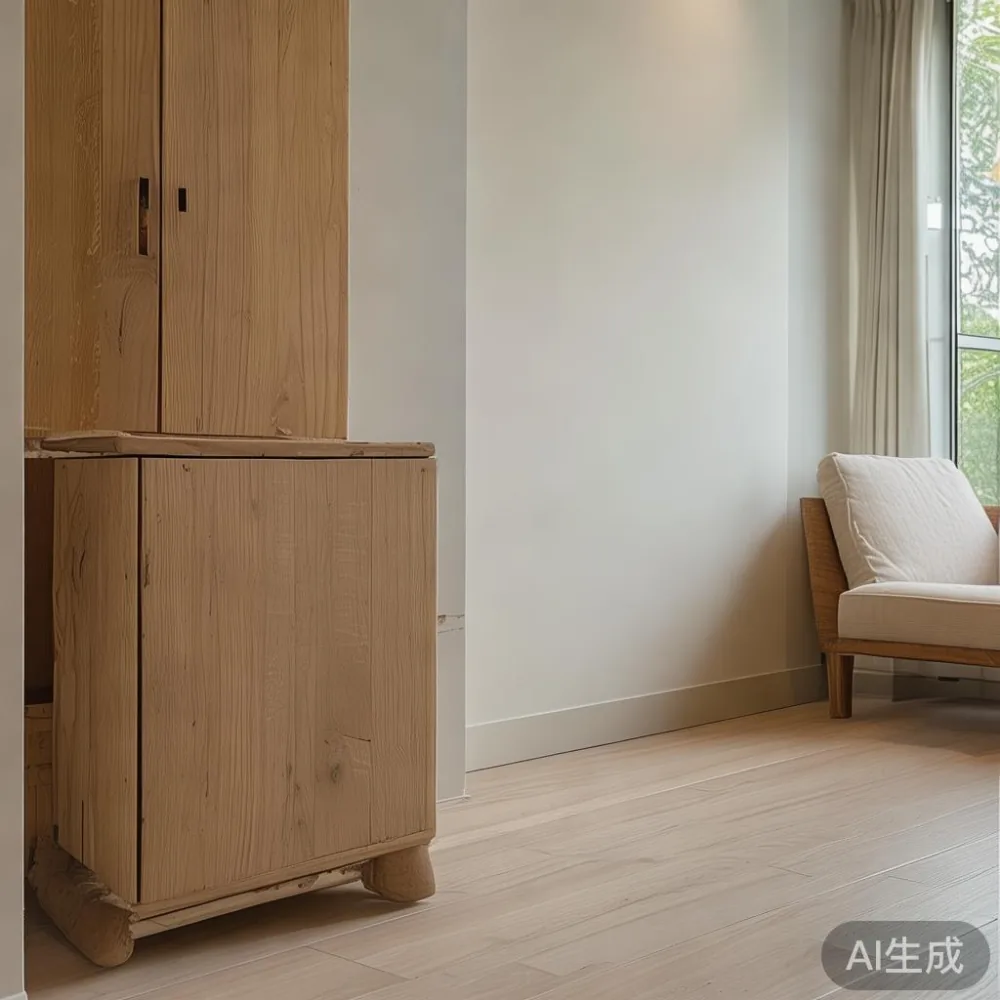
Step 2: Choose Wood Tones That Live With Your Floor, Not Against It
Warm minimal lives or dies on the wood-to-wood relationship in the room. Most Tampines BTOs ship with a neutral grey-beige vinyl in a 15 cm × 60 cm plank; most resale condos in Punggol have either that same vinyl or a darker walnut laminate. Read your floor's undertone in morning light. Cool grey floor — pick a wood tone with a slight pink or red in it, like MIDHILL's natural oak or beech. Warm brown floor — pick something with a touch of grey, like white oak or a light walnut, so the furniture doesn't disappear into the floor. A honey-toned dining table on a honey floor will read as one flat smear; the eye needs a 15–20% value jump to register separate objects.
For the French light luxury register, I lean toward a paler oak with a wire-brushed surface — slightly rough under the hand, never glossy. For the American light luxury register, I want a touch more grain: a quarter-sawn white oak with a soft matte finish. For the post-modern light luxury register, I want a curved silhouette: arched backrests on a solid wood sofa, a tabletop with a softened bullnose edge, nightstands with rounded corners. Same wood family, three different shape languages.
The marble table question comes up every single time. A travertine or Carrara marble side table in a warm minimal room is the right call, but keep it small — 45 cm diameter, 50 cm tall — so it sits next to, not in front of, the wood. Marble is cold under the hand; wood is warm. The contrast is the point. If you put a 90 cm marble coffee table in the middle of a 3.2 m × 3.6 m HDB living room, the room turns into a showroom. If you put a 45 cm marble side table next to a solid wood sofa, the room turns into a home.
Step 3: Build a Cohesion Map Before You Add a Single Piece
I draw a 1:50 floor plan in my notebook, then I list every furniture piece I want and assign it one of three roles: anchor (the largest, heaviest piece — usually the bed frame or the wardrobe), companion (the solid wood sofa, the dining table, the nightstands), and accent (the marble table, a single lounge chair, a floor lamp). The anchor and the companions must share a wood family. The accent is allowed to break the rule — that is its job. A room where everything matches is a catalogue; a room where one thing breaks the pattern is a home.
In a 4-room HDB, a typical anchor-companion-accent map looks like this:
- Anchor: queen-size solid wood bed frame, headboard 1.05 m tall, in white oak.
- Companion 1: 1.6 m solid wood dining table, same white oak, with two slim benches that tuck fully under the apron.
- Companion 2: 2.1 m three-seater solid wood sofa, oak frame with linen-blend cushions in oat or flax.
- Companion 3: 1.8 m × 0.6 m × 2.2 m wardrobe in white oak, three doors, finger pulls (no knobs — knobs read too traditional for warm minimal).
- Accent: 45 cm travertine marble side table, one arched floor lamp in brushed brass.
You will notice there is no separate shoe cabinet in the main list. Singapore weather, lift landings, and HDB etiquette mean shoes live at the door — but a bulky cabinet breaks the warm minimal line. This is exactly where the brief for an American country shoe cabinet japan — slim, narrow, with ventilated slats and a pull-down drawer — fits the plan without adding visual weight. Tucked against the side wall of the entry, 25 cm deep and 90 cm wide, it does the work of a full closet without announcing itself.
Step 4: Read the Numbers Before You Read the Lookbook
A queen-size MIDHILL bed frame weighs between 62 kg and 78 kg depending on the model. A 1.6 m dining table weighs around 38 kg in the carton and roughly 32 kg unpacked. A three-seater solid wood sofa frame is about 54 kg across two cartons. These numbers matter for two reasons: floor loading (HDB flats are fine up to about 1.5 kPa, well above what any of these pieces impose), and — more practically — how many people you need on move-in day.
Two people can move a dining table. Two people can wrestle a sofa carton, but three is calmer. A bed frame in three cartons is a four-person job the first time, then a two-person job after you understand how the slats click together. Budget S$120–S$180 for a same-day helper via a local platform if the delivery crew is not staying to assemble, and remember that MIDHILL's white-glove service includes assembly for most pieces at no extra charge — but ask at order time, because "assembly included" means "we will screw the legs on," not "we will carry your mattress up the stairs."
Delivery time from Foshan to a Singapore door runs 25–35 days by sea, plus 5–7 days for the last-mile crew to schedule a slot. Order 40 days before your move-in date, not 10. I have seen too many clients order a bed frame on a Wednesday expecting it for the weekend. Plan back from the date you want to sleep in the room, not forward from the date you saw the lookbook.
Step 5: A Real Move-In, a Real Damage Scare, and What We Did About It
My friend's dining table arrived with a 7 cm hairline crack in the lacquer along the table apron — visible only when you tilted the piece in raking light. The delivery crew photographed it; she photographed it again with her phone. MIDHILL's team responded within 36 hours with a partial-refund offer (about S$165 against the S$1,180 list price) plus a refinishing slot at her home within 14 days. She took both. The crack was filled, the apron re-oiled, and three months later you cannot see the line unless you know where to look. This is the path: document, file, accept a fix or a partial refund, do not refuse the piece.
This is also the moment to talk about the second most common shipping damage story: the wardrobe. Wardrobes are tall, narrow once assembled, and their box dimensions are unforgiving. Two-metre cartons often arrive with corner compression because the cartons are stacked under heavier items in the container. MIDHILL's 10-year structural warranty covers joint failures and frame warping, but it does not cover lacquer chips from a forklift. Open the carton at the door. Photograph the corners. If the corner is crushed, refuse the carton on the spot and ask for a replacement door panel — not a full unit replacement, because the rest of the wardrobe is almost certainly fine.
How do I care for a desk in humid weather?
A solid wood desk in Singapore lasts decades if you keep the room between 45% and 60% relative humidity and you oil the top twice a year with a hard-wax oil.
That single sentence is the answer; here is the supporting detail. Singapore sits at 80–95% RH for most of the year, and our flats trap that humidity when we run the air-con with the doors closed and then switch it off at night. A solid wood desk — the same family of construction as a MIDHILL bed frame or dining table — will absorb moisture, swell by 1–2% across the grain, and then dry out when the air-con runs. Over months, that back-and-forth opens the joints at the apron and lifts the lacquer at the corners. The fix is environmental, not cosmetic. Run a small dehumidifier in the study for two hours before bed; aim for the 50–55% RH band. Wipe the desk with a barely damp microfibre cloth weekly — never a wet cloth, never a silicone spray. Re-oil the top every six months with a thin coat of Osmo or a similar hard-wax oil; wipe off the excess after 15 minutes. Skip the silicone polishes sold at departmental stores — they build up a film that blocks future oiling. If you see a white ring from a coffee mug, rub it with a paste of baking soda and a drop of water, then re-oil the spot. The 10-year structural warranty on a MIDHILL desk covers the joint, not the finish, but a finish you maintain is a finish that survives.
Step 6: The Final 10% That Makes Warm Minimal Feel Warm
After all the measurements and the wood tones and the dehumidifier schedules, the room still needs one more thing to feel warm instead of cold. It needs texture underfoot. A wool or wool-blend rug in a 2 m × 2.8 m size, in a tone one step warmer than your floor, softens the acoustics and tells the eye that someone lives here. Pair it with linen curtains that puddle 2 cm on the floor, a single ceramic vessel on the marble table, and one piece of unframed art leaning against the wall rather than hung. The room is finished.
Two more notes for the GST-aware buyer. From 1 January 2024, all imported furniture into Singapore attracts 9% GST, calculated on the CIF value (cost + insurance + freight). A S$1,180 dining table shipped to your door will arrive with roughly S$106 in GST layered on top. MIDHILL's checkout shows the GST estimate before you pay; budget for it. Second note: keep your warranty card, your delivery photos, and your order confirmation in a single folder named "furniture." When — not if — a small lacquer chip shows up in month eight, you will thank yourself for having the original carton photo ready to send.
Warm minimal is not a style you buy. It is a series of small decisions, made in the right order, with the right measurements taken first. The furniture is the easy part. The 25-minute lift-lobby unboxing, the dehumidifier schedule, the twice-yearly oiling — that is the part that turns a Foshan shipment into a Punggol home.