How Humidity Affects Solid Wood Furniture and Shipping Damage in Southeast Asia
Humidity is rarely discussed as aggressively as scratches, stains or broken corners, yet it can be one of the most persistent causes of furniture problems in Singapore. In a Tampines HDB flat, a Bedok condo or a Punggol home, solid wood may absorb moisture during humid weather and release it during drier periods. Repeated changes can open fine joints, bow table leaves, loosen drawers and create the appearance of shipping damage even when a cabinet never encountered a forklift.
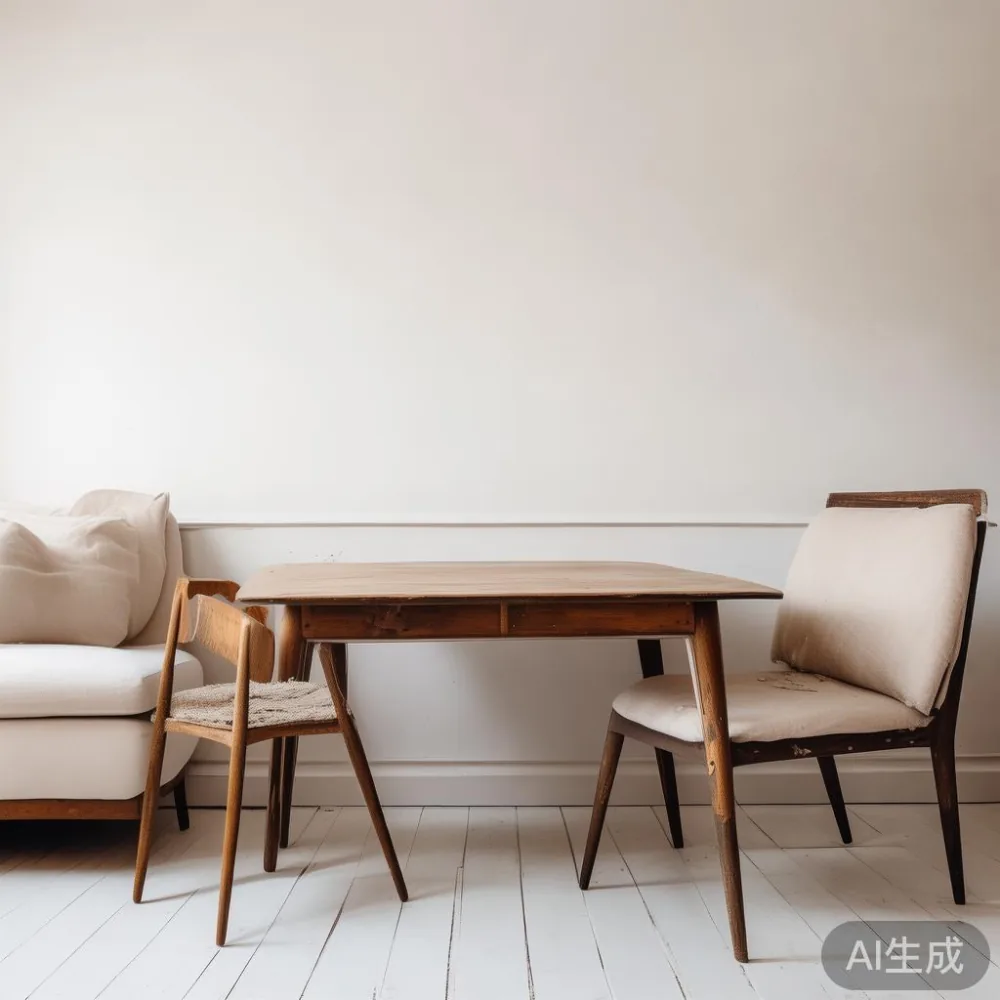
The distinction matters because shipping damage usually means physical harm caused during handling, while humidity-related movement develops after delivery. Both can appear in the same home, but they need different remedies. MIDHILL has exported solid wood furniture to more than 15 countries since 2008, so climate exposure and careful packing are central to how its pieces are prepared for long-distance transport.
This guide explains how tropical humidity affects wood, why lift and corridor dimensions matter, how solid wood should acclimatise after arrival, and what Singapore homeowners can do to protect furniture while retaining a light-luxury interior.
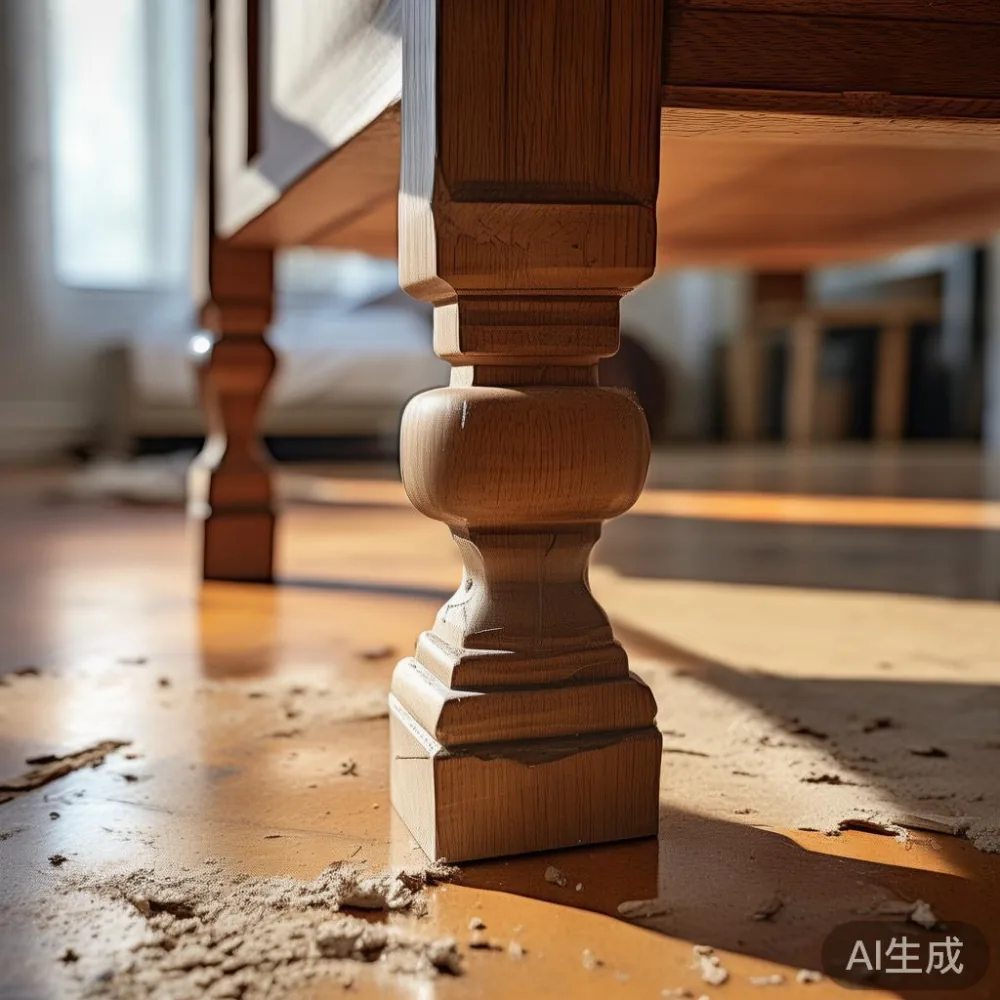
Why does humidity cause movement in solid wood furniture?
Wood is hygroscopic: its moisture content responds to the relative humidity around it. In Singapore, outdoor humidity commonly reaches 80–90% during wet periods, while air-conditioned interiors may sit near 50–60%. A dining table moving between these environments can gain or lose moisture repeatedly over 24 hours.
Movement is not always visible. A 180 cm dining table top might expand only 2–4 mm across its width, but that amount can be enough to press against a tight wall or place uneven pressure on a joint. A solid wood sofa frame may remain stable while its timber supports shift slightly. A bed frame can develop a faint scrape at one corner, and a wardrobe door may no longer sit perfectly square.

Seasoned hardwood responds more predictably than newly cut timber, but no wood is dimensionally immune. Oak, ash, beech and similar species used for dining tables and bed frames remain affected by seasonal changes. Veneered panels can move too, although the movement is usually distributed differently. Marble table tops behave differently again: stone does not absorb atmospheric moisture, yet the timber or metal base beneath it can expand beneath a fixed stone slab.
Humidity also affects finishes. A water-based coating may look slightly dull on a humid day, while repeated swelling and drying can encourage fine checking in the finish. Wipe spills promptly, keep pieces away from direct air-conditioning vents and avoid placing a wardrobe against a bathroom wall.
How can I tell humidity movement apart from shipping damage?
Look at the pattern. Shipping damage often has a clear impact point: a crushed corner, gouge along a lower edge, scratched stretcher, split panel or dented pedestal. Humidity-related movement tends to appear as a gap that opens gradually, a slightly uneven door, a drawer that catches on one side or a table leaf that behaves differently after a rainy week.
Measure before assuming the worst. Use a moisture meter with a scale appropriate for the wood species, and compare readings from the top, underside and centre of a panel. A difference of roughly 2–4 percentage points can indicate uneven moisture exposure. Record the room temperature and relative humidity for 3–7 days if possible.
Check whether the problem follows the weather. If it appears after several humid days and improves when the air conditioner runs, humidity is a strong suspect. If a table corner was already chipped when the carton was opened, or a wardrobe side has a fresh impact mark, document the condition before assembly. Photograph the carton, retain the packaging and contact the seller within the return window.
Do not force swollen joints or repeatedly sand a door. Applying force can turn a minor seasonal issue into genuine damage. Instead, stabilise the room, allow the timber to settle and compare measurements over 48–72 hours. If a joint remains out of square, a professional repair may be more suitable than household adjustments.
How should a solid wood dining table acclimatise after delivery?
Remove the outer carton only after checking for shipping damage. Keep the protective wrapping in place for at least 24 hours in a dry, ventilated room. This lets the furniture leave its sealed transport environment gradually instead of changing moisture content as quickly as an unopened carton would.
For a dining table intended for daily use, allow approximately 3–7 days for careful acclimatisation, especially if it has arrived during the monsoon season. Place it in its final position, but leave at least 5 cm from a wall if it will be moved frequently. Avoid direct sunlight, kitchen steam and a floor vent.
Parquet flooring needs its own attention. A table should not be dragged across it; use felt pads and carry it with at least 2 people if it exceeds 35 kg. A small nightstand may weigh 8–15 kg, a bed frame 30–70 kg, and a large dining table 45–90 kg. These weights are not only lifting concerns. They influence the stress placed on floors, lifts and corridor turns.
Do not apply table polish immediately if the surface feels damp or cool. Let the timber reach room conditions first. Once stable, use a pH-neutral cleaner and a soft cloth rather than a wet mop. In Singapore, wiping away condensation and controlling indoor humidity are more useful than frequent chemical treatments.
Will a lift or narrow corridor make delivery damage more likely?
Yes. A compact but well-planned HDB delivery route can still be difficult. Older lift cars may measure about 100–120 cm deep and 80–100 cm wide internally, with door openings near 70–90 cm. A boxed dining table with a 180 cm top must be turned on edge for entry, which increases the risk of knocks if the route has not been measured.
Corridor widths can fall to 90–120 cm in some blocks. Right-angled turns may leave less usable space than the two apparent widths suggest. Measure the lift lobby, the lift door, the landing turn and the flat entrance before dispatch. Record the measurements in centimetres and provide clear photographs where a route changes.
Long furniture should not be treated like a standard parcel. For example, a 210 cm wardrobe carton can be unsuitable for a straight upright move, while a flat-packed unit may work through more easily. The delivery team should confirm whether a wardrobe requires partial assembly and whether its side panels can be protected separately. A 10-year structural warranty addresses defects in construction, but it does not remove the need to choose an appropriate access route.
Protection should correspond to the risk. Table corners need rigid guards, cabinet faces need separation pads, and hardware should be bagged and fixed inside the carton. During a Singapore delivery, high humidity can also soften corrugated packaging if a carton has been held at a loading point. Inspect for damp spots before bringing the shipment indoors.
What humidity level is comfortable for a Singapore bedroom or living room?
A practical indoor target is approximately 45–60% relative humidity, with temperature held near 23–27°C. These are useful operating ranges rather than absolute rules. Singapore homes may experience brief spikes after rain or when many occupants are present, so stable conditions matter more than chasing a perfect reading.
A hygrometer placed in the living area provides a useful baseline. Check it at different times, such as 8 a.m., 2 p.m. and 10 p.m., for 7 days. This gives a clearer picture than a single reading. Keep the sensor away from windows, direct vents and bathroom doors.
For wardrobes in an ensuite bedroom, allow airflow along the sides and avoid storing damp clothing inside. For a solid wood sofa, keep cushions and throws dry and rotate them so the same area is not always exposed to a cool wall. For a bed frame, leave space beneath the frame where possible and avoid pushing it tightly against a window.
Air conditioning helps by lowering moisture, but an overly aggressive setting can cause repeated shrinkage. A moderate setting around 24–26°C with a dehumidifier used when readings exceed 60% usually offers more stable results. Empty the dehumidifier tank on schedule, because a neglected unit can add humidity back into the room.
Can light-luxury styling work in a small Singapore home?
Yes, provided scale and visual weight are controlled. French light luxury, American light luxury and post-modern light luxury can all work in compact flats, but each demands restraint. Warm timber, cream upholstery, curved silhouettes and tactile fabrics create softness without filling the room with oversized decorative pieces.
For anyone asking how to style Japanese sofa in bedroom, low profiles and careful spacing are more useful than adding many accessories. A sofa with a seat depth of 55–65 cm leaves room to walk around it in a 9–12 m² room. Japanese for small living room planning often favours sliding doors, compact seating and vertical storage rather than a full wall of furniture.
Those searching for designer Mid-century modern furniture may focus on tapered legs, clean profiles and warm walnut or oak finishes. The same disciplined approach helps control humidity risk: furniture should have air circulation, and timber should not be trapped against walls.
A MIDHILL light luxury sofa can work in a HDB living room if its proportions match the seating zone. A 180–210 cm sofa suits a broad wall, while a 140–160 cm model may be more practical beside a dining area. Cushions should not be pressed tightly against a cool exterior wall, where condensation can encourage mildew on fabric or timber.
When comparing under 2000 Italian light luxury furniture options, consider the construction of the base as well as the finish. Solid timber frames, usable drawers and replaceable cushions usually serve a high-humidity home better than a visually heavy product with limited access for maintenance.
How do I style a French sofa without crowding a HDB flat?
When learning how to style French sofa in room layouts, begin with the dimensions already fixed by the architecture. Measure the usable wall length, the distance from the sofa to the television and the clear walking path. A 200 cm sofa needs at least 60–75 cm of circulation in front in a frequently used route; squeezing it into a 90 cm gap can make a compact flat feel crowded.
One restrained focal point is enough. Pair a French-style sofa with a small marble table, a slim side table or a low console rather than several competing surfaces. Keep tall storage to one side of the room. In a Punggol or Tampines flat, a 120–150 cm console may offer enough landing space without reducing the walkway.
For coordinated storage, a MIDHILL wardrobe can be aligned with the bedroom ceiling line to reduce visual clutter, provided there is a small ventilation gap where required. Avoid forcing a freestanding wardrobe into an alcove with less than 2 cm clearance. The movement of its panels can make tight installation unnecessarily stressful.
Textiles should be breathable where possible. Cotton or linen blends are practical in humid conditions, and removable covers make cleaning easier. Keep rugs thin enough to dry after accidental splashes, and use washable throws rather than heavy wool layers near open windows.
How can shipping damage be prevented from the factory to the flat?
Good packing starts before a carton is sealed. Corners receive rigid protection, surfaces are separated, hardware is secured, and access requirements are assessed. For a dining table, the top should be protected against abrasion and bending. For a bed frame, slats and joints need restraint so they cannot strike one another. Wardrobe components should be individually wrapped, while a sofa requires protection around its arms, feet and cushions.
Transport timing also matters. Pallets and cartons should not remain in an uncovered loading area through prolonged rain. Relative humidity above 80% for many hours can weaken outer packaging through moisture absorption. Loading during a heavy storm can introduce wet cartons into an otherwise controlled freight chain.
Delivery photographs should show the unpacking sequence. If visible shipping damage appears, record it before assembly and retain all packaging for up to 14 days, consistent with the available return period. MIDHILL offers a 10-year structural warranty, lifetime refinishing and free shipping for orders over US$350, although the final delivery charge shown in Singapore should be confirmed in SGD because freight, access and local taxes can affect the total.
For a Singapore buyer, GST should be considered when comparing landed prices. A quoted SGD 1,800 item plus 9% GST is SGD 1,962 before any local delivery or access surcharge. Keep quotations in SGD and confirm whether assembly, lift booking and stairs are included.
What should I inspect during the first 14 days after delivery?
Create a simple record on delivery day. Check all six faces and corners of the carton, then inspect the furniture under good light. A dining table should have flush joints and an even surface; a bed frame should meet cleanly at each connection; a wardrobe should have aligned doors; and a nightstand should open and close without binding.
Measure the furniture and the intended space. Leave 5–10 cm of suitable clearance around freestanding pieces where airflow is needed. Keep receipts, assembly instructions and delivery notes together. Photograph the furniture after it has settled for 48–72 hours, not only on the day it arrives.
Do not confuse a protective oil or factory finish with permanent discolouration. If a finish looks uneven, allow the timber to acclimatise before deciding whether refinishing is required. MIDHILL provides lifetime refinishing for qualifying furniture, which can be valuable after years of tropical exposure, but the condition and coverage should be confirmed before work begins.
Return requests should be made within 14 days when damage is evident at delivery or shortly afterward. For humidity-related movement, explain the room conditions and provide readings if available. A clear chronology—delivery date, weather, readings and when the issue appeared—allows the supplier and repair team to distinguish handling damage from seasonal timber movement.
How can homeowners maintain furniture through Singapore’s wet and dry seasons?
Build a 5-minute weekly habit. Wipe condensation from timber and stone surfaces, check the hygrometer, clear ventilation paths and inspect high-risk areas such as wardrobe sides, table edges and the underside of a bed frame. Keep indoor relative humidity near 45–60% where practical.
During the northeast monsoon, pay extra attention to entry areas where wet shoes and umbrellas are stored. Avoid placing a nightstand or low side table directly beside a leak-prone doorway. During drier periods when the air conditioner runs for long hours, moderate the setting and monitor excessive shrinkage.
Use coasters rather than decorative mats that trap moisture. Keep food, plants and damp laundry away from a dining table. Wipe a marble table top with a neutral cleaner and avoid acidic liquids, which can etch stone even when humidity is low.
For long-term care, schedule an inspection every 6 months. Look for loose joints, swollen drawer runners, finish changes and contact points against walls. Record the humidity and temperature at the same time. These small observations can reveal a developing problem before it resembles serious shipping damage.
Humidity will continue to challenge every wood furniture owner in Southeast Asia. The difference between a well-made piece and a troublesome one often comes down to stable indoor conditions, correct access planning, responsible acclimatisation and timely documentation. Solid wood dining tables, bed frames, wardrobes, nightstands and solid wood sofa frames can all remain serviceable for decades when humidity is managed rather than ignored.