Lacquered Solid Wood Furniture in Singapore Humidity: A Care Guide for HDB and Condo Homes
I spent four hours walking through a Tampines HDB flat last month with a client who had just received a six-piece lacquered dining set after a 32-day sea voyage from Foshan. The cartons had shown minor crushed corners when the delivery crew unpacked them in the 1.2 m wide corridor, a frustrating but common shipping-damage case in high-rise logistics. Once we wiped down the oak dining table and the matching sideboard with a dry microfibre cloth, the lacquered surfaces read like a mirror under the living room downlights. That moment is what this guide is about: keeping that mirror finish intact once the equatorial climate starts working against it.
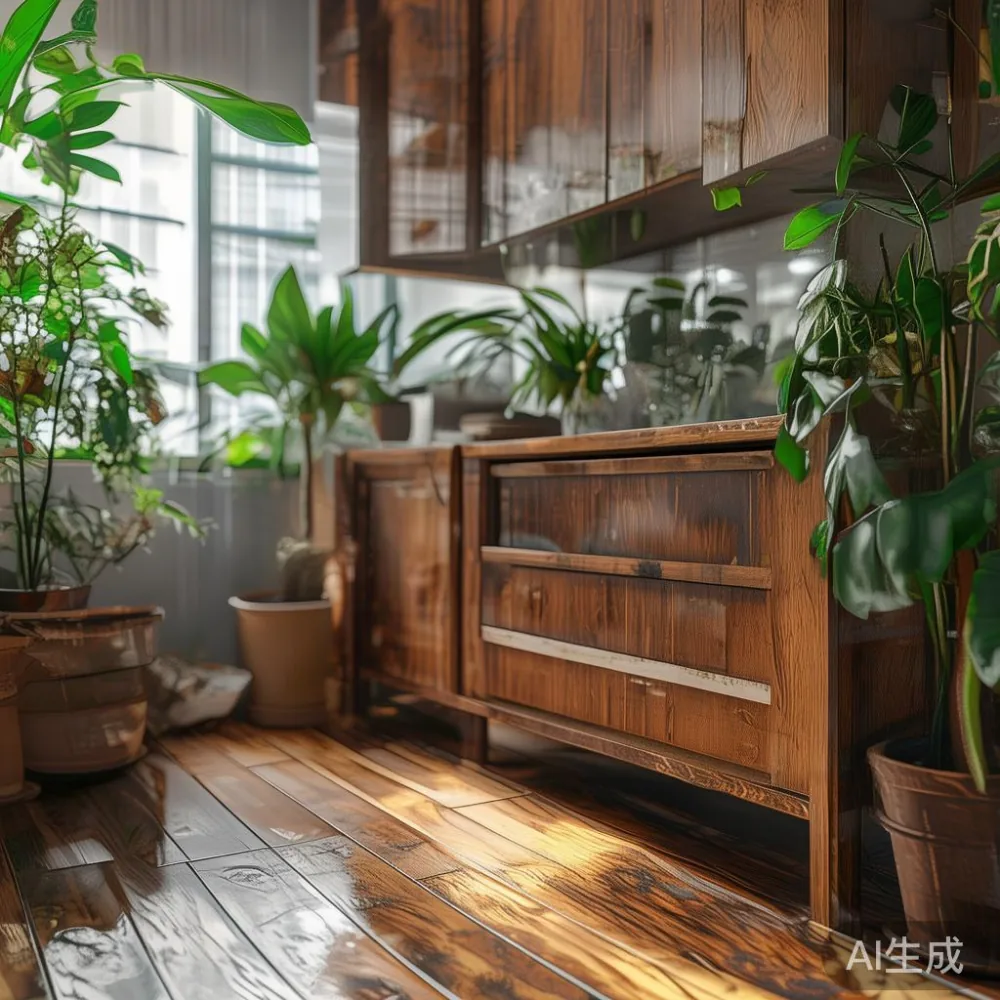
Singapore sits on the equator. Relative humidity swings between 65% and 95% across the year, and indoor temperatures in a Bedok walk-up or a Punggol EC can hold at 28°C to 31°C for weeks. Lacquer is a film finish, not an oil that flexes with the wood underneath. When you pair a closed-cell lacquered film with kiln-dried solid oak, ash, or walnut, the wood wants to move, and the film has to follow. Most of the small failures I see on the ground – hairline cracks at table edges, cloudy whitening on wardrobe doors, a sticky feeling on nightstand tops – are climate failures, not craftsmanship failures. With a 10-year structural warranty and lifetime refinishing, the Foshan workshop behind our brand has spent fifteen years engineering lacquer systems that accept equatorial humidity, but a homeowner still has to do the four jobs the factory cannot do for them: control indoor humidity, clean with the right chemistry, lift instead of drag, and watch the building envelope.
Why does lacquer blush, crack, or peel in a Punggol or Tampines flat?
Lacquer blushes when moisture penetrates the film faster than the solvent can flash off. I watched exactly this happen in a BTO at Punggol Waterway last March when a dehumidifier unit failed during a Chinese New Year trip. A 1.8 m lacquered dining table, retail value SGD 2,180, came back with white rings the size of 50-cent coins along the leaves. The film had not peeled; the trapped moisture had simply turned the surface opaque. Hairline cracks along the mitre joints of bed frames show up when the lumber's moisture content (MC) climbs above 14% and the lacquer, cured to a hard piano finish, cannot stretch across the gap. Conversely, when indoor humidity drops below 45% – common on days when a homeowner runs a 12-hour air-con cycle at 22°C – the wood contracts, the lacquer holds its shape, and you see the film shear at the weakest point, usually a corner.
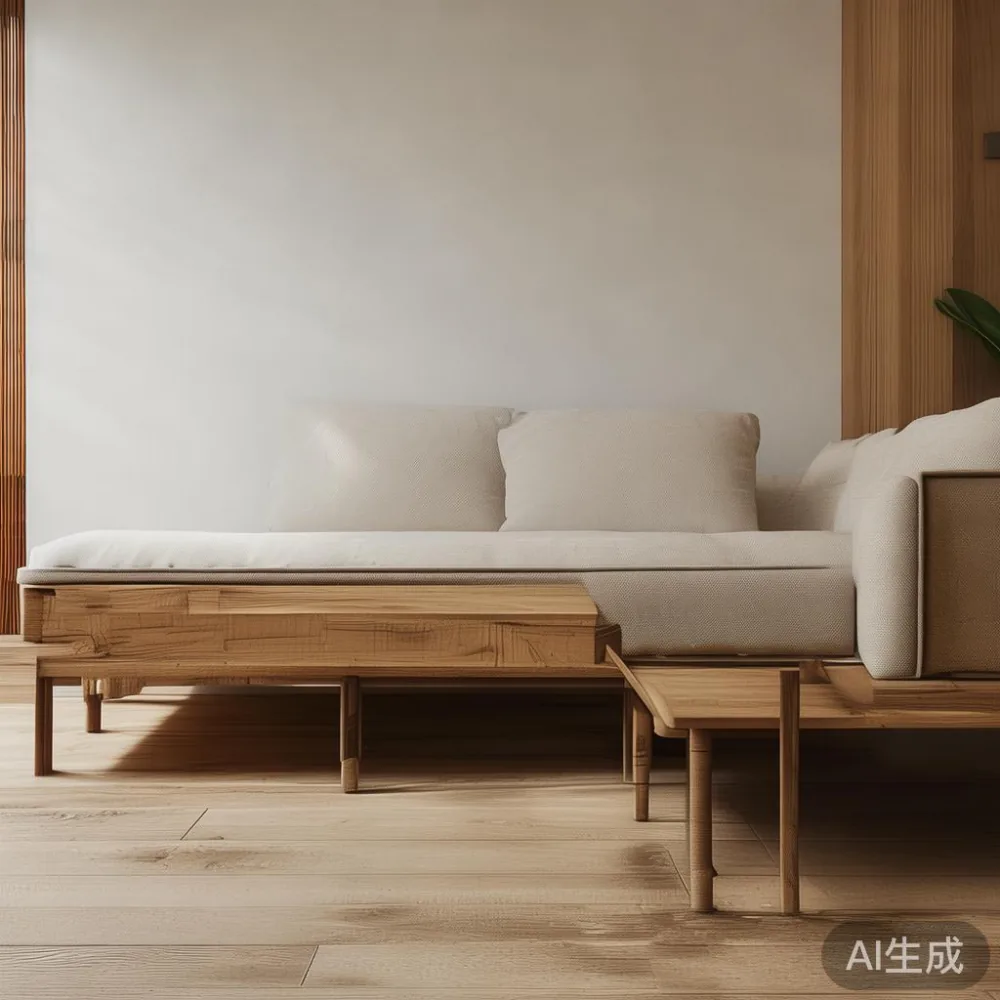
Three numbers matter for a Singapore lacquered piece: target indoor relative humidity of 50% to 60%, target wood MC of 9% to 11%, and a surface temperature no higher than 32°C. A SGD 159 digital hygrometer from a Tampines Mall electronics shop will read both. Keep it 1.5 m away from the wardrobe, away from direct sun streaming through a north-facing window, which can push surface temps past 40°C on a clear afternoon.
How should I clean a lacquered dining table, nightstand, or wardrobe door without ruining the sheen?
Use a 70% deionised water and 30% isopropyl alcohol mix in a 250 ml spray bottle, paired with two 40 cm by 40 cm microfibre cloths rated to 200 wash cycles. Fold one cloth into four, mist the cloth (never the wood), and wipe along the grain. Flip, refold, wipe once more, then dry with the second cloth within 30 seconds. For a marble table top sealed with the same lacquer system, the same protocol applies, but dry the surface within 15 seconds because polished stone holds cold liquid longer and can flash-cool the film. A 500 ml bottle of pH-neutral wood-safe cleaner retails around SGD 28 at a Bedok Point hardware shop and lasts roughly six months on a four-chair dining set. Avoid ammonia, silicone polishes, and citrus solvents; they soften the lacquer's topcoat in under a minute and you will see swirl marks within a week.
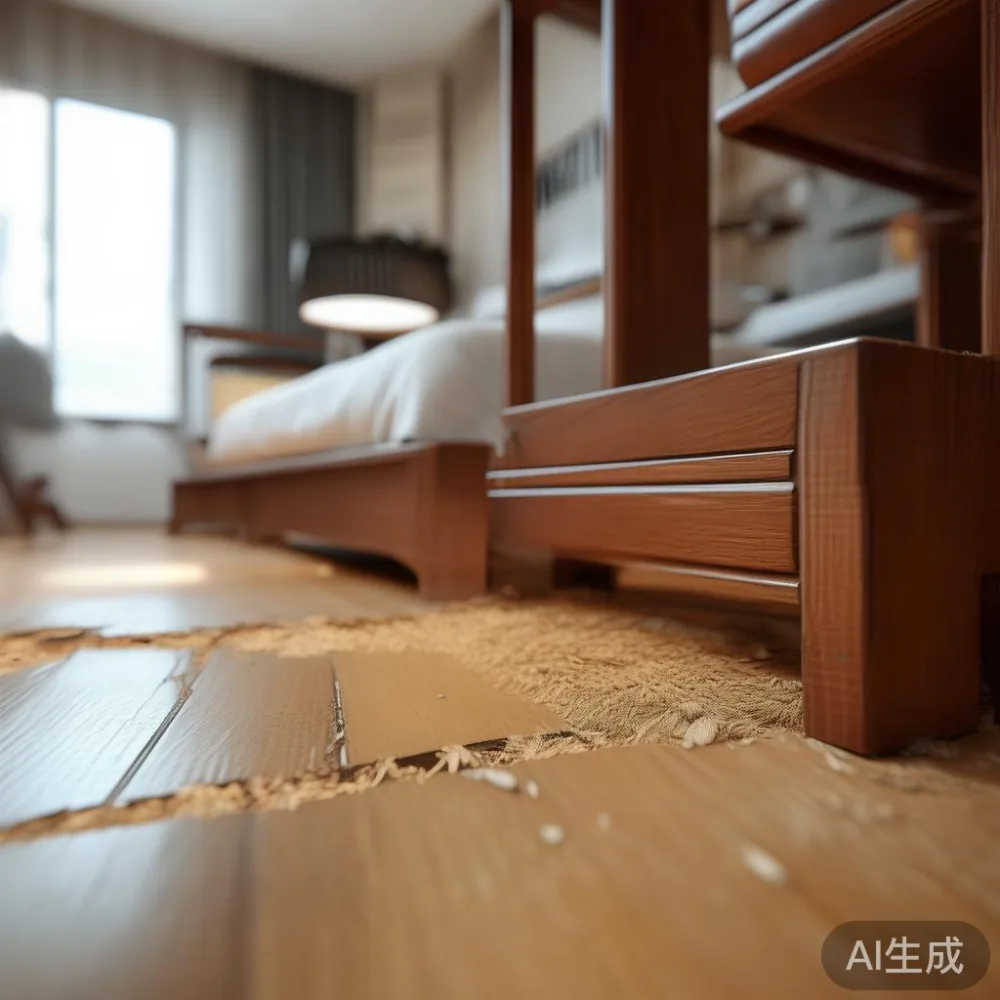
What humidity control actually works in a 4-room HDB with 2.7 m ceilings?
I installed a 12 L/day dehumidifier in a client's four-room flat in Simei last week, placed 2 m from a 1.6 m lacquered solid wood bookcase. Running on a hygrometer switch set to 55% RH, it pulled 8.4 kWh over a 24-hour cycle at Singapore's regulated tariff of SGD 0.2885 per kWh, or roughly SGD 2.42 a day during a wet spell. A smaller 8 L unit costs about SGD 1.60 a day and is enough for a 35 m² room. Pair the dehumidifier with a circulation fan pointed 45° away from the wardrobe door so the air does not slam against the lacquered face. Ceiling fans alone, the 48-inch DC models sold everywhere from Jurong to Tampines Hub, keep the air moving at 0.1 m/s, which slows boundary-layer moisture buildup on the wardrobe's lower panels. The target is simple: never let RH sit above 65% for more than eight hours, never below 45% for more than four.
For a condo corridor delivery, lift openings at most Singapore blocks measure 2.1 m high and 1.4 m wide. A 2.3 m tall lacquered wardrobe comes in two halves, each 115 cm, which clears with 10 cm to spare. Movers in this city are good, but the corner scrapes that show up as shipping damage on a lacquered edge are almost always from the lift door frame, not the truck. Photographers on site should log any crush marks greater than 5 mm before signing the delivery order; that paperwork feeds straight back to the Foshan workshop for a free part replacement under warranty.
Is European sofa worth it for a Singapore family with two kids and a beagle?
This is the question I field most weeks after the wardrobe conversation, because the dining set or bed frame usually arrives first and the sofa decision follows six months later. A European-spec solid wood sofa built with kiln-dried beech or ash, webbed suspension with 8-gauge sinuous springs, and high-resilience foam wrapped in 300 g/m² fibre arrives in crates 35 cm wider than the equivalent American frame because European mills cut for body ergonomics over 175 cm, not the 180 cm+ frame Singapore households often run. A three-seater from a Foshan workshop that has exported to 15+ countries since 2008 lands between SGD 1,890 and SGD 3,260 depending on fabric grade. For a Tampines family with two children under six, I lean toward the removable, machine-washable 100% polyester covers at SGD 2,140, paired with a stain-repellent treatment add-on of about SGD 180. The frame is the part the warranty covers for ten years; the upholstery you will refresh every four to five years. That ratio matters more than the brand stamped on the delivery slip.
Is Mid-century modern wardrobe worth it for a small bedroom in a resale flat?
A Mid-century modern wardrobe in the Singapore market pairs clean 6 cm square solid wood legs with flat slab lacquered doors and a low-profile plinth that sits 4 cm off the floor, leaving the aircon return grille breathing room in typical 12 m² bedrooms. Walk-in wardrobes are rare in HDB, so the wardrobe has to carry the load. A 1.8 m wide, 2.2 m tall three-door unit in light luxury finish, often labelled as French light luxury in Singapore catalogues, delivers 0.94 m³ of hanging room plus six drawers totalling 0.18 m³. For a 1990s-era four-room flat at Bedok Reservoir with a 2.4 m ceiling, that is the sweet spot. Anything taller interferes with the ceiling fan zone. A well-engineered Mid-century modern wardrobe from a factory running a controlled 8% to 10% MC will move less than 2 mm at the side panels across an entire year of 80% average humidity, which keeps the lacquered film honest. If the door gaps shift to more than 3 mm by month nine, the unit is fighting the climate rather than working with it, and the warranty team should be on site. Anyone weighing the choice between rattan-fronted tropical pieces and a true slab-door Mid-century modern wardrobe for a small bedroom should ask about the door pivot hardware first; soft-close 110° European hinges rated to 100,000 cycles are an SGD 80 upgrade that prevents the most common slamming damage on lacquered edges.
European light luxury for office: what does the category actually look like in a WFH setup?
European light luxury for office reads as restrained geometry, satin brass pulls measuring 12 cm centre-to-centre, and a very narrow 0.5 mm shadow gap between the lacquered door and the cabinet body. In a Singapore WFH study carved out of a 9 m² spare room, a 1.4 m desk-and-credenza set in post-modern light luxury styling retails around SGD 1,420 and uses solid oak for the top plus ash for the carcass. Cable cutouts sit at 8 cm diameter on the rear apron, sized for a 6-port power strip and a single HDMI run from the laptop dock. Add a felt-lined drawer insert at SGD 95 to keep watches, AirPods, and the keys from scratching the lacquered inside. The 80 cm desk height matches Singapore's ergonomic norm, and a separate mobile pedestal at 60 cm wide slides under the 12 cm overhang. If the room shares space with a Japanese for guest room corner – a tatami-edged daybed or a low futon at 35 cm platform height – leave at least 90 cm of walking lane between the office footprint and the guest zone; the lacquered desk will appreciate the breathing room more than the styling will.
Mid-century modern coffee table: how does it survive a daily kopi routine?
A Mid-century modern coffee table in a Tampines living room takes more abuse than any dining table because of the daily kopi cycle and the laptop-on-sofa hour. A 110 cm long by 55 cm deep solid oak frame with a 2 mm clear glass top is the right call: the glass protects the lacquered surface from heat rings, the cantilever base keeps knees free, and the 38 cm height lines up with a 42 cm seat. The glass adds SGD 220 over the bare-wood price of SGD 640, and tempered 8 mm thick is the minimum I specify. Use silicone bumpers (SGD 6 for a pack of eight) under each glass corner so thermal expansion does not crack the lacquered lip when the glass warms in the afternoon sun. Wipe the glass with a 50/50 vinegar-water mix weekly; wipe the wood frame with the deionised water and IPA mix described above. Anyone hunting for the best Italian light luxury wardrobe for 2026 should also budget a matching coffee table run so the wood grain and tone match across the living wall; most Foshan factories will book-match veneer from the same log batch on orders placed within a 14-day window, which is a small insider lever that pays off visually.
Practical checklist before the delivery team signs off
Three numbers to record on the delivery order: outdoor temperature (Celsius), indoor humidity (%), and any carton damage larger than 5 mm. Photograph each panel of the lacquered dining table, bed frame, and nightstand as you unwrap, in 4K if your phone supports it. Keep the hygrometer reading on the delivery day as your baseline. Schedule the first furniture oiling or polish only after 21 days, once the lacquer has fully off-gassed at your indoor humidity. Lift all pieces 5 cm off the floor onto 2.5 cm thick felt pads (SGD 18 for a 12-piece set at a neighbourhood hardware shop), and never drag a 65 kg solid wood wardrobe over a tiled or marble surface. Lift, never slide. That single habit prevents nine out of ten in-home scratches I see on lacquered wardrobes across the island.
The lifetime refinishing service that comes with every Foshan export means that a 12-year-old bed frame can be sanded back to bare wood, re-sealed with a fresh five-coat lacquer system, and returned to a Tampines customer for roughly SGD 480 in collection and redelivery fees – a fraction of a replacement. Singapore owners who treat their lacquered pieces as engineered wood systems, rather than as decorative props, will outlast two renovations and still recognise the original mirror sheen under the living room lights. That is the goal: furniture that serves the climate, not furniture the climate slowly defeats.