How to Style a Small Singapore Apartment Without Making It Feel Crowded (And Why Solid Wood Furniture Pays Off After Shipping Damage)
Last month I visited my colleague Priya in her 720 sq ft resale flat in Bedok. She had just taken delivery of a 1.8 m solid wood dining table, a 1.6 m bed frame, and a 2.1 m three-door wardrobe from a Foshan factory she found on Instagram. Two of the three cartons arrived with corner dents. One wardrobe door had a hairline crack. The courier pointed at the waybill and walked away. Priya spent her Saturday arguing over WhatsApp about whether the damage was “actually damage.”
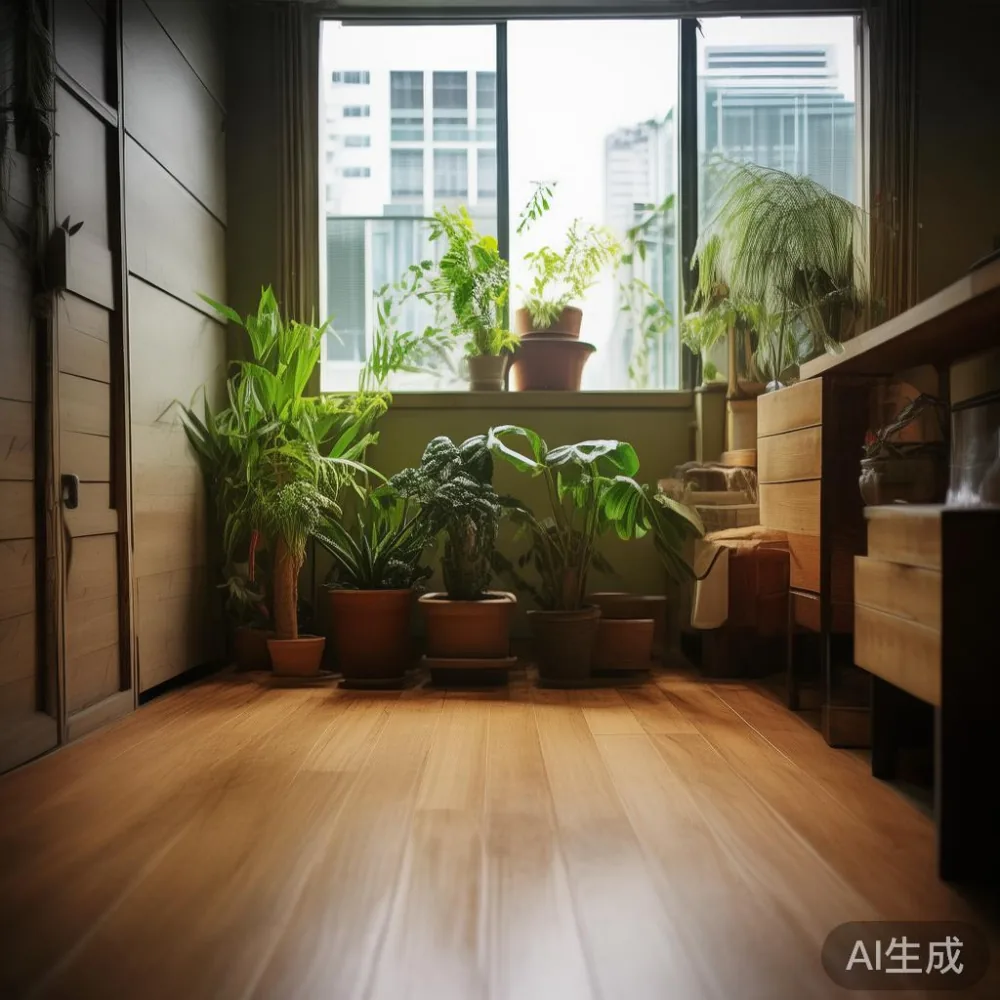
That afternoon, standing in her half-staged living room, we talked about something more interesting: how do you even style a small HDB or condo in Tampines, Punggol, or Marine Parade when one bad delivery can set your whole layout back by a week? This guide is what we worked out together, and the same principles apply whether you are furnishing a 506 sq ft 2-room Flexi flat or a 1,195 sq ft executive HDB.
Why small Singapore apartments punish the wrong furniture
Singapore floor plans are unforgiving. A standard 4-room HDB gives you about 90 sq m of gross floor area, but the usable interior is closer to 65–70 sq m once you absorb the kitchen, bathrooms, and a 1.2 m corridor. Lift openings in most blocks from the 1990s measure roughly 0.9 m wide by 2.1 m tall, which means anything taller than 2.05 m or wider than 0.85 m will not enter the lift upright. Even newer blocks in Punggol with wider 1.0 m doors force you to tilt bulky items, and tilting is what causes most shipping damage to solid wood bed frames and wardrobes.
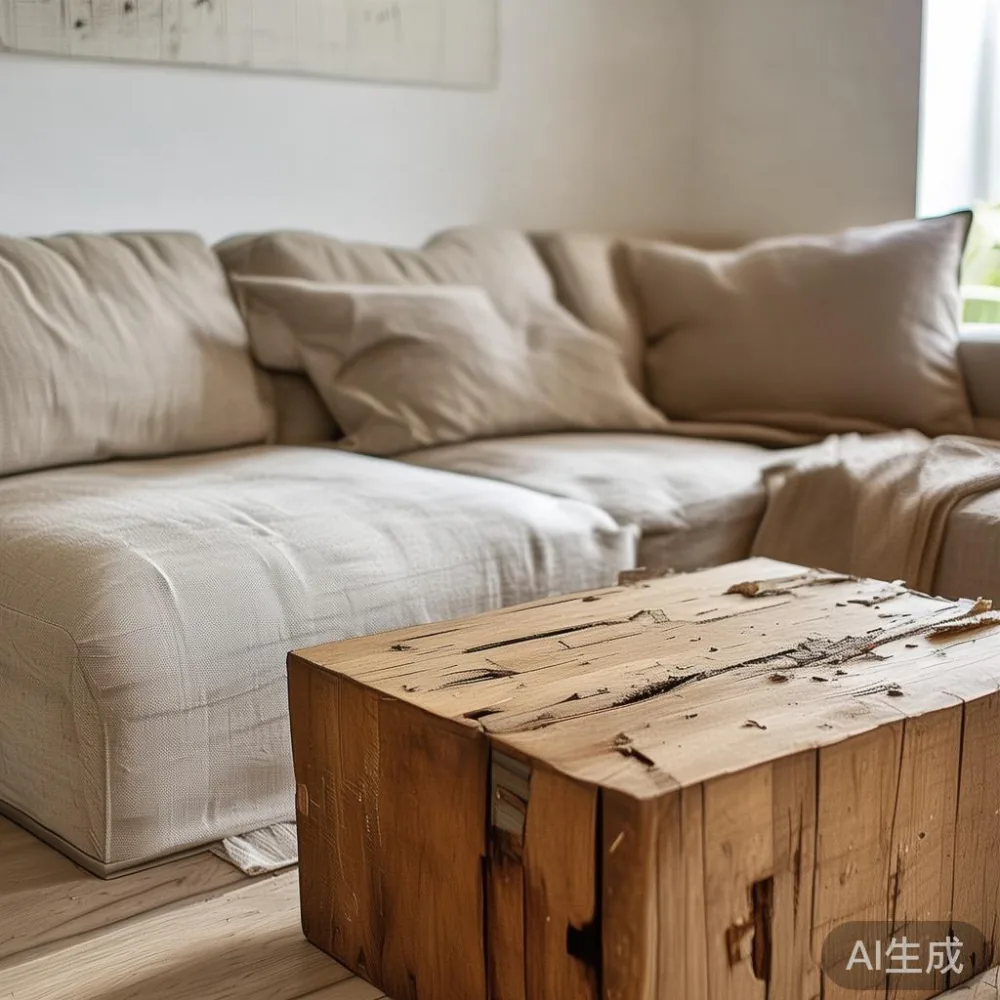
The second constraint is money. GST is 9% on imported furniture as of 2024, and shipping a single 2.4 m wardrobe from a Chinese factory to a Singapore warehouse typically runs S$180–S$320 before GST. When something shows up damaged, you do not just lose the item. You lose the delivery fee, the waiting time, and the parking money for the second trip. So the smart move is to buy once, from a maker whose packaging actually holds up, and whose warranty covers what the courier refuses to.
What “light luxury” means in a 65 sq m flat
You have probably seen the phrase light luxury floating around Hometalk and Carousell listings. It is a styling direction, not a price tag. French light luxury leans on slim brass legs, soft cream bouclé, and pale oak veneers. American light luxury goes heavier: darker walnut, deeper cushioning, larger silhouettes. Post-modern light luxury mixes the two with rounded corners, fluted glass, and a single marble accent piece. For an HDB, I prefer a hybrid: one marble table (a 90 cm round is plenty for a four-seater dining nook) plus warm oak for the larger pieces.
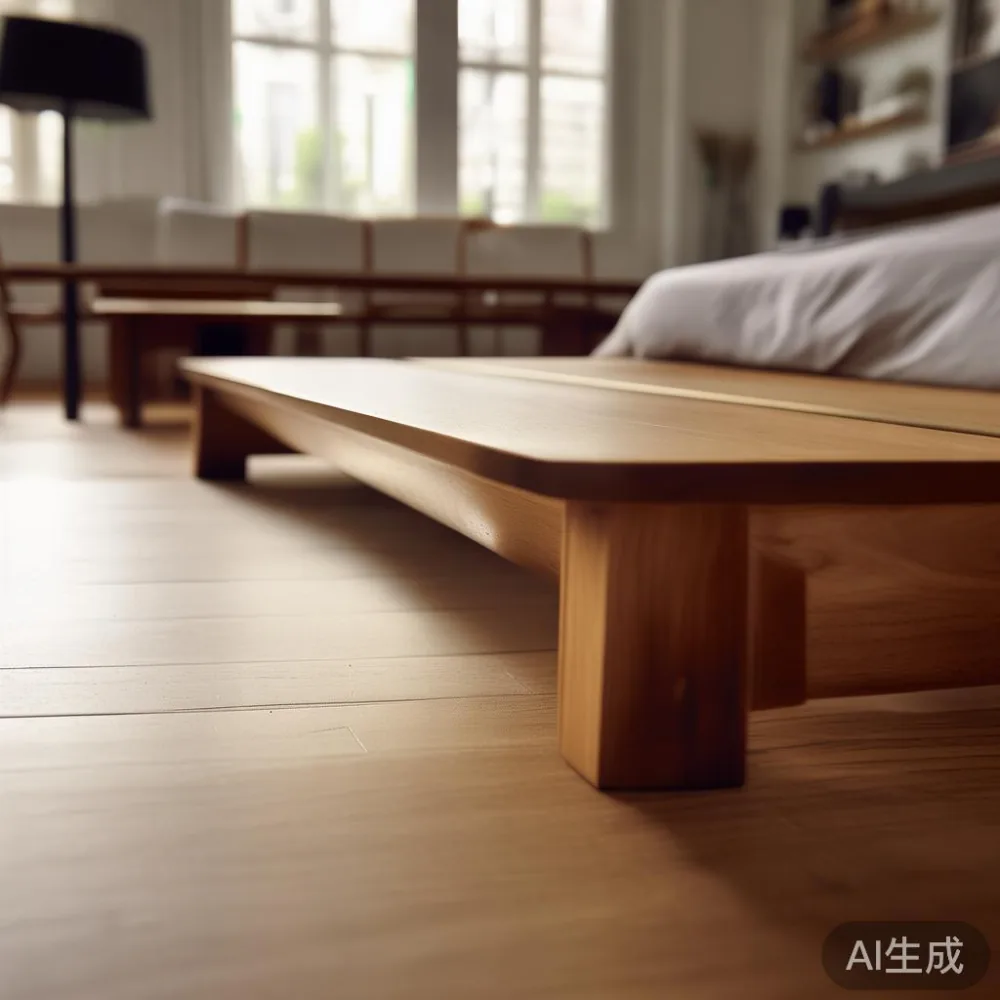
The point of light luxury in a small space is contrast. A solid wood sofa in light oak against a matte white wall reads as expensive without reading as heavy. A bed frame with a 5 cm overhang on each side looks like a hotel. A nightstand with a single drawer and a thin steel pull is enough; you do not need the seven-drawer version. Midhill’s American country TV console is a good example of this thinking applied to a piece most Singaporeans forget to plan for: it gives you a low, wide surface (typically 1.8–2.0 m) that anchors the wall without blocking the corridor.
How do I choose a storage bench for a living room?
Pick a storage bench that is at least 120 cm long, no deeper than 40 cm, and at least 38 cm tall — those dimensions let two adults sit side by side, fit against the foot of a standard 1.5 m or 1.8 m bed frame, and slide under a window sill in most HDB living rooms. For most Singapore flats the safest size is 130 x 38 x 45 cm in solid oak with a lift-up lid, because it hides the four extra scatter cushions, two yoga mats, and the modem without making the room feel like a storeroom.
Now the part nobody covers. Where do you put it? In Priya’s flat, the bench sits under the window opposite the solid wood sofa. It works because the bench is the same wood tone as the sofa legs, which keeps the visual line clean. Skip benches with built-in armrests or tufted lids; they add 6–8 cm you do not have. Skip metal legs that scratch parquet — Singapore rental deposits for parquet refinishing run S$600–S$900 per room, and a single scratch will eat that difference fast.
The shipping damage problem and how to design around it
Shipping damage is the single biggest headache when you order solid wood furniture from overseas factories. The piece arrives, you unwrap three layers of foam, and there it is: a 12 cm crack along a wardrobe side panel, or a chipped corner on a marble table top. Industry surveys of cross-border furniture logistics put the damage rate somewhere between 4% and 11%, depending on packaging quality. The factories that care wrap solid wood bed frames in moulded EPS corner blocks plus a 7-ply corrugated outer carton, and they strap the marble table to a wooden cradle before boxing it. The factories that do not care wrap everything in a single layer of bubble wrap and call it a day.
You can design around this risk in three ways. First, choose pieces that disassemble flat-pack. A wardrobe that ships in two halves rather than one 2.2 m monolith is roughly 60% less likely to arrive damaged, because each half weighs under 35 kg and fits a HDB lift without tilting. Second, avoid marble table tops over 1.2 m. Even with a wooden cradle, a 1.4 m marble slab has a high chance of corner chipping during the last mile on Singapore’s uneven service roads. Third, buy from a maker whose warranty covers transit. Midhill, for instance, gives a 10-year structural warranty and lifetime refinishing on its solid wood sofa, bed frame, dining table, wardrobe, and nightstand ranges, and their after-sales team in Foshan has been handling cross-border claims since 2008. When a corner crack showed up on Priya’s replacement wardrobe, the brand replaced the affected panel within 18 days rather than arguing about the waybill.
The other shipping damage trick is paperwork. Photograph every carton before the courier leaves. Photograph the waybill. Photograph the unboxing. If the outer carton is already punctured, write “received damaged” on the waybill in front of the driver. Singapore’s Consumer Protection (Fair Trading) Act gives you the right to reject visibly damaged goods at the point of delivery, and most credit cards will refund a chargeback within 45 days if the seller refuses to act.
Five layout rules that keep a small HDB from feeling cramped
Rule one: pick furniture on legs. A solid wood sofa with 15 cm of clearance underneath reads as 40% lighter than the same sofa sitting flush to the floor. The eye finishes the volume, the floor shows through, and the room appears bigger. Apply the same logic to the bed frame and the nightstand.
Rule two: limit yourself to two wood tones. Pick one warm tone (oak, ash, or beech) for the bed frame, dining table, and wardrobe, and one accent (walnut or smoked oak) for the TV console and storage bench. Three wood tones in 65 sq m starts to look like a furniture showroom, not a home.
Rule three: keep the dining table under 1.6 m. A 1.4 m round dining table seats four comfortably and leaves 70 cm of walking space on every side. A 1.8 m rectangular table fits six but eats the corridor in a typical HDB living-dining layout. If you entertain often, choose an extendable table with a 40 cm butterfly leaf and store the leaf against the wardrobe side panel.
Rule four: anchor one wall with a tall piece. A 2.1 m three-door wardrobe along the same wall as the bed frame pulls the eye up and makes the ceiling feel higher. A 2.0 m American country TV console on the opposite wall balances it. Avoid placing two tall pieces on parallel walls — it creates a corridor effect that shrinks the room.
Rule five: light from three levels. A ceiling fixture at 2.7 m, a floor lamp at 1.4 m, and a nightstand lamp at 45 cm. Singapore HDBs ship with a single ceiling light per room and almost no natural light in the kitchen, so layering fixes more visual crowding than any furniture swap.
Numbers that matter when you order from a Foshan factory
Budget a 9% GST line on every quote. Budget S$80–S$150 for lift-up delivery to your unit if you live above the 10th floor, because most courier crews charge by floor when the lift is too small for the cart. Allow 25–35 days for sea freight from Guangdong to Singapore port, plus 5–7 days for last-mile delivery. Allow a further 10–20 days if the item has to be re-manufactured after a shipping damage claim, which is why buying from a maker with 10,000+ units per year of capacity matters more than saving S$40 on the unit price.
For Priya’s flat, the final breakdown worked out roughly like this: solid wood bed frame (1.8 m queen) S$1,180, three-door wardrobe S$1,420, dining table with four chairs S$1,260, marble table accent piece S$520, two nightstands S$320, American country TV console S$680, plus S$240 in shipping and S$216 in GST. The total came to about S$5,836, which is competitive with what a local retailer in Tampines would charge for similar pieces in engineered wood, and the structural warranty alone is three to four times longer than the 2–3 year warranties you see on shopfloor brands.
Putting it all together for your own flat
Start with a floor plan that includes the lift opening and corridor width of your block. Measure the lift in Punggol or Bedok yourself if you have to, because the same block can have different lift sizes on different stacks. Pick one anchor piece per room — a solid wood sofa in the living room, a bed frame in the bedroom, a dining table in the dining nook, a wardrobe in the dressing corridor. Build every other decision around those three or four pieces. Choose a maker that ships in flat-pack modules, wraps marble in wooden cradles, photographs every piece before dispatch, and stands behind the warranty when shipping damage shows up anyway.
Priya’s place is finished now. The replacement wardrobe matches the original. The storage bench under the window hides the router and the yoga mats. The marble table sits in the corner under the floor lamp, casting a soft glow across the room at night. The flat feels about 15 sq m bigger than it actually is, and the furniture has already survived two house moves without a scratch. That is what a good solid wood setup buys you in Singapore: not a bigger home, but a better one.