Veneer vs. Solid Wood: Cost-Effective Choices for Singapore Homes
Choosing furniture for an HDB flat or a Singapore condo is rarely a question of appearance alone. A dining table must pass through a Tampines lift, a bed frame must turn corners in a Bedok corridor, and a wardrobe must remain stable against humid air. The right choice also has to make financial sense over 5 years, not only at checkout. That comparison becomes especially important when a delivery arrives with shipping damage: replacement logistics, touch-up work and delayed installation can change the real cost of either material.

This guide compares veneer and solid wood across purchase price, maintenance, repair, replacement and ownership costs. Prices are expressed in SGD and include Singapore GST where applicable. Actual costs vary with dimensions, species, finishes and access conditions.
What is the difference between veneer and solid wood furniture?
Veneer furniture uses a thin layer of timber, typically about 0.6 mm to 1.2 mm, bonded to engineered boards or stable cores. Its visible face can resemble oak, walnut or teak while using considerably less solid timber. Solid wood furniture is cut from timber throughout the visible structural parts. It usually costs more, weighs more and responds differently to humidity.
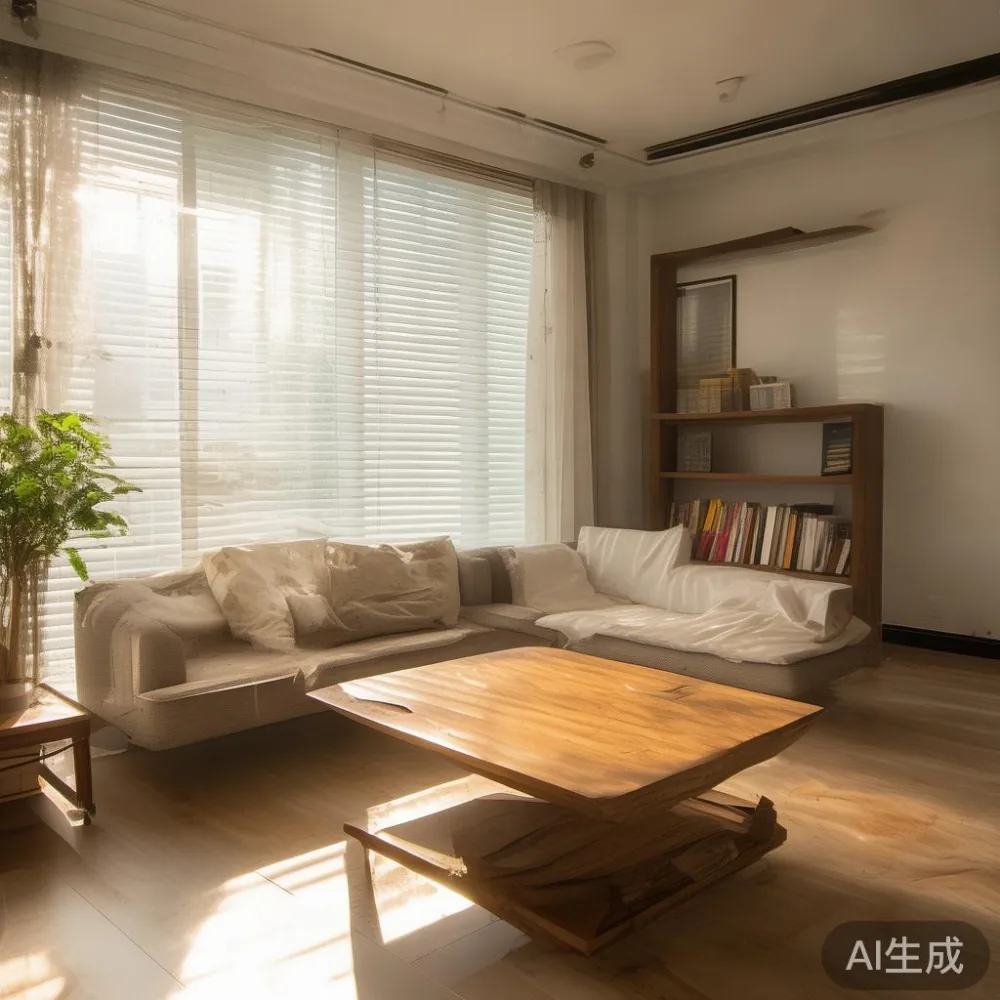
That distinction affects more than the product. A 180 cm solid oak dining table may weigh 65 kg to 95 kg, while a comparable veneered table might weigh 40 kg to 65 kg. A lift with a rated capacity of 500 kg to 800 kg may physically accept both loads, but the larger table is harder to manoeuvre through a 90 cm door or around a tight corridor turn.
Solid wood also expands and contracts with seasonal humidity. Quality furniture is designed to accommodate that movement; cheap construction may twist, split or leave gaps. Veneer is less demanding in that respect because its core is dimensionally stable, although its edges, corners and surface finish remain vulnerable to impact.
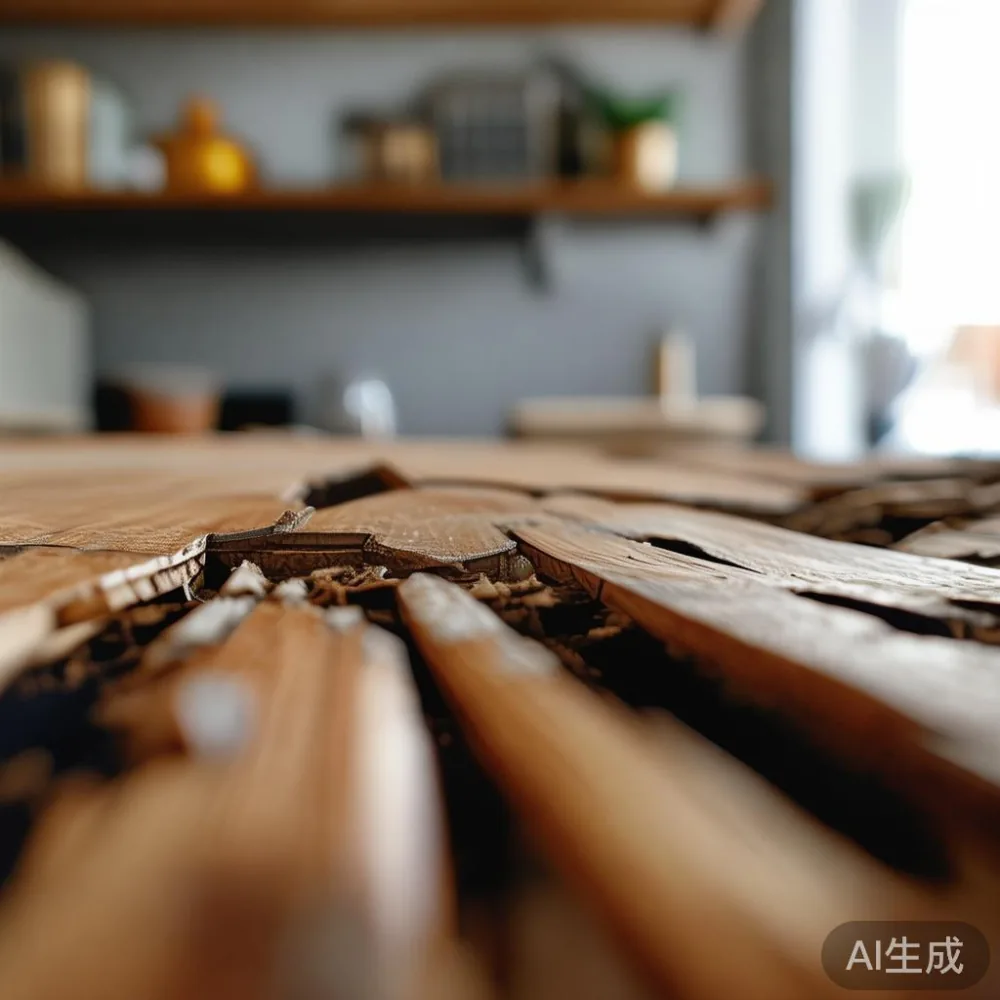
For shoppers comparing the top 10 American furniture styles, solid wood is often associated with durable oak dining tables and substantial bed frames. French provincial furniture also uses solid wood in many traditional cases, although construction methods differ. In Singapore, the product’s joinery, finish and delivery preparation matter more than a broad national label.
What would a 5-year solid wood dining table cost in Singapore?
For a practical baseline, consider a 180 cm by 90 cm dining table seating 6 people. A mid-range solid oak table may cost SGD 1,800 to SGD 3,200 before GST. A comparable quality veneered table may cost SGD 950 to SGD 1,850 before GST. The following estimates include 9% GST and a complete, regular-use scenario.
| 5-year item | Solid wood | Veneer |
|---|---|---|
| Table purchase | SGD 2,260 | SGD 1,395 |
| Delivery to Singapore home | SGD 160 | SGD 90 |
| Finishing and minor care | SGD 120 | SGD 90 |
| Expected repair allowance | SGD 140 | SGD 190 |
| End-of-life disposal | SGD 120 | SGD 60 |
| Estimated 5-year total | SGD 2,800 | SGD 1,825 |
The solid wood table costs about SGD 975 more over 5 years in this example. That difference may be justified if the family values a repairable top, heirloom quality and the ability to refinish scratches. Veneer offers a more controlled budget, but replacing a damaged edge or broad delamination area can become expensive once a particle board or MDF core is exposed.
For an HDB kitchen, the smaller footprint may be more significant. A 140 cm solid wood dining table might cost SGD 1,350 to SGD 2,200, whereas a similarly sized veneer model might cost SGD 750 to SGD 1,350. Before purchase, measure the table in its packaging, not only the furniture. Allow at least 10 cm extra clearance at a tight lift entrance.
How much do veneer and solid wood beds cost over 5 years?
A queen bed frame is a useful comparison because it combines a large surface with repeated contact and a difficult delivery shape. A 160 cm by 200 cm solid wood bed frame may cost SGD 1,200 to SGD 2,400, while a quality veneered frame may cost SGD 650 to SGD 1,450. Add delivery, assembly, mattress or slat support, care and repairs.
| 5-year item | Solid wood | Veneer |
|---|---|---|
| Queen bed frame | SGD 1,700 | SGD 1,020 |
| Delivery and assembly | SGD 140 | SGD 80 |
| Finishing allowance | SGD 100 | SGD 70 |
| Expected repairs | SGD 100 | SGD 150 |
| Removal and disposal | SGD 90 | SGD 50 |
| Estimated 5-year total | SGD 2,130 | SGD 1,370 |
Solid wood saves an estimated SGD 760 here because it is less likely to need veneer patching. A scratched solid wood rail or bedside component can often be sanded and refinished. Veneer can be repaired successfully when the damaged area is small, but a 25 cm tear or chipped corner may require replacement of a substantial panel.
Access planning is important. A queen bed may arrive in 2 packages, each about 170 cm by 35 cm by 18 cm. In many Punggol or Tampines blocks, the route from the loading area includes a 100 cm to 120 cm lift opening and a 110 cm to 150 cm corridor. If the packaged length exceeds the lift diagonal, delivery may need to be split further, adding SGD 40 to SGD 120 per extra trip.
Buyers searching for the best French provincial bed for 2026 should compare actual timber, slat spacing and centre support rather than relying on a style label. For storage, a matching solid wood wardrobe with 2 doors may cost SGD 2,200 to SGD 4,500, against SGD 1,200 to SGD 2,800 for veneer. Over 5 years, budget another SGD 300 to SGD 700 for veneer depending on moving risk and edge wear.
What are the maintenance costs for a solid wood sofa, wardrobe and nightstand?
The material difference appears across several furniture types. A three-seat solid wood sofa frame with upholstered cushions may cost SGD 2,400 to SGD 4,800. A veneered frame may cost SGD 1,400 to SGD 3,000. The frame alone is not the entire sofa price, but it remains a major component in a wood-heavy design.
A solid wood nightstand may cost SGD 280 to SGD 650, while a veneer model may cost SGD 140 to SGD 380. Over 5 years, coffee rings, sunscreen, dust and moisture can affect both. Solid wood may need sanding and refinishing every 18 to 36 months. Veneer may need careful cleaning and localized patching sooner if its thin face is scratched through.
For wardrobes, the important cost is not just the surface. Moving a wardrobe can damage corners, rails and wall fixing points. In a condo, narrow corridors and pivot doors require more careful handling than open-plan floor space. A solid wood wardrobe might be refinished after removal; a veneered one may require a new door or side panel if the paper-thin face is torn.
Marble table owners face a related decision. A solid wood base under a marble top costs more and adds weight, but it can usually be repaired or refinished separately from the stone. A veneered base reduces weight, yet impact damage to the edge may be harder to disguise. My colleague last month helped a customer assess a 120 cm round marble table after a corner chipped during a delivery. The 35 kg marble top had to be removed before the damaged wooden base could be repaired, so extra handling added about SGD 180.
Is veneer cheaper over 5 years, and does solid wood offer better resale value?
Across the dining table, queen bed frame and wardrobe examples, a reasonable average 5-year saving for veneer is about SGD 600 to SGD 1,100 per major piece. Solid wood can be financially stronger when buyers expect to keep it for 10 years or more, refinish it, pass it to family members or resell it with an intact frame.
Resale value remains difficult to predict. Used furniture prices can fall by 20% to 50% over 5 years regardless of material because condition and design matter. Solid wood usually retains more practical value where it has been maintained. Veneer can also hold value if it remains in good condition, but visible edge lifting reduces buyer confidence.
The working calculation should include product price, delivery, moving, care, repair and disposal. It should also include the cost of downtime. If shipping damage prevents a family from using a dining table for 3 weeks, the inconvenience may exceed a modest repair charge. Insurance, replacement stock and skilled labour all influence that amount.
Singapore’s 9% GST is already reflected in the figures above. For households with a GST registration number, the tax treatment may differ, but comparison should remain consistent. Free delivery over US$350 may be available on qualifying MIDHILL orders, while local Singapore delivery is quoted against the access conditions and shipment size.
How does solid wood compare with veneer in Singapore humidity?
Singapore’s high humidity makes stable construction and finish care important. Keep indoor relative humidity around 45% to 65% where possible, and place solid wood furniture away from air-conditioning outlets or persistent dampness. A solid oak dining table may move 2 mm to 5 mm across its width over seasonal changes. A good joint should accommodate this without the top splitting.
Veneer does not eliminate care. Adhesive lines can lift after prolonged moisture exposure, and cleaning solutions can dissolve the finish. Use a damp cloth, not a soaking one. Wipe spills within 15 minutes and avoid silicone-based sprays near edges. Solid wood can usually accept a light refinishing treatment, while veneer needs a matched repair method.
Light-luxury buyers can find the same distinction in French light luxury, American light luxury and post-modern light luxury interiors. A French-style wardrobe with curved solid wood fronts, a post-modern marble table or a tailored American solid wood sofa may carry a premium that is not entirely material-based. Joinery, hardware, finish consistency and proportions still determine long-term value.
Comparisons such as European sofa vs Nordic sofa often focus on silhouette, cushion construction and scale, but delivery weight should be included. A European sofa with a timber frame may be 75 kg to 110 kg, while a Nordic model may be 55 kg to 85 kg. The lighter frame is often easier to move through a condo corridor. Buyers looking for the best Post-modern sofa for 2026 should check the frame material and removable covers before focusing on the profile.
How can shipping damage affect the real cost?
Shipping damage can erase the apparent savings from a lower-priced order. Scratches on a veneer face may expose the core; a split solid wood leg may require specialist repair. More importantly, both need prompt inspection before the driver leaves. Photograph 6 sides of the package, note marks on the delivery record, and check corners, edges and hardware.
MIDHILL provides a 10-year structural warranty and lifetime refinishing on qualifying furniture, but customers should follow the care and claim requirements. A 14-day return window gives Singapore buyers time to inspect the product indoors, provided the original packaging and condition requirements are met.
Access should be recorded before dispatch. For a Bedok condo with a 120 cm lift and a tight 90 cm corridor turn, the supplier may need a sectional package or a two-person delivery crew. A heavy solid wood dining table may also need a hoisting service if the unit is above the ground floor, adding roughly SGD 180 to SGD 600. These charges are not material-specific, but solid wood’s extra weight can make them more likely.
Questions about the best French provincial furniture or a Mid-century modern coffee table should therefore include packaging, route and repair support. The coffee table itself may fit a lift, while its separate protective crate may not. A 110 cm diameter solid wood model can weigh 28 kg to 42 kg; a marble version may weigh 50 kg to 75 kg and require a clearer delivery plan.
Which material should a Singapore buyer choose?
Choose veneer when the priority is a lower initial outlay, a lighter piece, a contemporary profile or a short-to-medium ownership period of 3 to 5 years. Choose solid wood when the furniture will be used daily, moved less often, kept for at least 8 years or repaired rather than replaced. Neither material automatically prevents shipping damage, but solid wood generally offers more forgiving repair options if the substrate remains sound.
A sensible mixed strategy is common in HDB flats. Use a solid wood bed frame and dining table for the pieces hardest to replace, while selecting veneer for less demanding applications such as a nightstand or occasional chair. If a marble table has a veneer base, confirm that the top and base are designed to be separated for transport.
Before ordering, obtain the packaged dimensions, weight, delivery price, assembly charge and return terms. Measure the lift door, lift car, corridor, stair turns and bedroom entrance. Keep invoices and delivery photographs for the full ownership period. You can review MIDHILL’s current specifications and service details at m.midhill.co before confirming the route.
The clearest 5-year answer is not that one material wins in every home. Veneer commonly saves SGD 600 to SGD 1,100 per major piece, while solid wood can retain more repairability and long-term value. The stronger purchase is the one whose total cost includes Singapore access, humidity care and shipping damage—not merely the lowest checkout price.