Shipping Damage: What Actually Drives the Price of Solid Wood Furniture?
A solid wood dining table can cost S$1,200 at one showroom and S$4,800 at another. Both descriptions may be technically accurate, yet the comparison tells only part of the story. The difference often comes down to timber species, moisture control, joinery, finishing, dimensions, hardware, delivery terms and the amount of hand-finishing involved.
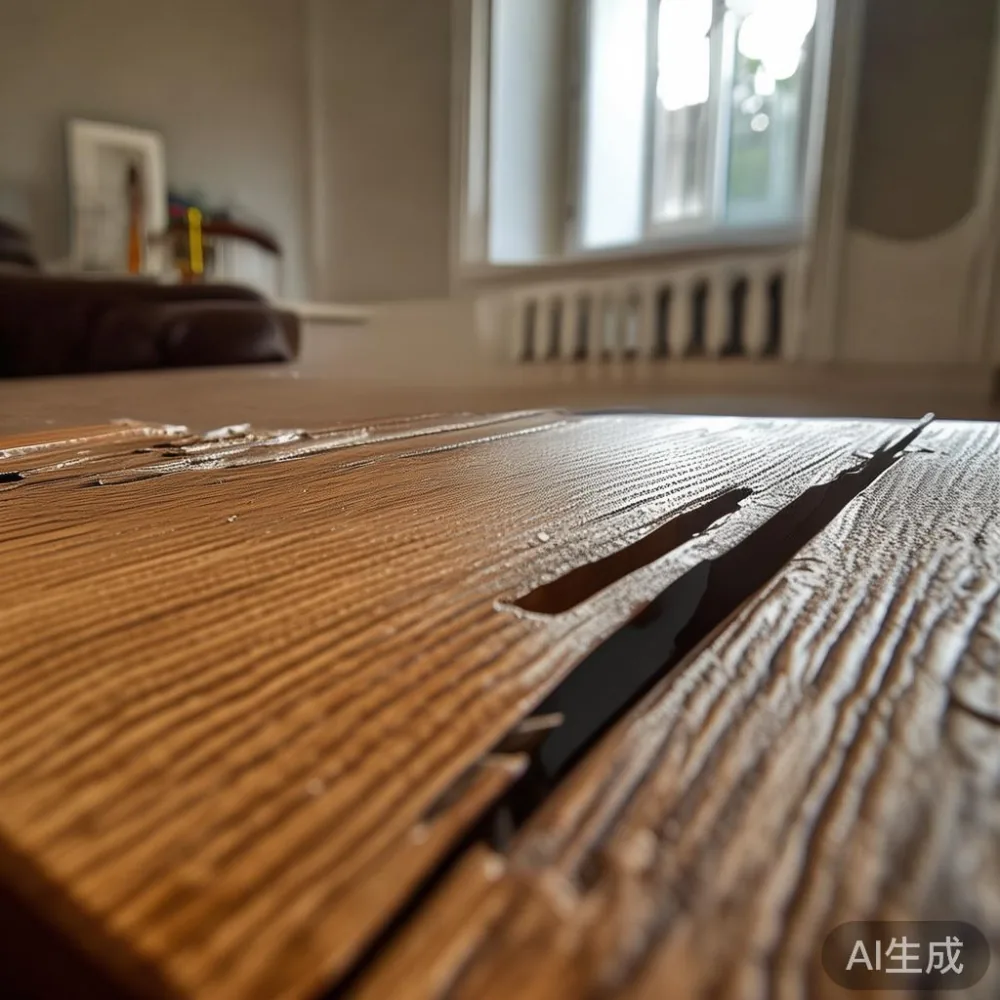
For Singapore buyers furnishing an HDB flat in Tampines, Bedok or Punggol, the final cost is shaped by more than appearance. A 220 cm wardrobe may need to turn through a 90 cm corridor, while a sofa with a 232 cm depth can be difficult to position in a condo lift. GST, delivery stairs and protective packaging also affect the invoice. Shipping damage is not simply bad luck; it frequently begins with insufficient planning around route, weight and packaging.
This guide explains the factors that genuinely determine the price of solid wood furniture, from a solid wood sofa and bed frame to a dining table, wardrobe, nightstand and marble table. It also shows where spending produces a visible or functional benefit, and where a cheaper specification can be sensible.
Is timber species the biggest factor in a solid wood dining table?
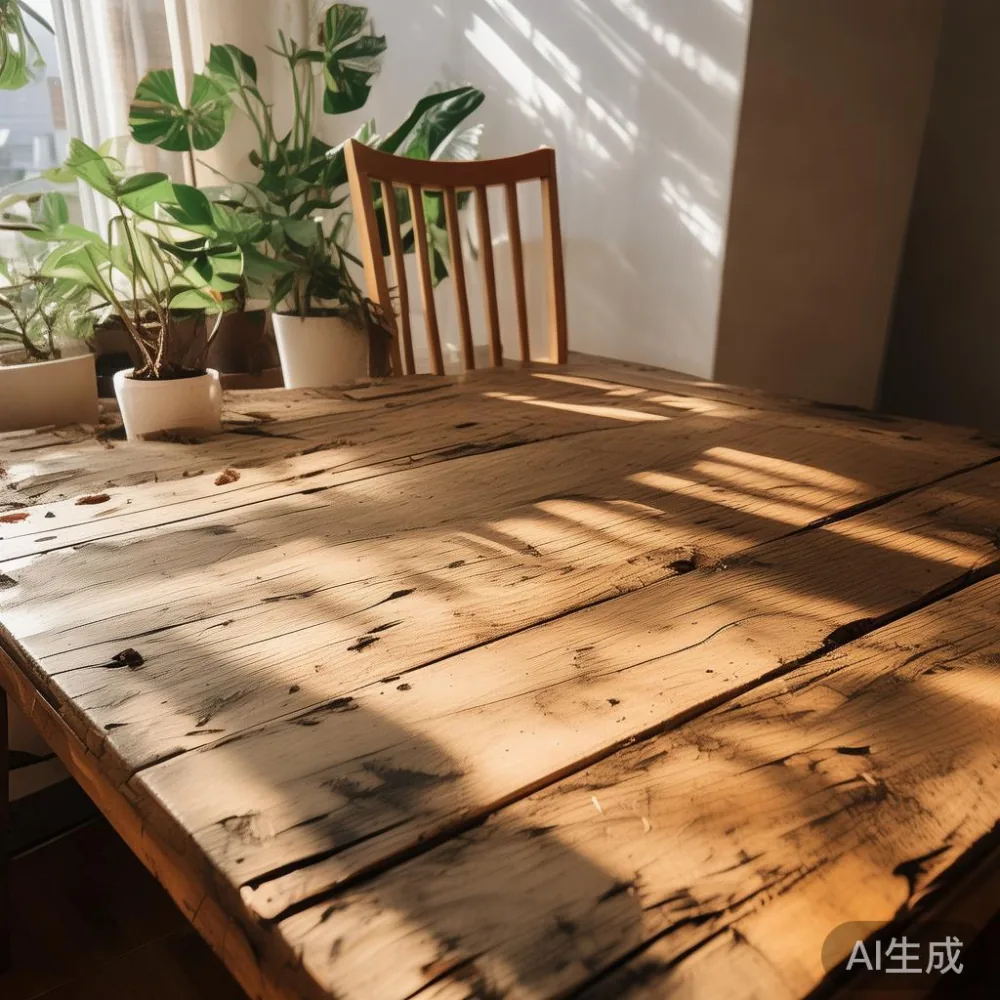
Timber species is usually the largest variable, but “solid wood” is not one material. It covers many species with different densities, grain patterns, working properties and market prices. A 200 cm dining table made from rubberwood may be offered around S$1,300, while a comparable table in American white oak may reach S$3,600. A narrower 160 cm version can fall below S$1,000.
Oak tends to command a premium because of its visible grain and reputation for durability. Walnut has a darker, more decorative appearance and may cost more per board foot. Pine, rubberwood and other workable species can support lower pricing. The key is to ask for the exact species and scientific or trade name on the quotation, rather than accepting “solid wood” as sufficient detail.
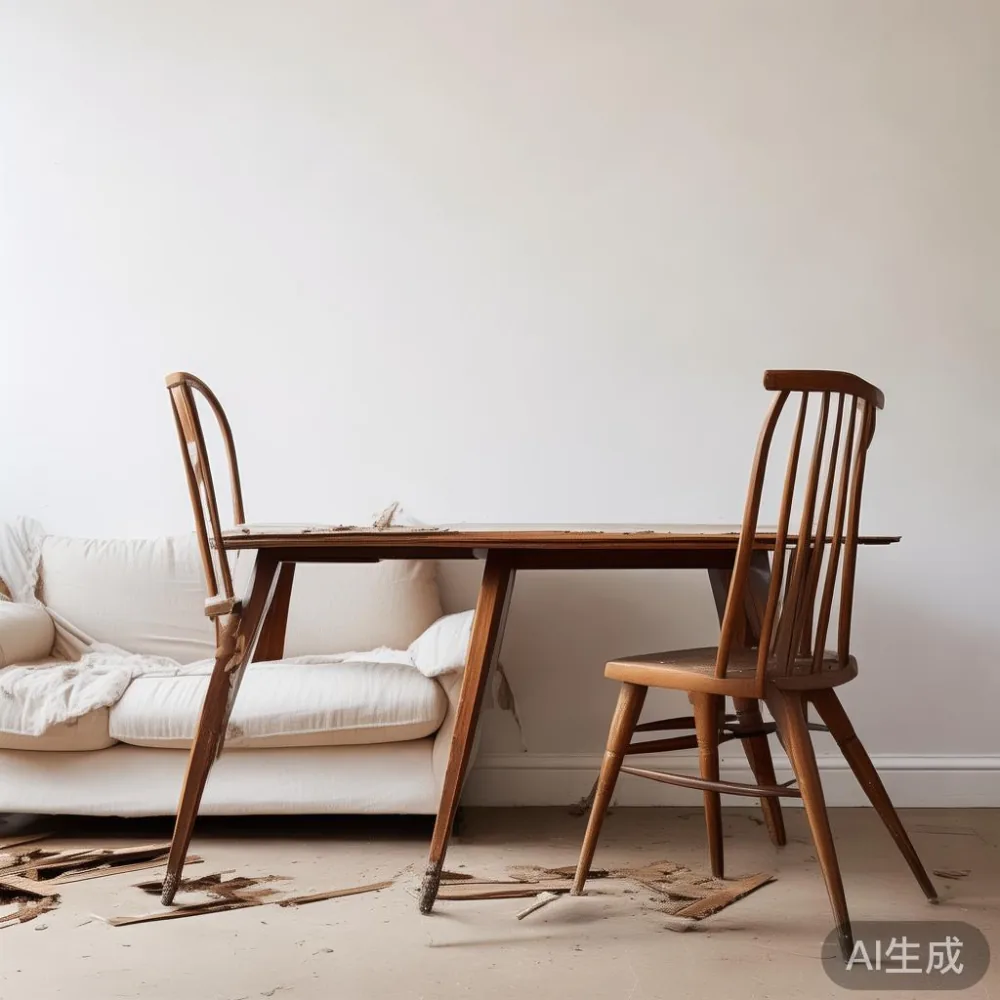
Wood is sold by volume, yet weight affects delivery. A 200 cm solid oak dining table may weigh 68 kg, while an engineered version of similar length might weigh 42 kg. That 26 kg difference can affect labour, freight and shipping damage risk. A table weighing 58 kg also needs a properly rated four-person team, rather than a two-person delivery attempt.
My colleague at MIDHILL inspected a recent dining table shipment and found that several protective corners had been compressed before the cartons reached the loading bay. The table itself was sound, but the 18 mm laminated top had absorbed moisture along one lower edge. A moisture reading of 11 percent instead of the target 8 to 10 percent showed why sealed edges, desiccants and tighter packaging mattered. The timber was not the reason for the problem; preparation was.
For HDB dining areas, table size should follow both room and access. Reserve at least 90 cm around a table for chairs and movement. In many compact Tampines flats, a 160 to 180 cm table is more practical than 220 cm. A marble table adds another layer: a 180 cm design may weigh 95 kg, so its material is attractive but its handling demands should be considered at purchase.
How much should joinery, hardware and finish add to the price?
A frame held together with visible screws may be inexpensive. Mortise-and-tenon joints, fitted drawers and reinforced corners cost more to build, but they influence service life and repairability. For a bed frame, the headboard, slat support and centre rail should be assessed as a system. A low price may conceal a thin side rail, particleboard slats or a short warranty.
Hardware has a measurable effect. A solid wood wardrobe may include 12 soft-close hinges, 6 wardrobe rails and 2 pull-out trays. Premium hinges can add S$60 to S$180 per unit compared with standard hinges. Drawer runners may add S$35 to S$110 per pair. These figures are more informative than a vague “premium hardware” claim because they let you compare quotations line by line.
Finish is another major variable. Lacquer, oil, stain and matte paint require different preparation and labour. A hand-oiled finish on a 180 cm nightstand may add S$120; a multi-layer matte coating may add S$180 but can be harder to repair locally. Ask what sheen level is expected, how many coats are included and whether a future refinishing service is available. MIDHILL provides lifetime refinishing, which can reduce the long-term cost of scratches and colour changes, although transport and applicable terms should be confirmed.
Post-modern light luxury often combines clean silhouettes with tactile timber, restrained metal and carefully proportioned joints. French light luxury tends to show more shaped profiles and decorative details, while American light luxury commonly emphasises generous scale and performance-led upholstery. Those differences influence labour, but construction quality should remain the priority.
A solid wood sofa may have a timber frame, webbing or springs, foam density, fabric and cushion filling to consider. The comparison between a light luxury sofa vs Italian light luxury sofa is not merely about the name. Check the frame timber, suspension, seat foam density, stitch method and warranty. A European light luxury sofa vs Nordic sofa comparison should include dimensions, fill and removable covers, not just price.
Do dimensions and storage details make a light-luxury piece cost more?
Yes. A larger piece uses more timber, but complexity often adds more than volume. A wardrobe at 180 cm wide, 210 cm tall and 60 cm deep may cost S$2,400, while a 240 cm model with more internal divisions may cost S$4,100. The wider model needs more board material, more rail supports and a stronger lifting plan.
Storage is frequently the reason buyers move beyond a simple appearance-led purchase. Light luxury with storage can justify part of its price when the compartments solve a real problem: hanging space for work clothes, a ventilated section for bedding or a pull-out platform for a Temporary flat. Internal accessories such as 6 hooks, 2 trouser racks, 1 LED strip and 3 shelves can add S$250 to S$700.
For a bed frame, compare the headboard height, rail length and under-bed clearance. A queen bed frame with 1,400 mm by 2,000 mm mattress space may weigh 54 kg. A platform version with hydraulic storage may weigh 76 kg and cost about S$900 more. That difference is reasonable if the storage is used, but excessive. For a 12 m² bedroom in a Punggol flat, a frame with 28 cm of under-bed clearance may offer more practicality than a taller decorative base.
Material combinations also change price. A marble table with a solid wood base can cost S$2,200 to S$4,800, depending on marble type, thickness and edge treatment. Natural stone slabs vary, so a photograph of the actual pattern should be provided. A nightstand with a marble top may cost S$680, while an all-wood version may cost S$420. In high-humidity environments, the top, cabinet and wall should not be assumed to move at the same rate.
The American bed vs French provincial bed comparison illustrates the issue. An American-style bed may favour straight lines, broad headboards and sturdy rails, while French provincial for bedroom designs often introduces curved heads, carved details and layered finishes. The carved version can require 14 to 22 extra hours of work. A French provincial bed may therefore cost S$2,500 while a similarly sized American bed costs S$1,900.
How do Singapore delivery, GST and access change the real price?
A showroom price is rarely the amount carried to your home. GST adds 9 percent to most Singapore sales. A S$3,000 solid wood bed frame becomes S$3,270 including GST. Delivery to a ground-floor HDB unit might add S$80; a lift-access unit in Bedok might add S$120; and a upstairs unit without a usable lift could add S$180 to S$320.
Measure the route before ordering. Record lift door width, internal cabin depth and cabin height. A common residential lift offers an 80 to 90 cm door, a 110 to 140 cm cabin depth and a 210 to 230 cm height, but building specifications vary. A 220 cm wardrobe carton cannot turn upright inside a 210 cm lift, so it may need to be angled or partly unpacked. A 235 cm solid wood sofa carton may have the same issue.
Corridor width matters just as much. If the narrowest turn is 100 cm and the sofa is 232 cm long, one end may need to pass through vertically. Tight corners can scrape doors and walls, creating damage that may or may not be covered by the seller. Staircases add labour: a 3rd-floor walk-up without a lift can add S$220, while a 12th-floor condo with lift access may add S$160 to S$300 depending on distance from the loading area.
Shipping damage can be reduced through better packaging and route checks, but no furniture company should promise that every delivery is risk-free. Ask whether the quotation includes delivery, assembly, removal of packaging and protection for corners. Also confirm the reporting window and evidence required for a claim. Photographing the carton, pallet and final placement helps with a 24-hour inspection.
MIDHILL offers free shipping over US$350, which is useful for international orders, but Singapore buyers should still request an all-in quotation. Confirm whether SGD 350 refers to the order value before or after GST, and which delivery locations are included. For local HDB homes, a proper lift and corridor assessment should be part of the order conversation.
Is under 2000 Japandi furniture good value?
Budget furniture can be sensible when the construction is transparent and the dimensions fit the room. A search for under 2000 Japandi furniture may lead to tables below S$2,000, but the broad category includes very different specifications. A 160 cm oak dining table at S$1,680 may use solid oak, finger-jointed components and a clear finish. Another table at the same price may use a mix of solid wood and engineered panels.
Japandi styling usually relies on pale timber, restrained forms and uncluttered space. A S$1,900 solid wood sofa with removable covers may suit a compact Tampines living room more effectively than a wider imported model. Check whether “solid wood” applies to the whole frame or only exposed parts, and ask for the frame construction and seat specifications in writing.
Compare price per useful feature, not just the ticket. If two nightstands cost S$390 and S$520, determine whether the more expensive unit has solid drawer boxes, better slides and a finish designed for easier repair. If a dining table costs S$1,450 but includes extension leaves and stronger legs, it may offer better value for everyday use than a S$1,650 model without them.
One MIDHILL sofa quotation I reviewed included a solid wood frame, removable seat covers and protective corner packaging. The higher specification did not make the piece luxurious in itself, but it gave the buyer clearer maintenance and replacement options. That is the kind of value a rational budget should support.
What warranty and service terms should you compare?
A 10-year structural warranty can provide meaningful protection if it covers frame joints, bed supports and the main structural elements. Read what is excluded. Upholstery, finish, drawer runners, electrical parts and accidental impact may have different terms. A warranty is only as useful as the process behind it, so ask how a claim is submitted and who pays for transport or repair.
Lifetime refinishing is another relevant factor. Scratches happen around dining tables, nightstands and bed frames, and a refinishing service can extend appearance without a full replacement. Confirm whether the service is free, whether there are material or colour limitations, and how long the process takes. It is better than assuming every mark can be erased.
Returns also affect the real price. A 14-day return window can reduce commitment risk, yet a solid wood bed frame or wardrobe may require special pickup arrangements. Ask about restocking fees, return freight, assembly charges and whether the original packaging must be retained. Marble tables and solid wood dining tables are often less straightforward to return than smaller assembled items.
Finally, compare quotation clarity. A useful document should state the item dimensions, species, finish, frame details, storage components, delivery charge, GST, expected delivery window and warranty. If a seller omits basic specifications, the lower price may simply conceal uncertainty.
What should a careful buyer ask before paying?
Ask six direct questions. Which wood species is used, and where? How much is solid timber rather than veneer or panel material? What are the external and packing dimensions, and what is the net weight? What joinery, suspension, drawer runners and surface finish are included? Is delivery and assembly quoted separately? What warranty and shipping damage process apply?
Measure the home and photograph the access route on the same day the order is scheduled. Check the lift, turning corners, stair landing and parking distance. Leave approximately 20 cm of working space around large furniture wherever possible. For a marble table, organise at least 3 people and a suitable trolley; for a 68 kg dining table, use 4 people.
The price of solid wood furniture reflects a chain of decisions, not a single label. Species, machining, joinery, finish, hardware, dimensions, storage, delivery and after-sales care all contribute. In Singapore, access planning and GST can turn a attractive showroom figure into a less attractive delivered figure, while inadequate packaging can create shipping damage before the furniture even reaches your door.
Choose the construction that fits your daily use, request clear specifications, and confirm the complete delivered cost. That approach makes “light luxury” a style and service proposition rather than a substitute for sound construction.