Lacquered Solid Wood Furniture in Singapore: A Practical Care Guide
Lacquered furniture can look beautifully restrained in a Singapore home: a pale solid wood dining table under warm downlights, a French light luxury bed in a Tampines HDB flat, or a walnut wardrobe fitted into a compact Punggol bedroom. The finish may appear simple, but lacquer responds consistently to heat, humidity, sunlight, lifting, and delivery handling. Good care does not require specialist equipment; it requires a few measured habits and early intervention.
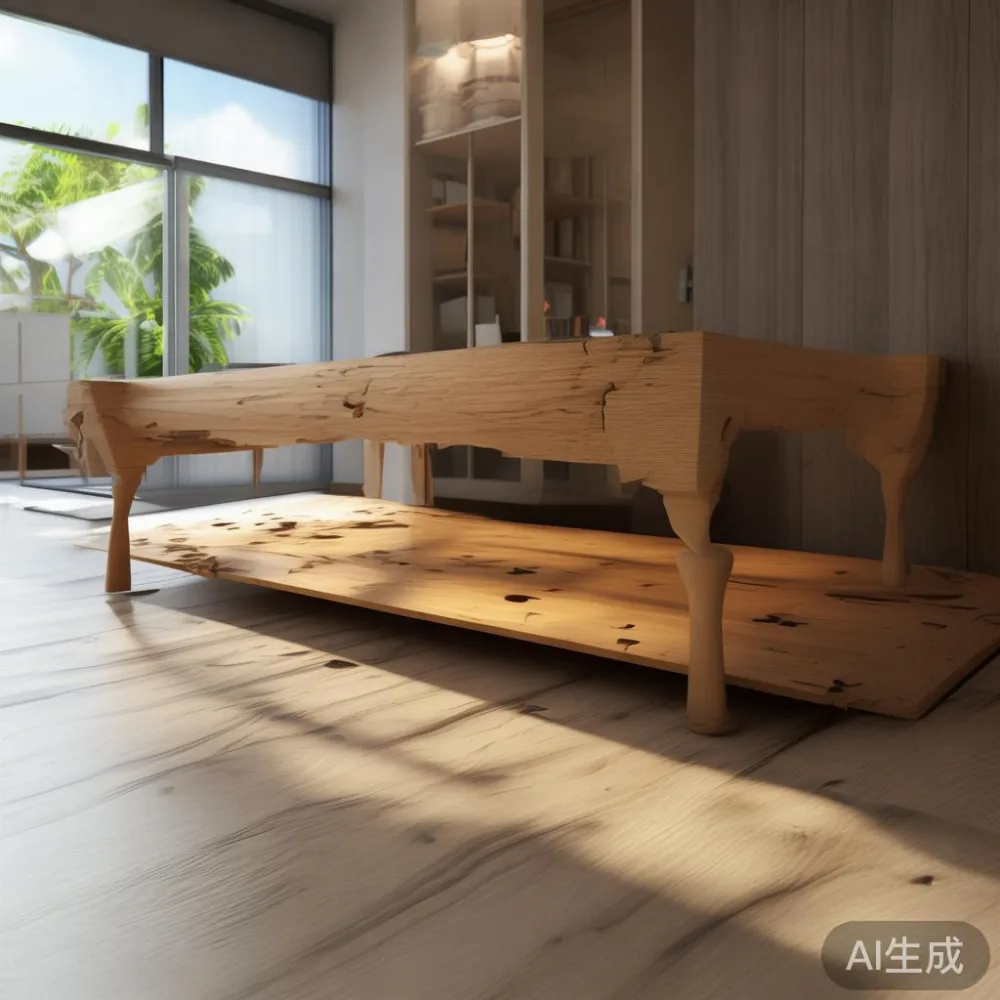
Singapore’s relative humidity commonly sits around 70% to 85% during wet periods, while midday sun can heat a west-facing condo window by more than 15°C within an hour. These conditions can affect lacquer even when the underlying timber is well made. At MIDHILL, we build lacquered pieces around solid wood construction, offer a 10-year structural warranty, and include lifetime refinishing. This guide explains how to preserve that surface while keeping practical details such as corridor widths, lift dimensions, GST, delivery days, and returns in view.
What Is Lacquer, and Why Does Singapore Humidity Matter?
Wood lacquer is a clear or tinted coating applied in thin layers and cured for protection. The film can give a solid wood dining table a deep gloss, a matte tactile quality, or a softly reflective finish. Lacquer is not impervious. It can develop fine surface marks, lose sheen, or show moisture-related changes if exposed to repeated dampness and heat.
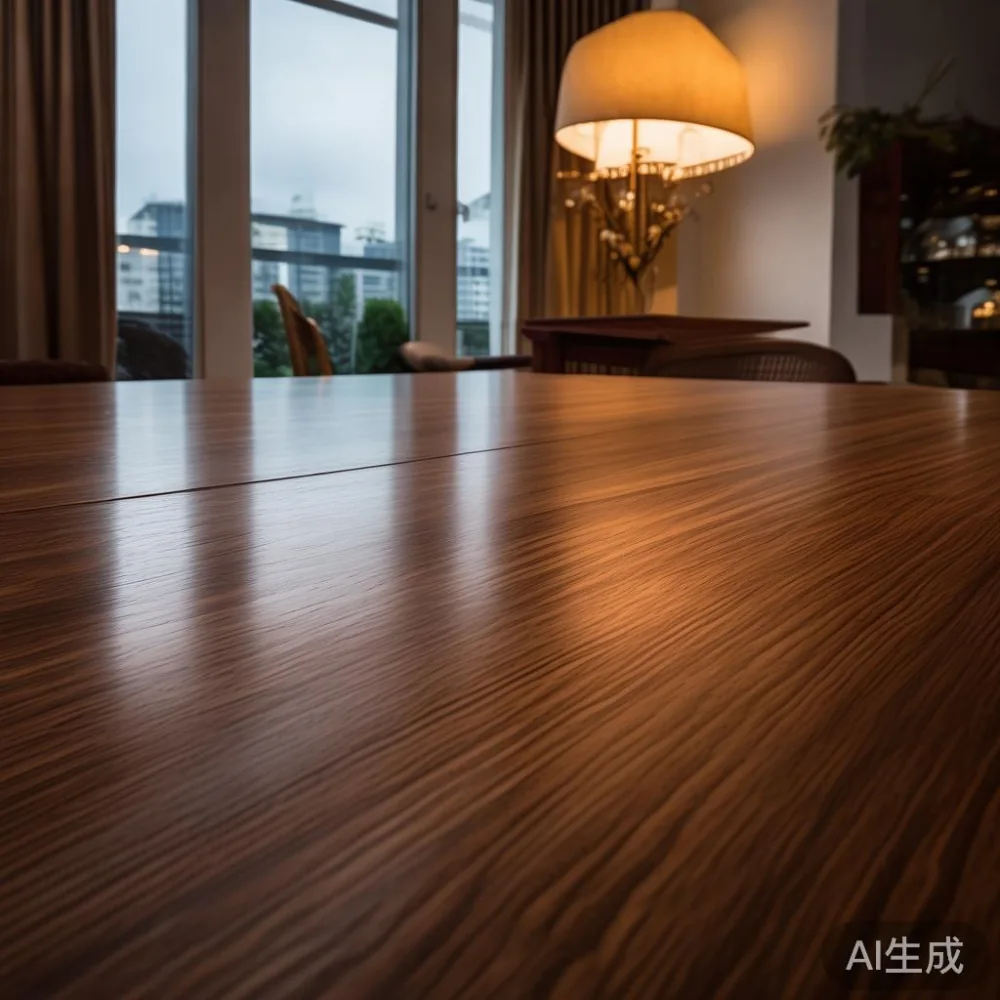
Tropical humidity does not automatically ruin lacquered furniture. Air movement matters. A bedroom with an open window, cross-ventilation, or a dehumidifier set to 50% to 60% relative humidity gives the coating a more stable environment. In contrast, a wardrobe positioned directly beside a bathroom, a nightstand pressed against an unventilated balcony wall, or a lacquered bed frame under a tightly fitted sliding window may face persistent condensation risk.
Singapore’s HDB layouts also introduce physical constraints. A sofa box of 210 cm by 88 cm by 62 cm can fit many HDB lift cars, but a larger carton may need to stand on its end. A dining table package of 180 cm by 100 cm by 14 cm should be checked against the corridor turning radius and lift door width before delivery. These logistics matter because shipping damage is often concentrated at corners, edges, legs, and packaging seams rather than across broad panels.
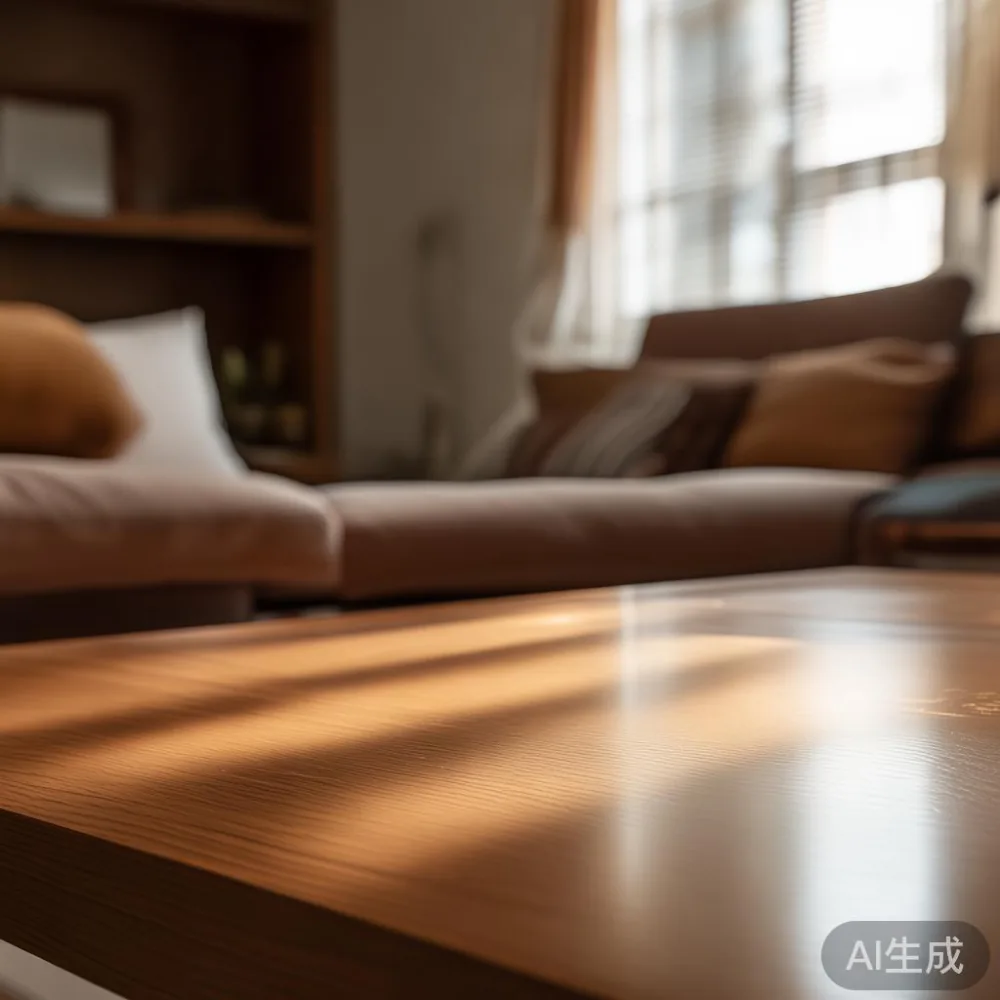
Before accepting a lacquered piece, inspect all 6 sides, including the underside. Check 4 corners, 2 long edges, 2 short edges, legs, handles, doors, and any marble table section. Photograph the furniture before the courier removes the packaging. That record can help distinguish a factory finish issue from transit damage.
What Should I Do in the First 48 Hours After Delivery?
Do not rush a lacquered dining table, bed frame, wardrobe, nightstand, or solid wood sofa into its final position until the packaging has been removed and every area has been inspected. Leave the piece in a dry, ventilated room for at least 24 hours if it travelled during a rainstorm or was stored in a damp van. If protective film remains, keep it on for 48 hours unless the supplier instructs otherwise; pulling it off too soon can drag dust or create a faint adhesive line.
Measure the intended route before moving the item indoors. Typical HDB lift openings are about 90 cm wide and 140 cm deep, while lift-car dimensions and corridor turns vary by block. A 220 cm wardrobe carton cannot turn through a 90 cm opening merely because its narrow face fits; the diagonal and hand clearance count. For condo deliveries, ask the building manager about service-lift booking, floor-protection rules, and the permitted moving window.
Use 4 people for a lacquered bed frame weighing 65 kg or more. Lift from the structural rails rather than pulling a door or decorative panel. Keep 3 cm between the furniture and the wall where possible. This permits airflow behind a wardrobe and reduces trapped humidity. Do not place a lacquered nightstand against a hot wall or directly below a window air conditioner: condensation can be heavier than expected.
Do not attempt to correct a dent, split corner, or chipped lacquer during initial unpacking. Place a protective layer over the piece and contact the supplier. Shipping damage should be documented with clear photographs, dimensions, and the delivery note. MIDHILL provides a 14-day return window, and delivery over US$350 qualifies for free shipping under the stated offer, though local GST and any accessorial charges should still be confirmed at checkout.
How Should I Clean a Lacquered Surface?
For routine cleaning, use a soft lint-free cloth, warm water, and 2 to 3 drops of mild pH-neutral dish soap in 1 litre of water. Wring the cloth until it is damp, not wet. Wipe in the direction of the grain, then use a second dry cloth to remove moisture. Avoid spraying cleaner directly onto lacquer, because liquid can travel along joints and into grain.
A lacquered solid wood dining table may be wiped daily, but it should not be scrubbed aggressively. Test any cleaner on a 10 cm square hidden area and wait 24 hours. Steel wool, abrasive pads, scouring powder, and household ammonia can dull the sheen. Alcohol-based cleaners may be unsuitable for some lacquer formulations, particularly where the supplier recommends a specific care product.
Spills should be removed within 15 minutes. Blot water, juice, wine, and oil rather than rubbing. If the finish feels tacky, stop using further moisture and contact the maker. For a marble table, use a pH-neutral cleaner and coasters; acid from citrus, wine, and some cleaning products can etch the stone. A protective mat should be roughly 40 cm by 30 cm beneath a warm kettle or sauce bottle, with 5 cm clearance from a marble edge.
Never use a steam cleaner within 30 cm of lacquered wood. The moisture and heat can soften an aged coating. Likewise, keep humidifiers at least 1 metre away from a wardrobe or bed frame. If a dehumidifier is needed, aim for 50% to 60% relative humidity and place it in the room, not immediately against furniture. Position the air outlet upward to distribute air without directing dust at a lacquered surface.
How Do Sunlight, Air-Conditioning, and Heat Affect the Finish?
UV light can fade pigment and alter the perceived tone of lacquer. A dining table near a west-facing window in Bedok may receive direct afternoon sun, while a bed frame in a Punggol condo may sit beside floor-to-ceiling glass. Apply a UV-filtering window film with a visible light transmission of 40% to 60%, or use curtains that keep direct rays off the furniture while preserving daylight.
Allow 60 cm of air circulation around a freestanding wardrobe where space permits. A built-in unit should have its back ventilated according to the installation instructions, with at least 5 cm clearance from damp masonry where feasible. Do not block the return-air grille behind a nightstand; poor room circulation can leave lacquer exposed to humidity and condensation.
Air-conditioning itself is useful because it lowers humidity. Sudden temperature changes are the concern. Move a lacquered sideboard away from a vent if cold air blows continuously onto it, and do not place a wardrobe beside a bathroom where hot showers create steam. In a corridor without air-conditioning, a moisture meter reading above 70% is a signal to improve ventilation or run a dehumidifier.
Use felt or cork pads beneath every lacquered leg. The pads should be at least 5 cm square and replaced when compressed. Rubber feet without cushioning can shine or stick to a finished floor. Lift rather than slide a solid wood sofa or dining table. Dragging can stress joints and leave scuffs that can be mistaken for finish failure.
What Is the Best Way to Store Furniture During Humid Months?
Storage should be dry, ventilated, and protected from pests. Raise pieces on pallets or battens at least 10 cm above the floor rather than leaving them on bare concrete. Maintain 5 cm between stacked cartons, and avoid wrapping lacquered furniture tightly in plastic for more than 7 days. The wrapping can trap condensation.
For long-term storage, remove detachable drawers and keep them slightly open. Check every 30 days for mould, musty smells, or surface moisture. A wardrobe door should not be latched for months, as minor movement of the building and trapped air can create pressure marks. Keep silica gel in enclosed cupboards but replace it when it becomes saturated.
Packing materials deserve equal care when returning or relocating furniture. Use foam corner guards, 5 cm edge protection, and double cartons for lacquered panels. Label at least 4 sides with the room, orientation, and handling symbols. For a marble table, separately mark “this side up” and reinforce the frame. If a shipment records shipping damage, preserve the outer carton because it demonstrates how the load was protected.
Plan deliveries for 3 to 7 business days after confirmation, subject to stock and destination. In Singapore, local GST is 9% on eligible goods and services. For a condo, request a loading-bay slot and check whether the building requires a move-in form. For an HDB flat, reserve the lift and keep the route clear of shoes, bicycles, and refuse bins. Good access reduces the chance of a lacquered corner striking a handrail.
Can Light Luxury Furniture Work in a Compact HDB or Condo?
Yes, provided scale and sheen are controlled. Light luxury is not about filling every wall with large furniture. A 160 cm French light luxury bed in a 300 cm-wide room can leave 70 cm on each side, although a 40 cm passage on one side may be more practical. A 140 cm bed offers more clearance and suits many HDB bedrooms.
When comparing a Japanese bed vs French provincial bed, consider both profile and maintenance. A Japanese bed uses a lower, calmer visual language and often leaves more floor area visible; a French provincial bed introduces more shaped detailing, which requires careful cleaning around edges. For “how to style light luxury bed in room,” use 2 coordinated lamps, 1 soft rug at least 150 cm wide, and curtains extending 20 cm beyond the window frame.
A comparison of a European bed vs Italian light luxury bed should focus on construction and service rather than labels. Verify that the bed frame uses solid timber or a clearly specified engineered structure, that slats are no more than 8 cm apart for most foam mattresses, and that fixing hardware is included. MIDHILL’s 10-year structural warranty provides a defined layer of reassurance, while lifetime refinishing supports long-term care of eligible wood surfaces.
For wardrobes, “how to style European light luxury wardrobe in apartment” can mean pale oak, restrained brass hardware, and full-height doors rather than excessive ornament. Leave 75 cm in front of sliding doors and 90 cm in front of hinged doors. For dining rooms, a search phrase such as “Rustic for dining room” may point towards visible timber and stronger grain, but a lacquered finish should still use matte or satin sheen to reduce visual glare under Singapore lighting.
Hospitality projects offer another useful reference. The phrase “light luxury for hotel” should not mean glossy surfaces everywhere. In rooms and public areas, select durable coatings, replaceable hardware, and washable fabrics. A compact nightstand with a drawer opening of 30 cm may suit a serviced apartment more than a deep cabinet. Marble tables can work in a hotel lounge, but sealing and coasters remain necessary.
How Do I Repair Small Marks, and When Should I Call a Specialist?
Minor dust can be removed with a dry microfibre cloth. Light scuffs may respond to a manufacturer-approved polish used sparingly with a white cloth. Apply no more than the size of a 5-cent coin, then buff for 2 minutes. A polishing cloth should not be used on marble unless it is explicitly approved for stone.
Do not use toothpaste, baking soda, cigarette ash, or furniture polish containing silicone. These materials can create an uneven glossy film. A heat gun or hairdryer should not be used to soften lacquer; the wood can dry, split, or darken long before the coating responds.
Contact the supplier when a mark covers more than 5 cm, a corner is chipped, a panel has lifted by more than 2 mm, or a change appears across several square metres. Clear lacquer can sometimes be spot-treated, but colour matching requires controlled work. Do not apply a clear topcoat from a hardware store, because its chemical compatibility and sheen may differ.
Before any refinishing request, photograph the area in daylight and with a 10 cm ruler for scale. Note the humidity reading, room temperature, incident history, and approximate date of purchase. If the issue is shipping damage, include photographs of the packaging and delivery condition. Those details help MIDHILL determine whether the finish can be maintained, spot-repaired, or refinished under its lifetime refinishing policy.
For Singapore homeowners, the most effective care system is simple: keep relative humidity near 50% to 60%, avoid direct sun, clean with a damp cloth, protect hot objects, inspect deliveries carefully, and respond within 15 minutes to a spill. Those habits preserve the elegance of a solid wood sofa, bed frame, dining table, wardrobe, nightstand, or marble table without turning maintenance into a specialist task. For current dimensions, care instructions, GST-inclusive pricing, delivery timing, and warranty documents, consult the relevant product page or contact MIDHILL directly through its support channels.