Avoiding Shipping Damage: Care Tips for Lacquered Furniture
Singapore’s heat and humidity can make lacquer care surprisingly demanding. In an HDB flat in Tampines, afternoon light may lift the living-room temperature to 31°C even with the windows partly open. In a high-rise condominium in Bedok, corridor air-conditioning may keep the lift lobby at 24°C, but furniture can still encounter dampness, sudden temperature changes, fingerprints, dust, and repeated handling during delivery. Lacquer looks glassy under warm downlights, yet its long-term appearance depends on controlled cleaning, stable placement, and careful inspection after transport.
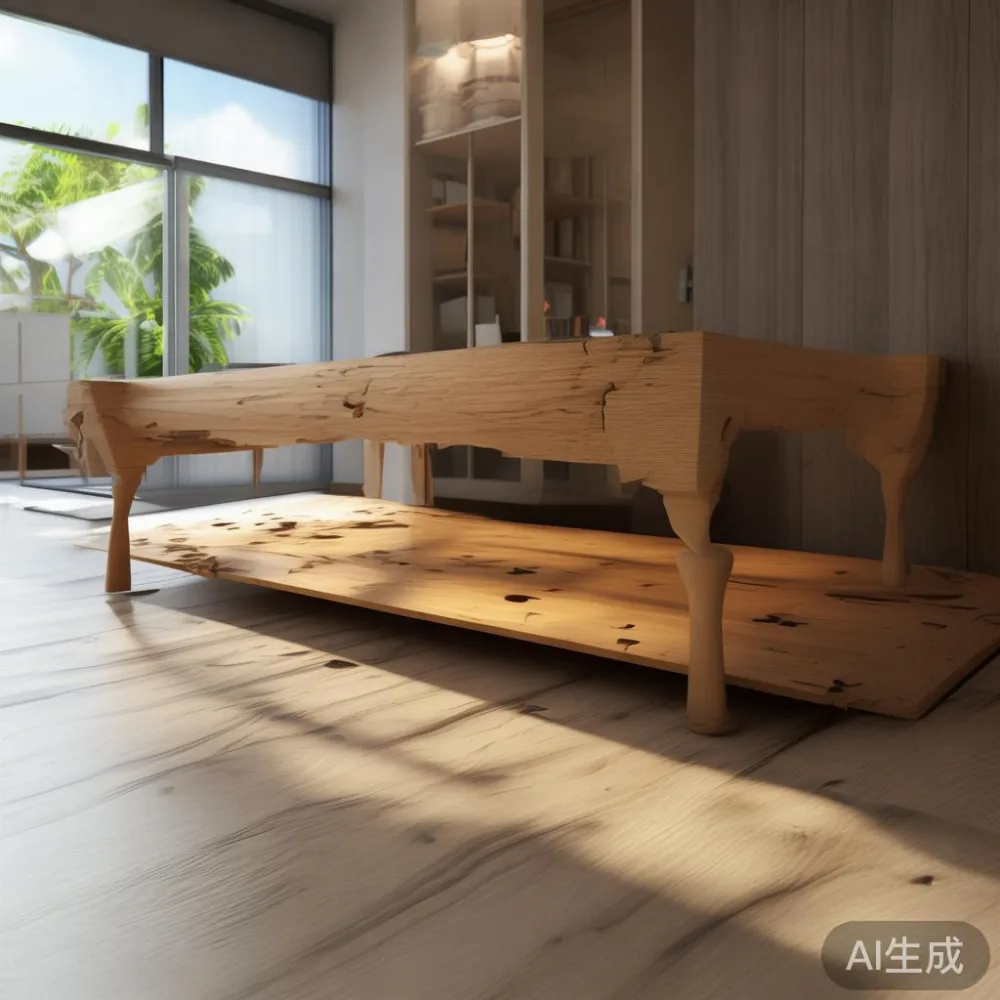
This guide applies to lacquered and lacquer-finished solid wood furniture, including a solid wood sofa, bed frame, dining table, wardrobe, nightstand, and marble table with a protected lacquered base or surround. The goal is not to replace the finish every few months. It is to preserve colour, sheen, and surface regularity with a simple routine measured in minutes.
MIDHILL designs lacquered furniture with the visual restraint associated with French light luxury and American light luxury: pale tonal fields, fine edges, restrained hardware, and quiet proportions. Those same qualities are compatible with post-modern light luxury, where a clean plane meets a practical function. In Singapore, restraint is useful because a flawless dining table or calm bedroom wall also makes a compact interior feel more ordered.
How does Singapore’s climate affect lacquer after delivery?
Heat expands wood and can stress lacquer if a surface is baked repeatedly. Humidity affects the timber and may influence adhesive lines or veneer movement. A cabinet positioned beside an air-conditioner vent can alternate between about 20°C and 30°C within one day. Rapid surface changes may produce visible sheen differences that a careful eye can notice across a large panel.
Airborne particles settle more readily on cool, smooth surfaces. Coastal air, construction dust, and open windows can introduce fine grit. A wipe may move that grit across the finish, leaving micro-scratches. Pets add another variable: a cat’s claws can mark a lacquered nightstand, while sunscreen, hand cream, and perspiration can create translucent marks around frequently touched areas.
Shipping damage is a separate concern from normal ageing. During delivery to a Punggol flat, a wardrobe may travel through a lift opening measuring only 90 cm wide and a corridor around 140 cm wide. Tight turns, trolley wheels, repeated contact, and an impact to one corner can chip lacquer even when the internal frame remains sound. Photograph each face before delivery, inspect edges immediately, and record any shipping damage before removing protective packaging.
MIDHILL provides a 10-year structural warranty and a lifetime refinishing service, but the finish still benefits from sensible care. Keep receipts, finish samples, and care instructions with each item. A 2-year care record—monthly cleaning, quarterly edge checks, and an annual humidity review—makes it easier to distinguish household wear from transit damage.
What should I do before a lacquered item enters the flat?
Let furniture acclimatise before wiping or assembling it. A sealed dining table or wardrobe may need 24 to 48 hours after delivery, especially if it has travelled from a cooler vehicle or warehouse into a warm home. Keep it away from direct air-conditioning vents for at least 1 metre. Do not place a freshly delivered piece beside a window receiving 8 hours of direct afternoon sun.
Measure route points before the day of delivery. Check the lift door, lift car, landing, stair turns, and the intended room. For furniture above 20 kg, arrange at least 2 capable handlers. For a tall wardrobe above 80 kg, use 3 handlers or professional movers. A lift interior of 200 cm by 140 cm may fit the carton but still leave too little turning space for a rigid cabinet.
Remove shoes, rings, watches, and loose keys from cleaning areas. Use a clean cotton cloth rather than household paper towels, whose embedded fibres can scratch. Vacuum upholstery with a soft brush before treating lacquered timber. For a marble table, avoid acidic liquids because they can dull stone even when the lacquered edge is protected.
Delivery timing also matters. Book a 2-hour receiving window and request a dry day if rain is likely. Do not sign away visible shipping damage because the outer carton looks intact. Photograph 6 faces, 4 corners, and 2 contact edges at 1 megapixel or higher. Note “shipping damage” on the delivery record and keep protective film until the item is in its final position.
Which cloths, cleaners, and temperatures are safe?
Use a two-cloth method. The first cotton or microfibre cloth carries the diluted cleaner; the second dry cloth removes residue and dries the surface. Prepare approximately 30 ml of pH-neutral wood cleaner in 500 ml of lukewarm water. Test it on a hidden 10 cm by 10 cm area and wait 24 hours. Do not assume a stronger cleaner gives a better result.
Keep water away from joints, seams, and edges. Spray the cloth, not the furniture. Wipe with the grain in straight passes rather than circular motions. Use 2 firm strokes per section, then inspect under the room’s normal lighting. For a lacquered dining table, clean at least 30 minutes after meals and again weekly; for a wardrobe, wipe high-touch handles every 7 days; for a lacquered bed frame, check rails and headboard edges monthly.
Avoid silicone, ammonia, degreaser, alcohol-heavy products, and abrasive pads. They can haze lacquer or attack its top coating. Do not use a steam cleaner within 60 cm of the finish. The surface should stay comfortably below about 35°C. Never place a hot mug directly on lacquer unless a protective mat is used; a 90°C cup can leave a ring or soften the finish locally.
For a European light luxury coffee table or a sculptural side table, the cleaning rule is the same. Marble needs special caution: use a stone-specific pH-neutral cleaner at roughly 10 ml per 1 litre of water, then dry immediately. Marble is not a surface for vinegar, lemon, cola, or acidic bathroom cleaners.
How often should a solid wood piece be maintained?
Create a schedule that reflects use, not just calendar dates. A solid wood sofa in a quiet Bedok study may need upholstery vacuuming weekly and frame wiping every 2 weeks. A dining table in a family condominium may need daily crumb removal, 3 weekly cleaning sessions, and a monthly polish check. A wardrobe in a humid Punggol bedroom should be inspected around hinges, kickboards, and corners every 30 days.
Use a dry cloth for daily maintenance and a lightly damp cloth every 1 to 2 weeks. A lacquered nightstand should be checked monthly for rings, nail marks, and raised edges. Apply a manufacturer-approved maintenance product only at the stated interval—often every 6 to 12 months for lacquer—because overapplication can create a cloudy film.
Season the room rather than repeatedly polishing the object. Keep relative humidity near Singapore’s practical interior target of roughly 45% to 60% where the building allows it. Use a dehumidifier only when readings exceed about 60% for several hours. Do not aim for an artificial 40% all year; timber should not be dried aggressively.
Position lacquered furniture at least 50 cm from windows that open regularly, 1 m from heating vents, and 30 cm from bathroom doorway thresholds. These distances reduce condensation and heat exposure. For a bed frame, leave space behind the headboard for airflow. For a wardrobe, avoid wall-to-wall contact if a gap of 2 cm is practical.
Can sunlight ruin a lacquered finish in a Tampines flat?
Sunlight can fade colour and make some lacquered surfaces look uneven. A west-facing room may receive stronger late-afternoon light than a north-facing room, while reflective glass can intensify heat. Draw blinds or sheer curtains during peak hours. If a dining table sits under a window, use a UV-filtering curtain rated for at least 40% visible-light transmission and rotate the table only if its construction permits.
Do not place pale bedding or paper against a dark lacquered wardrobe for long periods. Textile dyes and dust can leave transfer marks. Check a hidden area every 90 days. If a finish develops persistent haze, blistering, or a wrinkled edge, stop using generic cleaners and request a finish assessment. Blisters larger than 5 mm, peeling at 2 separate edges, or a smell indicating trapped moisture should be documented promptly.
For a bedroom, lighting should support the calm visual language of light luxury for bedroom furniture without adding unnecessary shine. Warm 2700K to 3000K lamps reveal small scratches more gently than harsh 5000K lighting. Dimmers set around 30% to 60% are useful for evening use, but they do not replace shade material or UV control.
How can I distinguish lacquer wear from shipping damage?
Normal use usually produces gradual changes on exposed contact areas: fingerprints near handles, slight dulling where elbows pass, and small marks around a nightstand cup ring. Shipping damage tends to appear as fresh chips at corners, pressure marks along a carton edge, cracks near a rail, or a panel that is out of alignment. A fresh chip exposes lighter material beneath the surface and should be photographed before touching it.
Do not sand or fill a damaged edge without checking the finish system. A 2 mm chip may need a colour-matched touch-up, while damage exceeding 10 mm or extending through multiple lacquer layers may require a panel replacement. Keep the item away from traffic until the repair plan is known. For stone-topped furniture, also check whether the issue is in the lacquer, marble, substrate, or joint.
Document delivery condition with dated photos. Include a ruler showing scale, the item’s serial number, and the room where it stands. Note the lift and corridor conditions if relevant. If the damage occurs while furniture is being moved within a flat, clarify responsibility before repair work begins.
For consumers comparing purchases, is European wardrobe worth it? Evaluate the storage system, frame construction, hardware, delivery terms, and after-sales support rather than relying on a country label alone. A European light luxury wardrobe may offer well-proportioned compartments and refined finishes, but local fit matters in compact HDB rooms. Measure a 60 cm wardrobe depth against the available wall and confirm that drawers can open through a 90 cm corridor or tight landing.
What should happen before signing for furniture in a condo?
Inspect before the delivery team leaves. Check the solid wood bed frame for level joints, the dining table for a stable base, the wardrobe for aligned doors, and the sofa for loose cushions or frame movement. Open and close every drawer 3 times. Run a clean cloth over lacquered surfaces and look for grit, haze, dents, and fresh marks.
Confirm that cartons were protected at corners and that no item was dragged across a floor. For shipping damage involving a lacquered face, photograph the area under 2 lighting angles. Ask the delivery team to note the condition on the receipt. MIDHILL offers 14-day returns, but returning an item with newly created damage can complicate assessment, so immediate reporting remains important.
Free shipping over US$350 applies to qualifying orders, while Singapore purchases are shown in SGD. Delivery days should be confirmed rather than assumed; a typical receiving appointment may range from 1 to 14 days after dispatch, depending on stock and route. For a large wardrobe or bed frame, provide access details, lift dimensions, parking notes, and a named contact who can approve placement.
What is a practical tropical-climate care routine?
Each morning, remove crumbs and check for standing moisture. At night, use coasters, coasters sized at least 5 cm larger than a cup base, and avoid placing damp laundry against lacquered panels. Once a week, vacuum with a soft brush and wipe high-touch surfaces. Monthly, inspect 8 zones: tabletop centre, table edges, wardrobe doors, handles, bed rails, nightstand corners, sofa arms, and marble-table edges.
At the 3-month mark, review humidity, sun exposure, and ventilation. Replace a dirty cleaning cloth rather than rinsing it repeatedly. If the cloth has collected grit over 10 wipes, discard it. Keep care products in labelled containers and away from children and pets. A Singapore household can maintain a coordinated palette by treating a lacquered dining table, bed frame, and nightstand with the same neutral cleaning routine.
Style references such as 2026 Modern light luxury furniture and light luxury furniture china can be useful when planning a room, yet material care remains local. A pale French-inspired dining setting, a post-modern light luxury bedroom, and a compact American light luxury apartment all need the same basic protection: shade, dry wiping, controlled humidity, and careful handling.
After 12 months, photograph the same 6 views under the same lighting. Compare them with delivery records and decide whether refinishing is needed. A well-maintained solid wood dining table may show subtle patina; lacquer should remain even unless a household incident has caused damage. For questions about a specific finish, retain the model name and request technical guidance before applying any product.