Tropical Climate Care: Preserving Lacquered Furniture
Lacquered furniture can look polished and composed in an HDB flat, a Tampines condo, or a compact Punggol home, but Singapore’s humidity, heat, and abundant daylight demand a consistent care routine. A lacquer finish is not a barrier against every environmental change: water rings, trapped moisture, abrasive grit, and shipping damage can still affect appearance or function. The good news is that careful habits can protect a solid wood sofa, bed frame, dining table, wardrobe, or nightstand for many years.
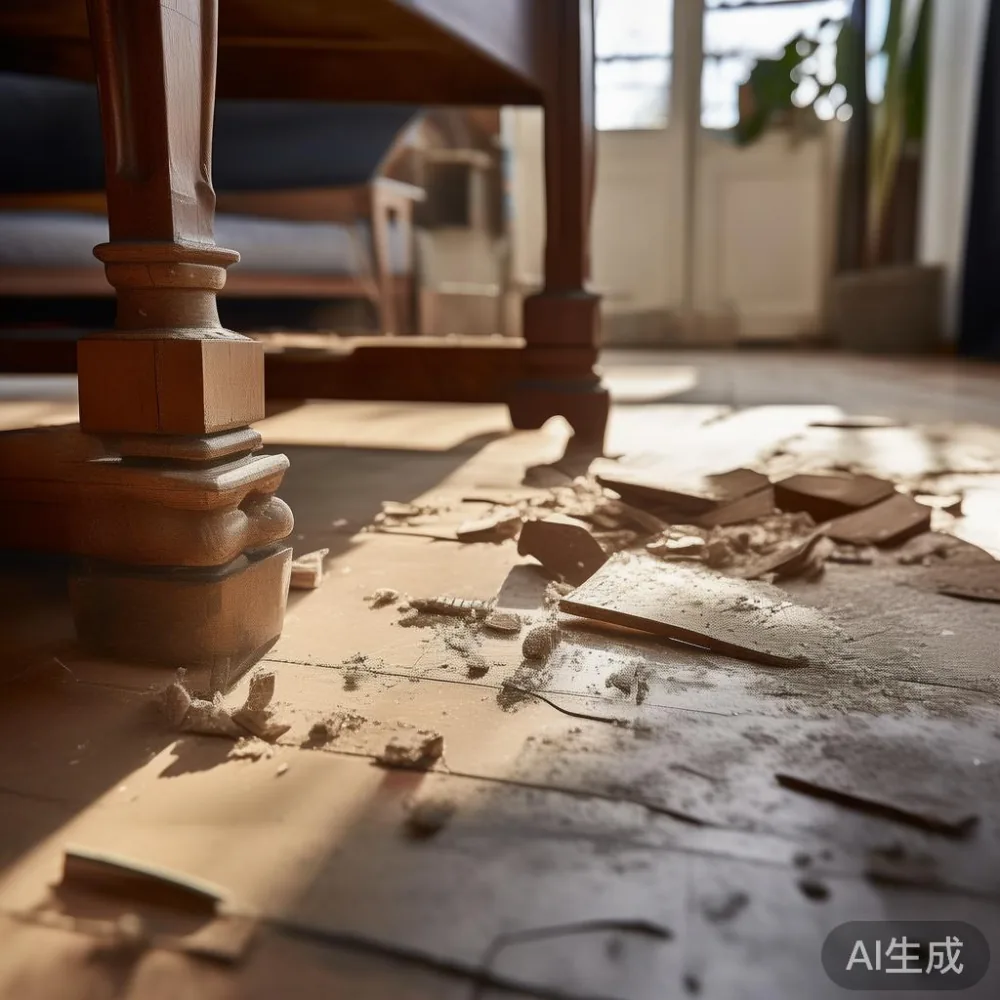
This guide focuses on lacquered surfaces in tropical conditions. It explains what to inspect after delivery, how to clean without stripping the finish, how to control humidity around narrow lift lobbies and shared corridors, and when a lacquered dining table or marble table should receive professional attention.
Why does lacquer need special care in Singapore?
Singapore’s climate creates a demanding combination for furniture. Outdoor relative humidity commonly ranges from about 65% to 90%, while indoor air can remain above 60% for long periods. Temperatures of 27°C to 33°C are normal, and condensation can form on a chilled drink placed directly on lacquer. In an HDB flat, a compact dining area may receive strong morning light while remaining poorly ventilated; in a high-rise condo, air-conditioning may lower humidity near the unit but leave gaps around service corridors, lifts, and loading areas.

Solid wood responds to moisture by expanding and contracting. Lacquer reduces the rate at which the wood exchanges moisture, but it does not make the furniture immune to heat, alcohol, grease, or impact. Prolonged exposure to direct sun can fade colour, repeated wet-dry cycles can encourage lacquer to check or lift, and a damaged coating can expose the timber beneath.
French light luxury, American light luxury, and post-modern light luxury interiors often feature smooth lacquer planes, slim profiles, reflective stone, and restrained hardware. Those surfaces can appear immaculate in a showroom, yet their visual calm depends on disciplined upkeep. A light luxury dining table with a dark finish will show dust, fingerprints, and water marks more readily than a textured or open-grain surface.
How do I inspect a lacquered piece immediately after delivery?
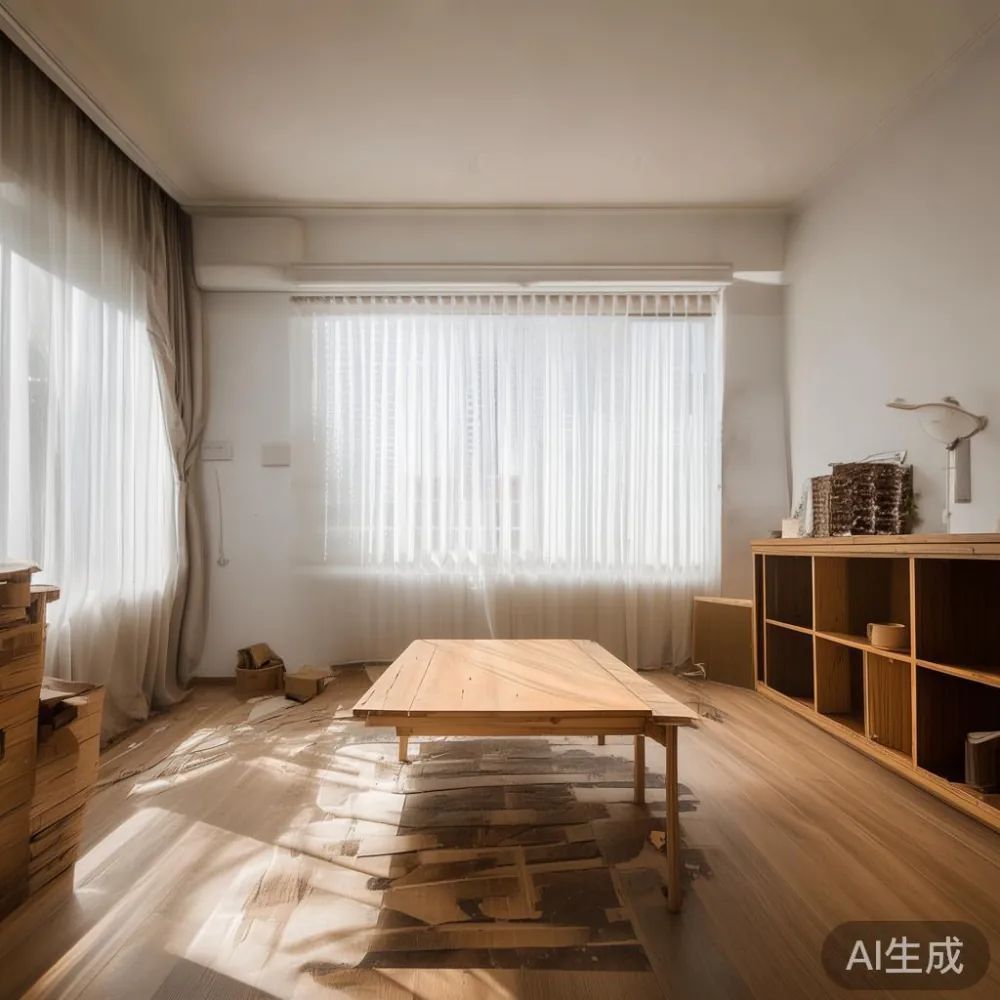
Inspect the furniture before removing its packaging, especially when the route from the loading bay to the home includes stairs, a narrow lift, or a long corridor. Photograph the cabinet, table top, or sofa frame under good light. This record can distinguish pre-existing wear from new damage and is useful if a shipping damage claim requires evidence.
For a dining table, check all four corners, the edges, and the underside. For a wardrobe, examine the door edges, hinge areas, top, and back panel. A bed frame needs attention at the headboard, footboard, joints, and slat supports. Run clean fingers along lacquered edges; a rough patch may indicate a chip, wrinkle, or lifting seam.
Use a soft, dry cloth to remove loose packaging fibres. Do not use a knife, screwdriver, or adhesive tape directly on the finish. If a small area appears cloudy, inspect it again after wiping because moisture trapped under a protective film can create temporary haze. If the lacquer is creased, split, or deeply scraped, photograph it with a ruler beside the mark and contact the supplier before applying a home treatment.
Delivery damage must be documented promptly. Note the date, item name, dimensions of the defect, and the route used. If the furniture was moved through a lift with a door opening of only 80 cm to 90 cm, include a photograph of the lift dimensions when relevant. Clear evidence makes an assessment more precise.
What is the safest way to clean lacquered solid wood?
Start with a microfibre cloth, lightly dampened with plain water. Wring it until no water drips out, then wipe in the direction of the grain or along the length of the panel. Follow with a second dry cloth. The goal is to remove residue, not to soak the lacquer.
For routine cleaning, a small amount of mild dish soap diluted in about 500 ml of water can be used on a barely damp cloth. Test it on a concealed section, such as the underside of a nightstand, for 24 hours. Avoid alcohol, ammonia, bleach, acetone, vinegar, silicone polish, furniture wax, and abrasive cream. These products may leave a patchy film, soften the coating, dull the sheen, or damage the colour.
Spills should be addressed in minutes rather than days. Blot rather than rub. Keep coasters and trivets on a lacquered dining table, use a felt pad under a laptop lamp, and place a protective mat beneath a humid potted plant. Wipe condensation from a marble table quickly, although marble itself is porous and requires a different, stone-safe routine.
Never use a wet cloth on lacquered electrical parts or near power sockets. For a solid wood sofa with upholstered cushions, vacuum the frame and use an upholstery method approved for the textile label; do not assume a lacquered wood base can tolerate a solvent-based cleaner.
How should I control humidity around furniture?
Keep lacquered pieces away from persistent dampness. In a typical Tampines or Bedok flat, maintain indoor relative humidity around 45% to 60% where practical. A digital hygrometer placed near the furniture is more informative than one near an air-conditioning vent or a bathroom wall. Check it in the morning and at night for 7 days before making a purchase.
Leave 5 cm to 10 cm of clearance behind a wardrobe when the wall is exterior-facing, and allow air to circulate around a bed frame and nightstand. Do not push furniture tightly against a cold wall. If the home has persistent condensation, a dehumidifier may help; select a model based on the measured moisture load rather than room label alone.
Sunlight needs a measured approach. A dining table positioned beside a window can receive direct light for 2 to 4 hours daily. Rotate or shift smaller items occasionally, but avoid frequent movement of a heavy dining table, which can stress the legs and floor. Use curtains that transmit light while reducing ultraviolet exposure. Curtains should not touch the furniture because they can trap heat and moisture.
For a compact living room, furniture scale matters as much as care. Searching for Scandinavian for small living room ideas can reveal useful low-profile layouts, but the finish still needs room to breathe. Keep lacquered surfaces away from a tightly packed media console, especially if the unit generates heat.
Can lacquer be repaired, or does every mark need refinishing?
Not every scratch requires a complete refinishing. A fingernail that does not catch a shallow mark may be addressed with a lacquer-safe polishing product, used sparingly on a soft cloth and tested first. A deeper split, lifting edge, or impact scar usually needs a colour-matched repair or professional refinishing.
Do not sand aggressively. Grit paper of 120, 220, 400, and 800 grit may form part of a controlled restoration process, but sanding a finished lacquer layer can create uneven gloss and expose the timber. Deep marks should be assessed by someone familiar with lacquer chemistry and the coating system used on the piece.
Professional care is sensible for a large Italian light luxury sideboard, a high-gloss wardrobe, or a polished dining table with several visible defects. Small nightstands and modest bed frames may be more practical to restore locally. Get a written estimate covering cleaning, colour matching, sheen, curing time, and protection after repair. Allow at least 72 hours for the repaired area to remain free of use unless the finisher specifies another period.
Finish quality also affects repair expectations. Lacquer should resist ordinary household marks, yet sharp objects, dragging feet, hot cookware, and strong solvents can cause damage. A ten-year structural warranty addresses structural failure, not every cosmetic scratch, so day-to-day protection remains necessary.
How can I prevent shipping damage before the furniture reaches my home?
Good packaging reduces shipping damage before a customer opens the carton. Lacquered panels should be separated by soft, non-abrasive material, with corners and edges reinforced. Wardrobes and solid wood sofas need stable internal bracing; dining tables need corner and leg protection that does not concentrate pressure on the lacquer. A marble table requires additional attention because the stone can crack even when its surface appears intact.
Measure the route before delivery day. Record the lift door width, lift car dimensions, corridor turns, stair width, doorway width, and the turning radius required for a long wardrobe or table top. A lift with a 90 cm opening may suit a nightstand but not a 180 cm sideboard. If a large item cannot fit safely, agree on a professional hoisting or assembly plan rather than forcing it through.
Keep the original packaging until the furniture has been inspected and moved into its final position. Cardboard can protect against abrasion and distribute handling pressure. After a careful unpacking, store useful packaging for a possible return within the 14-day return period. If a return is necessary, follow the stated packing instructions so the lacquer is not scratched in transit.
For shoppers comparing silhouettes, European sofa vs Italian light luxury sofa is often a question of proportion, detail, and finish rather than frame construction alone. Likewise, a search for the top 10 Mid-century modern furniture may lead towards tapered legs and clean lines, which still require careful protection in a humid environment. If searching for the best Modern light luxury sofa for 2026, assess the upholstery, frame, finish, dimensions, and warranty as separate features rather than relying on one broad label.
What should I do if lacquer develops bubbles, cracks, or a dull patch?
Stop applying product and identify the cause. Bubbles near an appliance or air vent may indicate heat damage; fine cracks may follow an impact; a dull patch can result from solvent, trapped moisture, or uneven polishing. Place the item away from heat and sunlight while arranging an inspection.
For a small affected area, clean gently with a barely damp cloth and allow it to dry for 24 hours in a ventilated room. Do not press the bubbles, apply a blade, or cover the patch with tape. If the defect remains or spreads, arrange professional assessment. Include photographs taken under indirect daylight and close-ups showing the defect’s size.
I tested a similar care routine last month at my colleague’s flat in Punggol, where a lacquered console stood beside a frequently used lift lobby wall. The unit had collected a pale ring from a wet mug and a fine shipping scuff from its first move. After 10 minutes of gentle cleaning and 48 hours away from the damp wall, the ring disappeared; the scuff remained visible, showing that residue and abrasion require different responses.
How often should lacquered furniture be maintained?
A light dusting every 7 days is sensible in a busy household. Clean visible surfaces every 2 to 4 weeks, and wipe spills immediately. Check humidity readings every 2 weeks during monsoon periods, when refined moisture can persist for days. Inspect lacquered edges after a move, after guests visit, or whenever children and pets are more active around the dining table and nightstand.
Keep a care kit of 2 clean microfibre cloths, a soft brush, a neutral dish soap, a hygrometer, and several felt pads. Avoid keeping the cleaning kit under a sink or in a closed balcony cabinet, where humidity can promote mould. For lacquered dining tables, rotate coasters and check them monthly; felt can compress and trap moisture, so replace damaged pads rather than stacking them indefinitely.
Allow 30 minutes for a cleaned surface to dry fully before placing objects on it. Do not use furniture wax unless the manufacturer confirms compatibility. Do not assume “solid wood” means the visible surface requires no finish care: the lacquer, stain, and topcoat can be more sensitive than the timber beneath.
When is professional furniture care worth arranging?
Arrange professional care when a defect affects a large visible surface, the lacquer is lifting, the repair needs colour matching, or repeated home treatment has reduced the sheen. A dining table with multiple chairs, a wardrobe facing a sunlit exterior wall, and a marble table with edge damage all benefit from a trained eye. Ask for a sample, a treatment plan, and an expected cure time of at least 3 to 7 days.
MIDHILL furniture includes lacquered and solid wood pieces made for export to more than 15 countries. The company was established in 2008 and offers a 10-year structural warranty, lifetime refinishing, and delivery to Singapore. Orders above US$350 qualify for free shipping, while local prices and any GST are confirmed at checkout. The 14-day returns window gives customers time to inspect a piece in its intended room, although shipping damage should still be reported as soon as it is found.
The simplest tropical-care formula is practical: control moisture, limit direct heat and sunlight, clean with mild products, protect contact points, inspect after delivery, and repair marks early. Used consistently, this approach supports the refined character of light luxury furniture while keeping lacquered surfaces presentable in real Singapore homes.