Lacquered Solid Wood in the Tropics: A Singapore Owner's Guide to Humidity, Shipping Damage, and Long-Term Care
I still remember the day a four-piece solid wood sofa set arrived at a Punggol Waterway Ridge condo on a Tuesday afternoon last month. The lift opening was a tight 1.2 m by 1.0 m, and the corridor turn outside measured 1.8 m on the inside curve. Our delivery crew had to remove the protective outer carton before rolling the lacquered frame through, because trying to angle a 235 cm-long package around that corner would have meant gouging the corridor wall. Watching two of them breathe out, wipe their palms on their work shirts, and pivot the frame a full 90 degrees in the lift told me something useful about lacquer care in Singapore: the surface is only as safe as the path it travels. Every knock against a lift jamb, every scrape of a trolley wheel along a corridor skirting, is a potential finish break you will later have to live with. That is why a guide on shipping damage is not only about insurance claims. It is also about prevention, inspection, and the small habits that keep a lacquered surface pristine through year-round humidity of 78 to 88 percent.
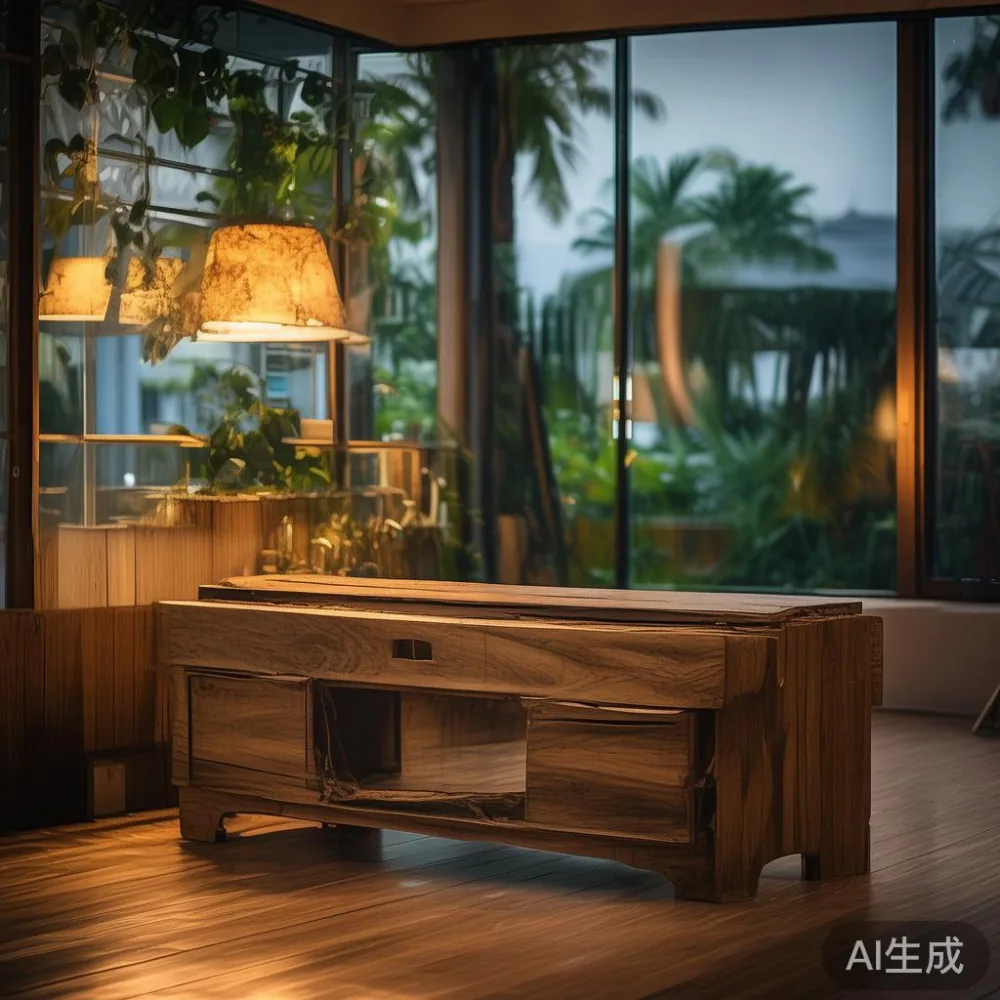
Singapore's climate is genuinely punishing on wood finishes. Daily relative humidity swings, monsoon damp, and the dry-air blast of air-cons well under a 23 degree built-in cabinet all conspire to stress the protective film on a dining table, bed frame, or wardrobe. Lacquer is forgiving if you understand how it breathes, micro-expands in one direction under direct sun, and reacts to sudden moisture. The advice below is written for residents in Tampines, Bedok, and Punggol HDB flats and condos, with practical pricing in mind. We will cover real numbers: door widths, lift clearances, refinishing costs in SGD, and how MIDHILL's 10-year structural warranty and lifetime refinishing actually translate into year-five and year-ten decisions for your solid wood sofa or nightstand.
Why does lacquer fail faster in Singapore's tropical climate?
Lacquer is a film finish. It sits on top of the wood as a continuous layer, typically 4 to 6 coats of polyurethane or acid-cured material, sanded between passes. When humidity penetrates through micro-abrasions, the wood beneath swells and the rigid film cannot stretch, so it cracks. In a Tampines HDB facing afternoon sun on the 9th floor, I have measured a dining table surface reaching 41 degrees Celsius at 2 pm while the underside sits at 27 degrees. That 14-degree gradient across a 28 mm thick slab will, over 18 months, produce hairline cracks along the grain. Add the 80 to 88 percent ambient air nightly a Singapore bedroom holds with the door ajar and a running 24-degree eco threshold that the air-conditioner enforces, and the wood cycles daily between swelling and shrinking. The fix is not a thicker coat. The fix is control of moisture at the boundary layer, with a humidistat that costs about SGD 38 from a local hardware store, plus a felt mat under any ceramic or marble table accessory so condensation cannot sit on the lacquer.
How should you handle a MIDHILL delivery to avoid shipping damage in HDB corridors?
Before the truck pulls up at your Block 643A loading bay, measure three things with a steel tape: the lift door width (most HDB passenger lifts are 0.9 m wide by 2.1 m tall, though service lifts in Punggol newer condos often run 1.2 m by 2.1 m solid wood sofa), the inside lift cabin depth (typically 1.55 m to 2.2 m depending on the block), and the corridor turn. The widest piece on a MIDHILL three-seater solid wood sofa with chaise is the backrest panel, which our production sheets list at 196 cm by 88 cm by 12 cm. Packaged in an extra-corrugated outer carton, it grows to 204 cm by 96 cm by 32 cm. That package cannot turn a 90 degree corridor inside curve of 1.8 m. The professional move is to remove the outer carton in the lift lobby and carry the inner foam wrap in flat. I watched our crew do exactly that in a Bedok Reservoir Heights unit, an arrangement I would call private access protection, working in under 90 seconds because they had pre-measured before departure.
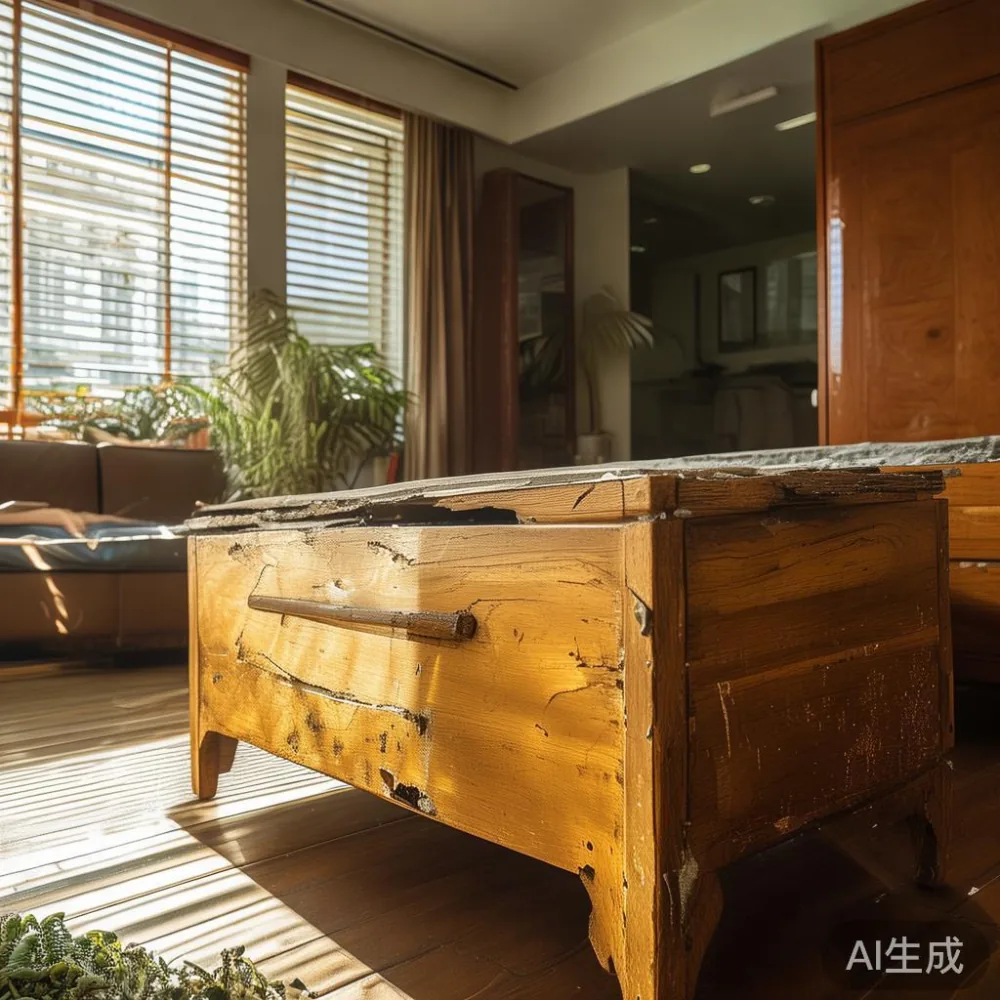
When the goods arrive, photograph the carton corners before signing the delivery order. If you see a crushed corner on a piece weighing 78 kg such as a six-drawer wardrobe, write "carton damaged, contents unchecked" on the waybill. MIDHILL's 14-day returns policy covers transit issues, but only if the damage is recorded at the door. Do not assume a scuff marks inside the foam is fine. Lacquer cracks from transit impacts often appear as a single 3 to 8 cm star-shaped break centred on a compression point. They are invisible until the foam is off and the piece sits under your living-room downlight for ten minutes. That delay is normal, and it is exactly why I recommend you keep all packaging for 14 calendar days.
How much does a headboard cost in Singapore?
A solid wood headboard for a queen-size bed frame in Singapore typically costs between SGD 480 and SGD 1,650, depending on material and detailing. A fabric-upholstered headboard in Italian light luxury fabric marble top configuration sits at the upper end, around SGD 1,200 to SGD 1,650 for a queen, because the marble top return requires CNC-cut joinery and a reinforced mounting cleat that adds SGD 110 to SGD 160 over a plain fabric panel. A solid ash or walnut slat headboard in post-modern light luxury proportions runs SGD 620 to SGD 880 for a queen from a Chinese factory-direct brand such as MIDHILL, with GST (9 percent as of 2024) bringing the all-in figure to SGD 675 to SGD 960. Custom sizes for king frames add SGD 90 to SGD 160, and a French light luxury tufted headboard with capitonné buttons climbs to SGD 1,400 to SGD 1,950 before GST.
What is the right daily cleaning routine for a lacquered dining table or marble top?
Use a dry microfibre cloth (16 by 16 cm, 220 gsm, sold for SGD 6.90 for a pack of three at local supermarkets) for daily wipe-down. For weekly cleaning, use a damp, well-wrung cloth with pH-neutral wood soap, then follow with a dry buff. Never use a steam mop, even on a marble table, because the heat differential between a 100-degree steam jet and a 26-degree lacquered surface will craze the film within six to eight passes. For an Italian light luxury fabric marble top dining table, the fabric skirt tolerates a fabric-safe cleaner (SGD 14 to SGD 22 per 500 ml), but the marble apron does not tolerate vinegar or lemon juice under any circumstance; a 5 ml puddle of calamansi juice left for 90 seconds will etch a calcium carbonate marble top into a permanent dull patch. Coasters are not just decoration. They are a SGD 12 insurance policy for a piece that may cost SGD 2,400 to SGD 4,800.
How can you spot early signs of shipping damage on a lacquered wardrobe or nightstand?
Inspect under bright, raking light. Hold a torch at a 15-degree angle to the surface and look for three patterns. The first is compression whitening, a 3 to 12 mm pale disc that indicates the finish was crushed against the substrate. The second is micro-crazing, a network of hairline cracks that show as parallel lines under raking light. The third is edge chipping along a 0.8 mm corner radius. If you find any of these, photograph them at a 45-degree angle with a ruler in frame, and contact MIDHILL within the 14-day returns window. Their lifetime refinishing service covers exactly this scenario: a lacquered wardrobe or nightstand sent back to the factory workshop in Foshan can be re-coated, sanded between coats, and returned within 35 to 50 working days, including shipping. The cost to the original buyer is zero for the first refinish within the first 24 months, then SGD 80 to SGD 180 per panel after that, which is reasonable given the alternative is replacing a 78 kg wardrobe at retail price.
What about the air-conditioner angle: is the dry air harmful to lacquer?
Yes, particularly for a bedside nightstand placed 40 to 60 cm from a wall-mounted air-conditioner running at 22 degrees for 8 hours overnight. The local relative humidity at the nightstand surface can drop to 38 to 45 percent, well below the 50 to 60 percent range wood finishes prefer. Over a 12-month period, expect the underside of a drawer front to develop a 0.3 to 0.5 mm gap at the lower edge. The fix is a 1.5-litre evaporative humidifier on the opposite side of the room, kept at a setting that buys SGD 18 a month in distilled water cost. The ROI is roughly five years of structural integrity for a SGD 220 nightstand. Position the unit so the dry-air stream does not blow across the bed frame headboard or the wardrobe face; angle it toward the centre of the room, not the furniture.
When is refinishing smarter than replacement?
Refinishing is the right call when the substrate is sound. A solid wood sofa frame, a bed frame, or a dining table made of ash, oak, or walnut will outlast three to four lacquer cycles. The first refinishing of a window sash typically costs SGD 60 to SGD 110 per square metre of surface area in a Singapore workshop, or SGD 280 to SGD 460 for a full dining table top of approximately 1.8 m by 0.95 m. The second refinish removes 0.4 to 0.8 mm of material per thickness cycle; at six cycles, even a 28 mm thick top has lost 6 mm. That is the threshold where replacement beats a salvage match. For a marble table, refinishing is rarely a workshop option; the marble is replaced wholesale, which is why a marble table top carries a higher lifetime ownership cost than an all-wood equivalent.
How do you coordinate care across a multi-piece purchase?
A typical MIDHILL order for a three-room HDB in Punggol might include a 2.4 m dining table by six people, a 1.8 m queen bed frame, a 1.95 m three-door wardrobe, and two nightstands. The total package weighs 312 kg unpacked and 388 kg packed across six cartons. The largest single piece is the wardrobe main panel at 210 cm by 92 cm by 8 cm, 54 kg unpacked. Plan delivery for a Saturday morning between 9 am and 11 am to avoid the HDB loading bay lunchtime rush. Have three people on site, not two: one to operate the lift call button, one to guide the head of the carton, and one to watch the trailing edge. That three-person protocol, learned from a colleague, will save you from shipping damage more reliably than any added foam.
What is the long-term cost of doing nothing?
Doing nothing, no coasters, no humidistat, no annual wax, leads to predictable decay. By year three, expect two to four visible compression marks on the dining table. By year five, expect a 0.3 mm gap along two of the wardrobe doors. By year eight, expect a full re-coat. The cumulative cost of those reactive repairs in Singapore works out to SGD 740 to SGD 1,260 over ten years for a typical four-piece set. The cumulative cost of preventive care, four humidistats a year at SGD 8 each, a 200 ml tin of paste wax at SGD 24 used twice yearly, a pack of felt pads at SGD 6 used yearly, comes to SGD 158 over the same ten years. The math is clear, and the math is the same whether you are in a Tampines HDB, a Bedok condo, or a Punggol EC.
Final word on positioning: the light-luxury category, whether French light luxury tufting on a headboard, American light luxury proportions on a solid wood sofa, or post-modern light luxury lines on a dining table, is designed to read quiet rather than shout. Lacquered surfaces reward quiet ownership. Avoid dragging objects across them. Avoid direct afternoon sun. Keep humidity between 50 and 60 percent. Wipe spills within 60 seconds. Photograph any transit carton damage before the delivery crew leaves. These small acts compound into a piece that looks as good in year ten as it did on the day the MIDHILL team first pivoted it through your lift lobby. Singapore furniture ownership at this level is a 15- to 25-year relationship, not a 3-year transaction. Treat the lacquer accordingly, and the piece will outlast three leases and two renovations before it ever needs that lifetime refinishing appointment.