How Southeast Asian Humidity Affects Solid Wood Furniture—and How to Prevent Shipping Damage
Singapore’s tropical humidity can make solid wood furniture feel less solid than it should. Doors swell, drawer fronts bow, table tops develop faint ripples, and joints loosen. These changes are often blamed on poor craftsmanship, although humidity control, packaging and delivery conditions can play a large part.
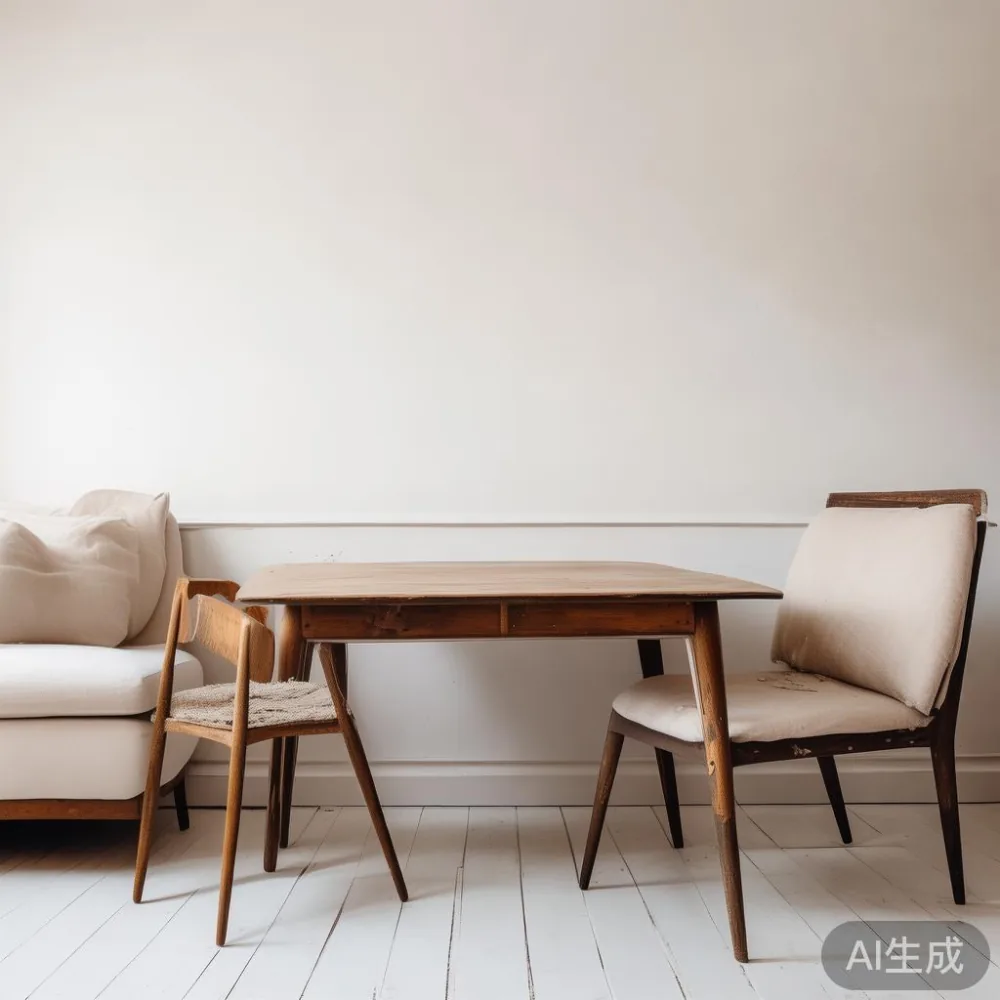
I still remember inspecting a MIDHILL wardrobe in a Tampines HDB flat last month. Its 180 cm tall doors had closed neatly at the warehouse, yet one lower corner looked tight after the move. My colleague and I measured the room at 28.8°C and 76% relative humidity with a calibrated meter. The wardrobe had been standing beside an air-conditioning vent for only 4 hours. Once moved 60 cm away and left to acclimatise for 24 hours, the door gap returned to about 3 mm. That small test made the issue clear: wood was moving as expected, but the delivery position had hidden the problem.
At MIDHILL, our Foshan workshop was established in 2008, and our furniture now reaches more than 15 countries. We offer a 10-year structural warranty, lifetime refinishing, 14-day returns and free shipping for orders above US$350. For Singapore buyers, delivery, installation and humidity-aware care all matter—not only the appearance of the piece at checkout.
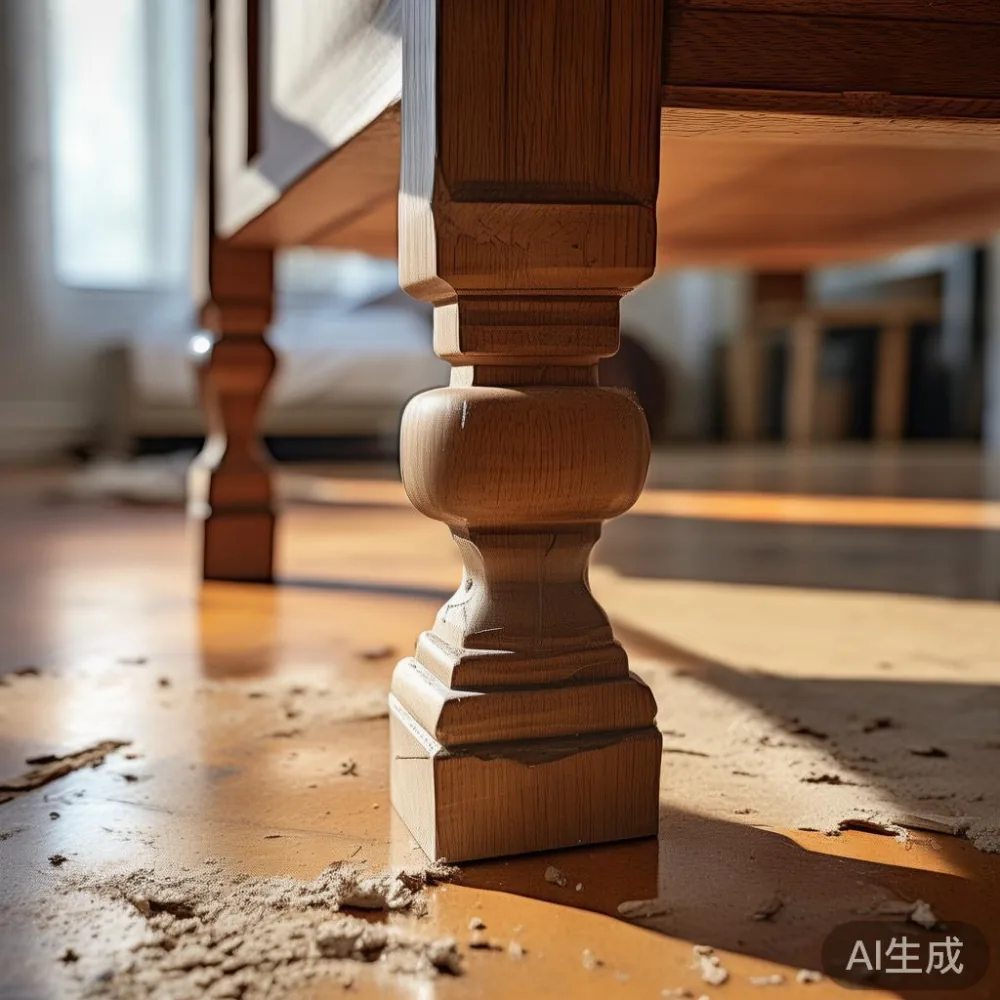
Why does Southeast Asian humidity affect solid wood furniture?
Wood is hygroscopic: it absorbs moisture when the surrounding air is humid and releases it when the air becomes drier. A solid oak dining table, for example, can expand roughly 3–6 mm across a 180 cm width as relative humidity moves through a broad seasonal range. Movement along the grain is normally smaller than movement across it. A solid wood bed frame may shift by 1–3 mm around its joints, while a wardrobe door can show a 2–5 mm change across its width.
Singapore’s location near the equator brings year-round warmth, heavy rainfall and consistently high humidity. HDB flats and condos in Tampines, Bedok and Punggol often combine enclosed corridors with air-conditioned interiors. Outdoor air might sit at 78–86% relative humidity, while a cooled living room may be only 52–62%. That difference repeatedly pulls moisture into a newly delivered wardrobe or marble table.

The practical concern is dimensional change. If a drawer is fitted when the wood is dry and then installed in a humid room, it may rub. If a dining table arrives during a wet delivery window, its finish can look cloudy as the surface responds. Repeated swelling and shrinking can also loosen joints over several years, particularly if the furniture repeatedly alternates between wet and dry conditions.
Humidity does not mean every solid wood sofa, bed frame or dining table will fail. It means buyers should distinguish normal movement from manufacturing defects. Gaps that vary with the weather, doors that need a little pulling after rain and a surface that settles after 48–72 hours are different from a cracked rail, loose dowel or permanently bowed panel.
How does humidity cause shipping damage?
Shipping damage is not always a dent or a broken corner. It can include moisture-related movement that appears after transit, such as a warped table top, swollen drawer sides or a door that no longer aligns. A piece packed in humid conditions may also arrive with mould spots, musty odours or finish haze.
Delivery in Singapore adds specific risks. Lift vans remain enclosed but can become warm, and goods may wait in a corridor or at a loading area before entering an air-conditioned home. Corridors in many older HDB blocks are around 120–140 cm wide, while newer designs vary considerably. A boxed bed frame may measure 190 × 45 × 18 cm and weigh 55 kg. A dining table carton can be 200 × 110 × 85 cm and weigh 65–90 kg. If a carton is forced through a narrower route or turned repeatedly in a lift lobby, its outer packaging can be damaged before the furniture reaches the unit.
MIDHILL reduces shipping damage through a layered packing approach: protected corners, fitted padding around table tops and wardrobe panels, moisture-resistant wrapping and separated hardware. Still, the recipient should inspect the carton at the door. Photograph all 6 sides, note any crushed edges and check the corners before signing. For a marble table, inspect the stone and frame separately; a hairline mark can be difficult to see through a scuffed carton.
Singapore GST and local charges should be confirmed before purchase. If the order includes indoor delivery and lift carry-in, ask whether stairs are included. A service lift measuring 110 cm deep and 140 cm wide may not accept a 200 cm table carton unless it can be turned diagonally. This physical fit matters as much as humidity because poor handling can turn a minor packaging failure into visible shipping damage.
What humidity level is best for solid wood furniture?
A stable indoor relative humidity of about 45–60% is a sensible target for solid wood furniture. The key word is stable. A room that remains between 50% and 60% is generally preferable to one oscillating between 40% and 85%, even if the average appears ideal.
Place a digital hygrometer near the furniture rather than directly beside an air-conditioner or bathroom wall. Measure over 7 days if possible, checking at 8 am and 8 pm. Singapore’s official climate readings can guide the broad picture, but the indoor microclimate matters more. A cabinet 20 cm from a window or 30 cm from an air-conditioning vent can react more quickly than furniture in the middle of a room.
For a solid wood bed frame, keep it at least 30 cm away from a vent or humid balcony corner. For a dining table, avoid placing it beside a window that receives direct rain. For a wardrobe, leave space at the rear for airflow and use the supplied adjustable feet where applicable. A marble table should also remain away from standing water, although the stone itself is less affected by humidity than its timber frame or cabinetry.
Air-conditioning helps during dry periods, but chasing a very low reading can cause rapid surface change. Aim for gradual adjustment rather than shocking the wood with a sudden blast of cold air. If condensation appears on the floor, correct the source rather than relying on the furniture to cope.
Can humidity ruin a solid wood dining table or bed frame?
Humidity can ruin furniture if it is prolonged, concealed or ignored, but short-term exposure rarely destroys a sound piece. A well-made solid wood dining table should tolerate normal Singapore conditions. A properly jointed bed frame should not develop a split simply because a rainy week raised the humidity from 60% to 78%.
Look for warning signs. Persistent gaps of more than 4 mm, a table top that rocks, a drawer that cannot close after 72 hours of stable indoor conditions, or black spotting around a joint deserves investigation. Wipe white or black areas with a damp cloth and let the surface dry; if the mark is superficial, refinishing may be appropriate. If the timber is soft, deeply stained or split, contact the maker before applying water or silicone-based products.
MIDHILL’s lifetime refinishing service gives owners a path for restoring the finish through wear and environmental exposure. Structural problems fall under the 10-year structural warranty when they relate to the original construction. Cosmetic changes caused by an unstable indoor environment are different from a defective rail or joint, so clear photographs, measurements and temperature records help every warranty assessment.
For buyers comparing under 2000 Minimalist furniture options, solid wood construction should be checked rather than inferred from a photograph. Ask whether panels are solid timber or veneer, how joints are made, whether drawer bottoms are plywood, and what tolerances are allowed. Low humidity should not be used as a reason to accept warped components.
How should I care for a wardrobe, nightstand and solid wood sofa?
Care should be gentle, regular and suited to each component. Dust with a soft microfibre cloth, keep damp cloths away from joints and avoid household sprays directly on the wood. Wipe a marble table with a pH-neutral cleaner and dry it immediately. Use coasters and felt pads, and maintain a gap between furniture and walls where airflow is possible.
For a wardrobe, inspect hinges every 6 months and tighten screws only when needed. During monsoon months, check the rear and base for dampness. For a nightstand, keep drinks in sealed containers and avoid placing laundry piles against a drawer front. For a solid wood sofa with timber legs, use felt pads and keep the frame at least 45 cm from exterior doors that admit humid wind.
Those wanting to know how to style Japandi sofa in apartment may also need to consider the sofa’s position. Pale oak and light-toned upholstery show dust and water marks quickly, so place washable covers nearby and avoid a direct line from an open balcony door. A streamlined design can suit a Punggol studio, provided the furniture is not pressed against a cold perimeter wall.
Leather and fabric require their own limits, usually around 40–65% relative humidity to reduce mould risk. Follow the upholstery supplier’s cleaning code, often labelled W, S, WS or X. Never apply a wet cleaner to an “X” code simply because the timber frame can take a damp cloth.
Is light luxury furniture suitable for Singapore’s humid climate?
Light luxury is a design direction, not a material specification. French light luxury, American light luxury and post-modern light luxury interiors may use pale woods, cream upholstery, reflective surfaces and elegant metal details. Those finishes can work in Singapore, but the underlying timber still requires stable care.
For a bedroom, Italian light luxury for bedroom projects often pair a upholstered headboard with a pale oak or walnut bed frame. Italian light luxury for guest room schemes may add a slim nightstand, marble details and layered lighting. In both cases, coordinate the room’s humidity before delivery. Soft furnishings can buffer rapid air changes, but they do not replace sensible placement.
For designers sourcing wholesale Modern light luxury furniture, ask each supplier about timber species, finish composition and packaging standards. A warehouse sample that looks immaculate does not reveal how a dining table behaves after 6 hours in a humid lift or a wet loading bay. Request production photographs, moisture specifications and delivery-protection details.
For a broader collection, designer European light luxury furniture can suit a condo without requiring oversized pieces. A 160 cm dining table seats 6 in a compact dining zone, while a 150 cm bed frame may suit an HDB bedroom. Elegant does not need to mean heavy; visual restraint can reduce crowding and make careful humidity management easier. MIDHILL sofa designs should likewise be considered with frame clearance, fabric cleaning and ventilation in mind.
How can I prevent shipping damage when my furniture arrives?
Measure before the delivery team arrives. Record the lift door, lift interior, corridor turns and the route to the flat. Remove rugs and other obstacles, secure pets and clear the assembly area. For a wardrobe carton weighing 80–120 kg, confirm whether the delivery includes carry-in to the door or installation within the bedroom. For a dining table, protect floorboards with rigid cardboard or a moving blanket.
At the door, inspect before the carton is brought inside. Photograph the label, all 6 sides and any visible puncture. Open the box in the unit rather than leaving a wardrobe sealed for hours in a humid corridor. If foam or protective wrap is trapped against a damp panel, remove it. Allow larger furniture to acclimatise for 48–72 hours and avoid tightening adjustable parts during that initial period.
Do not immediately blame the manufacturer for a gap that appears after delivery. Compare the furniture with the room’s humidity log and allow time for movement. Nevertheless, if the packaging is torn, a leg is cracked or a table top has a permanent bow, document the issue within 24 hours. MIDHILL’s 14-day returns policy provides a clear window for eligible orders, while a 10-year structural warranty covers qualifying construction issues for 10 years.
Humidity-aware receiving is the simplest defence against shipping damage. Stable indoor conditions protect the finish, accurate route checks protect the frame and prompt inspection creates useful evidence. The goal is not to make Singapore resemble a European showroom; it is to keep the wood’s natural movement gradual, even and visually controlled.