Limiting Shipping Damage to Wood Furniture in Southeast Asia
Humidity is rarely the first thing Singapore homeowners think about when ordering a solid wood bed frame, dining table, wardrobe, nightstand, or solid wood sofa. Yet in Tampines, Bedok, Punggol, and across Southeast Asia, moisture can alter timber before a parcel reaches the building lobby, then change again once the furniture enters an air-conditioned HDB flat or condo. The result may be small gaps, swollen drawer runners, a bowed tabletop, or visible shipping damage that was not present at the factory.
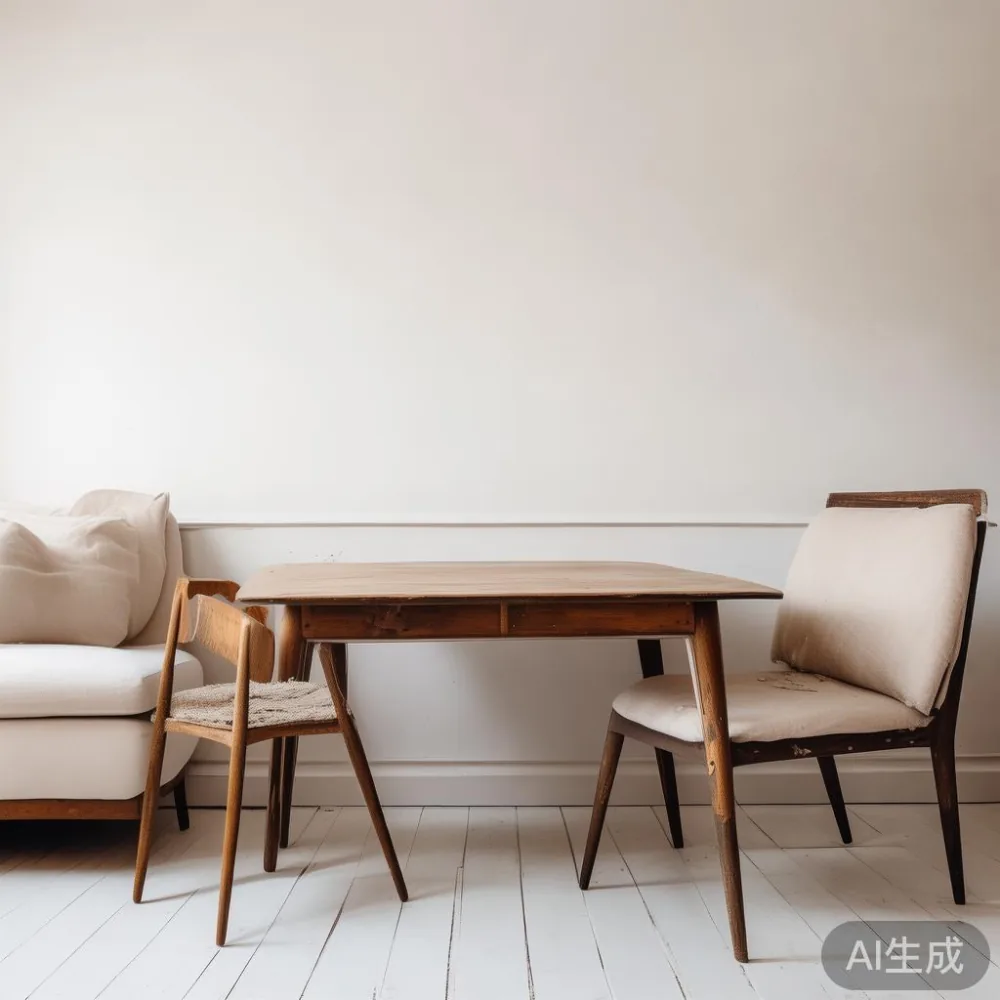
The practical challenge is not simply that wood “likes” moisture. Different species react differently, and a dense hardwood can still move across a 3–8 mm range across its width over a seasonal cycle. Singapore’s outdoor relative humidity commonly reaches 80–90% during wet periods, while interiors may remain around 50–65%. That shift is enough to stress joinery, finishes, and packaging.
At MIDHILL, solid wood furniture is built for long service rather than a short showroom life. The company was established in 2008, exports to more than 15 countries, provides a 10-year structural warranty, and offers lifetime refinishing. Those commitments are useful, but correct humidity control still begins with thoughtful specification, careful packing, and realistic delivery planning.
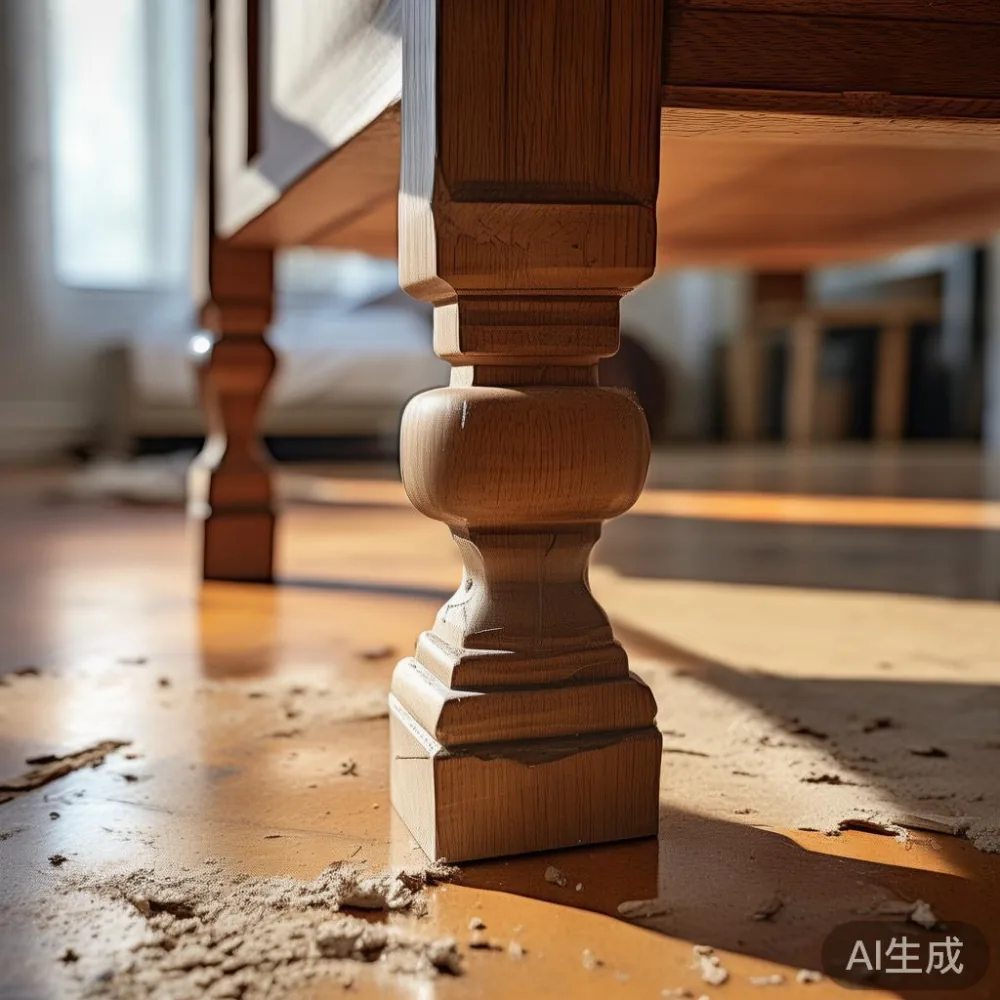
Why does tropical humidity move solid wood furniture?
Wood is hygroscopic: its moisture content changes as it absorbs or releases water vapour from the surrounding air. The movement is much greater across the grain than along it. A 180 cm oak dining table may expand 2–6 mm in width between a dry-air morning and a humid evening, while its length might change by only about 1–2 mm. Repetition over 12 months can loosen joints, distort legs, or make drawers stick.
Humidity also affects the finish. Water-based coatings can soften slightly on a damp surface, while lacquer and oil finishes may become less stable under repeated moisture cycling. Stone and metal fittings have their own reactions. A marble table with a 120 cm top can weigh roughly 70–140 kg depending on its thickness and whether it is marble or engineered stone. It does not absorb humidity like timber, but its support frame can move underneath it if the timber expands unevenly.

Condensation adds another risk. A cold shipping container parked in the tropical sun can reach 35–40°C. When warm, moisture-laden air contacts a cooler interior panel, condensation can form on the crate lining. If a wardrobe arrives damp, its doors may no longer close squarely. A bed frame may have tight joints but develop surface mould if the protective wrap remains around it for 70 days.
Singapore’s lift and corridor dimensions make recovery harder too. A standard HDB lift interior may be about 100–140 cm deep and 90–110 cm wide at the door, while condo service lifts can be shallower. A boxed dining table of 185 cm must usually be turned on its side, requiring two or three people, a 2 m strap, and 15–25 minutes of careful manoeuvring. Damaged walls or a scratched frame in a 90 cm corridor can turn a humidity-related movement issue into expensive access damage.
Which wood species and furniture pieces need the most care?
Oak, ash, beech, and maple generally show visible movement with humidity changes. Teak is more dimensionally stable because of its dense oily structure, but it still moves and can develop finish haze. Walnut and other decorative hardwoods can cup or twist when moisture is uneven across a wide panel.
Solid wood sofa frames need attention at the rails, corner blocks, and seat supports. A 210 cm three-seat sofa often uses kiln-dried hardwood beneath the upholstery, but the outer frame can still respond to a humid room. Wardrobes require a different focus: long vertical panels may bow, centre doors may “rattle” in their openings, and adjustable runners may bind after expansion.
A dining table is especially revealing because its top is broad and its underside is often less ventilated. Place it away from a 60 cm air-conditioning vent and at least 30 cm from a window or sliding glass door. For a nightstand, use a level surface and avoid positioning it against a cold bathroom wall in a condo where the bedroom humidity is 65–75%.
For customers comparing for sale Japanese furniture options online, the timber species, panel construction, and moisture treatment should be checked before visual style. Japanese-style solid wood pieces made from cedar, oak, or walnut can work well in Singapore, but imported goods should not be assumed to be acclimatised merely because they have arrived in the country.
French light luxury, American light luxury, and post-modern light luxury all depend on precise material relationships. A pale oak dining table beside a marble table may look refined when the timber is stable and the stone is correctly supported. If the timber moves and pulls away from the stone frame, the visual effect quickly deteriorates.
How much should solid wood be acclimatised after delivery?
Allow approximately 48–72 hours for a small nightstand or compact side table before removing all protective material. Give a dining table, bed frame, or wardrobe 5–7 days when it arrives during a humid spell. Large or particularly heavy pieces can need 7–14 days. The room should already be climate-controlled; trying to air a wet wardrobe beside an open window at 85% humidity is not acclimatisation.
Keep protective wrapping off the floor. Leave the top, sides, and back partly ventilated, but retain corner protection and any stitching tape specified by the manufacturer. Do not force a swollen drawer. A gentle 2–3 kg pull, with the runner checked for debris, is safer than applying a 20 kg sideways force to a distorted rail.
Use a hygrometer rather than guessing. A digital model costing SGD 18–35 is sufficient for monitoring a room. Aim for about 45–65% relative humidity where possible, with stable indoor temperatures of 23–28°C. Condensation on glazing usually indicates a weaker point in the room’s temperature control rather than a defect in the wood itself.
This process matters for projects described as Nordic for guest room, where a compact solid wood sofa or bed frame may be delivered into a tightly controlled HDB room. It also matters for a hospitality concept using Mid-century modern for hotel furniture: hundreds of pieces must remain dimensionally consistent under frequent cleaning, air-conditioning changes, and guest room humidity.
Can humidity really cause shipping damage?
Yes, although poor packing, impact, and humidity often work together. A dining table might be scratched by a loose fastener in its crate, then bow because one face absorbed more moisture than another. A wardrobe may arrive with a dented kick panel from trolley handling and a swollen door after prolonged dampness. Calling both problems “shipping damage” can hide the cause and delay the right remedy.
Record the condition before assembly. Photograph all sides, edges, corners, legs, runners, and packaging from 1–2 m away. Keep the delivery note and unpacking video until the furniture has stabilised. Note the date, time, relative humidity, and whether the product was left near an open door. These 4 details help distinguish transit impact, moisture movement, and manufacturing defects.
MIDHILL’s 14-day returns policy provides a clear inspection window, while the 10-year structural warranty covers qualifying structural failures for 10 years. Report transit marks, loose joints, bowed panels, or finish issues promptly. Do not sand or refinish a piece merely to make it look untouched; refinishing can interfere with assessment.
How should Singapore buyers pack and move large furniture?
Measure before delivery day. Check the packaged bed frame or dining table against the lift door, cabin opening, corridor turns, and stair width. Allow another 10 cm for hand clearance. Book a building-move permit if the management office requires one, and reserve the service lift for at least 30–60 minutes where permitted.
Protection should separate each contact point. Use moving blankets at least 3 mm thick, cardboard corner guards, and straps that do not compress a finished edge. Carry a 210 cm solid wood sofa on its end only if the manufacturer approves it; otherwise, remove detachable legs to reduce use. For a 90 kg marble table, use a rated trolley with 150 kg capacity, 4 rubber-faced wheels, and at least 4 trained handlers. Never lift a marble top by its edge alone.
Because delivery is free above US$350 on qualifying orders, the shipment should still be scheduled rather than rushed into a wet evening. Ask the concierge or building manager whether the goods will be held in an air-conditioned lobby, and inspect them within 15 minutes of arrival. A second person should remain with the trolley while the first checks packaging and access routes.
Before purchase, ask the supplier for species, moisture target, joinery details, and finish type. For example, furniture destined for Singapore might be kiln-dried to 8–12% moisture content and then wrapped for sea or regional transit. These are useful reference points, not a substitute for proper acclimatisation.
How do I style an American wardrobe in an apartment without creating moisture problems?
The answer to how to style American wardrobe in apartment is closely connected to clearance and ventilation. In a compact HDB bedroom, position a 150–180 cm American-style solid wood wardrobe with a 5 cm rear gap, or follow the maker’s stated ventilation requirement. Keep it 20–30 cm away from a bathroom wall if there is persistent condensation.
For a modern apartment, an Italian light luxury for small living room approach can be achieved with one substantial material rather than crowded furniture. A 120 cm marble table and 2 slim nightstands can create a composed arrangement, but each piece needs enough surrounding space to be serviced. A solid wood sofa in a 3.4 m living room should retain 60–75 cm of circulation space where possible.
Search phrases such as cheap Modern light luxury furniture can surface broad catalogues, so compare the actual timber and construction rather than relying on a style label. A framed wardrobe with tongue-and-groove backs, adjustable runners rated for 25–40 kg, and a finish documented for humid interiors usually suits local conditions better than an unventilated decorative box.
In Singapore, GST is generally displayed as a 9% charge on eligible supplies. Confirm the quoted total before payment, especially when a deposit or balance is required. For furniture costing SGD 2,000, GST is SGD 180; for SGD 4,500, it is SGD 405. Clear pricing helps buyers reserve enough budget for lifting, assembly, and eventual refinishing without compromising the piece.
What can be done if a wooden table or bed frame arrives damp?
Move the item into an air-conditioned room, remove the outer plastic, and retain a breathable layer underneath. Place it on level feet or a flat protective mat so air can circulate. Do not use a heater, hairdryer, or industrial fan; rapid drying can split a 2–3 cm solid top and worsen shipping damage.
Measure the surface with a moisture meter across several points. Readings can vary because meter species settings matter, but a clear difference of more than 3–4 percentage points between faces suggests uneven moisture. Mark the broadest and narrowest edges with a pencil and compare them after 24 and 72 hours. A change of more than 2 mm may indicate that the panel is still moving.
For a stuck drawer, remove the contents and inspect the runners. For a rubbing door, protect the contact area with felt and identify whether the obstruction is a swollen rail, a loose hinge screw, or the door contacting a wall. Do not plane or shave timber before the supplier has reviewed the case.
One practical example came from my own inspection last month at a woodworking workshop in Foshan. I tested a 200 cm solid wood dining table by measuring it at 48% relative humidity and again at 78%. The width moved by 3.8 mm over that cycle, and one edge showed 0.6 mm of cupping. My colleague then applied felt pads to the feet and kept the table 40 cm from an open doorway. After 5 days at 58% humidity, the dimensional difference had reduced to 1.2 mm. The lesson was simple: stable indoor humidity mattered more than aggressive drying.
MIDHILL’s lifetime refinishing service can help restore a finish after years of Southeast Asian humidity exposure, but preventive care is less disruptive than restoration. Keep coasters under drinks, wipe spills within 10 minutes, and renew the surface protection at the intervals recommended for the finish. Oak used in a dining table may need inspection every 12–24 months in a humid HDB flat.
What humidity level should Singapore homeowners maintain?
Stable indoor conditions matter more than chasing one perfect number. A relative humidity range of 45–65% is practical for most solid wood furniture, while short periods up to 70% should not cause immediate failure if air-conditioning restores stability. Persistent readings above 75% call for checking ventilation, wet laundry, air-conditioning performance, and the fit of exterior doors.
Place a hygrometer near the wardrobe or dining table rather than directly beside an air-conditioning outlet. Read it at 8–9 a.m. and 8–9 p.m. for 7 days. Record 14 readings in a phone note. If the table repeatedly moves by more than 2 mm, reduce the humidity swing before replacing or modifying the furniture.
For smaller pieces, such as a 45 cm nightstand, 3–5 cm of wall clearance is generally enough if the room is ventilated. A 180 cm wardrobe may need 5–8 cm at the back according to its construction. Follow the maker’s instructions where they exceed these general figures.
Humidity does not make solid wood furniture unusable in Singapore. It makes disciplined material selection, packaging, acclimatisation, and inspection more important. With 48–72 hours of controlled settling for smaller pieces, 5–14 days for larger ones, and a room kept near 45–65% relative humidity, a dining table, bed frame, wardrobe, nightstand, marble table, or solid wood sofa can remain attractive and structurally sound for many years.
Before accepting delivery, check the packaging, photograph the furniture, and compare every panel with the product record. If moisture-related movement or shipping damage appears, document it and contact the supplier while the 14-day return window remains open. That measured process protects both the home and the long life of the furniture.