Long-Term Costs: Veneer vs. Solid Wood for Singapore Homes
Choosing furniture for a Singapore HDB flat or condo is rarely a simple comparison of the price on the showroom label. A solid wood dining table may look expensive today, while a veneer wardrobe may appear economical. Over 5 years, however, maintenance, replacement, shipping damage, climate exposure, and usable space change the arithmetic. The figures below compare a typical package for a household in Tampines, Bedok, or Punggol, using SGD prices and practical assumptions.
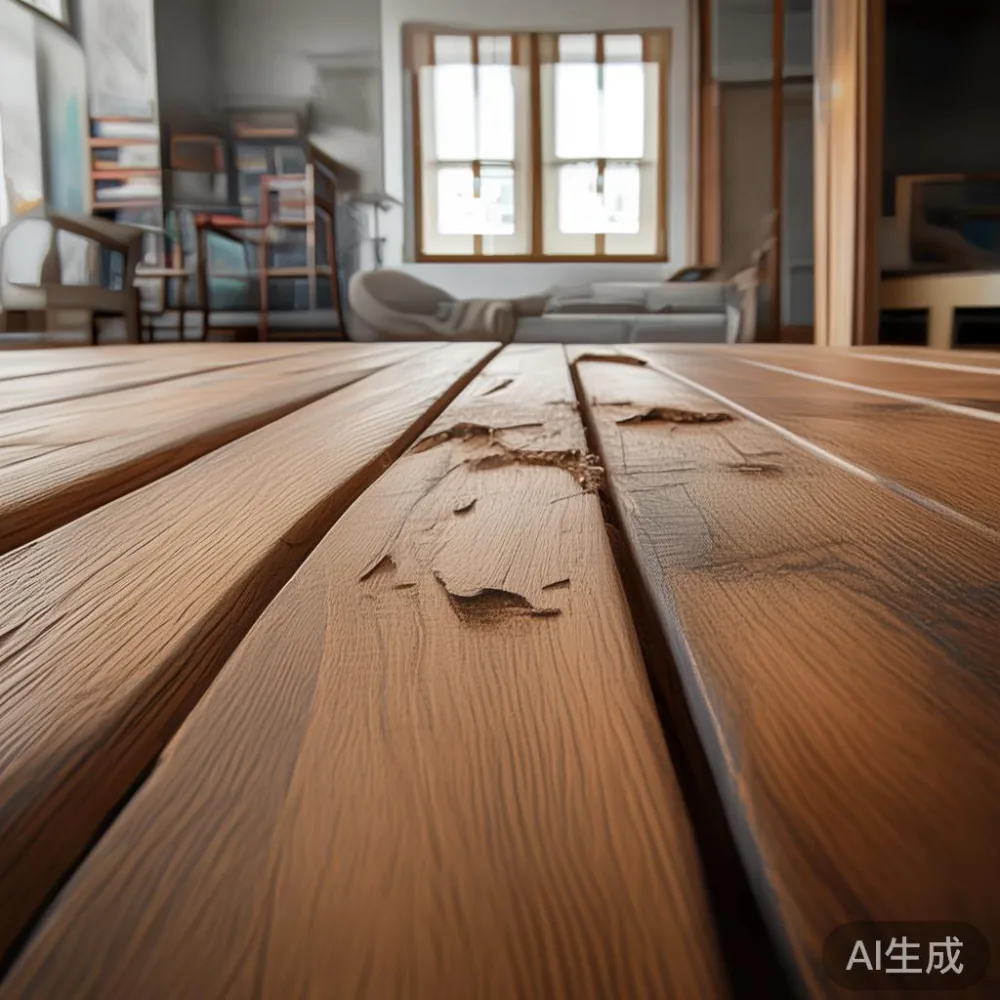
This comparison covers a solid wood sofa, a bed frame, a dining table, a wardrobe, 2 nightstands, and 1 marble table. Veneer products use engineered wood panels with a wood facing; solid wood products use timber throughout the structural sections. I have deliberately kept the finishes comparable, so the calculation focuses on purchase price, expected repairs, care products, and likely replacement costs rather than on unrelated decoration.
What does a 5-year furniture cost comparison actually include?
The calculation starts with furniture bought at the beginning of Year 1 and follows it through the end of Year 5. For each package, I use SGD 6,000 for a good-quality veneer set and SGD 11,500 for a comparable solid wood set. The veneer basket includes a 210 cm sofa, a 160 cm bed frame, a 180 cm dining table, a 180 cm wardrobe, 2 nightstands at 45 cm wide, and a 100 cm marble table. The solid wood basket uses similar dimensions, with the marble table remaining marble in both cases because its material does not change in this comparison.
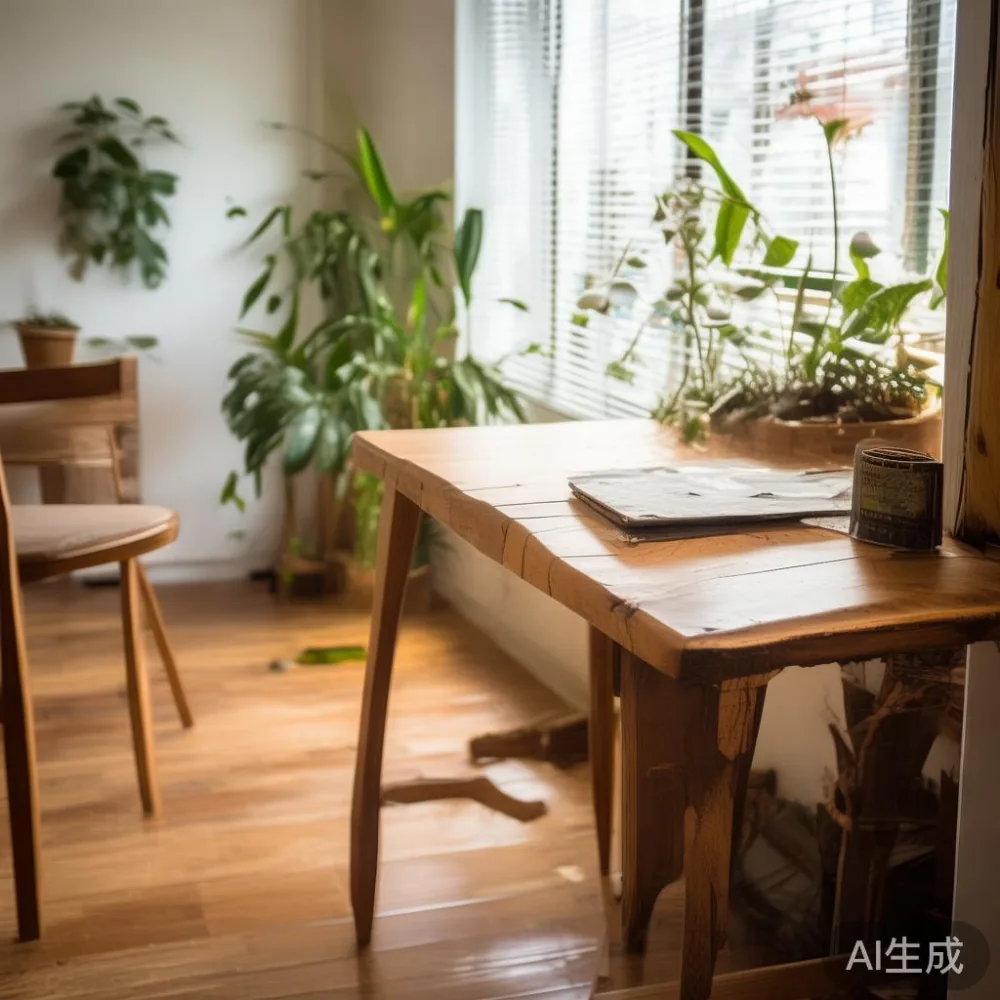
Allow SGD 150 per year for veneer care materials and SGD 250 per year for solid wood care materials. These amounts cover mineral oil, dusting cloths, and small touch-up products, excluding a full refinishing service. I assume a 10-year structural warranty on eligible solid wood items, although warranty terms should always be checked for the specific product and delivery address.
For a practical shipping allowance, I budget 4 incidents across 5 years for the veneer package and 2 for solid wood, with an average repair or replacement effect of SGD 120 per veneer incident and SGD 260 per solid wood incident. These are planning figures, not predictions. A careful packing process can reduce shipping damage, but narrow HDB corridors, lift turns, and tight condominium service routes still deserve consideration.
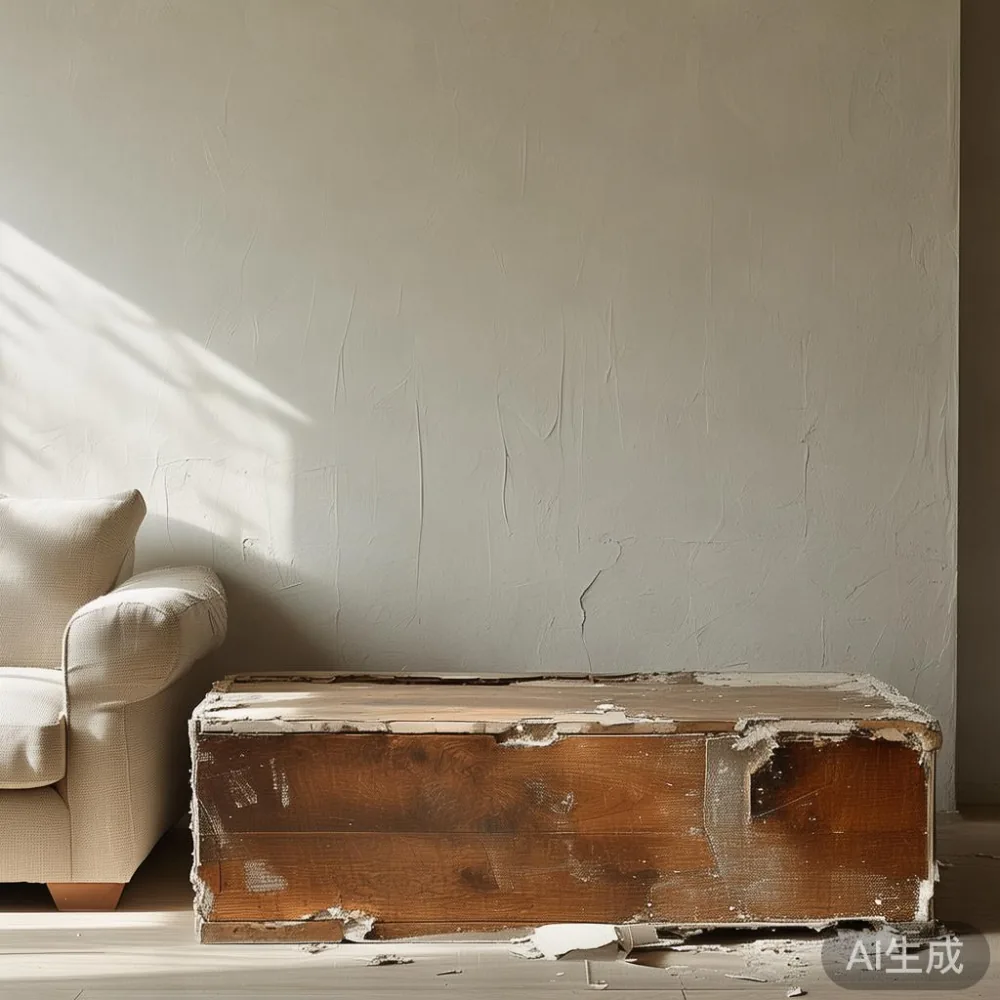
Is veneer cheaper over 5 years in a Singapore apartment?
For this sample, yes. The veneer package costs SGD 6,000 at purchase. Adding SGD 750 for care over 5 years and SGD 480 for the assumed shipping damage allowance gives a total of SGD 7,230. The solid wood package costs SGD 11,500, plus SGD 1,250 for care and SGD 520 for shipping damage, producing SGD 13,270.
The difference is SGD 6,040 over 5 years, or an average of SGD 1,208 per year. On a monthly basis, the veneer basket averages SGD 120.50, compared with SGD 221.17 for solid wood. Those totals exclude electricity, cleaning labour, and the value of your time. They also assume that the furniture remains in the same home for the full period.
That said, purchase price is not the only factor. A lower-cost veneer wardrobe may need more careful humidity control in a west-facing HDB unit, while solid wood can tolerate a broader range of handling conditions when finished and sealed correctly. Singapore’s year-round humidity commonly sits around 70–85% outdoors, while air-conditioned interiors may be drier. Neither material should be placed directly against a wet wall or exposed to frequent dampness.
A second issue is resale and replacement. If the veneer wardrobe has to be replaced after Year 3, the effective cost changes. At SGD 2,000 for a comparable replacement wardrobe, including delivery and basic installation, the 5-year veneer total becomes SGD 9,230 before other care items. Solid wood furniture that remains serviceable may avoid that particular replacement cost, although a damaged component can still require repair.
For a condo household replacing a complete dining setting in Year 5, the numbers may look different. A new veneer dining table could cost SGD 1,500, while a solid wood dining table might cost SGD 3,200. The saving remains, but the gap depends on dimensions, timber, joinery, finish, and the delivery route. A 200 cm solid wood table can weigh 75–110 kg, while a similar veneer table may weigh 45–65 kg. That difference affects carrying teams and lift reservations.
How much does solid wood save through repairs and refinishing?
Solid wood has a potential advantage when scratches, loose joints, or worn edges are addressed early. A 5-year budget might include 2 minor repairs at SGD 180 each, 1 refinishing visit at SGD 600, and SGD 250 for care materials. That produces SGD 1,210 in maintenance over the period, close to the SGD 1,250 used in the main calculation.
The value of refinishing depends on the finish. A water-based matte coating on a solid wood bed frame may be refreshed rather than replaced. Veneer can also be repaired, but the repair method depends on the thickness of the facing and the colour match. A 0.6 mm veneer may accept a small spot repair differently from a 1.2 mm veneer. Deep scoring through the substrate is not a suitable DIY fix.
I tested a comparison last month at a supplier’s loading area in Foshan. I moved a 45 cm nightstand with a lacquered solid wood frame and then inspected a similar veneered nightstand after a simulated 20 cm drop onto a padded floor. The solid wood sample had a small edge scuff that could be buffered; the veneer sample showed a longer cosmetic line near the corner. Neither was structurally broken, but the repair materials behaved differently.
The lesson is not that one material automatically survives abuse. Packaging, internal reinforcement, moisture control, and installer care matter. MIDHILL’s export packing is relevant to Singapore shipments because corners, rails, and doors can be protected individually. Even with that attention, shipping damage can occur when a package is left in a corridor or handled by a building’s delivery contractor.
What does a real Singapore delivery route change?
Delivery is a measurable part of the 5-year cost. An HDB lift interior may provide approximately 100–140 cm of usable width in common configurations, while a condominium service lift may offer a different clear opening. A 180 cm wardrobe cannot always be carried upright through a turning corridor. It may need to be transported flat, partially assembled, or moved through a wider service route.
A 160 cm bed frame in a solid timber may arrive in 2–4 cartons and require 2 movers for 10–15 minutes. A 210 cm solid wood sofa may require a 3-person team and a 30–45 minute move. Veneer pieces are often lighter, but particle-board or MDF panels can still weigh 40–80 kg for a large wardrobe. Weight alone should not determine your choice; the actual carton dimensions matter.
I recommend recording 4 numbers before purchase: packaged length, packaged width, packaged weight, and the narrowest corridor or lift door. For example, a dining table carton of 190 × 95 × 22 cm cannot be assumed to clear a 92 cm opening simply because the table itself is only 75 cm wide. If the delivery route fails, a second delivery attempt can add SGD 80–180, making an apparently cheap purchase more expensive.
Shipping damage claims should be photographed before the carton is opened, then documented after unpacking. Keep the outer packaging for at least 7 days, because a concealed scratch may become visible after the foam is removed. A clear process reduces disputes, but it does not remove the need to inspect the item.
Which material fits HDB flats, condos, and light-luxury interiors?
Both materials can work in Tampines, Bedok, and Punggol homes. A veneer wardrobe at 180 cm wide can provide useful storage in a bedroom without taking over a small landing area. A solid wood bed frame may bring a stronger sense of proportion to a 3-room flat, particularly when paired with a fabric headboard and a restrained palette.
For interiors shaped by French light luxury, a solid wood dining table with a pale oak or ash finish can support soft upholstery and pale walls. French light luxury usually depends on proportion, gentle contrast, and tactile surfaces rather than large quantities of decoration. Veneer can deliver that appearance at a lower initial cost, although the grain will not be continuous across every panel.
American light luxury often uses clean silhouettes, dark hardware, and carefully layered textiles. A solid wood sofa with a 210 cm width may suit a larger living room, while a compact 190 cm model may be more practical for a condo. If your search includes European light luxury sofa vs Modern sofa questions, compare seat depth, frame construction, cushion density, and the width needed to clear a balcony door.
Post-modern light luxury offers another route: shaped edges, mixed materials, and visible joinery. A solid wood bed frame paired with a marble table can feel architectural without filling every wall. A Mid-century modern accent chair can provide one deliberate focal point beside a veneer sideboard, rather than making every piece visually loud.
For homeowners researching how to style Japanese sofa in apartment settings, low-profile seating and a clear floor plan are often more useful than chasing a particular material. A low-backed sofa can preserve sightlines across a compact living area, while a slender solid wood coffee table may be easier to move than a heavy marble table.
The wording cheap French provincial furniture can attract attention, but affordability should be assessed over the furniture life, not by the lowest label price. A low-cost sofa with a weak frame may need replacement after 3 years. A more expensive piece that can be cleaned, repaired, and refinished may offer better control over the 5-year total.
Can a 5-year budget account for GST, returns, and finishing services?
Yes, and Singapore shoppers should treat GST as part of the cash requirement. The figures above use an illustrative 9% GST on taxable purchases. A SGD 6,000 veneer package becomes SGD 6,540 including GST; a SGD 11,500 solid wood package becomes SGD 12,535. Delivery charges may also be taxable, so confirm the final invoice rather than estimating from the catalogue price.
The veneer total then becomes approximately SGD 7,851 after GST, while the solid wood total becomes approximately SGD 14,784, using the same care and damage assumptions. A full 14-day return policy can help if the item does not fit the corridor or room, but returned furniture may require careful transport. Confirm whether the return fee includes pickup, restocking, and damage inspection.
Lifetime refinishing has value only if the service terms are clear. Ask what labour, transport, and finish costs are covered, and whether the service applies to solid wood only. For veneer, refinishing may mean replacing a facing panel rather than sanding the entire surface. That difference can cost SGD 250–900 per panel depending on the size and finish match.
A marble table is a separate decision. Marble is attractive but heavy, brittle in certain impacts, and difficult to repair invisibly. A 100 cm marble table may weigh 70–100 kg. Budget at least SGD 200–500 for protective transport and at least 2 people for movement. Do not assume that a solid wood base will prevent shipping damage to the top.
What should you buy for the lowest sensible 5-year cost?
Choose veneer when the budget is constrained, the room is dry and well managed, and you accept replacing a damaged panel. Choose solid wood when the furniture is a long-term feature, the exposed surfaces will be touched often, and you value repairability and grain variation. For many HDB homes, a mixed approach works well: solid wood for the bed frame or dining table, and veneer for a secondary wardrobe or nightstand.
Before paying, measure the delivery route, compare packaged dimensions, and ask for the timber or panel specification. For example, specify whether the dining table uses solid hardwood legs, a solid top, or a veneer top over engineered board. For a solid wood sofa, ask whether the visible frame, arms, back, and seat platform are all timber or whether some structural parts are engineered wood. For a wardrobe, confirm the panel thickness, hinge type, drawer runners, and back-board construction.
Use a 5-year worksheet with 6 columns: purchase price, GST, care, repairs, delivery incidents, and likely replacement. Enter actual Singapore receipts rather than generic estimates. If a seller offers a 10-year structural warranty, record the document and exclusions. If the product includes lifetime refinishing, record the service process and turnaround period, ideally 14–30 days.
For a more precise comparison based on MIDHILL dining table review measurements, substitute the real carton dimensions and weight into the worksheet. The same approach can be used for a MIDHILL bed, a wardrobe, or 2 nightstands. Product selection should fit the home, not simply match a style label.
The practical result in this model is clear: veneer costs less at purchase and generally costs less over 5 years, while solid wood offers a greater repair and refinishing pathway. Whichever route you take, inspect the furniture on arrival, document shipping damage, control moisture, and schedule professional help for heavy pieces. Those few hours of planning can protect both the investment and the appearance of the home.