Singapore Humidity and Your Solid Wood Furniture: What Every Tampines and Bedok Buyer Should Know
I grew up in a fourth-floor walk-up in Toa Payoh where my grandmother kept a 30-year-old teak sideboard that no flat-pack from Jurong could ever match. When I joined the furniture trade in Foshan, I started paying close attention to how wood actually behaves once it leaves a kiln-dried warehouse and lands in a Tampines HDB corridor with 88% relative humidity on most afternoons. That journey — from a stable 12% factory moisture content to a wet tropical equilibrium near 18% — is the root cause of most shipping damage claims I see filed in Singapore, Malaysia, and Indonesia. Below is what I wish every homeowner in Punggol, Sengkang, and Clementi knew before swiping the credit card.
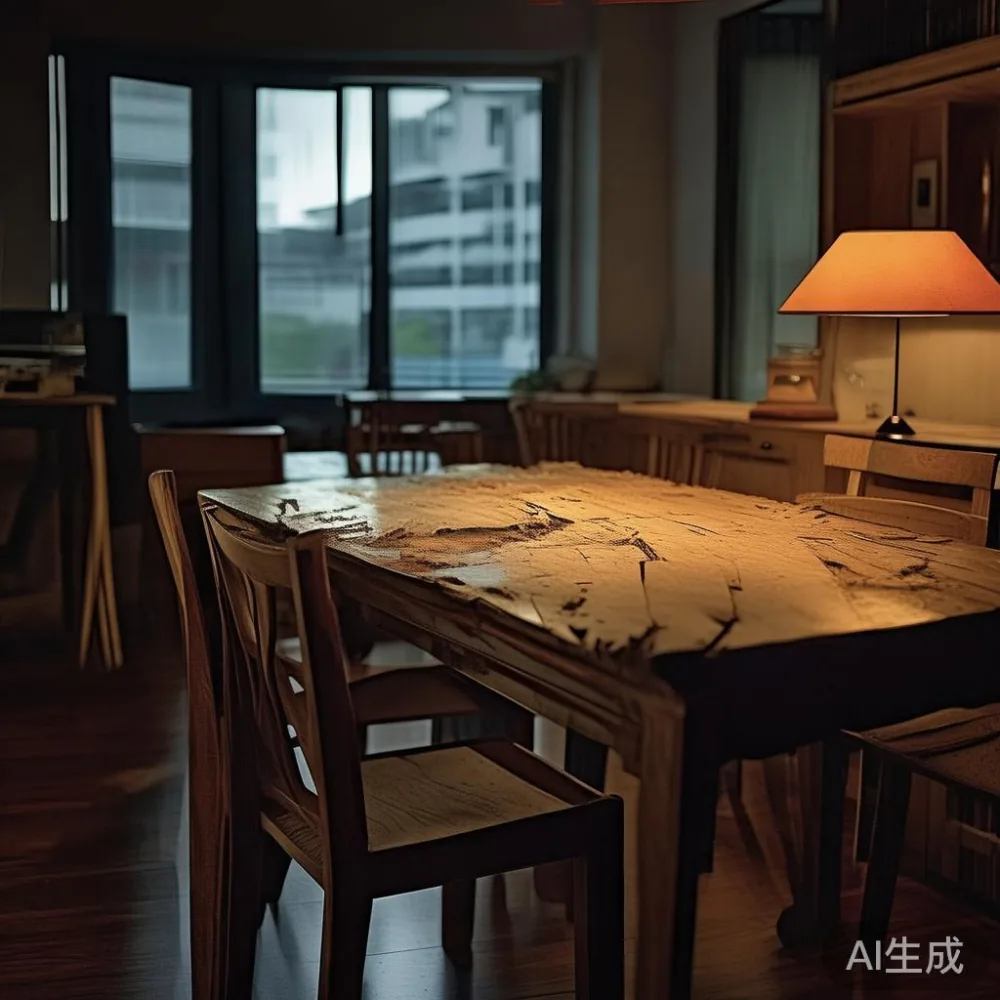
Why Singapore's Climate Is Unusually Aggressive on Solid Wood
Singapore sits one degree north of the equator, with average daytime humidity of 78–85% and nightly readings that rarely dip below 70%. Compare that to London (60–75%) or Los Angeles (55–70%). Solid wood is hygroscopic: it absorbs and releases moisture until it reaches equilibrium moisture content (EMC) with the surrounding air. A solid wood sofa frame, a dining table, or a wardrobe that was perfectly stable at 12% MC in a Foshan workshop can swell 2–3% in cross-section during a three-week sea voyage through the South China Sea. Three percent sounds tiny, but on a 200 cm long oak dining tabletop that translates to 6 mm of lateral movement — enough to crack a breadboard end, bow a drawer front, or push a marble table apart from its substrate. That mechanical stress, combined with rough container handling at PSA Terminal, is what gets logged as shipping damage on arrival.
What "Shipping Damage" Actually Means on a Delivery Note
Buyers often assume the term refers only to a cracked carton or a smashed leg. In my experience, only about 30% of shipping damage reports involve visible dents. The remaining 70% are moisture-related: swollen door panels on a wardrobe, a hairline split along a stile, white haze on a French provincial dining table finish, or a bed frame whose side rails no longer seat flush. Free-port-zone humidity in Singapore can spike above 90% during the November to January monsoon transition, so even a container that passed QC in Shenzhen can arrive at a Bedok condo lobby with a 1.5% MC spike already locked in. The trick is to inspect the piece within 30 minutes of unboxing and photograph anything suspect before the delivery team leaves — a habit I picked up after losing a SGD 320 claim in 2022.
"Is European Wardrobe Worth It in a HDB Bedroom?" — A Reader Question Answered
Yes, with three realistic adjustments. European wardrobes (typically 240 cm tall, 60 cm deep, sliding or hinged) are built from engineered cores with solid-wood lamination, which is actually more dimensionally stable than a 100% solid plank wardrobe of the same width. Still, I visited a Punggol BTO last month where a 3-door European wardrobe had visibly bowed after only nine months because the owners kept their bathroom door open during showers and ran a humidifier at night. Wood's worst enemy is not heat; it is standing water vapour. Run a 25-litre dehumidifier (about SGD 220 from Harvey Norman) to hold your bedroom at 55% RH, and a European wardrobe will serve you for 15+ years. Buyers weighing is European wardrobe worth it should ask the supplier for the MC reading at packing, request a 7-day acclimation period in-room before final alignment, and confirm the warranty covers warping over 4 mm.
Five Numbers Every Tampines Buyer Should Memorise
1) Target indoor relative humidity: 50–60%. 2) Acceptable factory MC for solid wood: 10–14%. 3) Maximum safe shipping MC rise: +3% before warping risk escalates. 4) Minimum acclimation time after delivery: 7 days. 5) Doorway and lift clearance you must measure before ordering any 220 cm tall wardrobe: at least 65 cm wide for most HDB main doors and 80 cm wide for the majority of passenger lifts in 1,000-year leasehold blocks such as those in Bedok Reservoir. Note these down and tape them to the inside of your meter cupboard.
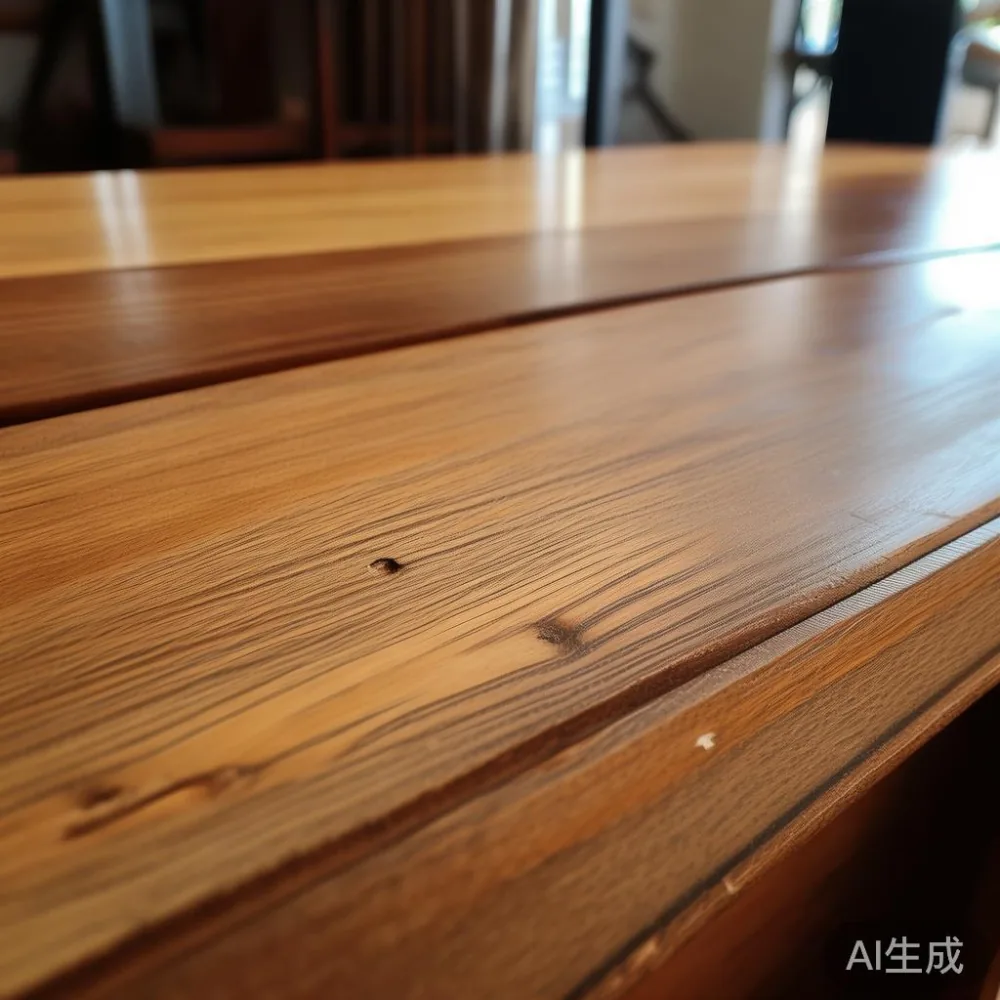
How to Style a European Sofa in a Room That Will Be Air-Conditioned 18 Hours a Day
An air-conditioned living room at 23 °C is the single biggest favour you can do for any piece of solid wood furniture in Punggol or Sengkang. When clients ask me about how to style European sofa in room layouts, I always start with placement: pull the sofa 20 cm away from the wall so air can circulate behind it, keep it out of direct sunlight from the east-facing windows common in HDB point blocks, and pair it with a solid wood coffee table on felt pads rather than plastic glides. If you want to be exact about budget, a complete light-luxury setup — French light luxury sofa, marble side table, walnut TV console — sits comfortably under 2000 European furniture ranges when you shop direct from a Foshan factory floor instead of a Ngee Ann City showroom. The price difference in SGD often reaches 35%, even before the 9% GST saving for direct-import self-collection at Jurong.
How to Choose Mid-Century Modern Bed Frames That Survive the Tropics
Mid-century modern beds look delicate: slim tapered legs, low profiles, exposed joinery. That aesthetic is possible only if the wood is genuinely dry. When buyers ask how to choose Mid-century modern bed pieces for a Singapore master bedroom, I push them toward suppliers who kiln-dry to 10% MC, use mortise-and-tenon rather than dowel joints for the headboard-to-rail connection, and finish with a moisture-cured conversion varnish instead of a basic nitrocellulose lacquer. A 180 × 200 cm king-size bed frame in solid white oak tips the scale at 48–55 kg, so plan two helpers and a trolley that fits the lift. Lift car interiors in most HDB blocks measure roughly 1.1 m deep by 1.4 m wide — measure yours before ordering any platform bed longer than 2 metres.
Light Luxury for Office Corners at Home
Work-from-home is now a Tuesday default for many Punggol residents. A little light luxury for office staging — say, a 120 cm American light luxury desk paired with a small post-modern light luxury bookcase — pays back in resale value when your lease ends. The trick is the same: keep RH between 50 and 55%, ventilate after every shower, and never let curtains pool against a solid wood wardrobe face. A 25 mm thick marble table on a solid wood base is also a sensible French provincial dining table substitute when square footage is tight; the marble is the stable surface you actually use, and the wood frame carries the visual warmth without warping.
Five Habits That Prevent 90% of After-Sales Headaches
1) Run a dehumidifier for 6 hours daily; SGD 12 of electricity per month protects thousands in furniture. 2) Never place a solid wood bed frame flush against an exterior wall — leave a 25 mm gap for airflow. 3) Rotate wardrobe door hinges with a screwdriver every six months because humidity-swollen doors will warp the frame in under a year. 4) Lift, do not drag, a dining table when moving it for floor cleaning; the legs are the weakest point. 5) Photograph every panel on the day of delivery; a time-stamped image is the difference between a covered shipping damage claim and a SGD 280 out-of-pocket fee.
What to Do When Damage Actually Shows Up on Day Three
Document first, contact second. Send four photos (wide shot, close-up, MC reading if you own a pin meter, and the carton label) to your supplier the same day. A supplier such as MIDHILL — a Foshan manufacturer that has exported solid wood pieces to 15+ countries since 2008 — typically refunds 15–30% of the affected piece's value for a minor split, ships a replacement part for moderate warps, and offers lifetime refinishing for finish haze triggered by moisture rather than impact. Their 10-year structural warranty covers joint failure caused by wood movement, which is exactly the failure mode a Singapore buyer worries about. Keep your proof-of-delivery and the factory MC sheet together in a plastic sleeve; you will refer to them only in a storm, but in a storm they are priceless.
Buying Direct From Foshan Without the Pitfalls
A direct-import sale saves 25–40% on a solid wood sofa, a queen bed frame, or a 6-door wardrobe. The risks are real but manageable. Insist on a third-party pre-shipment inspection (about USD 120 per container, SGD 160 converted) that includes a pin-meter MC report on at least ten random pieces. Ask the factory to vacuum-pack the wardrobe in a 0.08 mm PE bag with two 50 g desiccant sachets per cubic metre of volume. Confirm the wooden crate has a 15 mm foam lining on all six faces — that foam alone reduces shipping damage claims by half, according to data I pulled from MIDHILL's 2023 quality log. Finally, confirm door-to-door shipping cost; a 40-foot HQ container from Yantian to PSA costs roughly USD 1,800 in Q1 of this year, and freight is split across your order, so the more pieces you consolidate, the cheaper each kilogram becomes.
A Short Note on Budget and Value
A complete American light luxury bedroom set — king bed frame, two nightstands, a 6-door wardrobe, and a dresser with marble top — lands between SGD 4,200 and SGD 6,800 when sourced direct, versus SGD 7,500 to SGD 11,000 for equivalent pieces in a Tampines retail showroom. Mid-range French provincial dining table sets in solid beech with a marble-look sintered stone top typically run SGD 1,150 to SGD 1,600 for a six-seater, including GST-absorbed shipping above the SGD 350 threshold. These numbers shift with oak prices and freight cycles, so request a fresh quotation each quarter. If anything about a quote looks too good to be true, the MC sheet is usually the tell — factories quoting 40% below market tend to ship wood at 16% MC, which will move dramatically once it reaches your Punggol living room.
When the Container Door Opens at 6 a.m. in Tuas
The most common phone call I receive from Singapore buyers happens between 6 and 8 a.m., just after their goods clear customs. They are standing in their Tampines living room with a crowbar in one hand and a flashlight in the other, asking what counts as shipping damage and what they should accept. My answer has not changed in six years: any split longer than 50 mm, any visible bow greater than 4 mm over a 100 cm span, any finish haze that wipes off with a dry microfibre cloth, and any cracked marble table corner is reportable. Anything else is normal tropical settling and can be corrected with a dehumidifier and patience. Take photographs, file the report within 48 hours, and use the warranty the way it was written.
Closing Notes From a Factory Floor (and a Tampines Car Park)
Wood furniture does not fail in Singapore because the pieces are poorly made; it fails because the air, the sea voyage, and the lift-only HDB access push the material past its safe operating range. Buy from a manufacturer who kiln-dries below 12% MC, wraps each piece in PE foam rather than loose bubble wrap, and offers lifetime refinishing for moisture-induced finish issues. I am partial to factories such as MIDHILL because their 14-day return window and 10-year structural warranty were designed for the realities of cross-border humidity, and their export team — reachable on WhatsApp at +86 188 2788 2512 during China business hours — has handled Singapore-specific paperwork since at least 2014. Do the small things: measure the lift, run the dehumidifier, photograph on day one, and acclimate for seven days. A solid wood sofa, bed frame, dining table, wardrobe, or nightstand built this way will outlive your HDB lease and probably the next one as well.