How to Style a Small Singapore Apartment Without Making It Feel Crowded
A compact HDB flat in Tampines or a narrow condominium bedroom in Bedok can still feel calm and generous. The difference rarely comes from owning more furniture. It comes from measuring the rooms, planning delivery routes, and choosing pieces that earn their footprint. For Punggol residents who are furnishing a new home, the challenge is especially practical: a lift lobby may measure 120 cm wide, a corridor turn may be tight, and a solid wood dining table will not fit if its diagonal exceeds the available route.
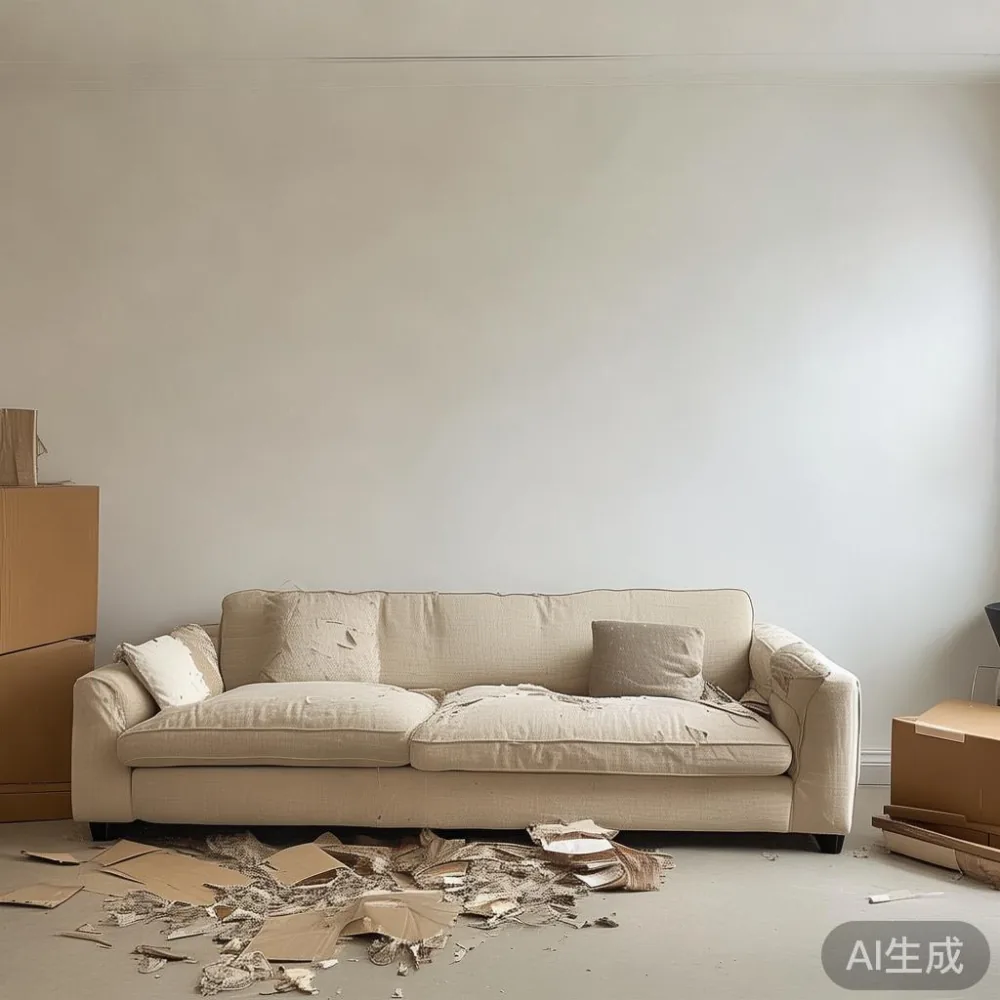
MIDHILL was established in 2008 and exports to more than 15 countries, so the details matter beyond appearance. Its furniture is supported by a 10-year structural warranty, with lifetime refinishing offered for eligible pieces. Singapore orders over SGD350 receive free shipping, and returns can be made within 14 days under the stated policy. None of this compensates for poor planning, though. Measure first, check the building rules, and understand how shipping damage can occur before a large parcel reaches your door.
What dimensions should I measure before furnishing a small HDB flat?
Begin with the fixed architecture, not a product page. Record the room length and width to the nearest centimetre, the ceiling height, door openings, lift car dimensions, and the distance from the lift lobby to your front door. Add 5 cm of working clearance wherever you expect to turn a box or carry a component. If a sofa arm is 18 cm wide, for example, the route needs more than 18 cm; turning the package through a right-angled corridor can require 2.4 metres of temporary maneuvering space.

Measure the actual bed position as well. A queen bed frame is commonly 152 cm wide and 203 cm long in Singapore, while a super king can reach 183 cm by 203 cm. A 60 cm wide corridor may look adequate for a 58 cm nightstand, but skirting boards and door handles can reduce the usable width. In many HDB layouts, the practical answer is not a wider unit but a shallower one: a 35 cm deep nightstand can hold a book, a phone and a glass without taking over a 280 cm wide wall.
For dining, leave 75 cm behind each seated person and allow at least 90 cm from the table edge to a wall or another major obstacle. A compact dining table measuring 120 cm by 70 cm often works better than a 150 cm by 80 cm model in a 320 cm wide dining zone. Visual breathing room matters too. Keep 20 cm to 30 cm above a sideboard where possible, and avoid placing a tall wardrobe directly opposite a bed, where it can make the room feel divided.

Do not forget the delivery sequence. Photograph the lift, lobby, corridor and route before the furniture arrives, especially if there are recent renovations. Confirm whether the building requires a booking, protective floor covering or a delivery time slot. These small checks reduce the chance of scuffed timber, cracked panels and damaged corners. They also make it easier to identify shipping damage immediately rather than several days after unboxing.
How do I choose furniture that makes a small room feel larger?
Choose proportion before colour. A low-profile solid wood sofa with a total depth of 88 cm to 95 cm preserves a useful path through the living room, while an oversized sectional may block the balcony door. Look for legs that lift the frame visually, slim armrests, and storage that closes completely. Closed storage is particularly valuable in HDB flats because it contains the visual noise of cables, folded laundry and household supplies.
Light finishes create continuity. Pale oak, warm ash and muted walnut can reflect daylight without making a room look cold. If you like contrast, repeat one darker note in two places rather than introducing several unrelated tones. For example, pair a walnut dining table with dark metal lamp details, then keep the bed frame in the same family. Two linked tones usually look composed; six competing tones tend to fragment the eye.
Mirrors can work when placed to reflect daylight or an open doorway, but avoid leaning a large mirror directly against a frequently used circulation route. A 60 cm by 160 cm mirror on a long wall can make one section of a compact living room appear deeper. Curtains hung close to the ceiling similarly increase perceived height, provided the rod extends at least 15 cm beyond the frame on each side.
Light-luxury styling is not about filling a room with ornate objects. French light luxury might introduce curved profiles, cream upholstery and a restrained brass accent. American light luxury leans towards clean lines, neutral upholstery and tactile natural wood. Post-modern light luxury can be expressed through one sculptural chair or an unusual side table while the rest remains simple. The principle is controlled contrast: one memorable piece against 4 quiet ones.
For a living room with a 320 cm usable wall, a 210 cm to 230 cm sofa is usually easier to live with than a 260 cm model. If your search brings up the phrase best Mid-century modern sofa for 2026, compare actual dimensions against the clear wall length rather than relying on a trend label. A tapered-leg design may look visually light, but its physical footprint still counts.
Can I use one main piece in every room without making the apartment feel crowded?
Yes, but the shared material should be more restrained than the shared shape. Repeating solid wood across a solid wood sofa frame, bed frame, dining table and nightstand can give a compact home continuity. Repetition does not mean identical furniture. A rectangular dining table, a rounded bed frame and a straight-front wardrobe provide variety while maintaining a calm material story.
Start with the room’s largest requirement. In the living room, this may be a solid wood sofa with a 180 cm to 210 cm seat. In the bedroom, a queen bed frame or a compact 120 cm double bed frame may be more suitable. If the apartment has a study corner, a 100 cm writing desk with a 45 cm deep top can occupy less space than a large office desk, and a 35 cm deep drawer unit can sit beneath it.
The dining room benefits from vertical storage rather than extra floor pieces. A 90 cm wide dining table suits a 260 cm wide alcove, but a 150 cm sideboard may swallow an entire wall. A 120 cm sideboard with 45 cm depth can hold tableware and still preserve a 90 cm circulation path. Where a marble table is wanted, choose a narrow 90 cm by 45 cm console or 80 cm square coffee table. Stone needs careful handling because marble is heavy and edge damage may be difficult to repair.
Closed-front storage also reduces clutter. A 90 cm wide wardrobe can include hanging space for 2 people and 3 shelves above, although internal dimensions should be checked against your clothing. If you are comparing designs, the phrase best Minimalist wardrobe for 2026 may be useful as a search starting point, but the more important figures are the external width, depth and door swing. A recessed handle can reduce visual projection, while sliding doors can preserve a narrow passage.
Try limiting each room to 3 main visual layers: one large piece, one functional storage piece and one small decorative accent. This is not a rigid rule for every home, but it helps prevent a 9 m² room from feeling packed. If a piece has little daily use and less than 30 cm of clear space around it, it may be better suited to another wall or another room.
How do I style a Japandi bed in room?
When learning how to style Japandi bed in room layouts, begin with the wall behind the headboard. That surface should remain the quietest part of the bedroom. A 152 cm queen bed frame against a 280 cm wall leaves about 64 cm on each side, enough for one 40 cm nightstand with a narrow gap rather than two bulky tables. For a smaller 250 cm wall, a 140 cm bed may preserve more movement space.
Keep the bedding simple: 2 muted colours, 1 texture and no more than 3 obvious decorative patterns. Linen, cotton and light oak suit Japandi styling because they look relaxed without adding visual clutter. A low bed frame can make the room feel grounded, but “low” still has practical limits. Leave enough space at the side for shoes, a laundry basket or access to a floor socket.
Use one vertical element if the room lacks height. A 120 cm tall plant on a slim stand or a 90 cm narrow wall shelf can balance the horizontal bed, but avoid hanging bulky framed prints above the headboard. One 60 cm by 90 cm artwork centred 15 cm above the frame may be more proportionate. Check the projection into the room before drilling.
The final nightstand should complement rather than compete. A 35 cm wide solid wood nightstand with 1 drawer gives a place to charge a phone and close a book. A 45 cm wide marble table can look elegant beside a bed, but its weight and sharp corners deserve caution, especially beside a narrow walkway. In a child’s room, choose stable, rounded edges and keep the surface sparse.
Should I buy matching furniture or mix shapes for a small condo?
Mixing shapes often makes a small space feel more dynamic because each piece has a clear role. Matching forms can feel formal and visually heavier. A solid wood bed frame with straight lines can sit beside a rounded solid wood sofa, while the dining table provides a simple horizontal anchor. The mix should still obey 2 rules: finish colours should relate, and the scale of each piece must suit its wall.
When comparing European sofa vs French provincial sofa options, look beyond the name. A European-style sofa may have a straight silhouette and slim legs; a French provincial sofa may use a softer profile and curved detailing. The latter can occupy more visual space even if the dimensions are similar. Check the seat height, arm width and total depth, and test whether the arms can fit past a lift door or corridor corner.
For coastal themes, the phrase under 2000 Coastal furniture may lead to pale woods, woven textures and sand-coloured upholstery. Treat the number as a search prompt rather than a guarantee of the final price, because delivery, dimensions, material and finish all affect the total. A practical local budget might allow SGD1,200 for a compact dining set, SGD900 to SGD1,500 for a bed frame, or SGD700 to SGD1,200 for a wardrobe, with a 5.5% GST calculation applied at checkout where applicable.
One strong feature can define the style. In a living room, that might be a sculptural lamp; in a guest room, a small French for guest room vignette with a pale chair, framed print and ceramic vase. Keep the grouping to 2 or 3 items on a surface no larger than 45 cm by 30 cm. That avoids turning the corner into a display shelf.
How can I reduce shipping damage when furniture is delivered to my home?
Good delivery planning starts before purchase. Record the lift car’s internal width, depth and door width in centimetres, then compare them with the packed dimensions—not just the assembled dimensions. A bed frame may fit through a 90 cm lift door when disassembled, but a wardrobe may arrive as 1 large carton. Ask for the carton count, gross weight and longest side. A 70 kg wardrobe cannot safely be moved by 1 person; arrange at least 2 movers for pieces over 50 kg.
Protect the route. Remove shoes, mats and trip hazards near the lift, and confirm whether the building allows cardboard or protective wrapping to remain in the lobby. Photograph any existing marks on walls, doors and lift panels before the crew enters. Keep the original packaging until the furniture has been inspected, because visible shipping damage should be documented while the carton and delivery note are available.
Inspect surfaces before signing. Look along timber edges, corners, joints, upholstery seams, glass, marble edges and cabinet doors. Open drawers, test doors and check that every fixing is present. Note scratches, dents, chips or cracks in writing and photographs on the delivery paperwork. Do not install a damaged wardrobe into its final position, as movement can worsen the damage.
Measure again after unboxing. A solid wood dining table may have a top wider than the carton suggests after protective parts are removed. If the route was tight, keep clearances and remove doors only if the manufacturer permits it. Strong instructions and realistic expectations reduce disputes, while proper preparation helps prevent shipping damage rather than treating it as an unavoidable part of delivery.
MIDHILL’s 14-day returns policy gives customers a defined period to assess an item, subject to the published terms, while the 10-year structural warranty addresses longer-term construction concerns. Lifetime refinishing can support the appearance of eligible solid wood pieces over time. Delivery protection is still separate from craftsmanship, so careful receiving remains necessary.
What should I do with the first 48 hours after delivery?
Let solid wood adjust to the local environment before making a final judgement. Relative humidity in Singapore commonly ranges around 50% to 80%, and direct air-conditioning airflow can cause minor surface changes. Keep new pieces away from vents for 24 to 48 hours, use coasters under drinks, and maintain roughly 45% to 55% relative humidity where practical. These practices help reduce cracking, swelling and finish issues.
Check under every leg for uneven pressure. A dining table on a slightly uneven surface may rock even when the frame is sound; adjust the levellers rather than forcing one side down. For a bed frame, confirm that all bolts are tightened, but do not overtighten them. Retain the care instructions and finish sample, and photograph the assembled item once it is in place.
Then edit rather than add. Walk through the room for 2 minutes and note where the eye stops, where circulation narrows and which surfaces are crowded. Removing 2 small decorative objects may open the room more than buying another chair. A clear path of at least 60 cm beside major seating is a useful starting target, though the actual route should also allow residents to carry bedding, deliveries and a 60 cm suitcase.
For a small apartment, the strongest style is not a catalogue look. It is a home where the sofa can seat 3 without blocking the balcony, the bed has space on both sides, the dining table supports 4 without touching the wall, and storage closes with a soft click. Measure carefully, choose solid wood pieces with honest dimensions, give delivery crews a clear route, and make room for daily life first.