Shipping Safety: Veneer vs. Solid Wood Cost Analysis in Singapore
Choosing a wardrobe, bed frame, dining table, or solid wood sofa for a Singapore HDB flat or condo is rarely just a choice about appearance. The decision affects the purchase price, delivery access, long-term maintenance, and the risk of shipping damage before the furniture even reaches your home.

At MIDHILL, we make solid wood furniture for customers who expect pieces to remain useful beyond a few rental cycles. The comparison below uses a practical 5-year cost model, typical Singapore dimensions, and prices in SGD. It is designed for homeowners in Tampines, Bedok, Punggol, and newer condo developments where lift access, corridor turns, and storage space can influence the final outcome.
How much will veneer furniture cost over 5 years compared with solid wood?
For a fair comparison, assume one of each: a 180 cm wide x 200 cm long bedroom bed frame, a 180 cm three-door wardrobe, a 160 cm dining table, a 45 cm nightstand, and a 200 cm solid wood sofa. The furniture is purchased at the same mid-range specification, delivered within Singapore, and maintained according to normal household use.
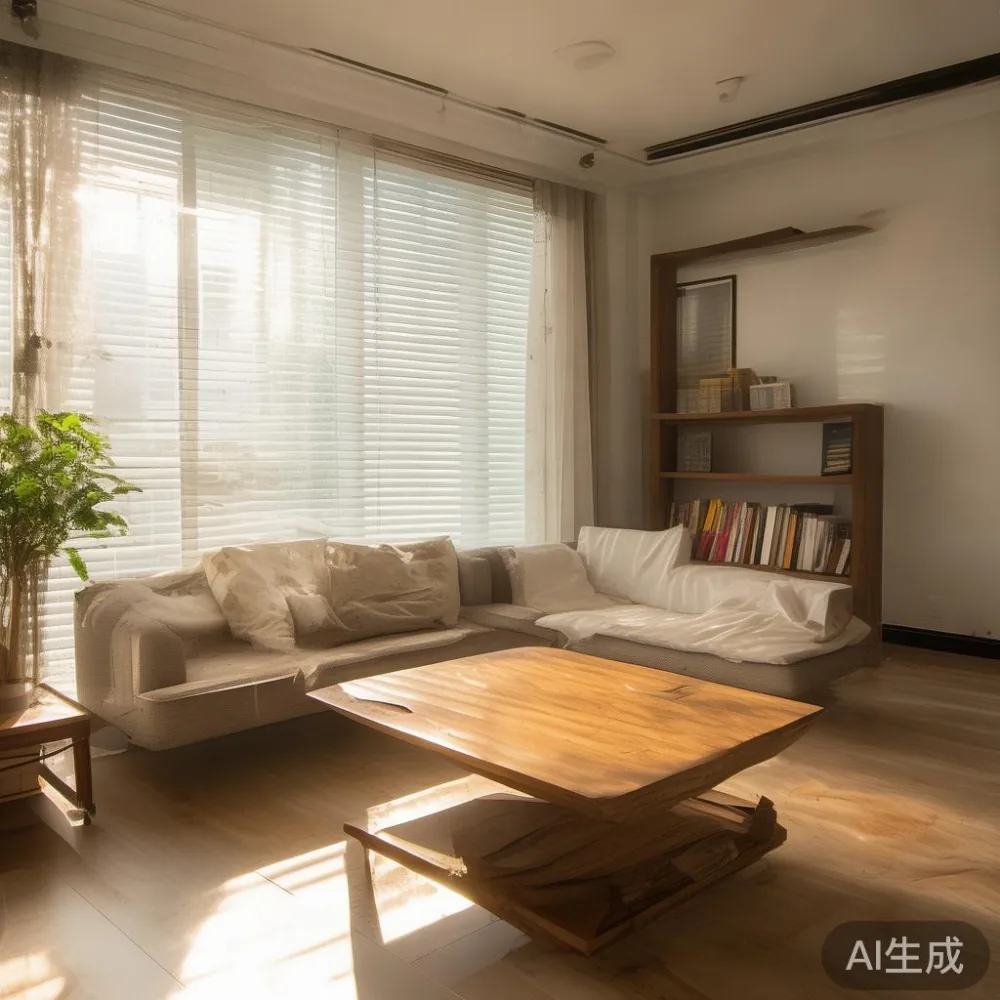
A veneered bed frame may initially cost about SGD 680, a wardrobe SGD 1,280, a dining table SGD 620, a nightstand SGD 120, and a sofa SGD 1,380. Together, that is approximately SGD 4,080 before GST. A comparable solid wood collection may cost SGD 1,280, SGD 2,180, SGD 1,080, SGD 260, and SGD 2,680, or about SGD 7,480 before GST.
Over 5 years, the difference is not simply the extra amount paid on delivery day. Veneer can require edge repair, veneer replacement, or a complete resurfacing if moisture, sunlight, pets, or moving damage affect the outer layer. Solid wood can be sanded and refinished, although structural repairs still depend on the joint and component involved.
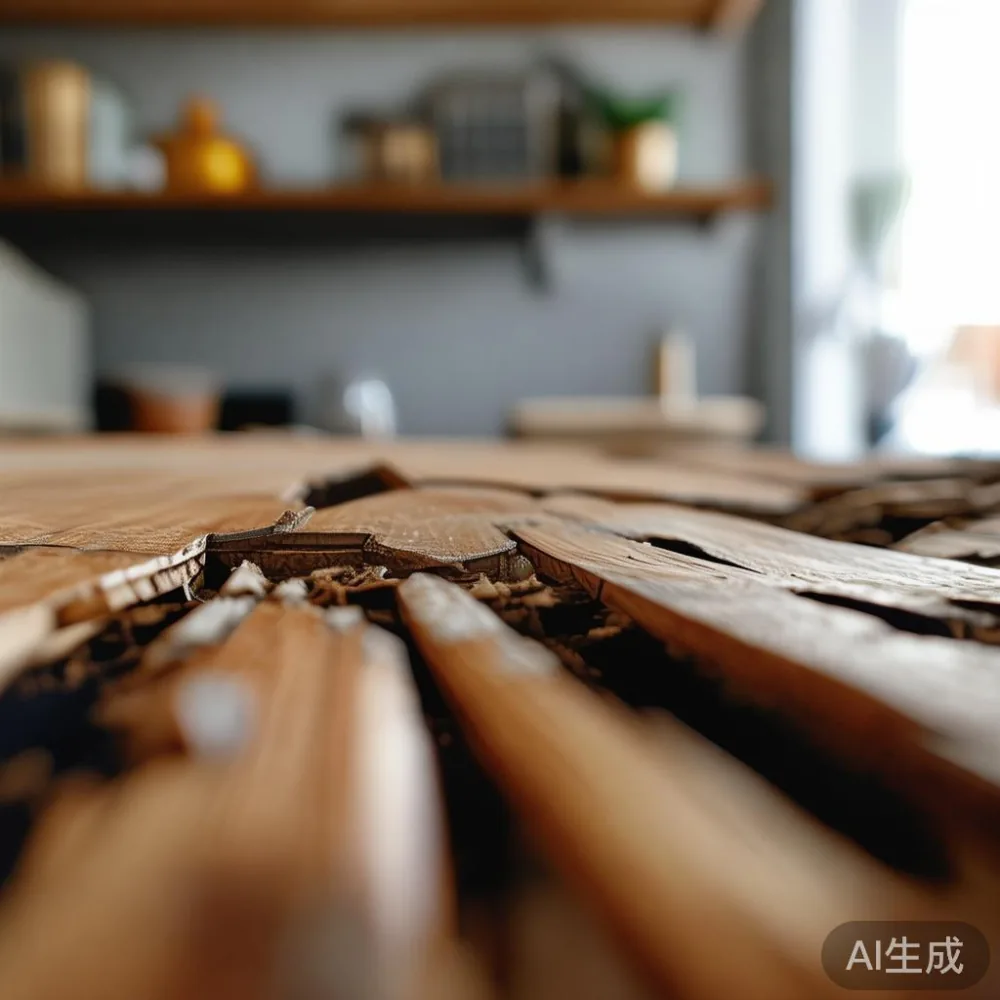
For this model, budget SGD 420 over 5 years for veneer repairs and refinishing, compared with SGD 180 for solid wood maintenance. Add an estimated SGD 160 delivery and protection cost for each material and 5 years of ownership. The result is approximately SGD 4,660 for veneer and SGD 7,820 for solid wood before GST, with VAT at 9% adding roughly SGD 419 and SGD 704 respectively.
This simplified example shows why a lower sticker price does not always produce the lower 5-year cost. A 20-year-old veneer wardrobe that needs two new doors can move from modest repair costs to a much larger bill. Solid wood tends to retain its identity when a finish changes, while veneer repairs can remain visible because the repaired surface may not match the original grain exactly.
What makes solid wood more expensive at the start?
The initial premium buys material, labour, and time. Solid wood uses a substantial section of timber rather than a thin decorative layer bonded to engineered board. A 45 cm nightstand might use around 18 kg of solid wood, compared with roughly 9 kg of mixed veneer and engineered components. A 180 cm bed frame may weigh 65 kg in solid wood and 38 kg in a lighter veneer construction.
Weight is useful when comparing durability, but it is also a practical delivery issue. A 200 cm sofa weighing 70 kg requires at least 2 delivery workers and a suitable lift. A 55 kg sofa may need the same number, yet the heavier unit is less likely to flex during transport. The lift and corridor dimensions in a HDB block should be checked before ordering.
Singapore condo corridors often have wider access than older HDB blocks, but a 90 cm service lift can still restrict turns. Measure the doorway, lift door, lift car, corridor corners, and the route from the loading area. Allow at least 10 cm clearance around bulky pieces where possible. For a dining table, remove the legs if the design allows and place the top upright on a protected trolley.
Solid wood also has more visible variation. That is not a defect; it is one reason a solid dining table can feel more substantial than a similar veneer table. French light luxury often favours pale oak, cream tones, restrained profiles, and tactile surfaces. American light luxury can use warmer walnut tones with deeper edges and clearer joinery. Post-modern light luxury may pair clean planes with carefully selected natural grain.
The finish matters too. A factory-applied matte or low-sheen coating can reduce daily wiping, but it does not prevent checking or movement as timber responds to humidity. Singapore’s climate commonly moves between air-conditioning at 24 °C and warmer outdoor conditions near 32 °C. Solid wood should be kept away from direct vents and damp bathroom walls.
How much does shipping damage change the total cost?
Shipping damage can erase the apparent savings of a lower-priced package. A veneer wardrobe may chip along an edge after a trolley catches a corridor corner. A veneer dining table can split at the joint if the top twists during lifting. A solid wood sofa can develop a scuff or frame complaint if it is moved without adequate protection.
The repair value depends on the component. A small veneer edge chip might cost SGD 70 to SGD 140 to repair. Replacing one wardrobe door might cost SGD 180 to SGD 320 after fabrication and fitting. A damaged solid wood rail or leg may cost SGD 90 to SGD 220 to replace, while refinishing a visible area can add SGD 160 to SGD 400.
Protection during shipping damage is not an optional detail in a compact HDB home. Wrap corners with foam, use a fitted carton for every removable component, and ensure the outer packaging does not leave large voids. For a bed frame, protect the headboard and footboard separately. For a marble table, use a rigid frame, corner guards, and a separate top section whenever the access route is tight.
Last month I visited a client’s three-bedroom HDB flat in Punggol and watched a 180 cm solid wood bed frame reach the corridor. The lift was 100 cm wide, but the turning space near the staircase was tighter than the drawings suggested. The delivery team removed the boxed headboard, turned it on its edge, and moved the side rails separately. One rail had a corner abrasion after the first attempt, so the protector was replaced before delivery. The extra 25 minutes of careful handling cost less than fitting a replacement rail later.
This is one reason MIDHILL supports delivery planning for Singapore homes and offers a 10-year structural warranty, lifetime refinishing, and 14-day returns. A warranty only helps when the product remains identifiable and the issue is assessed accurately, so clear photographs and packaging records are worth keeping.
Is veneer a practical choice for small Singapore apartments?
Veneer can be a practical choice where the budget is limited and the piece has a stable indoor location. It offers many finishes at lower weight, which can help during delivery. A 120 cm veneer bed frame may weigh 28 kg, while a 140 cm solid wood version may weigh 42 kg. A slim veneer wardrobe can provide useful hanging space without occupying the same visual weight as a chunkier solid wood unit.
The trade-off is repairability. Veneer is thin, often less than 1 mm on furniture-grade panels. If that layer is torn, it cannot be restored as easily as a solid board. The underlying particleboard or MDF may also be vulnerable to moisture if a seam fails. This makes the edge, underside, and delivery corners the areas to inspect most closely.
For renters, solid wood may not be the lowest immediate expense if the furniture will be removed and reinstalled. If you know how to style American bed in bedroom, you may be planning a move, changing the wall position, or creating a stronger visual centre in a compact Tampines room. In that case, include disassembly, transport protection, and reinstallation in the comparison.
For owners, consider whether the piece will stay in one dry room for at least 5 years. A solid wood dining table or bed frame that remains in place often offers better repair options. A nightstand used in a humid balcony laundry area may not be a good candidate for either material unless it is properly sealed and positioned away from moisture.
Resale expectations also vary. A well-maintained solid wood piece can be easier to move to another home because its material is recognised and refinishable. A high-quality veneer piece can still perform well, but buyers may focus on the condition of the decorative skin and any previous repairs.
What maintenance costs should you expect in Singapore?
Solid wood does not mean maintenance-free. Dust, sunlight, spills, insects, and unstable humidity still need attention. The practical goal is controlled maintenance rather than replacement.
For a solid wood bed frame, dust weekly with a dry microfibre cloth and wipe spills within 10 minutes. Avoid silicone-based furniture sprays because they can leave a patchy film. Every 12 months, check the centre joint, fixing points, and floor contact. A 180 x 200 cm frame with a 65 kg mass should have levelers checked because an uneven floor can create stress at the joint.
A dining table needs more protection. Use a placemat under hot dishes, even when the surface feels cool to the hand. Coasters are preferable for a 10 cm diameter glass or ceramic vessel. Clean the top every 2 to 4 weeks, and inspect the finish every 6 months. If the finish becomes dull, sanding and refinishing may cost around SGD 250 to SGD 600 depending on the table size and access.
Wardrobes need airflow inside. Leave at least 5 cm behind the back panel where possible, and avoid placing them directly against an exterior wall that receives persistent condensation. Hanging rails should carry distributed loads rather than concentrated weight at one end. For a 180 cm wardrobe, reinforce or fit a central support if heavy garments are regularly stored.
A nightstand can be maintained with the same routine. Check the drawer runners every 6 months, and use a small 45 x 30 cm mat if a lamp or speaker may be moved frequently. For a solid wood sofa, rotate cushions monthly and keep at least 5 cm from a humid wall. The frame may last for decades, while cushions and covers can need replacement within the 5-year period.
Veneer maintenance may appear simpler at first, but repairs can be more selective. A useful test is to ask what happens if a 12 cm section of exposed edge is marked. Solid wood can often be filled and refinished. Veneer may require a patch or replacement panel, especially if the edge substrate is exposed.
How should you choose between veneer and solid wood for each room?
Start with the use, then consider the delivery route and finish. A dining table needs a stable top, repairable edges, and a finish suited to frequent wiping. A bed frame needs strong joints and protected corners. A wardrobe needs internal support and door alignment. A nightstand needs to match bedside height and lamp positioning. A sofa needs a frame that suits how people sit, rather than a material chosen only from a photograph.
For a bedroom, measure the bed against the HDB room and lift access. A queen frame at 180 x 200 cm will not pass through a lift in every orientation, even if the lift opening measures 90 cm. Measure the diagonal of the lift car and the length of the corridor turn before confirming large cartons.
If you are comparing products, a practical search for how to choose American bed can help clarify the style: a broad headboard, upholstered or panelled details, and a substantial timber rail may suit a larger condo bedroom. In a compact HDB flat, a lower-profile frame with a 105 cm headboard can preserve visual space while giving the bed a clear presence. Search how to style European bed in room when comparing curved or tufted headboards with clean European joinery.
For the living room, how to style European sofa in room depends on the architecture and circulation path. A pale solid wood sofa with slim arms can work with French light luxury, while a deeper profile and visible timber base may suit American light luxury. Keep 75 cm between the sofa and dining table where possible, and 90 cm in a main walkway. Confirm that a 200 cm sofa can be carried around the lift lobby corner.
For storage, the best Japandi wardrobe for 2026 may be defined by pale timber, restrained hardware, and adaptable internal fittings rather than by matching every item perfectly. Before buying, open a full-height door in the room and check the clear floor area. You should be able to stand at the open door without blocking a path of at least 60 cm.
A Minimalist for dining room approach can use one 160 cm table, 6 chairs, a narrow sideboard, and pendant lights with minimal visual clutter. This is where material consistency helps. If a marble table is included, inspect the top for veining, corner protection, and the method of attaching the base. Marble adds visual weight and needs a careful delivery plan; it should not be treated as a replacement for a durable timber frame.
Which option gives Singapore homeowners the better 5-year value?
The numbers favour solid wood when the furniture will remain in one home, the household values refinishing, and delivery access can be measured properly. In the sample, solid wood costs about SGD 3,160 more over 5 years before GST, including purchase, estimated maintenance, and delivery protection. That premium buys repair options, visible grain, and a substantial feel that many veneer products cannot reproduce.
Veneer can still make sense for occasional-use pieces, lower initial outlays, or homes where lighter delivery and multiple relocations are priorities. The 5-year risk rises if the surface is exposed to frequent contact, children, pets, or corridor handling. Shipping damage should be considered at order stage, not after a chipped corner reaches the flat.
For a dining table, reserve around SGD 1,400 to SGD 2,000 for a solid wood unit and a four-person chair set. For a 180 cm bed frame, expect approximately SGD 1,100 to SGD 2,000. A 180 cm wardrobe may range from SGD 1,800 to SGD 3,200, while a 200 cm sofa may fall between SGD 2,200 and SGD 4,200. A nightstand usually sits around SGD 180 to SGD 420. Marble tops can add SGD 500 to SGD 1,800 depending on size and design.
Freight and access should be quoted clearly. If the total is above US$350, MIDHILL’s shipping offer does not itself determine Singapore domestic delivery or lift handling. Ask for the in-home delivery charge, assembly charge, and any staircase or difficult-access fee before payment. GST should be shown as a separate 9% line.
One final detail is product documentation. A timber species, finish type, board dimensions, care instructions, warranty scope, and replacement-part process make a 5-year budget more reliable. For a light luxury dressing table, check drawer travel, cable access, mirror stability, and whether the top can be refinished. For larger furniture, measure twice, photograph the access route, and choose protective packing that suits Singapore’s delivery environment.
Solid wood is not automatically the right choice for every room, and veneer is not inherently short-lived. The stronger decision is made when purchase price, likely repairs, access conditions, and future refinishing are counted together. Over 5 years, solid wood often provides more repairability and consistency; veneer can be sensible when its initial savings and lighter handling are genuinely useful.