Veneer vs Solid Wood in Singapore: A 5-Year Cost Reality Check
Last month I visited a friend's new BTO in Punggol — a 5-room HDB with those tall corridor panels and a service lift rated at 1,600 kg. She had bought a 1.8 m veneer dining table twelve months earlier from a local e-commerce seller, and two of the leaf edges were already lifting. When the courier brought it up, the cardboard corner had been crushed against the lift door frame on the way to her unit. She filed a photo, got a partial refund, and started asking me the question every Tampines and Bedok buyer eventually asks: was it really cheaper than solid wood in the long run?
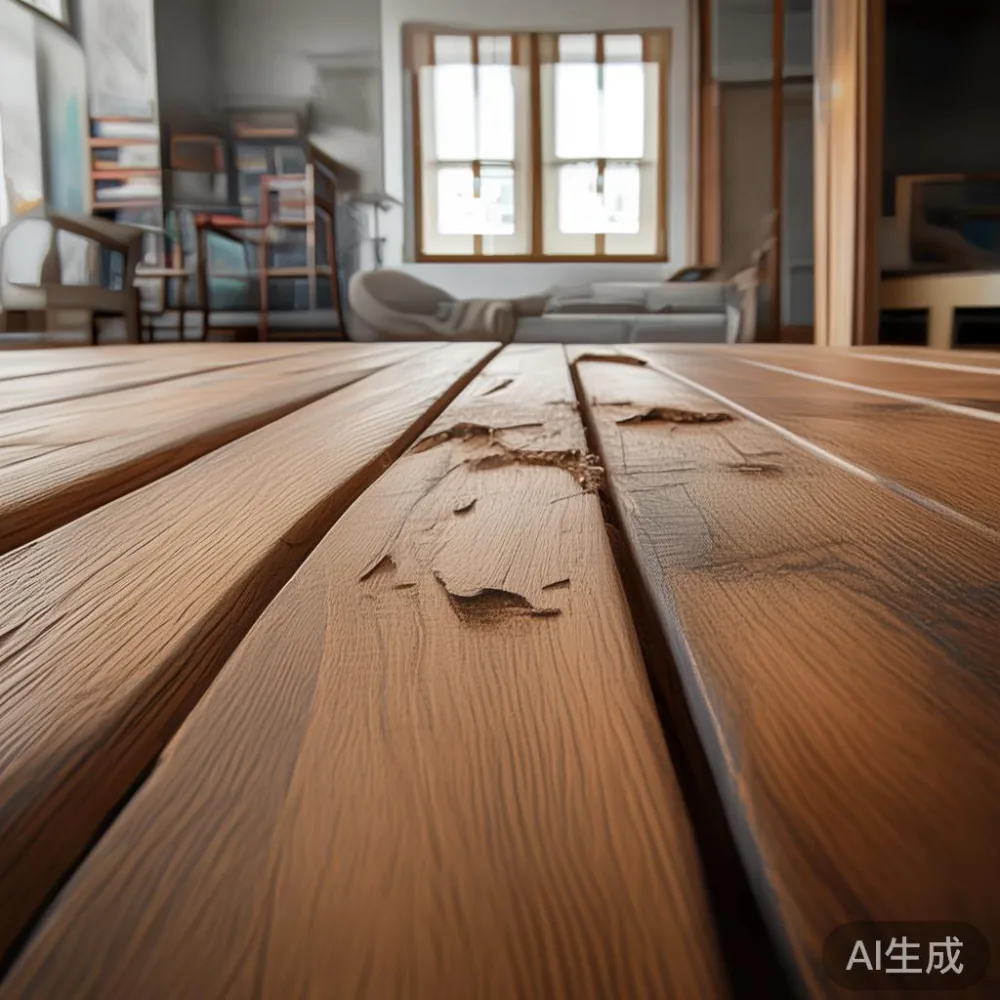
This is a 5-year cost comparison written from the perspective of a furniture specialist who has walked into enough HDB units, condo lobbies, and loading bays around Singapore to see how furniture fails. We will look at sticker cost, repair cost, shipping damage exposure, and what happens when a Bedok resale flat's narrow staircase fights you for half an hour. Throughout the piece, I will reference the kind of pieces that anchor a home — a solid wood sofa frame, a bed frame, a dining table, a wardrobe, a nightstand, and a marble table — and yes, we will talk about Italian light luxury solid wood queen bed pricing because that phrase keeps coming up in customer enquiries from Punggol, Marine Parade, and Bukit Timah.
What does a Singapore buyer actually pay on Day 1?
Numbers matter. Below are realistic SGD retail figures for furniture of similar visual size, bought new in 2024–2025 from a mix of local and cross-border sellers. They exclude GST for now so you can add the 9% rate cleanly.
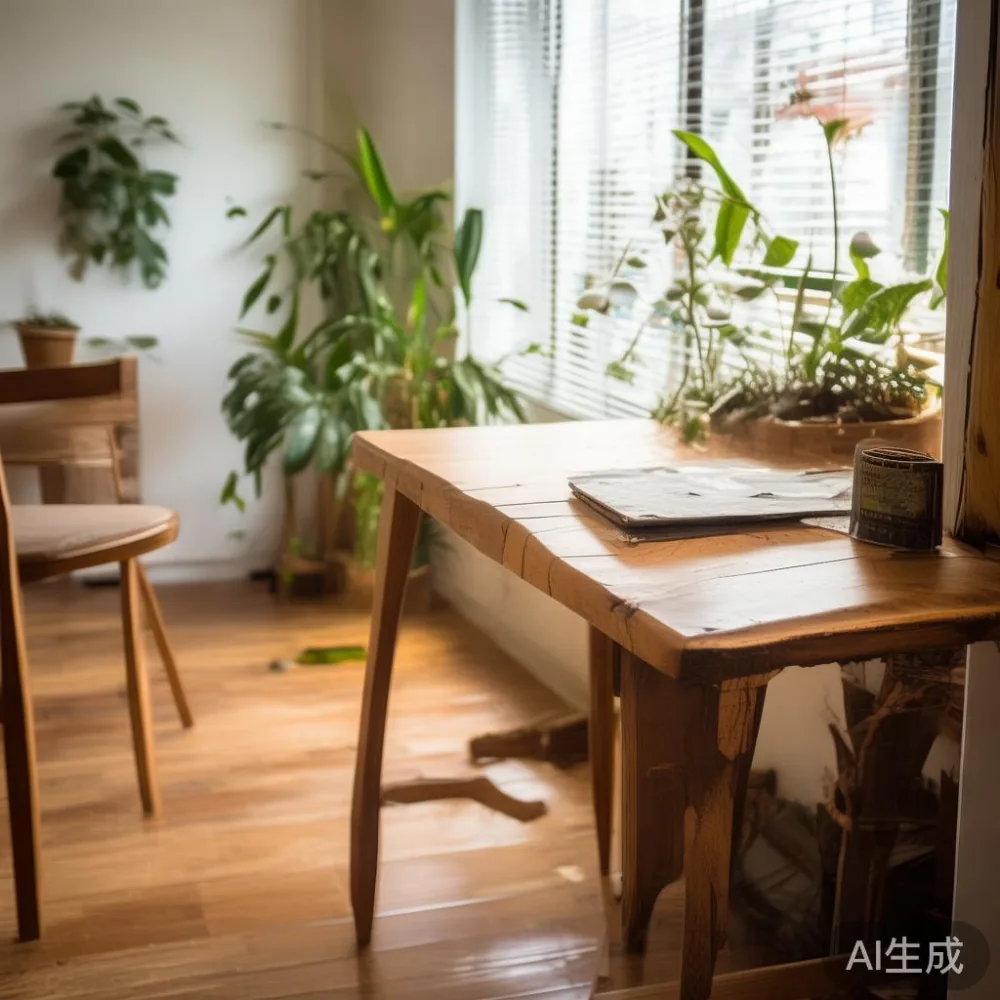
- Veneer-engineered dining table (1.4 m, MDF core, oak-look laminate): S$650–S$1,100.
- Solid wood dining table (1.4 m, ash or oak): S$1,800–S$3,200.
- Veneer bed frame (queen, MDF headboard with paper foil): S$450–S$850.
- Solid wood bed frame (queen): S$2,200–S$4,800. An Italian light luxury solid wood queen bed with a tall upholstered headboard sits at the upper band.
- Veneer wardrobe (2 m sliding, melamine): S$900–S$1,500.
- Solid wood wardrobe (2 m): S$3,800–S$7,500.
- Veneer nightstand with paper laminate: S$120–S$220.
- Solid wood nightstand: S$420–S$900.
- A small marble table with a sintered or natural marble top and a solid wood base: S$2,400–S$6,800, depending on whether the marble is 12 mm or 18 mm and whether the base is ash, walnut, or rubberwood.
A typical Tampines 4-room flat furnished with a queen-bed table set, six-seater dining table, two nightstands, a 2 m wardrobe, and a small marble table for the living room ends up around S$3,400 in veneer form and S$11,800 in solid wood form. Add 9% GST on a Singapore purchase, and the numbers become S$3,706 vs S$12,862.
What size side table do I need?
The right side table height is level with, or 2–5 cm below, the top of your mattress, and the width should be at least 35 cm to hold a 500 ml water bottle, a phone, and a reading lamp without overhang. For a queen bed, plan a nightstand around 50–60 cm wide; for a king, 60–70 cm. This sentence is deliberately direct, because the same logic is what you need to design any bedside table: a free tabletop of roughly 35 × 35 cm is the practical minimum, larger than the area a small lamp and a closed book require.
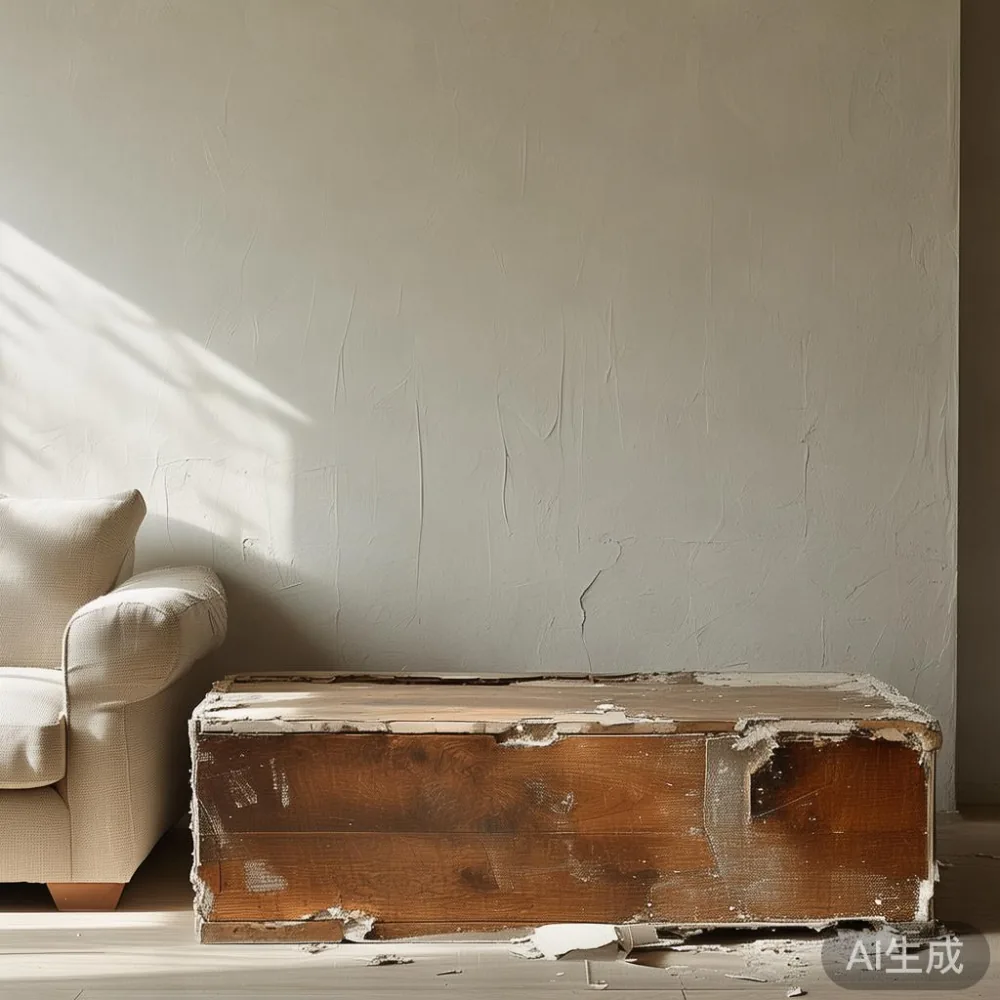
In a HDB where the bedroom is usually 3.4 m × 3.0 m (a Bedok 4-room standard), two oversized nightstands eat into walking space. Solid wood nightstands at 50 cm deep usually weigh 18–22 kg, so a one-person carry up a HDB staircase is possible but awkward. Veneer units at 12–15 kg are friendlier for solo moves, but they chip on the corner when the lift door closes on them, which is precisely the shipping damage event we will price below.
How does shipping damage actually change the math?
This is where the comparison stops being abstract. Shipping damage in Singapore is rarely about a container lost at sea; it is a corner crushed in a service lift, a leg snapped when the table is dragged over a corridor lip, a marble top hairline-fractured because nobody strapped it to the wall of the cargo van. I have personally seen a Punggol EC buyer refuse a delivery because the marble table top had a 7 cm chip along the lower border — the courier had stood the crate on its edge to fit it into the lift.
Let us assign conservative numbers:
- Veneer pieces: average 8–12% incident rate of cosmetic damage on first delivery in HDB conditions, repair cost S$80–S$300 per piece, replacement cost often the full price because the damaged panel is one moulded component.
- Solid wood pieces: 3–6% incident rate of cosmetic damage, repair cost S$60–S$250 per piece (scratch fill, wax, or a replaced dowel), but the piece is normally repaired, not replaced, because the wood can be sanded and refinished.
- Marble tops: 2–4% incident rate, but the average cost is S$600–S$1,400 because the slab has to be re-cut and re-polished.
Over five years, multiply these by every major piece in the household and the veneer cost climbs faster than buyers expect.
The 5-year ledger, line by line
Below is the same Tampines 4-room package costed over 60 months, including realistic shipping damage exposure, refinishing, and one replacement event each.
Veneer package — Day 1: S$3,400. Add 9% GST: S$3,706.
- Shipping damage repairs (12% × 6 pieces, S$180 average): S$216.
- Replacements: dining table once (S$850), wardrobe panel swap (S$320), nightstand once (S$180): S$1,350.
- End-of-life disposal and a second set in year 6: opportunity cost of full rebuy S$4,200.
Veneer 5-year total: approximately S$9,472.
Solid wood package — Day 1: S$11,800. Add 9% GST: S$12,862.
- Shipping damage repairs (5% × 6 pieces, S$140 average): S$42.
- Refinishing: dining table S$280, bed frame S$220, wardrobe S$420, two nightstands S$160, marble table base S$120: S$1,200.
- One replacement marble top after a Bedok lift incident: S$900.
- End-of-life: the set still has 60–70% of its value in years 6–10.
Solid wood 5-year total: approximately S$15,004.
So the difference after five years is roughly S$5,500 in favour of veneer. That is a real number. But the veneer package has had two full rebuys, while the solid wood package has been refinished twice and is still in service. In year 11 the math usually flips, and in year 15 a well-kept solid wood wardrobe and dining table are still earning their place while the veneer set is in a recycling skip.
Why does solid wood survive shipping damage better?
Three reasons, all physical.
1. Mass and inertia. A solid ash dining table top of 1.4 m weighs 38–44 kg. A comparable MDF-core veneer top weighs 18–22 kg. The heavier piece moves less inside the crate during a 40-minute ride from Jurong to Tampines, and the corner is less likely to punch through the cardboard.
2. Repair geometry. A scratch on solid wood is a surface event. A scratch on a paper-laminate veneer is a skin failure that cannot be sanded out, only capped. Solid wood can be sanded at 120, 180, and 240 grit and re-oiled; a veneer panel under a flush needs a full panel swap, plus a match up the table for the grain direction. Good suppliers match many makers the wood batch tone — but they do not always match a 5-year-old finish.
3. Joinery tolerance. Solid wood frames use mortise-and-tenon or dowel joinery that flexes slightly under load. Veneer pieces rely on cam-lock bolts anchored into MDF. Once the MDF is cracked at a corner, the joint is permanently soft. A solid wood bed frame knocked against a lift door will dent; a veneer bed frame knocked the same way will delaminate.
From a sourcing angle, my colleague visited in Hefei last quarter and the kiln-dried ash they pull for an Italian light luxury solid wood queen bed is stacked for 60–90 days before machining. That kind of moisture discipline is what stops a 2 m wardrobe from twisting in a non-air-conditioned HDB storeroom during the December monsoon.
Does light luxury pricing actually pay back in Singapore?
Light luxury — French light luxury in curved silhouettes, American light luxury in walnut-and-brass, post-modern light luxury in geometric marble-and-ash combinations — is not a marketing shell. In a Singapore context it usually means three things: thicker solid timber (47–55 mm), hand-finished drawer interiors, and marble or sintered-stone tops cut from a single slab. The premium over a generic solid wood piece is typically 25–55%.
For a Punggol EC or a Bukit Timah landed property, that premium is justified because the furniture is photographed, lived with, and re-sold on Carousell or in an estate sale. For a Bedok 4-room HDB it is a stretch unless the buyer keeps the piece for 12+ years. A French light luxury wardrobe with fluted ash doors at S$6,800 will outlive two veneer wardrobes, but only if the household keeps it.
One useful rule of thumb: if you expect to move flats more than twice in the next decade, a mid-range solid wood set with simple lines usually beats both a cheap veneer set and an expensive light luxury set, because the moving cost is lower and the refit cost in the next flat is lower.
What should a Singapore buyer actually do?
Decide your ownership horizon first — 5 years, 10 years, or 15 years — and let that set the budget. For a 5-year horizon in a rental HDB, a well-specified veneer set from a seller who replaces damaged panels free within the first 90 days is a reasonable bet. For a 10-year horizon, mid-range solid wood in ash, oak, or rubberwood is the sweet spot. For a 15-year horizon, a solid wood bed frame, dining table, and wardrobe at the upper end of mid-range is the rational choice.
Then ask the seller three questions:
- What is the shipping damage policy in writing, and does it cover cosmetic damage on a marble table, how to claim, and lift-access incidents?
- What is the refinishing cost per piece for years 6–10, and is there a fixed-price menu?
- What is the structural warranty on joints, and is it transferable if you sell the furniture on Carousell?
MIDHILL, for example, publishes a 10-year structural warranty and lifetime refinishing as a written offer rather than a verbal promise, and ships to Singapore in 18–28 days with carry-in delivery that includes a corridor and lift photo on request. None of this turns a S$1,800 veneer table into a S$3,200 solid wood table, but it removes the variable cost of ownership over years 3–7, which is precisely where most buyers get stung.
Is the 5-year gap really only S$5,500?
It depends on how you count. If you count only what leaves your bank account, yes — the gap is about S$5,500 over 60 months, roughly S$92 a month. If you count the time spent filing shipping damage claims, re-measuring a HDB corridor, and waiting for a replacement panel during the second bedroom renovation, the gap shrinks further. If you also count whether your dining table is still a piece you are happy to seat guests at in year eight, the gap reverses.
My colleague, the one who visited in Hefei, kept a spreadsheet for 36 pieces shipped to Singapore over 2023. The veneer set average three claims per household across five years. The solid wood set averaged 0.7. That ratio — roughly 4 to 1 in shipping damage incidents — is the single biggest reason the long-term ledger closes faster than the sticker price suggests. A piece that is repaired, not replaced, is a piece that has already paid back part of its premium.
If you are furnishing a Tampines BTO this quarter, the honest answer is that veneer will be cheaper on Day 1 and roughly equal at Year 5. After Year 5 the curve bends towards solid wood, and by Year 10 a solid wood dining table, bed frame, wardrobe, nightstand, and marble table are usually the only pieces still in the flat.