Lacquered Solid Wood in a Tropical Home: Care, Delivery and Long-Term Protection
Singapore’s warmth and humidity can be hard on lacquered furniture, especially when a piece has travelled from Foshan to an HDB flat in Tampines, a Bedok condominium or a narrow Punggol corridor. Good care begins before delivery: ask about protective packaging, photograph the furniture on arrival and record every corner, rail, leg and lacquered surface. These few minutes can make it much easier to document shipping damage and arrange a replacement or repair without unnecessary argument.
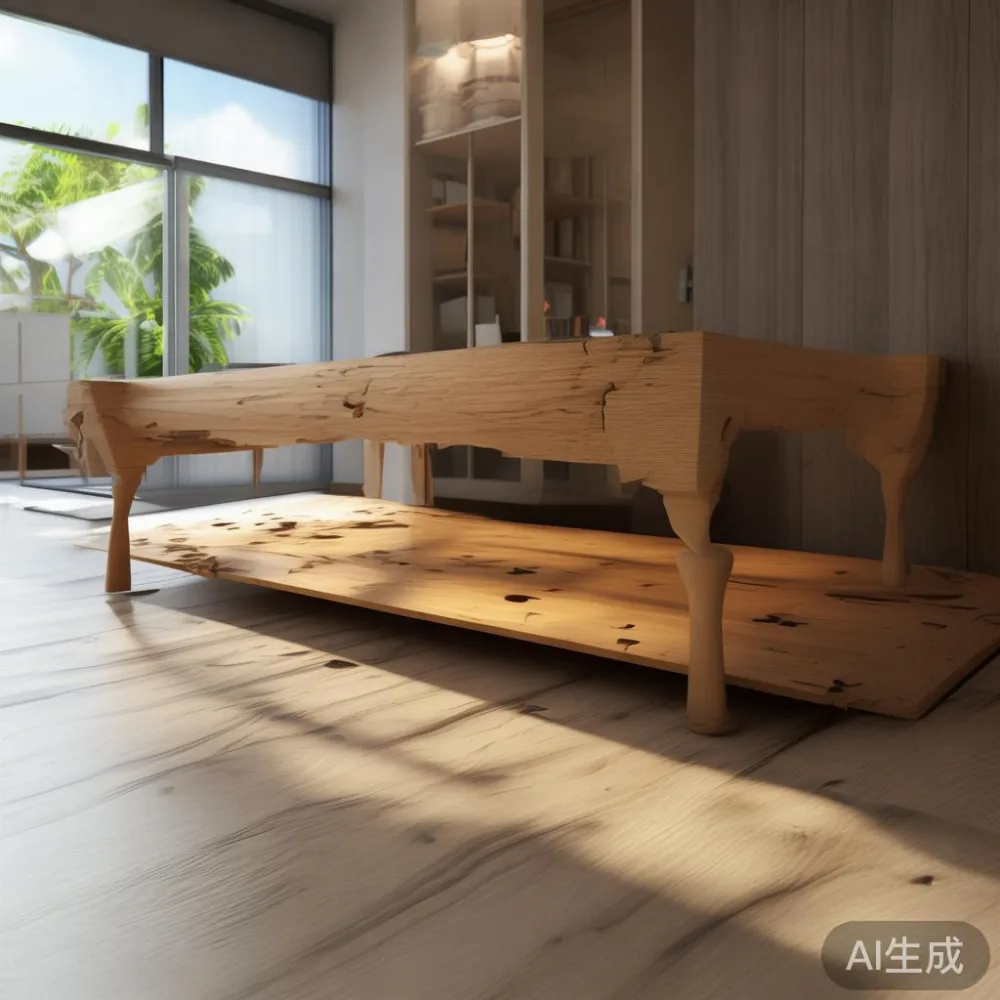
MIDHILL applies this practical approach to lacquered solid wood furniture while retaining the visual language of French light luxury, American light luxury and post-modern light luxury. The result should feel refined in the home, not delicate to the point of being unusable.
Why does lacquer behave differently in Singapore’s humidity?
Lacquer is a thin surface finish applied over wood. Unlike an unfinished solid wood sofa frame or a simple oiled dining table, lacquer creates a continuous skin that responds sharply to moisture, heat and repeated touching. A polished finish may still develop fine marks, but that does not automatically mean the underlying solid wood has swollen or warped.
Singapore’s outdoor air can move between 24°C and 33°C on many days. During monsoon periods, relative humidity may sit above 80% for several hours. Inside a high-rise unit, air-conditioning may reduce daytime humidity to 45–60%, while kitchens, bathrooms and west-facing windows introduce damp patches and temperature swings.
Wood naturally expands and contracts as it gains or loses moisture. A typical dining table may change by roughly 1–3 mm across a 180 cm width over a seasonal cycle. Lacquer can flex with the substrate, but abrupt changes, standing water and harsh cleaning can cause checking, clouding or blistering.
The practical goal is not to create a museum environment. It is to keep changes gradual. Aim for a relative humidity reading of about 45–65% where possible, maintain 2–5 cm of clearance from walls and avoid placing a lacquered wardrobe or nightstand directly against an air-conditioning vent.
What should I check before the delivery team leaves?
Before accepting a lacquered bed frame, wardrobe, nightstand or dining table, inspect the finish under the building’s normal lighting. Check all six faces if space permits, including the underside, rear panels, drawer runners, joints and edges. Look for chips, cracks, dents, bubbles, colour differences and shiny patches.
Run a clean fingertip lightly over suspicious marks, but never use a fingernail as a test tool. Wood hardness varies: a gentle rub can reveal local variation in grain, while a firm scratch suggests a deeper issue. For a solid wood sofa, inspect the lacquered frame, feet and arm sections separately from the upholstered cushions. For a marble table, inspect the stone edges and joint lines as well as the lacquered base.
Ask the delivery team to wait while you complete the inspection. Photograph the furniture from at least 4 angles, with close-ups of each damaged area. Include a wider shot showing its position in the room. On a phone, enable automatic date and time recording so the file metadata supports the record.
Measure access before delivery day. A standard HDB lift interior may offer only about 100–120 cm in width on some older blocks, while modern lifts can be larger. A 160 cm lacquered bed frame may need to enter diagonally, and a 200 cm wardrobe may need its panels removed. A 180 cm dining table could be impossible to turn through a 90-degree corridor bend without protection.
For example, a bed frame with two 4 cm side rails and a 4 cm headboard may fit through a 105 cm opening, but tight turning space can still mark the lacquer. Protective blankets, corner guards and clear plastic around each rail reduce shipping damage. If a lift booking is required, allow 3–7 days for confirmation, depending on the building management office.
How should I clean a lacquered surface safely?
Use a soft, lint-free microfibre cloth dampened with plain water and a small amount of mild dishwashing liquid. For a 500 ml spray bottle, mix about 5 ml of detergent with 495 ml of water. Mist the cloth rather than the furniture, and wipe until the surface is only slightly damp.
Never spray cleaner directly onto lacquer, marble or a joint. Water can travel beneath a finish, into a drawer or down a bed-frame joint. Avoid abrasive pads, wire wool, magic erasers, alcohol-based glass cleaner, bleach, ammonia, acetone and concentrateddegreaser. These can soften the finish, leave a dull haze or strip its protective sheen.
Clean small areas at a time, ideally no more than 30 cm × 30 cm. This gives you time to spot an unexpected reaction. Wipe again with a separate clean microfibre cloth and dry with a soft cotton towel. Friction from dirty cloths can create fine scratches that catch overhead light.
Spills need prompt attention. Water should be blotted within a few minutes. Oil, sauce and wine should be lifted with a white cloth and a little diluted detergent. If a lacquered nightstand has a ring mark, try a lightly damp cloth and mild soap first. Repeated scrubbing will not repair a chemically damaged finish; professional refinishing is usually more effective.
I tested one lacquered side table last month in a humid unit near Bedok, placing it 2 metres from a west-facing sliding door. After 21 days, the side facing the window showed a faint haze after a late-afternoon drizzle. One gentle cleaning pass restored most of the appearance; standing the table 15 cm farther from the opening reduced the next condensation mark. The lesson was simple: control the moisture source rather than treating every mark aggressively.
Can I use polish, wax or a furniture spray?
Use only a product confirmed as compatible with the specific lacquer type. “Furniture polish” can contain silicone, solvents or waxes that create temporary shine but attract dust. A greasy film on a dining table may appear to improve the sheen, yet it can make future cleaning harder.
If the manufacturer recommends polish, apply a rice-grain amount to a clean cloth, not the furniture. Test it over a 5 cm × 5 cm area hidden beneath the table or behind a wardrobe door. Wait 24 hours before judging colour, gloss or texture. Do not combine polish with wax without written instructions.
Be cautious with wax on a heavily used bed frame or table. It can penetrate fine checks or make a repair more difficult. For coordinated interiors, the care routine should apply equally to a lacquered bed frame, nightstand, dining table and solid wood sofa, not just the most visible decorative piece.
Aerosol sprays also settle into joints and can be inhaled near food or children. Avoid spraying a lacquered surface in a closed HDB flat. If ventilation is poor, wait until at least 2 hours of cross-ventilation are available. Keep pets away until every surface is dry and there is no strong solvent odour.
How can I reduce humidity, heat and direct sunlight?
Position furniture away from balcony doors, bathroom thresholds and kitchen steam. A 60 cm gap from a window can reduce direct sunlight on a dining table, although the distance depends on the angle of the glass. In a west-facing Tampines or Punggol home, use curtains with a high visible light transmission if privacy permits. UV films can help, but measure them for the actual pane rather than buying a generic roll.
Use a dehumidifier when the room stays above 65% relative humidity. Many compact units are rated for areas of about 15–25 m², with a water tank holding 1.5–4 litres. Empty the tank every 1–3 days, because a full tank or blocked filter reduces performance. Place the unit on a level floor with at least 20 cm of clearance around its intake and outlet.
Do not aim cold air directly at a wardrobe. A temperature difference of more than roughly 8°C between the lacquer and surrounding air can encourage condensation. Keep the air conditioner around 24–26°C and avoid lowering it to 20°C for an empty room merely to protect the furniture.
Coastal salt residue is less damaging to indoor lacquer than persistent damp, but it can leave gritty marks that scratch when wiped. Window tracks should be cleaned every 2–4 weeks in heavily exposed units. A soft brush and damp cloth remove grit before furniture cloths come into contact with it.
What should I do if I find shipping damage?
Do not repair a large chip, split cabinet panel or detached lacquer section with ordinary glue. Photograph it, stop using the affected area and contact MIDHILL with the order details and supporting images. If the damage affects safety, such as a loose wardrobe hinge, cracked bed-frame joint or unstable dining-table leg, remove the piece from circulation where this can be done safely.
Keep the original packaging for at least 14 days. Cardboard, foam and corner protectors can help a repairer understand the original assembly and packing method. Retain delivery notes, lift access photos and the condition report. For returns, the available 14-day return window makes rapid inspection particularly important.
Shipping damage may look like a chipped lacquer edge, dented rail, scratched table leg or cracked wardrobe panel. It can also remain hidden until the furniture is moved. Check under drawer runners, behind removable panels and beneath the top of a nightstand. Do not sign a “no visible damage” statement without checking those concealed areas where access allows.
MIDHILL offers a 10-year structural warranty and lifetime refinishing on qualifying products. Warranty and refinishing are separate processes: the structure addresses long-term construction issues, while refinishing addresses surface condition. The exact scope should be confirmed with the supplier, especially for lacquer colour matching, discontinued finishes and marble surfaces.
A solid wood bed frame may be refinished more easily than a veneered panel because the damaged area can be sanded to expose clean timber. A lacquered wardrobe with particleboard components requires a different repair method. A marble table should never be sanded aggressively to correct a small surface mark, because grinding can change the profile.
How should furniture be moved through lifts and narrow corridors?
Measure the route before delivery day, not during it. Record lift door width, internal depth, internal width, ceiling height, corridor width and the tightest turn. Add 5–10 cm of working margin for handles, gloves and protective wrapping. Older HDB lift doors may be only 80–90 cm wide, while some condo lifts are around 100–110 cm.
Remove detachable wardrobe doors and bed-frame headboards only if the supplier approves. Protect each exposed corner with a 2–3 mm foam or felt guard secured by tape that will not leave residue. Do not put adhesive tape directly on lacquer; low-tack film can still pull the finish when removed in heat.
Carry a lacquered dining table on edge when the design and instructions allow, using at least 2 protected blankets and 4 people for a piece over 80 kg. Keep the marble table upright if its construction requires it, and never lift it by the tabletop alone. A solid wood sofa and bed frame can still mark walls during turns, so assign one person to watch the clearance and call movements in short instructions.
If a piece cannot enter without scraping the corridor, pause the move. Scratches to corridor walls are not the furniture maker’s responsibility, while avoidable damage during delivery can become a shipping damage claim. Clear the route, protect the turns and document any new marks before proceeding.
How do I match lacquer care to different furniture types?
For a solid wood sofa with lacquered outer arms, avoid repeated contact with belts, watch buckles and metal fasteners. Keep a soft throw over one arm if children or pets regularly climb there, but allow air circulation beneath it. Lift cushions instead of dragging them, since grit trapped under a cushion can abrade the frame.
For a bed frame, check the top edge near a window, because condensation and hand oils collect there. Dust the footboard every 2 weeks and clean any spill around the joint within 5 minutes. Do not lean tools or wet towels against the headboard.
For a dining table, use a placemat under hot pans and coasters beneath cold drinks. A 180 cm table may seat 6 people, so crumbs and liquids are likely; clean after meals rather than once a week. On a marble table, use a neutral pH cleaner for the stone and keep vinegar, lemon juice and acidic cleaners away from both the marble and any lacquered support.
For a wardrobe, allow 3–5 cm of rear clearance where the installation permits, and check the top corners for moisture. Run the ventilation panels as designed. For a nightstand, keep water vessels off the lacquer and wipe the ring-mark area before moisture becomes embedded.
Design references can help customers shortlist products: a Japanese for small living room layout often favours compact proportions and pale tones; a top 10 Japandi furniture list can provide useful scale checks for HDB interiors. For buyers comparing for sale Modern light luxury furniture, request lacquer samples and dimensioned drawings rather than relying on screen images. Searches for top 10 Modern furniture may produce useful ideas, but each footprint must fit the actual room.
The phrases best European light luxury furniture and best Modern light luxury sofa for 2026 are common in style guides, yet finish quality and care instructions matter more than a trend label. A MIDHILL bed should be assessed for frame stability, joint construction, finish type and clearances—not only its silhouette. For a warm, uncluttered Singapore home, French light luxury can work with light woods and restrained hardware, while American light luxury tends toward generous proportions. Post-modern light luxury can introduce clean geometry without making a compact flat feel crowded.
What is a sensible maintenance schedule?
Check the humidity reading every morning for the first 7 days after delivery, then 2–3 times each week during periods of high humidity. Dust lacquered surfaces with a dry microfibre cloth every 7 days. Clean hand-contact areas every 2–4 weeks, and clean dining tables after meals when spills occur.
Inspect bed frames, dining tables, wardrobes, nightstands and marble tables every 3 months. Look under the furniture, along wall lines and around joints. A small moisture meter can help, but it is only one tool: compare readings with visible conditions and follow the furniture maker’s guidance.
Arrange professional refinishing when lacquer becomes cloudy, extensively scratched or locally separated and ordinary cleaning no longer works. Do not wait until a peeling edge reaches a hand-contact zone. Ask for a finish sample and test it in a hidden area first. A good refinishing service should describe the process, expected colour variation and drying time before work begins.
Budget for maintenance rather than treating care as a one-time delivery task. A simple 15-minute monthly routine can protect hundreds or thousands of dollars of furniture. Keep good records, avoid abrupt environmental changes and respond early. That discipline protects both the appearance and the useful life of lacquered furniture in Singapore’s climate.