Online Wood Furniture Delivery in Singapore: Avoid Damage Realities
Two weekends ago I visited a friend on the 14th floor of a Tampines HDB block. He had ordered a solid wood dining table, a four-seater sofa, and a wardrobe from three different online sellers. Two of the three boxes arrived with damage. One dining chair leg was snapped clean through its cardboard corner protector. A wardrobe side panel had a 12 cm hairline crack that ran from the edge of the engineered veneer down to the solid wood frame. My friend told me the same story I had heard from at least nine other people in Bedok and Punggol over the past year: the catalogue photos looked beautiful, the price in SGD was tempting, but the moment the carton hit his corridor floor, the experience fell apart. This guide exists because the gap between an online product page and a working piece of furniture in your living room is wider than most first-time buyers expect, especially in a high-rise city like Singapore where lifts are 1.0 m to 1.2 m wide, corridor turns are tight, and shipping damage claims are governed by rules most shoppers have never read.
What size wood finish do I need?
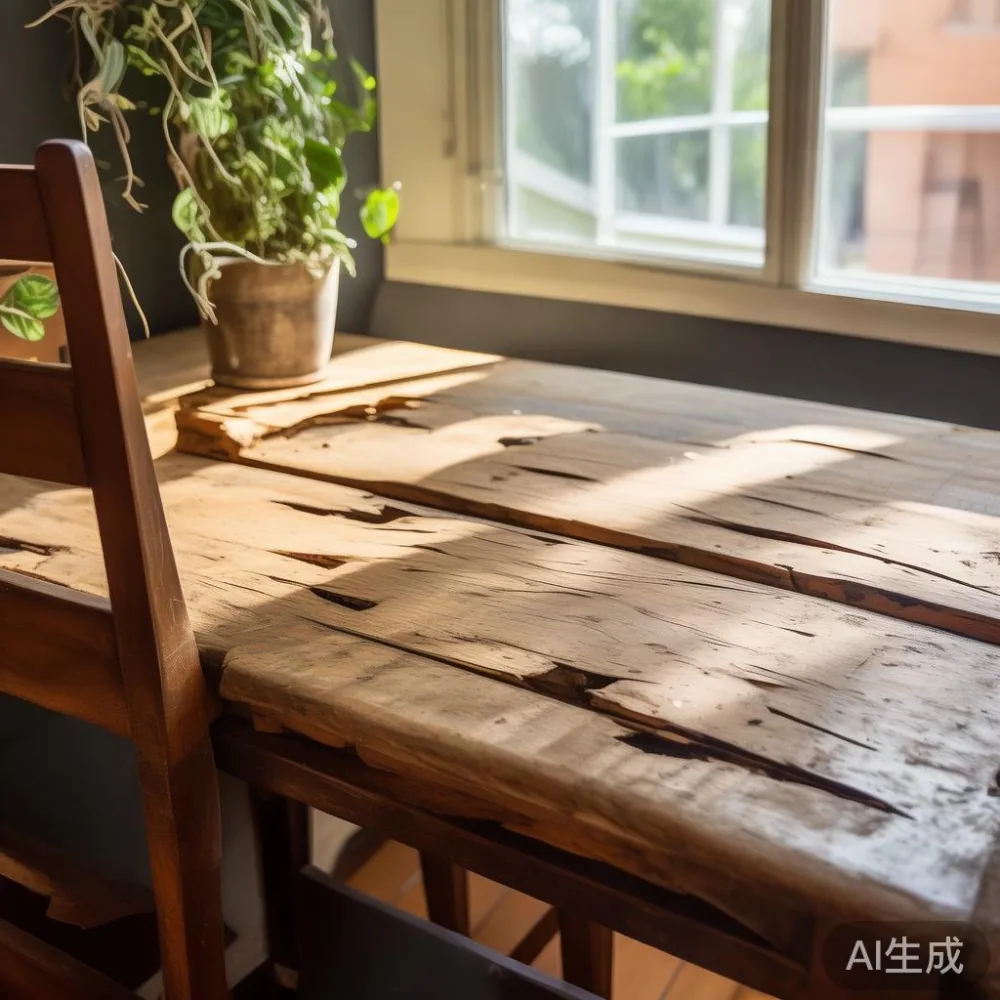
Pick the wood finish to match the dominant tone of the room, not the colour shown on a backlit screen, and order physical swatches before paying a deposit on a solid wood dining table, bed frame, or wardrobe. Two coats of oil-based polyurethane, three coats of water-based matte, or a hand-rubbed wax finish will each change the perceived tone of oak or ash by at least two shades, and a 4 mm difference in grain openness affects how a French light luxury scheme with brushed brass handles reads next to a matte black TV console. So a credible "TV console dimensions guide" is useless if the finish swatch under your corridor light looks three shades darker than the one in the showroom. Ask for an A5 sample, tape it to the wall for 48 hours, and decide only after you have seen it in your own flat between 9 am and 9 pm.
How are Singapore HDB corridors and lifts changing the way furniture is delivered?
Singapore HDB corridors are typically 1.2 m to 1.5 m wide, and passenger lifts in blocks built before 2015 often have internal dimensions around 1.1 m wide by 1.4 m deep with a 630 kg to 770 kg load limit. Newer BTO lifts in Punggol and Sengkang push that to roughly 1.3 m by 1.6 m and 1,000 kg. A solid wood dining table top of 180 cm by 90 cm clears most of those lifts on the diagonal, but only if the carton is under 1.05 m on its longest side. The moment you add 10 cm of foam corner guards, the same table becomes a vertical puzzle that two delivery men have to rotate inside a 1.2 m lift car while the door alarm beeps. I watched this happen last month in a Bishan block where the courier spent 14 minutes disassembling a wardrobe box before it would fit. The wardrobe itself was fine. The corridor skirting was not. Two hairline chips came out of that manoeuvre, which is why experienced sellers pre-measure and pre-quote rather than promise a standard delivery.

Condos add another layer. Most private lobbies in the East require delivery through a service lift that residents rarely use. Those service lifts are often 1.5 m deep with a 1.8 m door height, which sounds generous until you meet a marble table top boxed at 145 cm. Marble is heavy. A 140 cm round marble table on a solid wood base can weigh 95 kg to 110 kg, which puts two able delivery men at their personal limit before they have even crossed the lobby. POST-modern light luxury brands tend to ship marble tops in custom timber crates rather than cardboard, and the weight surcharge in SGD is usually S$120 to S$260 per marble top, depending on the lift schedule and the floor. The charge is not optional. It exists because carrying 100 kg up a service staircase is the only realistic fallback when the lift fails its annual inspection on delivery day.
Why does shipping damage happen so often with solid wood furniture?
Solid wood is heavy, it does not flex the way plywood does, and a single hard drop transfers the full impact into a corner. A kiln-dried oak bed frame weighs 65 kg to 95 kg depending on size, and the same frame in a flat-pack carton concentrates that mass at four corners. Courier networks in Southeast Asia move cartons on roller decks, conveyor belts, and small delivery vans that often cross from Malaysia at Tuas or Woodlands. Every transfer is a potential 15 cm to 30 cm drop onto a steel roller. I have seen shipments arrive with three layers of corner guard intact and a 4 cm split on the top edge of a side panel, because the impact travelled through the foam and into the weakest grain direction. This is the single most common shipping damage pattern for solid wood dining tables, bed frames, and wardrobes ordered online from overseas factories, and it is the reason seasoned buyers ask about packaging before they ask about price.

Packaging standards vary more than people think. A budget export carton is single-wall corrugated at 3 mm to 5 mm wall thickness, with foam corners only at the top. A serious export pack uses double-wall corrugated at 7 mm to 9 mm, an EPS foam cradle shaped to the frame, and a plywood reinforced base for anything over 60 kg. The cost difference between the two is roughly S$45 to S$110 per piece on the factory invoice, which is why the question to ask any seller is direct: how thick is your corrugated wall, and what is the foam density in kg per cubic metre. Anything below EPE foam at 18 kg/m³ is a warning sign for a 1.8 m wardrobe.
What should I do the moment a carton arrives with damage?
Stop the delivery, photograph the carton from four angles with the courier still on site, photograph the inner foam and the damaged panel, and write the word "DAMAGED" next to your signature on the delivery order. Do not throw the packaging away for at least 14 days. Open the box in the corridor if possible, not inside the flat, because you have a right to refuse acceptance at the door for visible shipping damage. Under Singapore consumer guidance, the seller bears the cost of repair, replacement, or refund when goods arrive damaged, and the courier's liability only flows through the seller's contract. A 9% GST line on a S$2,400 order is small consolation, but it is part of the documented loss you can claim. Keep every photo timestamped, and ask the seller for a written repair quote and a written replacement lead time. Two numbers, both in writing, both in days.
For hidden damage that shows up during assembly, the clock starts on the day you discover it, not the day you signed for the box. Most credible sellers allow 7 to 14 days for hidden damage reports and will ship a replacement part rather than a whole new piece, which is faster and cheaper for everyone. This is where a brand's track record matters. A factory with 10 to 15 years of export experience, a documented structural warranty of 10 years, and a lifetime refinishing service will treat a damaged leg as a parts order rather than a return. Newer sellers tend to argue about who signed for what, which is the worst possible outcome when you have guests coming on Saturday.
How long does delivery actually take from Foshan or other Chinese factory hubs?
For stock models, sea freight from Guangdong to Singapore takes 8 to 14 days plus 2 to 4 days for Singapore-side customs clearance and last-mile delivery. Air freight on small items like nightstands or a single chair is 4 to 7 days door-to-door but adds roughly 60% to 120% to the shipping cost per kilogram. Custom orders such as a wardrobe in a non-standard 2.4 m height, a dining table in an unusual 220 cm length, or a marble table in a specific vein pattern add 25 to 40 production days before the shipment clock even starts. From order to flat, a custom French light luxury dining set typically lands in 6 to 9 weeks, a stock solid wood bed frame in 3 to 4 weeks, and a wardrobe with internal fittings in 5 to 7 weeks. The window I trust is the calendar week range, not the word "approximately," because every Chinese New Year shutdown (usually 10 to 14 days between late January and mid-February) eats a full week of production that no seller will volunteer.
Free shipping offers usually mean free for orders above a certain SGD threshold. MIDHILL, for example, sets that bar at US$350 for global orders, which is roughly S$475 at current rates. Below the threshold, sea freight surcharges of S$60 to S$180 per cubic metre apply, and small parcel rates for a single nightstand can be S$35 to S$75. For a four-piece living room set (sofa, coffee table, TV console, side table), expect landed shipping of S$220 to S$420, depending on the corridor access at the destination. Ask the seller to convert the charge into a per-piece number before you place the order, because the moment shipping becomes a percentage of the cart total, the maths gets messy.
What does assembly actually look like when the boxes are in your living room?
A 180 cm solid wood dining table in flat-pack form usually arrives in two boxes: the tabletop at 35 kg to 48 kg, and the leg assembly at 18 kg to 26 kg. Total assembly time for one person with an electric drill, an Allen key set, and the included manual is 45 to 90 minutes. A 1.8 m wardrobe with three doors and six internal compartments arrives in three to four boxes weighing 28 kg to 55 kg each, and realistic assembly for two people is 3 to 5 hours, plus another 30 to 60 minutes to level the base on a slightly uneven HDB floor. A solid wood bed frame in queen size is the friendliest of the lot: one carton at 42 kg to 58 kg, two people, 60 to 120 minutes, no special tools beyond what is in the box.
The real assembly friction is not the furniture. It is the space. Clear a 3 m by 3 m area before the boxes arrive, lay down an old bedsheet to protect both the floor and the parts, and keep a roll of painter's tape and a marker nearby to label every bolt bag. I tested this approach on a client's Punggol executive HDB last month, and the difference between labelled and unlabelled hardware was 40 minutes of saved time across a five-piece order. If you are paying for white-glove assembly in Singapore, the going rate is S$60 to S$120 per piece, with a minimum call-out of around S$180. White-glove is worth it for wardrobes over 2 m tall, because a misaligned wardrobe door is a 30-minute fix that an untrained hand can turn into a full-day rework.
How do I compare warranty, returns, and structural guarantees before I pay?
A 10-year structural warranty covers the joints, the load-bearing rails, and the frame integrity against breakage under normal domestic use. It does not cover scratches, fading, water rings, or shipping damage, and the small print usually excludes commercial use, outdoor placement, and exposure to direct sunlight above a certain UV threshold. Lifetime refinishing is a separate service that sanded-and-recoats the surface every 7 to 12 years for a fee of roughly S$280 to S$640 per piece for a dining table, depending on size. Returns within 14 days are standard for stock items that arrive undamaged, but custom orders are usually final sale, with the seller retaining a 30% to 50% deposit to cover production losses. MIDHILL's 14-day return window applies to the standard catalogue, and the 10-year structural warranty is one of the more transparent commitments I have seen on solid wood sofa frames, bed frames, and dining tables from a Foshan-based maker exporting to 15 or more countries.
Read the warranty document for four numbers: the warranty length in years, the maximum claim value as a percentage of the invoice, the labour coverage period (often only 12 months), and the shipping cost responsibility for any replacement part. A warranty that covers parts but not shipping is, in practice, a 50% warranty. A warranty that requires the buyer to ship the damaged part back to the factory at their own cost is closer to 30%. The honest sellers cover return shipping on confirmed manufacturing defects, and they publish the policy in plain English on the product page rather than burying it in a PDF that no one opens until something goes wrong.
What is the realistic checklist before I click pay on a solid wood order?
Measure your lift, your corridor, and your front door. Confirm the box dimensions of every piece in centimetres. Ask for the foam density, the corrugated wall thickness, and the gross weight per carton. Ask for the production lead time in calendar days, the shipping method, and the incoterm. Ask who pays customs duties and GST in Singapore, and whether the quoted price includes the 9% GST or whether it is added at checkout. Ask for the structural warranty in writing, the return window in days, and the shipping damage procedure with sample photos from past claims. If any of those nine answers is vague, slow down. If a seller gives you all nine in writing within 24 hours, you have probably found a partner rather than a marketplace listing.
The truth about online furniture in Singapore is that the buying experience is mostly paperwork and patience. The furniture itself, whether it is a solid wood sofa frame, a 2 m wardrobe, a queen-size bed frame, a six-seat dining table, a marble table with an American light luxury brushed brass base, or a simple nightstand, will arrive and it will likely look like the photos. The two failure modes are shipping damage at the door and assembly friction in the flat. Both are manageable with the right questions asked in advance, and both are catastrophic when ignored. Spend an extra hour on the checklist, save three weekends of arguing with a courier, and your HDB or condo will end up with the room you actually wanted to live in.