Styling a Small HDB Flat Without Making It Feel Crowded
I spent the second week of last month walking through three showrooms in Tampines with a friend who had just collected keys to a 65 sqm two-bedder in Bedok. She wanted a solid wood sofa, a real dining table for four, and a wardrobe that would actually swallow her husband's shoe collection — without the living room shrinking to a corridor. The lift at her block measured 1.1 m wide by 2.1 m deep, and the corridor on the 9th floor was 1.2 m wide. Those two numbers quietly decided every piece of furniture we put on her shortlist, and they probably decide yours too, whether you live in Punggol, Toa Payoh, or a newer condo off Bartley.
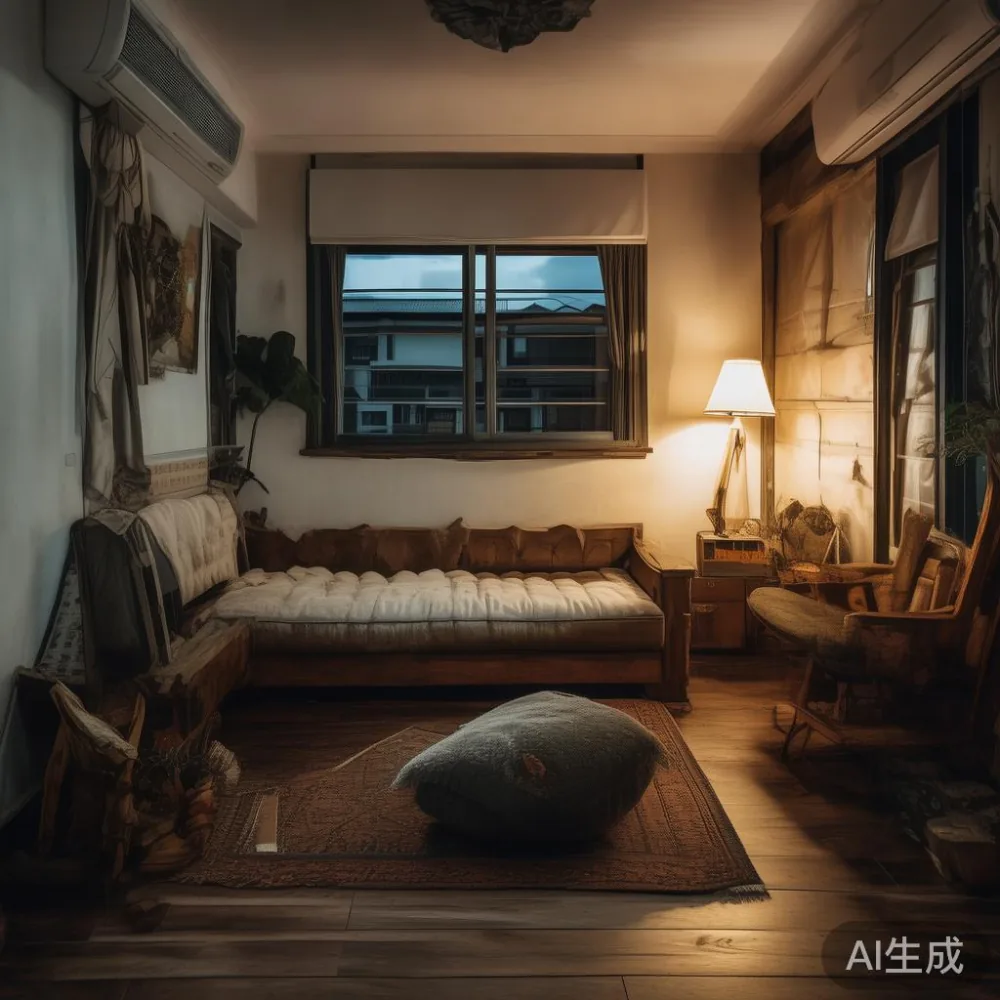
The trick is not buying less. The trick is buying pieces that earn their footprint: a slim solid wood bed frame that leaves 70 cm of walking space on each side, a dining table that seats four on a 120 cm footprint, a nightstand with a drawer instead of a bulky cabinet. Light-luxury furniture — French neoclassical, French provincial, post-modern light luxury, American light luxury — is genuinely useful here, because the silhouettes are drawn from 18th and 19th-century joinery where every line had a reason. A French neoclassical bed for HDB flat proportions, for instance, can give you carved posts and tapered legs without a 1.8 m wide headboard eating your wall.
Why Singapore Flats Punish the Wrong Furniture
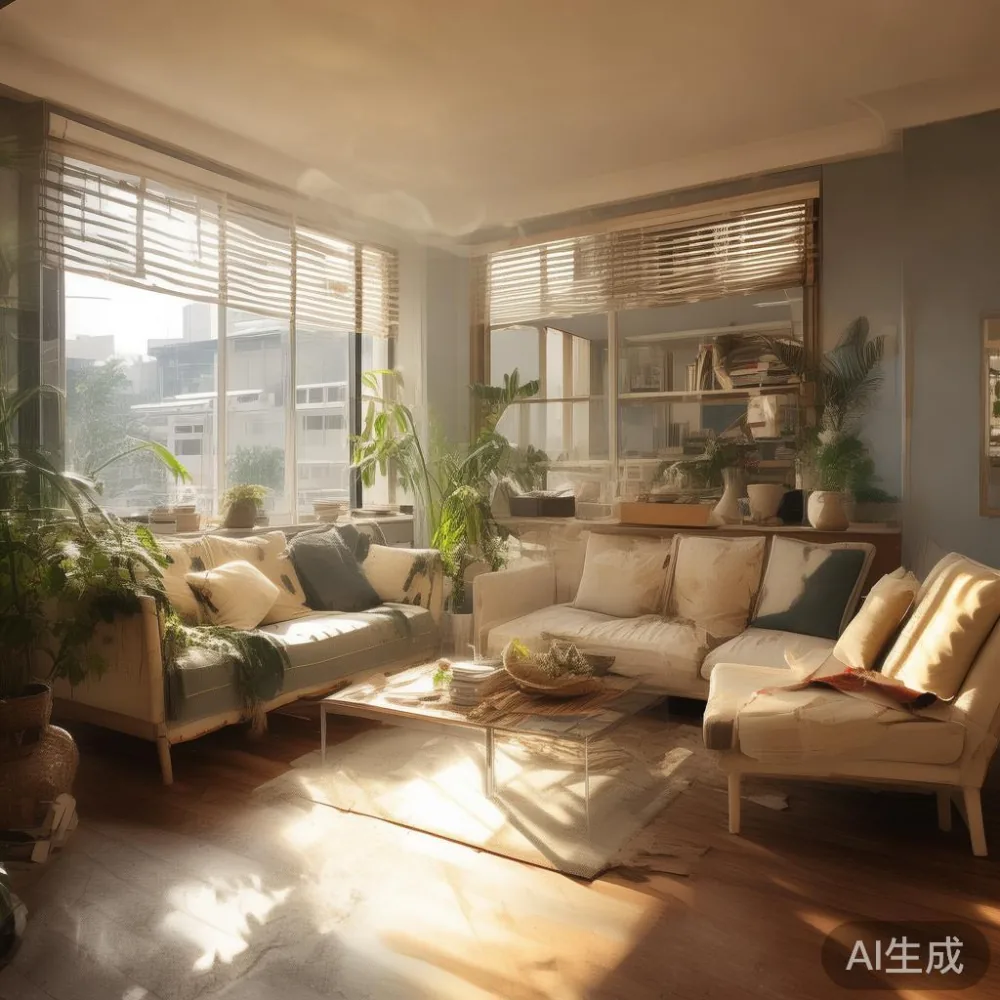
A standard three-room HDB in Singapore runs 65 to 75 sqm. After kitchen, bathrooms, and a 1.2 m corridor of wasted circulation space, your "living room" might actually be 14 sqm. A 2.4 m modular sofa in chenille looks spectacular in a 30 sqm condo; in a 14 sqm HDB it eats the room.
The width of your lift is the hidden gatekeeper. Older HDB lifts are 1.0 m wide by 1.9 m deep, while newer ones run to 1.1 m by 2.1 m. A solid wood dining table longer than 150 cm often will not pivot through a 1.0 m door opening, no matter how it is angled. I watched two movers at my friend's place remove the door from its hinges before they could bring the 180 cm table in. Even MIDHILL's own dispatch notes for Singapore orders flag lift dimensions before shipping, because the team has seen too many customers absorb a re-delivery fee after measuring wrong.
Then there is the corridor. HDB corridors are 1.2 m wide. A solid wood wardrobe 60 cm deep needs another 30 cm of swing space to land flat against the wall. That is 90 cm of the corridor gone during delivery. If the wardrobe box is 65 cm wide and the corridor is 120 cm, you have 55 cm to spare on each side, which feels tight but is workable. Anything 70 cm or wider means tilting, and a 200 cm tall wardrobe tilted at 30 degrees will scrape the ceiling lights of a standard HDB unit.
How do you fit a solid wood sofa, dining table, and wardrobe into 65 sqm?
The short answer: pick pieces with a total footprint under 9 sqm, keep a 70 cm walking corridor between every island of furniture, and buy items that can be assembled or flat-packed by hand. Below is the rule-of-thumb budget that worked for my Bedok friend, who had S$4,200 to spend on her core three pieces.
Start with the sofa. A two-seater solid wood sofa at 160 cm wide and 85 cm deep leaves room for a 60 cm coffee table and still gives you a 70 cm walking lane to the TV wall. Three-seaters in this category start around S$1,180 for a basic solid wood frame with linen cushions; American light luxury versions with rolled arms and tufted backs run S$1,450 to S$1,950. Measure the doorway from your corridor to the living room first. If the opening is 80 cm, your sofa arms must clear 75 cm when rotated.
For the dining table, a 120 cm round table seats four comfortably and has no corners to bang a hip on. Solid wood round tables from MIDHILL start around S$1,050 for rubberwood and S$1,420 for white oak. A rectangular 140 cm table seats four on the long side and six if you pull the leaf out, but the leaf mechanism needs 25 cm of clearance behind each chair, which a small HDB rarely has. Pick round if your dining area is square; pick rectangular only if your wall is at least 220 cm and your floor-to-wall run exceeds 180 cm.
The wardrobe is the hardest. A two-door sliding wardrobe at 180 cm wide by 60 cm deep by 210 cm tall gives roughly 1.3 cubic metres of hanging and shelf space — enough for two adults if you commit to off-season storage under the bed. A three-door hinged version needs 60 cm of swing space and crowds the room. Sliding doors win in Singapore. Budget S$1,150 to S$1,650 for a solid wood frame with a soft-close system, and add another S$120 if you want internal LED lighting, which is genuinely useful in windowless bedrooms.
What every small apartment in Tampines or Punggol should measure before ordering
Before you click "order," take five measurements and write them on a piece of A4 paper. Tape the paper to the wall where the piece will sit. This is the cheapest design tool you will ever use.
1. Lift opening width and depth (door frame, not the car). Old HDB blocks in Bedok and Tampines often have 0.9 m door openings. Newer Punggol blocks run 1.0 to 1.1 m. If your wardrobe is 60 cm deep, you have 30 to 50 cm of tolerance.
2. Corridor width on the floor where the delivery will happen. The HDB standard is 1.2 m, but I have measured 1.15 m in a 1990s block and 1.3 m in a 2018 BTO.
3. The diagonal of every internal door the piece will pass through. A bedside table 45 cm wide and 50 cm deep has a diagonal of about 67 cm — fine for any HDB door. A 60 cm deep wardrobe has a diagonal of 95 cm, which is fine if the door is at least 90 cm wide.
4. Ceiling height after light fixtures. HDB ceiling heights run 2.4 to 2.6 m for newer flats, and 2.8 m for some executive maisonettes. Subtract 10 cm for a ceiling fan, and another 5 cm if the wardrobe is being tilted.
5. The wall length where the piece will sit. A 180 cm wardrobe on a 200 cm wall leaves a 20 cm gap, which is not enough for a full-length mirror. Plan the mirror first, then the wardrobe.
Is French provincial armchair furniture worth it?
Yes, French provincial armchair furniture is worth it for Singapore HDB flats, because the carved back, cabriole legs, and linen-blend upholstery give you visible detail at a footprint that is roughly 30 percent smaller than a club chair — typically 70 cm wide by 75 cm deep, versus 95 cm for a typical accent chair. That extra 25 cm is the difference between a usable reading nook and a chair that blocks your corridor.
I sat in three French provincial armchairs during the Tampines showroom tour. The one with a 65 cm seat depth was comfortable for my 1.78 m frame, but my friend's 1.6 m mum said the same chair swallowed her. Seat depth between 50 and 58 cm suits most Singapore households. Weight is the other consideration. A solid wood armchair with a carved back weighs 18 to 24 kg, which is light enough for one mover to carry up a walk-up corridor without scratching the floor.
Pair one of these armchairs with a 50 cm marble side table (around S$420 for a real marble top with a metal base) and a slim floor lamp, and you have a reading corner that takes up 0.6 sqm. Swap the marble table for a 45 cm solid wood round nightstand in the bedroom if you want the same language in both rooms — MIDHILL's bedroom sets often share leg profiles across the nightstand and the bed frame, which is why the room reads as one design rather than three random pieces.
Light luxury, narrow footprints, and the pieces that actually pay rent
Post-modern light luxury is the design language that pulls off this trick most reliably. Think tapered legs, slim metal pulls, and a marble table accent instead of a marble wall. A 110 cm white oak dining table on 6 cm legs makes the room feel 15 cm taller than it is, because your eye sees floor continuing under the table. A heavy 8 cm leg with a thick apron visually drops the ceiling by 10 cm.
For the bedroom, a French neoclassical bed frame at 150 cm wide by 200 cm long (queen size) sits on legs that lift the frame 18 cm off the floor. That 18 cm of clear floor space tricks the eye into reading the room as larger, and it gives you one under-bed storage drawer running the full length of the bed — roughly 0.6 cubic metres of hidden storage, which is half a winter wardrobe in Singapore's air-conditioned bedrooms.
The nightstand matters more than people think. A 45 cm wide nightstand with one drawer and an open shelf below holds a lamp, a phone charger, and three books without looking cluttered. A 55 cm two-drawer nightstand looks generous but eats floor space that a small HDB bedroom cannot spare. Keep the nightstand 5 cm lower than the top of your mattress, so the lamp shade sits at eye level when you are propped up reading.
Shipping damage is the silent risk nobody plans for
Across three showrooms and one friend's apartment, the conversation eventually turned to shipping damage. It is the part of the furniture journey Singapore buyers underestimate, because local island-wide delivery feels routine. Most delivery crews work in a two-person team, handle 40 to 60 drops a day, and use a cargo lift for HDB blocks above the 7th floor. The chance of a corner ding on a marble table or a cracked leg on a solid wood bed frame runs between 3 and 7 percent on industry surveys, which sounds low until your piece is the one in forty.
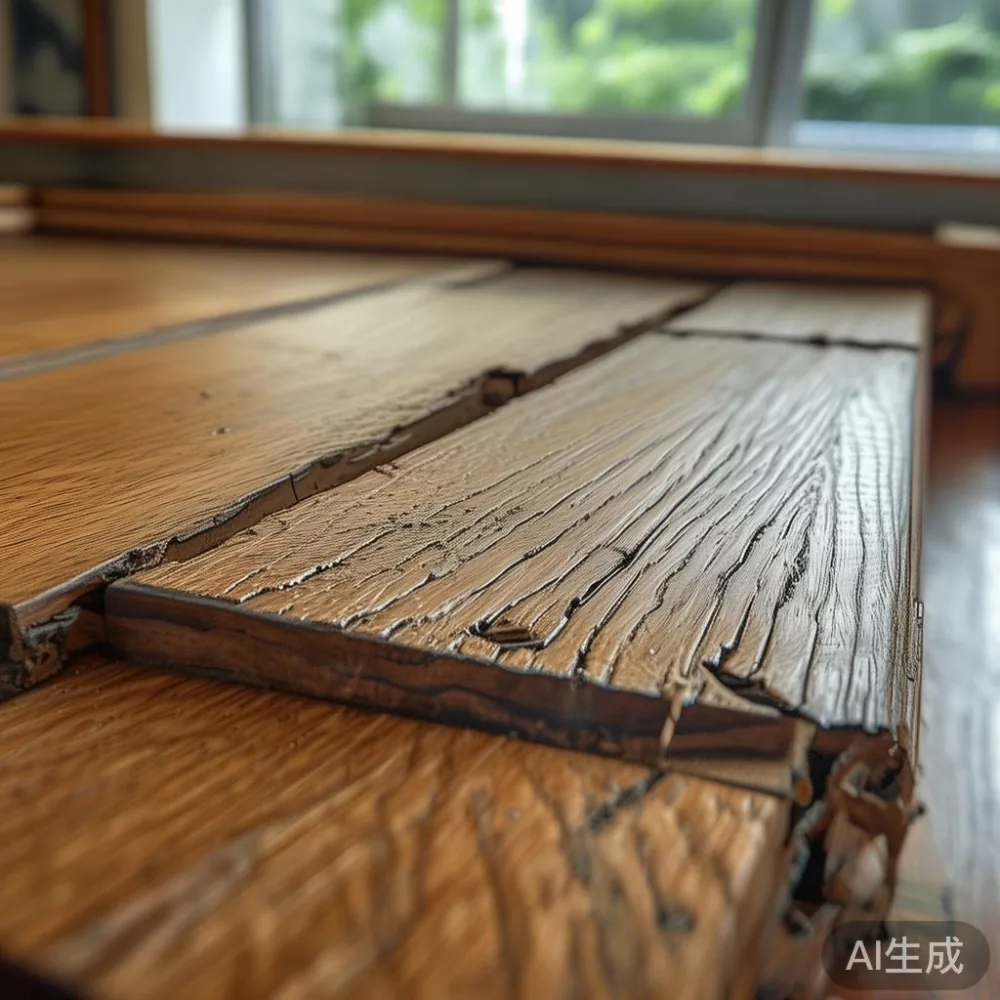
Three habits cut that risk dramatically. First, photograph every box on arrival before signing. Second, unwrap the piece in the corridor, not the bedroom — that way you can spot a cracked corner against a neutral wall under bright corridor lights. Third, refuse the delivery if the outer crate shows compression damage, and ask for a re-manufacture instead of a touch-up. A legitimate seller like MIDHILL will replace a damaged piece within 14 days at no charge; smaller workshops often offer only a discount. Inspecting for shipping damage before signing is the single most useful habit a Singapore furniture buyer can build.
The reason I bring this up under "styling" is that shipping damage changes which piece you should buy. A solid wood bed frame that ships in two boxes is safer in transit than a one-box wardrobe, because each box weighs 25 to 35 kg instead of 80 kg. A flat-packed dining table with legs detached is safer than a fully assembled one. The most photogenic piece in the showroom is not always the piece that arrives intact.
A 14-day room plan for a Singapore small apartment
If you have two weeks and a small HDB, here is the order I now recommend after watching my friend finish her flat. Day 1 and 2: measure the lift, corridor, every doorway, and the wall where the wardrobe will sit. Buy an A4 notebook and write the numbers down. Day 3 and 4: shortlist three solid wood sofas, three dining tables, and three wardrobes based on footprint, not finish. Day 5: visit one showroom and sit in every chair for at least three minutes. Day 6 and 7: order your shortlist, paying the small deposit that locks in the next container. Day 8 to 12: delivery, unboxing, and inspection for shipping damage. Day 13: arrange the room and live with it for 24 hours before moving anything. Day 14: tweak the lighting, add one plant, and stop buying.
Budget for the full package: furniture at S$3,800 to S$4,200, a 9 percent GST line item on the invoice, a S$60 to S$120 delivery surcharge for upper-floor HDBs without a cargo lift, and a S$150 contingency for the one piece that does not fit. Free shipping usually kicks in above a certain subtotal, but for heavy pieces like a solid wood bed frame or a full wardrobe, the surcharge is worth accepting rather than splitting the order.
The room my friend ended up with measured 14.2 sqm and held a 160 cm solid wood sofa, a 110 cm round dining table for four, a 180 cm sliding wardrobe, a queen French neoclassical bed frame, two 45 cm nightstands, and a 50 cm marble side table in the reading corner. The walking corridor stayed at 70 cm, the lift accepted every box, and she spent S$4,360 in total. That is the room to aim for: light luxury pieces, narrow footprints, and zero wasted centimetres.