Matching Solid Wood to Warm Interiors in Singapore
A warm minimal interior is not an empty room. It is a room with enough breathing space for daily life, softened by natural grain, warm lighting and a few objects that make sense to the people living there. In Singapore, this approach works particularly well in HDB flats and condos because it creates visual order without making compact rooms feel crowded. The right combination of a solid wood sofa, bed frame, dining table, wardrobe, nightstand and occasional marble table can make a 90 sqm home feel generous while remaining practical.
Last month, I visited a family in Tampines who had moved into a new 3-room HDB flat. The living room measured only 3.8 m wide, with a standard lift lobby and a 1.1 m internal corridor. Their existing pieces filled the room quickly because everything shared the same dark finish. I tested the layout with a 220 cm solid wood sofa, a 180 cm dining table and two lighter side pieces. By varying depth and preserving 75–90 cm circulation paths, the room felt calmer without looking sparse.
MIDHILL designs solid wood furniture around this balance of proportion, material and practical movement through the home. The following guide explains how to build a warm minimal look for an apartment, how to measure before ordering, and how to reduce the risk of shipping damage before a furniture delivery reaches your door.
What makes a warm minimal interior different from a plain one?
Minimalism reduces visual clutter; warmth comes from texture, colour and small variations in material. A room built entirely in stark white and cool grey may feel precise, but it can also feel clinical. Warm minimal interiors use oak, walnut, teak, linen, wool, brass and stone in controlled quantities. The aim is not to fill every surface. It is to create a rhythm of light wood, darker anchors and tactile accents.
For Singapore, start with a neutral base that suits the amount of daylight entering the home. North-facing HDB rooms may benefit from pale oak, warm beige and softer greys. West-facing units with strong afternoon sun can use walnut or deeper-stained wood to prevent the room from appearing washed out. Condo interiors often have more glass and hard flooring, so a textile sofa and a timber bed frame introduce contrast that polished stone cannot provide alone.
A French light luxury direction suits curved profiles, tapered legs, moulded details and gentle cream or taupe upholstery. American light luxury is more relaxed, with broad seat cushions, clean silhouettes and a mix of oak or walnut. Post-modern light luxury can add one sculptural marble table or a ribbed cabinet without turning the room into a display space. Whichever direction you choose, keep large forms quiet and let craftsmanship provide the detail.
Useful measurements include a 210–230 cm sofa for a medium living room, a 140–160 cm dining table for four people, a 90–120 cm nightstand beside a queen bed, and a 120–150 cm coffee table in front of a 220 cm sofa. These are starting points rather than fixed rules; the decisive factor is the clear walkway between the main furniture groups.
How do you choose furniture proportions for an HDB flat or condo?
Measure the room, the route into it and the furniture footprint before choosing dimensions. Most HDB corridors are approximately 90–120 cm wide, while condominium corridors can vary considerably. A dining table may pass through a doorway upright or on its side, but a bed frame can be more difficult to manoeuvre around a lift turn. Note the lift door width, lift depth, diagonal clearance and the distance from the lobby to your front door.
For a compact apartment, the Mid-century modern for apartment approach is effective because it combines slim profiles with clear visual structure. A 160–180 cm dining table can seat four without taking over a kitchen or dining zone. A queen bed frame of 160 × 200 cm needs around 60 cm on each side for practical access, while a 90 cm nightstand adds useful surface area without occupying much floor space.
Leave 75–90 cm between a sofa and coffee table, 90 cm in front of dining chairs where people sit down, and at least 60 cm beside a bed. Keep large wardrobes outside the primary circulation route. In open-plan units, align the sofa with the dining table or television wall to create a long, calm axis rather than several competing islands.
Scale is also about visual weight. A low solid wood sofa can look substantial in a small room if its legs are dark and its base is bulky. Raising it by 12–18 cm and using a lighter timber can preserve floor visibility. A 200–240 cm high wardrobe is appropriate for a bedroom ceiling of 2.7–3 m, but an oversized unit may feel heavy if it stretches across an entire wall. Use fewer doors or lighter-coloured panels where possible.
Which solid wood pieces should anchor a warm minimal home?
A solid wood sofa or wood-framed sofa provides the strongest foundation because it defines the living room’s centre. Choose a 200–220 cm model for a 3.8–4.2 m wall, with seat depth around 55–60 cm. A compact apartment sofa in warm beige or muted olive works well with oak, walnut and cream walls. Avoid combining too many patterns: one plain weave or one restrained texture is usually enough.
A solid wood bed frame is the next major anchor. A queen frame at 160 × 200 cm suits many HDB bedrooms, while a king at 180 × 200 cm requires more space. Low-profile frames with 20–30 cm clearance beneath can make a room feel lighter, although drawers underneath add useful storage for shoes or bedding. If the room is narrow, a slim headboard and raised legs can preserve visibility.
The dining table should feel grounded but not oversized. A 160 cm rectangular table seats four, while 180–200 cm versions suit six. Solid wood gives warmth to a hard-walled dining zone and works with pendant lighting placed roughly 70–90 cm above the tabletop. For more formal European for dining room styling, consider pale ash, softly rounded corners and upholstered chairs rather than heavy carved decoration.
A wardrobe contributes most through height and closure style. Flat-panel doors keep a warm minimal room calm; glass or fluted panels may suit a condo with more visual openness. A nightstand should align with the bed frame, sit within 10 cm of the mattress edge and hold only what is used daily. One 120–140 cm marble table can provide a bright, reflective accent in the living room, but it is better balanced by timber, textiles and matte finishes elsewhere.
For shoppers comparing for sale Modern light luxury furniture, material consistency matters more than matching every edge perfectly. Look for solid timber in the frame, stable joinery, smooth movement in doors and drawers, and finishes that can be maintained over time. The phrase best light luxury furniture should describe a balanced result, not a decorative slogan: comfortable proportions, restrained detailing and materials that age with character.
How do you mix wood tones without making the room feel busy?
Use one dominant wood tone, one supporting tone and one contrasting texture. For example, pair pale oak with medium walnut, warm linen and a black metal lamp. Limit high-contrast timber combinations to smaller items such as a nightstand or chair legs. If a dining table is strongly grained, choose a simpler coffee table and sofa; if the coffee table has a marble top, keep the surrounding wood lighter.
Warm minimalism also benefits from repetition. Repeat the same walnut tone in the bed frame, dining chairs and lamp bases, but vary the shapes. This creates cohesion without making every item identical. A narrow console at 100–140 cm long can bridge the living and dining zones without interrupting movement. In a Punggol or Bedok home, an open console may also serve as a drop zone for keys and deliveries.
Accessories should occupy approximately 20–30% of visible surface area. One lamp with a 35–45 cm shade, two framed pieces and a shallow bowl are enough for a compact side table. Leave the rest open. The eye reads empty space as calm and uses the room’s architecture as part of the composition.
Lighting completes the warmth. Aim for 2700–3000 K bulbs in living and dining areas, with a layered arrangement of ceiling light, floor lamp and task light. A floor lamp beside the sofa should be around 150–165 cm tall. In a windowless bedroom, a bedside lamp with a warm diffuser is more useful than a single overhead fitting.
How should you inspect a solid wood furniture delivery for shipping damage?
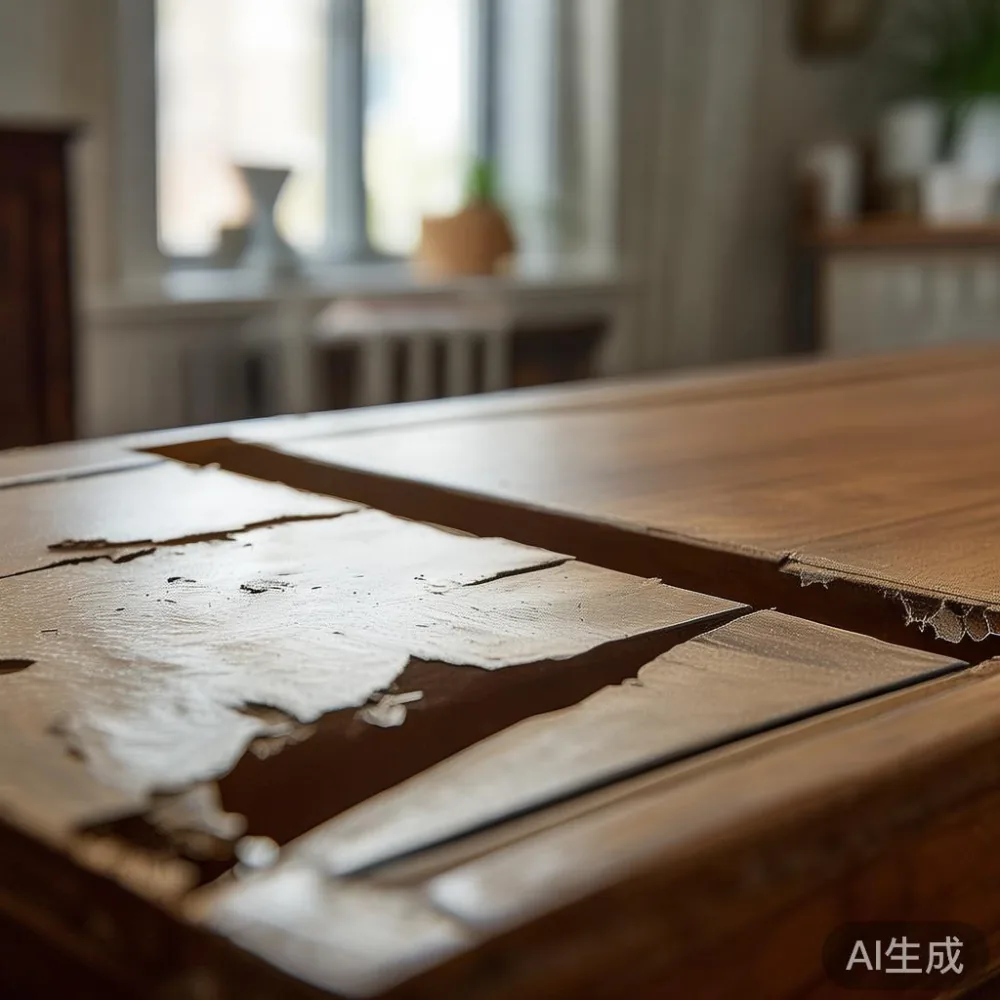
Shipping damage is more likely when a package is heavy, narrow or repeatedly moved between vehicles, so packaging and route planning matter as much as the furniture itself. Ask the supplier for the packed dimensions and weight of every large item. A 180 cm dining table may be split into sections, while a wardrobe may arrive as multiple protected panels. Check whether the carton fits through your HDB flat’s main door, lift and corridor.
Record the condition of the packaging before opening it. Photograph the carton, labels, corners and straps with your phone. If the outer box shows crushing, puncture or water staining, note it immediately. Photograph the furniture from several angles after unpacking, including the top, sides, legs, joints, doors, drawer runners and undersides. Do not discard the packaging until the piece has been inspected and the delivery issue has been documented.
Measure individual components where possible. A dining table top may be 180 × 90 cm and 28–35 kg, while a large wardrobe panel can exceed 50 kg. In a condo with a wide private lift, the delivery team may have more flexibility than in an HDB block with shared access and parking restrictions. Provide clear contact details, lift booking information and access instructions to reduce delays.
Shipping damage can also occur through incorrect assembly. Follow the supplied instructions, tighten fittings evenly and avoid forcing joints. If a drawer or door does not close, adjust the alignment before adding weight. Keep screws and hardware together in a labelled bag, and retain the assembly guide for future maintenance.
How do you protect a furniture purchase after delivery?
Give solid wood time to adjust after unpacking. Depending on humidity and the product, allow 48–72 hours before placing a heavy object against a wardrobe or fully loading a table. Keep pieces away from direct air-conditioning vents and windows with persistent condensation. Use coasters and felt pads under frequently moved objects, and place a stable, non-slip pad beneath every leg to prevent floor scratches.
For a solid wood dining table, use a placemat under hot dishes and clean spills promptly. Wipe the surface with a lightly damp cloth, then dry it. Avoid abrasive pads and silicone-based sprays unless the care instructions specifically permit them. A marble table needs a neutral pH cleaner because acidic liquids can etch the surface; wipe water marks before they become mineral deposits.
Check movement in drawers every 3–6 months. Re-tighten loose fittings, but do not overtighten hardware. A solid wood sofa may include removable cushion covers or washable seat cushions; follow the care label for cleaning and rotation. For a wooden bed frame, inspect the centre support and leg fixations twice a year, particularly after moving the bed.
Singapore’s humidity can cause finished wood to move by small amounts across the year. Stable indoor conditions help. Where possible, maintain relative humidity around 40–60% and avoid placing furniture against an external wall that remains cold after sunset. These habits support a 10-year structural warranty and make lifetime refinishing more practical, because the surface can be renewed rather than replaced when wear eventually appears.
What should you check before ordering for a condo or HDB home?
Create a simple furniture plan with three measurements: room width, door or lift clearance, and the desired walking route. Sketch the sofa, bed frame, dining table, wardrobe, nightstand and marble table at actual scale. Walk around the plan to make sure chairs can be pulled back and doors can open. A layout that works in a showroom can fail in a 3.6 m bedroom.
Check delivery terms in writing. Confirm the number of packages, estimated delivery days, assembly requirements and the process for reporting transit damage. Singapore GST may be shown separately or included, so review the final checkout amount in SGD. Keep the order confirmation, invoice and delivery photographs together for at least 12 months.
Buyers researching MIDHILL coffee table wholesale or individual household pieces should compare finish samples under the home’s lighting, not only in a warehouse or online gallery. Request dimensions in centimetres, weight in kilograms and clear images of joints, drawer interiors and surface texture. A table described as “natural oak” may vary in grain and tone; seeing the finish in daylight helps set expectations.
Warm minimal design succeeds when every piece earns its place. One comfortable sofa, one durable table, one grounding bed frame and practical storage can create more visual freedom than a crowded collection. The final composition should support a real routine: breakfast at the dining table, reading beside the sofa, a clear path for deliveries and a bedroom that feels restful at 10 pm.
Before the delivery arrives, measure once more. Clear the route, protect the lift or corridor if needed, keep children and pets away from the unpacking area, and have at least one helper available for panels over 40 kg. Careful planning protects the design, reduces the likelihood of shipping damage and gives a new piece the best possible first day in your home.