Working through Singapore’s Furniture Warranty Landmines
Buying a solid wood dining table, bed frame, wardrobe, or sofa is usually a straightforward decision until something goes wrong. A dining table arrives with a chipped corner. A wardrobe door sits 4 mm out of alignment. A solid wood sofa frame develops a squeak after 6 months. The photograph looked right, the showroom felt reassuring, and the sales assistant smiled—but the warranty still needs to explain what happens next.

In Singapore, that matters because most HDB flats and condos have shared lifts, narrow corridors, tight turning radii, and service routes that are very different from a factory loading bay. A product may leave the workshop in perfect condition and still pick up shipping damage during a long delivery journey. The key is not merely to check whether a warranty exists, but to read it as a complete service agreement.
This guide uses practical measurements, costs, and timelines for buyers in Tampines, Bedok, Punggol, and other Singapore addresses. It also explains how a 10-year structural warranty differs from a broader manufacturer promise, how to document shipping damage, and why light-luxury design should not come at the expense of readable protection.
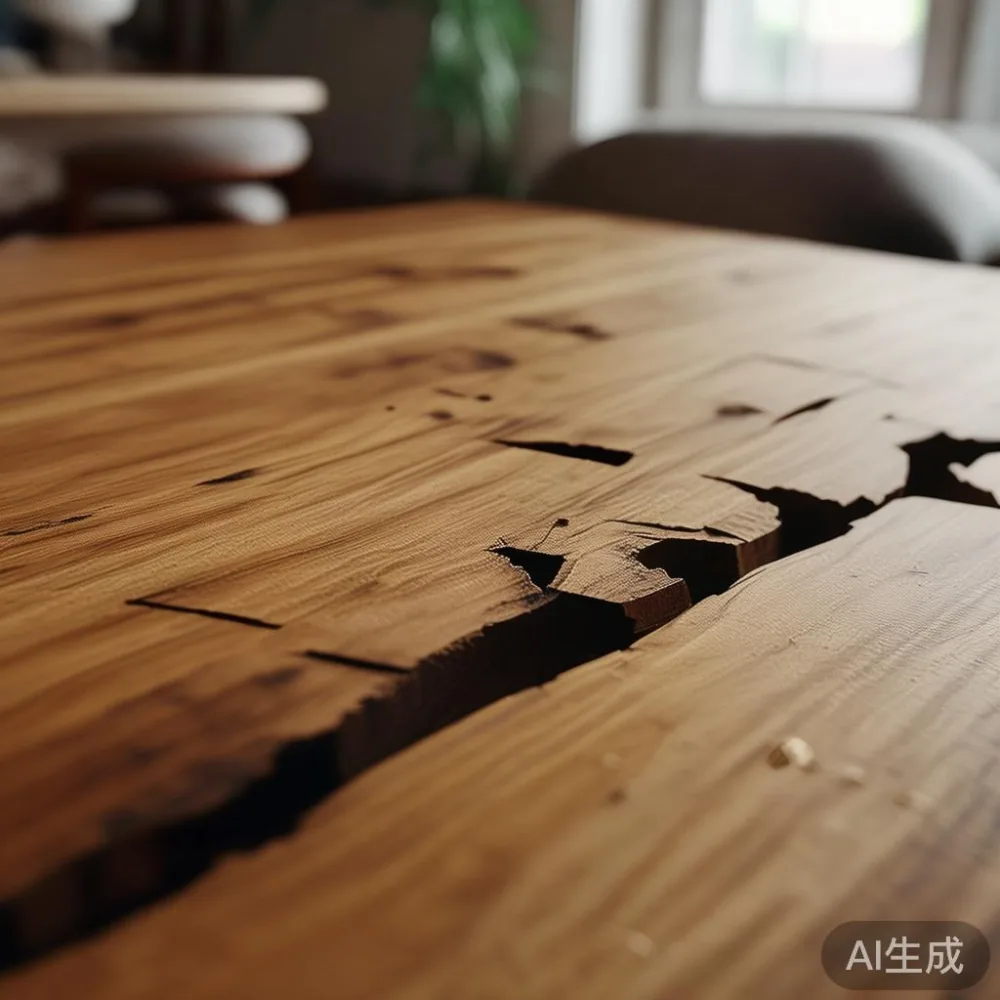
What does a 10-year furniture warranty actually cover?
A 10-year structural warranty is useful only when its scope is clear. “Structural” commonly refers to the load-bearing frame of a solid wood sofa or bed frame: the timber members, joints, and supports expected to hold furniture under ordinary use. It may not cover surface finish, moving parts, cushions, scratches caused by pets, or damage caused by an unstable floor.
Read for 4 specific points: the defect, the duration, the remedy, and the claimant’s obligations. “Defect” should be explained in ordinary language, such as a joint separating under normal use. “Duration” should distinguish manufacturing defects from accidental damage. “Remedy” may mean repair, replacement of the affected component, replacement of the whole item, or credit. “Obligations” may include proof of purchase, photographs, inspection, or reasonable care.

A strong example would state that structural defects in eligible solid wood products are covered for 10 years from delivery, while a lifetime refinishing service applies separately to refinishing eligible surfaces. MIDHILL’s stated 10-year structural warranty and lifetime refinishing offer are meaningful commitments, but Singapore buyers should still confirm which surfaces, components, and services each policy includes.
Do not assume “10 years” means every part lasts 10 years. A drawer runner can wear out faster than a table frame. A marble table may have a 5-year warranty even if its timber base is covered for 10 years. Ask for the warranty schedule attached to the exact product, not a general brochure. The model number, finish, dimensions, and invoice should all appear on the same document.
What should I check before paying for a furniture warranty?
Before payment, ask the retailer 6 direct questions. Which parts are covered? Which parts are excluded? Does coverage start on the order date or delivery date? Who inspects the item after a complaint? Who pays for transport, labour, and GST? Is the warranty transferable if you sell the home?
Check the Singapore tax treatment too. A quoted retail price should normally include GST at 9%, and the invoice should state it. If a warranty replacement is supplied without charge and the original sale was taxable, confirm how GST is handled. A replacement valued at SGD 1,200, for example, creates a visible GST amount of SGD 108 under the standard rate; do not accept vague wording such as “GST may apply.”
Also review the return policy. A 14-day return window is not the same as a 10-year warranty. Returns may apply to unused items in original packaging, while manufacturing claims can apply months or years later. Keep at least 6 documents: the order confirmation, tax invoice, product specification, warranty schedule, delivery photograph, and condition report.
For buyers comparing aesthetics, a European light luxury sofa vs Modern sofa decision is only half the purchase. A Modern sofa with a 3-year frame warranty may be adequate for a renter; a European-style timber sofa with clearer structural terms may suit a family keeping it for 8 years. Compare the paper with the product, not one brand’s wording against another’s.
Does the warranty cover shipping damage and Singapore delivery conditions?
Shipping damage should be named explicitly. Look for terms such as “damage in transit,” “arrival damage,” “carrier loss,” and “failed delivery.” Ask what must be recorded and within what period. Some sellers require photos within 24 hours; others allow 48 hours or 3 business days. A blanket exclusion for “damage after leaving the warehouse” is a serious warning sign.
The delivery process in a Singapore condo often determines whether damage is documented properly. A truck may need to approach the service lobby, while the final 20–60 metres involve a lift and corridor. At the lobby, photograph the package before the courier moves it. Keep the wrapping intact until the furniture has been checked. If a carton is crushed, punctured, wet, or taped over a broken area, record it immediately.
Measure access before ordering. Typical HDB and condo service lifts may be around 100–120 cm deep, 90–110 cm wide, and 200–210 cm high, though buildings differ. A dining table packaged at 180 cm long may need to be turned vertically, while a 200 cm wardrobe carton may not pass through a 90 cm corridor turn. Ask for the packaged dimensions—not only the assembled dimensions—and the combined weight of the item and packaging. A 75 kg marble table may need 2 movers, whereas a 28 kg nightstand may need only 1.
Also ask where delivery ends. Does it include the unit’s lobby, lift lobby, bedroom, or assembly? A quoted SGD 80 delivery fee may cover the ground-floor lobby but cost SGD 140 for a 5th-floor HDB flat without a lift. A staircase carry at 40 SGD per flight is a separate charge if not disclosed.
How do I document shipping damage before opening the furniture?
Use a consistent 7-step record. Photograph the vehicle and route where practical. Photograph each carton from 4 sides. Record the tracking number and delivery time. Note any visible puncture, dent, moisture, or crushed corner. Ask the driver to note exceptions on the delivery sheet. Keep all packaging until inspection is complete. Then photograph the item from several angles before assembly.
Last month I visited a colleague’s new Bedok condo to review a solid wood sofa delivered from an overseas workshop. The outer carton looked slightly compressed at one lower corner. The driver called it “normal handling.” We photographed the damage before unpacking, and the interior timber was found to have a clean 11 cm split beneath the upholstery fabric. Because the evidence was recorded before assembly, the seller could trace it to transit rather than domestic use.
That incident shows why condition evidence matters. We compared the new frame with a catalogue sample, kept the shipping blankets, and recorded the sofa as delivered with visible damage. The claim was resolved without debating whether a small mark appeared “during assembly.” In another case, waiting 9 days and discarding the packaging would have made the process much harder.
For smaller goods, the same discipline applies. A nightstand may fit in one carton, but its corners and legs can still be damaged. A marble table needs a separate check for edge chips, cracks, and staining. A wardrobe needs inspection of both the carcass and each moving part. Record any pre-existing finish variation as well, so later scratches are not confused with original appearance.
Are couches and beds covered if the problem appears after 30 days?
Yes—if it is a covered defect. A seam opening on a solid wood sofa 7 months after delivery is not necessarily a warranty issue. A loose bed-frame joint, by contrast, may fall under structural protection. The answer depends on cause, not simply time.
Ask the seller to distinguish 3 claim types. A manufacturing defect relates to how the item was made. Transit damage relates to the delivery journey. Household damage includes impact, moisture, misuse, or inadequate support. Keep these records: the first date the issue appeared, the room’s floor type, moisture observations, assembly details, and a short video showing movement or looseness.
Singapore’s humid climate makes installation advice relevant. A bed frame should sit in the intended space and be assembled according to the instructions. Solid wood expands and contracts with humidity, so a frame pushed tightly against a wall may rub or distort. Leave around 5 cm of clearance where advised. Do not place a wardrobe or nightstand against a damp exterior wall. If a floor is uneven, use the specified levellers rather than packing one corner with folded cardboard.
One useful comparison is Japanese sofa vs Japandi sofa. A Japanese sofa may use a firmer seat and a timber frame, while a Japandi sofa often combines light lines with a padded structure. The warranty should identify the actual frame—not hide the construction behind a style label. For example, “10 years against joint failure on the kiln-dried hardwood frame” is clearer than “lifetime quality.”
The phrase “is Mid-century modern bed worth it” is common among buyers evaluating slim profiles for compact rooms, but longevity makes the frame and warranty more important than a decorative silhouette. For a Mid-century modern for small living room project, a 160 cm solid wood sofa may fit a 260 cm wall more comfortably than a 220 cm model. The warranty should still apply to that exact size and construction.
What is a fair claims process for a Singapore customer?
A workable claims process should have 4 stages: acknowledgement, evidence, decision, and remedy. Acknowledgement should arrive within 2 business days. Evidence should be submitted through an email address or online form. The decision should identify the policy clause and proposed resolution. Remedy should include a date or service window.
Use midhillco@gmail.com only as one channel for written confirmation when the supplier provides it. Email the order number, invoice, photographs, measurements, and a plain description of the issue. Keep the original message and attachments. Do not send only a compressed screenshot, because details can disappear.
Claims made through a platform may involve extra steps. Confirm whether the platform, seller, or manufacturer handles the claim and who funds return freight. If a replacement is approved, check whether the replacement carries the remaining warranty period and whether the original is returned. A fair policy should say that a replacement does not restart the original 10-year period, except where the full item is replaced after a genuine manufacturing failure and the written terms say so.
Escalation should also be defined. If the first response is delayed, who is the next contact? Is mediation available? If a dispute remains, what Singapore body or contractual process applies? Keep records for at least 12 months after the issue is settled. This gives you time to verify repair quality and confirm that no duplicate billing has occurred.
How can I compare light-luxury furniture without reading vague promises?
Light-luxury design should be paired with exact specifications. For an American light luxury dining table, note the timber species, finish thickness, joinery, extension method, and load rating. For French-inspired pieces, check the shape, hardware, drawer runners, and whether “solid wood” applies to the whole carcass or only visible surfaces. Post-modern light luxury often uses clean lines, mixed materials, and restrained contrast, but those words say nothing about warranty coverage.
Use 5 numbers for each shortlisted product: dimensions, packaged dimensions, weight, warranty duration, and expected delivery time. Then add the furniture terms that matter: solid wood sofa, bed frame, dining table, wardrobe, nightstand, and marble table should each have separate specifications where relevant. If a marble table has a 180 cm top and weighs 82 kg, ask whether the warranty covers the stone itself, the timber base, or both.
Search language can also create confusion. If you see for sale Coastal furniture listings, remember that “coastal” usually describes colour and mood, not coastal-grade corrosion resistance. Check whether metal hardware is powder-coated, whether timber is suitable for humid conditions, and whether fittings are replaceable. A pale finish can expose every scratch, while a darker finish may conceal dust and minor marks.
Budget for the whole ownership period. A SGD 2,400 dining table delivered in 7–12 days is only part of the expense. Add delivery, assembly, floor protection, care products, and possible refinishing. MIDHILL’s free shipping over US$350 may require payment or destination conversion; Singapore buyers should confirm the final SGD amount and whether local GST is included. The 14-day return window is another reason to preserve packaging and record the delivered condition carefully.
What should I do if a furniture claim is denied?
Do not argue only about emotion. Ask for the exact clause, the evidence considered, and the fact that does not meet the definition. For example: “Please identify the warranty line excluding transit edge damage and explain how my timestamped arrival photograph does or does not satisfy the condition.” This keeps the discussion factual.
Check whether the item was insured during transit, who arranged the carrier, and whether the retailer had delivery obligations. Compare all 4 documents: the listing, invoice, warranty, and delivery terms. A statement in the listing may override a general website policy if it is specific and supplied before purchase.
Ask for a partial remedy when a full replacement is disputed. A repaired joint, replaced drawer runner, or refinished panel may resolve the issue without returning an entire 65 kg wardrobe. Agree on how the repaired area should be inspected and whether a 30-day follow-up applies. For shipping damage involving a marble table, a chipped edge might require a stone specialist rather than a general carpenter.
If the matter remains unresolved, consider a written dispute with the business, relevant consumer mediation where applicable, or legal advice. Do not publicly label an item defective until the facts are established, and do not discard packaging, fittings, or correspondence. Accurate records can make a disagreement shorter.
What questions should I ask before the delivery crew arrives?
Prepare a 10-point handover checklist: product and colour, dimensions, weight, carton count, visible condition, lift access, assembly, floor protection, inspection method, and claim contact. Keep the driver present for the initial check where possible. Photograph the route if the furniture must pass through a corridor narrower than 95 cm or around a tight 90-degree corner.
Measure a sample room before ordering. A 140 cm bed frame may suit a 180 cm-wide bedroom, while a wardrobe deeper than 60 cm can block a sliding door. A dining table needing 90 cm of clearance on every side may be impractical in a compact dining area. Good planning reduces forced assembly, tool damage, and the temptation to return an item that is simply too large.
Most importantly, read the warranty before choosing. Look for clear definitions, a real claim route, and exclusions that make commercial sense. Record shipping damage at the door, retain the packaging, and use written communication. That approach protects the appearance and integrity of your furniture while giving both you and the supplier a fair way to resolve the issue.