Compare Veneer vs. Solid Wood Costs in Singapore Homes
Choosing furniture for a Singapore HDB flat or condo is rarely a question of appearance alone. A dining table must pass through a lift with a door width of about 90 cm, while a broad wardrobe needs to turn through corridors measuring roughly 120–150 cm. The material you specify also affects the purchase price, delivery-day risk, repairability and eventual resale value. Veneer can offer convincing grain and a lighter budget. Solid wood generally demands more upfront and provides more long-term options.

This comparison follows 2 representative purchases over 5 years: one solid wood dining table in a Tampines HDB home and one veneered dining table in a Bedok condo. I also include a wardrobe, solid wood sofa, nightstand and marble table in the ownership examples. Prices are indicative Singapore retail estimates in SGD, including ordinary GST, but excluding the lifting or delivery surcharge a tight access route may require.
Shipping damage is one reason material choice cannot be separated from logistics. Veneer can chip, crack or split around edges and corners if its substrate flexes. Solid wood may dent, scratch or split too, particularly at joints, but a sound timber frame can often be repaired more readily. MIDHILL is a Foshan solid wood furniture maker established in 2008, with exports to more than 15 countries, a 10-year structural warranty and lifetime refinishing. Its 14-day returns policy and free shipping above US$350 are useful international references, although the figures here remain in SGD for a Singapore buyer.
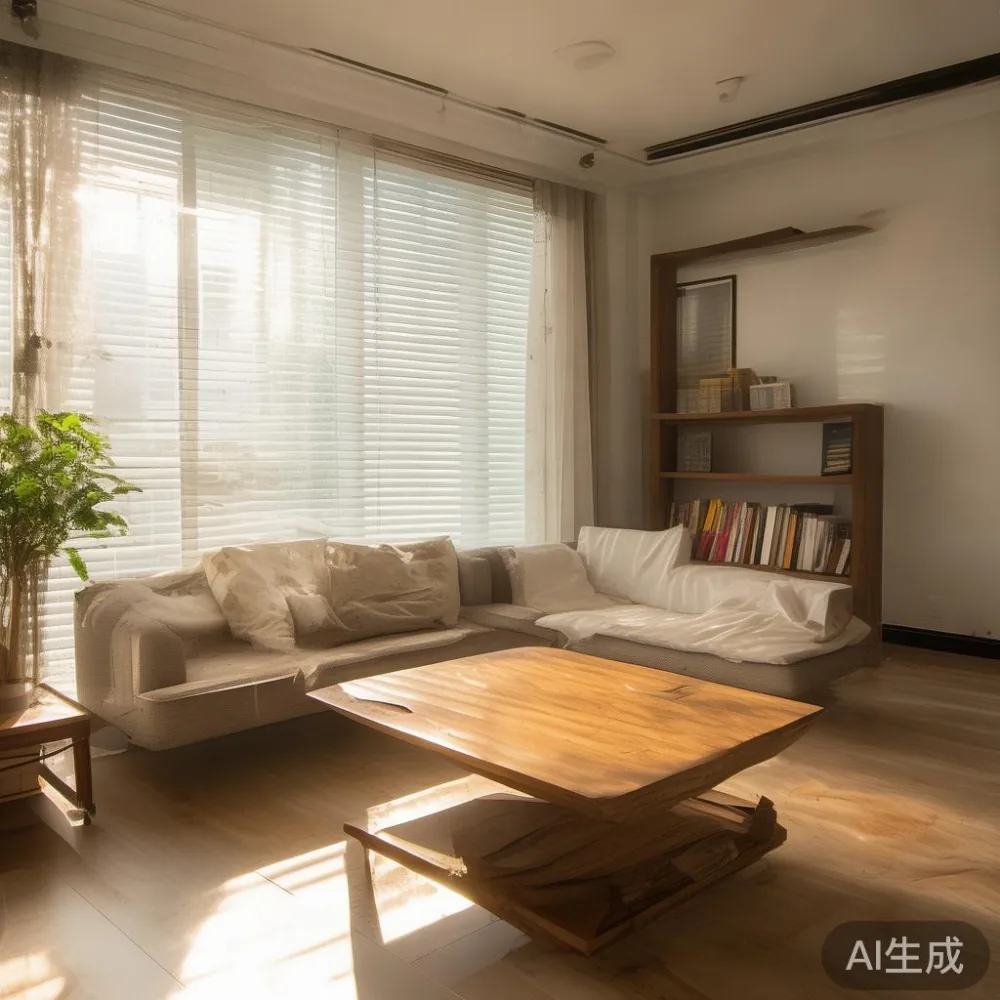
What does veneer actually cost over 5 years?
Imagine two 180 × 90 cm dining tables, each rated for 6 people. The veneered example uses 18 mm engineered panels with walnut or oak-pattern facings. Its Singapore retail price might be SGD 1,200, while a comparable solid hardwood table in teak, ash or oak may cost SGD 2,600. That is a headline difference of SGD 1,400.
The lower initial price does not include every ownership event. Budget SGD 80–180 for delivery to a Singapore home, depending on the lift and corridor constraints. Allow another SGD 40–90 for assembly and protection of the floor. A modest meal, work session or school-project schedule can leave rings, stains or heat marks. Reasonable annual care includes 2 cleaning sessions and 1 oil or polish cycle for the solid table, or a gentle veneer-specific treatment every 2 years.
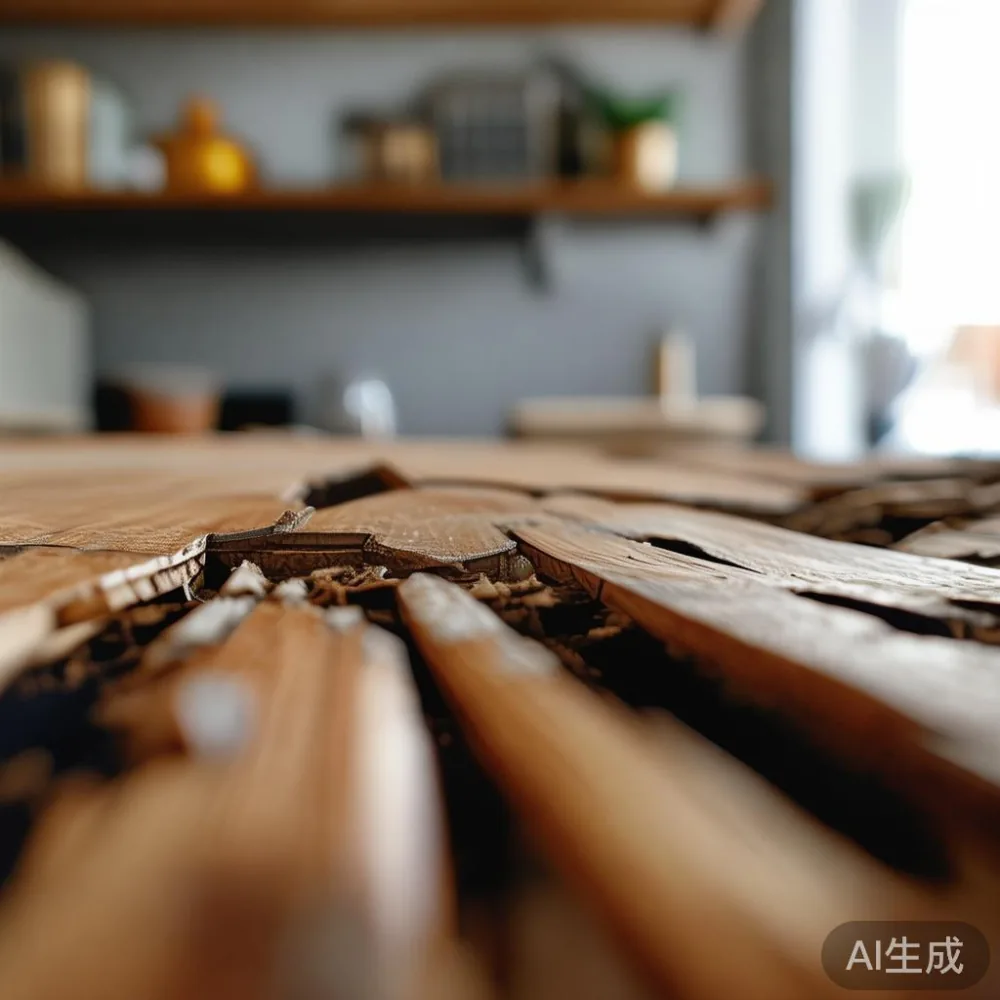
Over 5 years, a sensible owner budget for the veneered table might include SGD 600 in purchase, SGD 150 for delivery and assembly, SGD 90 for minor surface treatment, and SGD 120 as a contingency for shipping damage or edge repairs. The modeled total is SGD 960. For the solid table, SGD 2,600 for purchase, SGD 180 for delivery, SGD 120 for care and SGD 80 for contingency produces SGD 2,980. The 5-year difference is therefore SGD 2,020, or about SGD 404 per year.
This is not a forecast that every veneered table will fail. It is a planning model. A well-made veneered panel may remain stable in Singapore’s humidity when its edges are sealed and the substrate is protected from water. The risk becomes clearer when furniture is moved between a Bedok unit and a family home, or when a dining table is repeatedly assembled and dismantled.
How does solid wood perform after 5 years of Singapore use?
Solid hardwood changes more visibly, but that change can be treated as maintenance rather than loss. A teak dining table may develop a warmer tone as the finish absorbs light and natural oils. Oak can show pale patches and darker grain lines. These effects are easier to sand and refinish than a printed or sliced veneer facing.
For the same SGD 2,600 table, a reasonable 5-year budget includes SGD 180 for delivery and assembly, SGD 220 for one partial refinishing service, SGD 100 for consumables such as cloth, brushes and wood oil, and SGD 100 for a contingency. The total becomes SGD 3,200. Against the veneered model of SGD 960, solid wood costs SGD 2,240 more across the period.
The real benefit appears at the point of resale. A solid wood dining table with intact joints and a repairable surface can appeal to buyers who understand timber movement and minor patina. A veneered table with a chipped corner can lose value quickly because buyers often associate a damaged face with water reaching the panel core. This does not guarantee a higher resale price; condition, design and local demand still matter. It does, however, make solid wood less dependent on perfect appearance at the time of sale.
Humidity deserves careful wording. Tropical air does not automatically destroy either material. It encourages movement in solid wood, while poor edge sealing can allow veneer substrate swelling. Keep furniture away from a balcony threshold with more than 1.2 m of direct rain exposure, maintain roughly 45–65% relative humidity where practical, and wipe spills within 15 minutes.
Is solid wood worth the higher cost for a Singapore condo?
The answer depends on the room, the mover and the length of ownership. A 200 × 90 cm solid wood dining table can suit a Tampines HDB dining area if the route from the ground-floor loading point to the flat allows a 90 cm lift door and a clear turn. A sofa with fixed timber arms may present a different challenge than a knock-down veneer model, especially when the lift is only 100 cm wide and the corridor narrows to 110 cm.
Measure before ordering. Record the sofa’s packed length, width and height, the wardrobe’s largest carton, and the narrowest lift entrance and internal landing. A dining table may fit diagonally, but a 220 cm wardrobe side cannot pass a 90 cm lift door without unpacking. Confirm whether the supplier uses a lift-in or doorstep service. If the building requires a service elevator booking, allow 3–7 extra days for the arranged delivery window.
Shipping damage can affect appearance and function. Veneer faces may show corner lifting after a carton is dropped. Solid wood can acquire a split along a joint or a dented leg. Before acceptance, inspect all 6 sides, the underside, joints and hardware under natural light. Photograph the furniture before the delivery team leaves. For a 5-year model, set aside SGD 80–200 for repairs, but report transit damage promptly rather than treating it as ordinary wear.
MIDHILL’s shipping-damage process is relevant here because the maker combines export packaging with a structural warranty and a return window. The 10-year structural warranty covers the frame for longer than this 5-year comparison, while lifetime refinishing offers value beyond it. These provisions do not eliminate transit risk, but they can reduce the uncertainty attached to a damaged surface.
What about wardrobes, sofas, nightstands and marble tables?
A 150 cm wardrobe illustrates where veneer’s price advantage can be substantial. A 2-door engineered-wood wardrobe may cost SGD 1,500–2,100, compared with SGD 3,200–4,800 for a solid wood model. Doors, drawer boxes and internal fittings still determine daily performance more than the broad outer panels. Soft-close hinges, drawer runners rated to at least 30 kg and moisture-sealed edges are useful specifications for Singapore use.
A solid wood sofa should be evaluated as a system. The frame may last 10 years while foam, fabric and springs have a shorter useful life. A 3-seat model at SGD 4,500–7,500 can therefore have a planned 5-year ownership cost of SGD 5,100–8,000, including SGD 300–600 for delivery, assembly and upholstery care. A strong frame can be reupholstered; a weak frame cannot be economically rescued by replacing a cushion.
For a nightstand, a 45 × 40 cm solid wood model may cost SGD 380–650. Over 5 years, add SGD 50 for delivery and SGD 40–100 for wax or oil. The same period may bring 2 house moves, so removable drawers and replaceable knobs are practical advantages.
A marble table introduces weight rather than timber construction. A 100 cm marble-top coffee table can weigh 45–70 kg, while a dining table can exceed 100 kg. Check lift capacity, floor protection and installer access; stairs without a service lift may add SGD 150–350. Marble, glass and solid wood are different material decisions, so they should not be compared using the same replacement assumptions.
For design research, phrases such as Japanese sofa vs Nordic sofa are useful, but proportions and comfort should be tried in person. A low Japanese-style frame may need 65–70 cm of corridor turning space, while a deep Nordic sofa may need more. Searching for where to buy coffee table from MIDHILL can also help buyers ask detailed questions about timber species, moisture content, joinery and packaging. If your broader brief mentions under 2000 American furniture, compare construction rather than relying on style labels alone.
Which option fits different Singapore budgets?
For a first HDB home and a move within 3 years, veneer can be financially sensible when the budget is constrained and the furniture will be replaced before major surface renewal is needed. A 5-year budget around SGD 900–1,300 for a dining table may be realistic. Choose sealed edges, stable substrates and replaceable legs. If the table will host daily work, meals and children’s craft activities, inspect the finish for water resistance.
For a condo occupied for 7–10 years, solid wood becomes easier to justify. The higher initial cost is offset by refinishing, repair and resale options, not by a guaranteed lower annual expense. For example, a 220 cm solid wood dining table at SGD 3,600 may be refinished once during a 5-year period for SGD 250–450, then sold for SGD 1,800–2,400 in sound condition. A comparable veneer table bought for SGD 1,400 may have a weaker resale case if its surface is marked.
Style can guide the comparison without changing the arithmetic. Searches for for sale Scandinavian furniture may lead toward pale oak, clean lines and light tones. For sale French furniture may introduce curved profiles, solid timber frames and detailed joinery. Industrial for dining room may mean metal, concrete and dark finishes rather than solid wood. In each case, ask for the actual material breakdown: solid timber, veneer, plywood, MDF, metal or stone.
The light-luxury position is most credible when material information is specific. French light luxury may pair a solid wood dining table with upholstered chairs and a marble coffee table. American light luxury often uses larger silhouettes, generous spacing and solid wood sofa designs with restrained detailing. Post-modern light luxury can combine a 200 cm solid wood dining table with curved elements and mixed textures. In all 3 approaches, French light luxury remains a design language rather than a guarantee of construction quality.
How should you compare delivery risk and aftercare?
Ask every supplier for 5 measurable answers: board or timber dimensions, net weight, moisture treatment, packaging method and damage-inspection period. A 25–30 kg table should have corner protection, foam around the top and a skid or reinforced base. For a wardrobe, each panel may need separate cardboard wrapping. The packed carton should carry a label showing the item, carton number and orientation arrows.
Shipping damage is more likely when parcels are dropped, placed on wet ground or squeezed into a lift. It is also more consequential when replacement parts are hard to source. A veneers supplier that keeps matching stock can correct a damaged face relatively quickly. A solid wood maker with refinishing capability can blend and restore a broader range of marks. That difference can be worth more than the visible grain pattern.
Budget 15 minutes to inspect on delivery. Check 4 legs, 2 long rails, 2 short rails, the tabletop underside and every connection. A moisture meter may help identify damp patches, but use it as one tool rather than a verdict. Solid wood may read above 12% if it has adapted to humid conditions; a visibly wet edge or swollen veneer requires action. Refuse or document significant damage under the seller’s acceptance process.
For 5-year planning, use this practical formula: purchase price + delivery and assembly + annual care + one likely repair + a damage contingency − expected resale. Example: a solid wood table at SGD 2,600 + SGD 180 + SGD 120 + SGD 220 + SGD 100 − SGD 900 equals about SGD 2,320 net cost. A veneered table at SGD 1,200 + SGD 150 + SGD 90 + SGD 120 + SGD 120 − SGD 350 equals SGD 1,330. The difference is SGD 990, far below the gross price gap because condition affects resale.
What is the 5-year verdict for veneer and solid wood?
Veneer wins on the first invoice: about SGD 1,400 less for the modeled dining table and up to SGD 2,600 less for a larger wardrobe. It can also be lighter and easier to replace. Solid wood wins where longevity, refinishing and stable resale matter: it absorbs marks more gracefully, can be repaired across more surfaces and is less likely to make a cosmetic edge defect look terminal.
For a Singapore household expecting an HDB move or a condo refresh every 3 years, a 5-year veneer budget may be the rational choice. For furniture intended to remain through 2 home upgrades, solid wood often provides stronger value. Whatever material you select, measure access, understand packaging, inspect promptly and document shipping damage before the delivery crew leaves.
The most useful buying question is not “Which material looks more expensive?” It is “What will this piece cost on the day I want to move it, repair it or sell it?” That answer accounts for Singapore’s access constraints, tropical humidity, lift restrictions and the real labor hidden behind a beautiful surface.