How Southeast Asian Humidity Affects Solid Wood Furniture—and How to Limit Shipping Damage
Singapore’s warm, humid climate can change the dimensions, finish and stability of solid wood furniture. The effects are especially noticeable in HDB flats and condos in Tampines, Bedok and Punggol, where furniture may spend several days in a lift lobby, corridor or delivery van before entering an air-conditioned home.
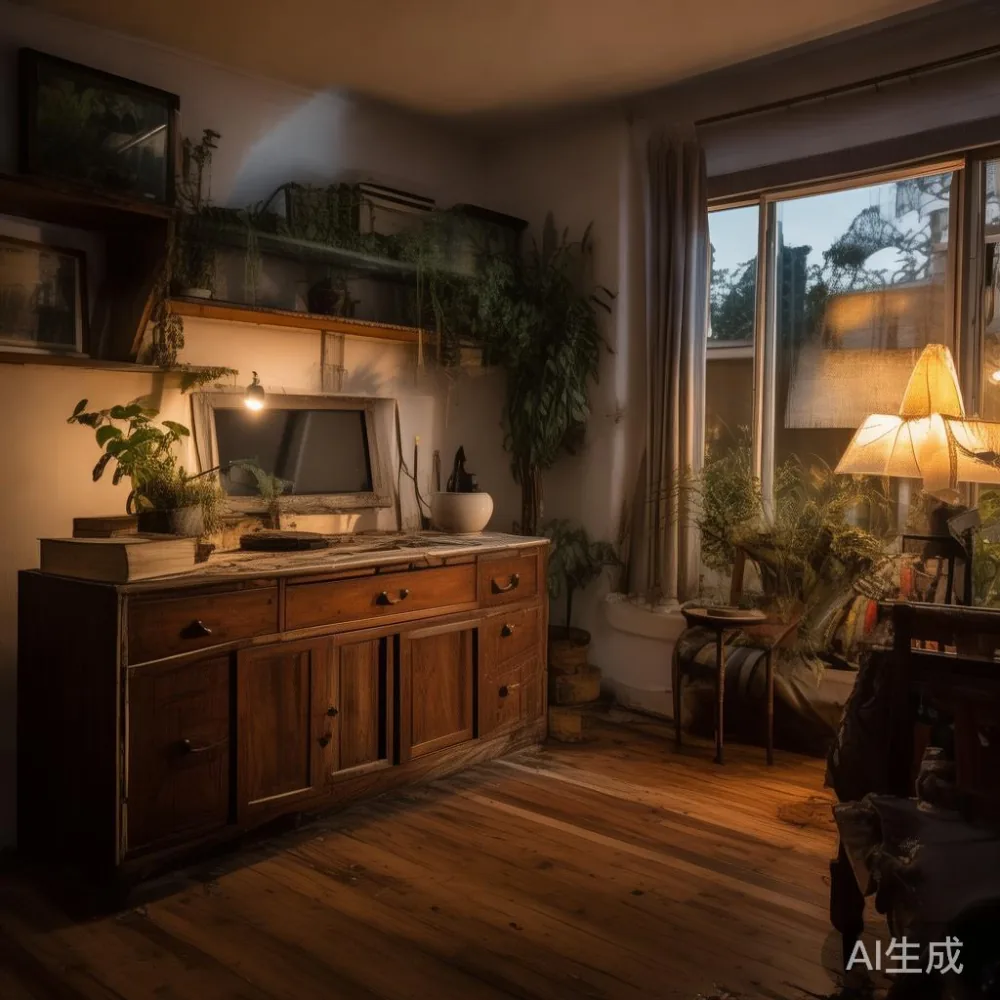
Humidity does not automatically ruin solid wood. Oak, ash, beech, teak and other timbers naturally exchange small amounts of moisture with the surrounding air. The practical concern is repeated movement: a bed frame may loosen slightly, a wardrobe door may not align as cleanly, and a dining table may develop a visible seam or finish haze. Careful packing, acclimatisation and sensible indoor humidity control reduce those risks.
MIDHILL designs and packs furniture for export to more than 15 countries. Its 10-year structural warranty addresses construction over time, while lifetime refinishing reflects the long life expected of properly made solid wood. In Singapore, delivery planning also matters because many older HDB corridors and lift interiors measure only about 90–110 cm wide. A dining table with a 160 cm top, for example, may fit through the home but still require turning clearance near the entrance.
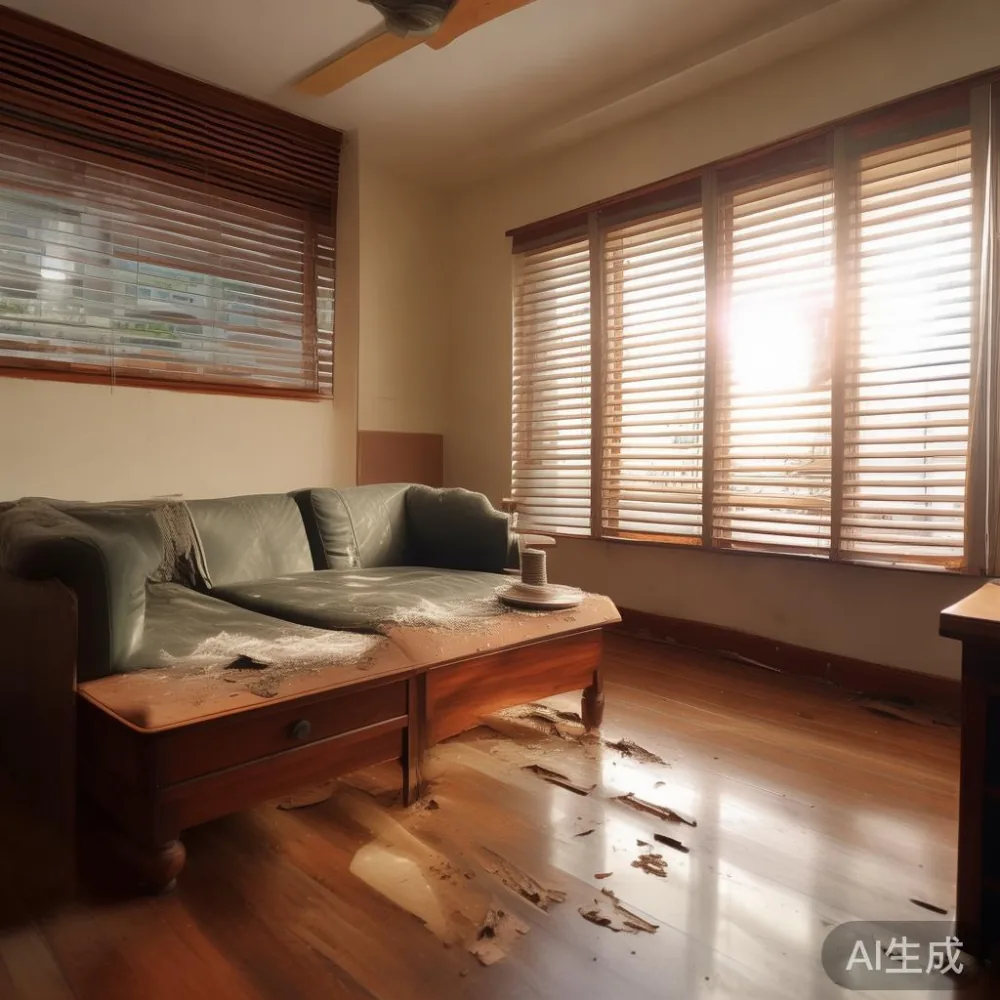
How does humidity change solid wood furniture in Singapore?
Wood moisture content responds to relative humidity. At 40% relative humidity, many indoor furniture timbers may stabilise with a moisture content around 6–8%. At 80% relative humidity, that figure can rise toward 12–16%, depending on the species and finish. This movement is not equivalent to permanent swelling: once the humidity falls and the wood dries evenly, much of the dimensional change can reverse.
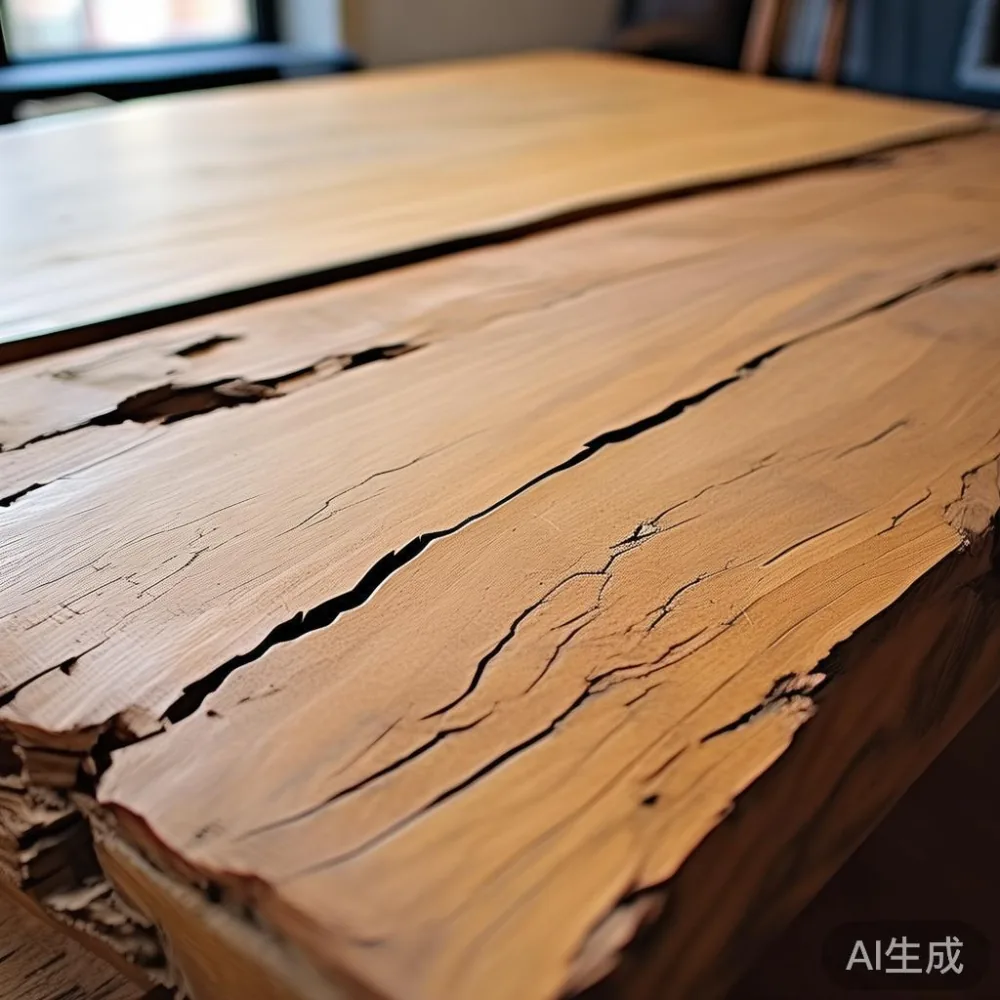
The danger is uneven change. A dining table moved directly from a humid van into a dry, air-conditioned living room can lose moisture across its exposed surfaces faster than its protected underside. Small surface checks can appear along a lacquered edge, veneer seam or joint. Solid wood sofa frames can remain stable if they are well made, but loose seat cushions, drawer fronts and bed slats still need room to work naturally.
In a typical Tampines HDB flat, outdoor conditions might read 30°C and 85% relative humidity while the bedroom remains at 23–25°C and 55–65% relative humidity after air conditioning has been running. A simple digital hygrometer placed near—not directly against—the wardrobe or bed frame costs about SGD 18–35 and gives a useful indoor reading. Keeping relative humidity between roughly 45% and 65% lowers the likelihood of repeated dimensional movement.
Singapore’s rainfall and condensation make short-term spikes common. The objective is not to eliminate moisture but to avoid repeated swings across a 24-hour cycle. Air circulation, sensible heating or cooling and properly sealed surfaces are more dependable than sealing wood too heavily, which can trap existing moisture inside.
What causes shipping damage before a sofa or bed reaches your home?
Shipping damage usually begins with exposure and handling rather than with one hard knock. A solid wood sofa packed in a humid container may arrive with swollen frame joints, softened packaging corners or a finish that feels tacky. A wardrobe can be scratched if its protective boards shift. A dining table top needs protection at the corners and along any exposed edge. A marble table is less prone to swelling, yet it needs separate attention because stone, packaging and vibration can create impact damage.
Factories should specify moisture targets before packing. For delivery into Singapore, a wood moisture content near 8–12% is a practical starting range for many residential pieces, subject to the species and expected indoor conditions. Staff should inspect the table, sofa or cabinet at least 24 hours before packing, allow trapped workshop moisture to disperse and record the reading beside the production date.
Protection should correspond to the product. Bed frames, sofas and wardrobes need rigid corner guards, breathable wrapping where appropriate and skid or carton support. Dining table tops benefit from individually protected edges. A nightstand should have runners and adjustable feet inspected rather than relying on particle-board spacers. These measures reduce shipping damage before a delivery crew reaches the building.
Transport adds another risk. Corridors in older HDB blocks may be around 100–120 cm wide, with lift doors of approximately 80–90 cm. A 45 kg wardrobe may be manageable for two people, but weight is not the only factor; the diagonal turning space at a landing can be smaller than the cabinet width suggests. Removing drawers and shelves may reduce the load by 8–20 kg and protect the internal components.
Can Singapore homeowners prevent humidity-related damage?
Yes. Start by letting furniture acclimatise rather than unpacking it aggressively in a humid corridor. Keep boxed items in a dry room for 12–24 hours after arrival where possible. For a wardrobe shipped from Singapore to Tampines, if the carton was left beside an open window or in an unconditioned service corridor, move it into the bedroom before removing the outer packaging.
Leave adequate ventilation behind freestanding pieces. A bed frame should stand about 5–10 cm from a cold wall when the design permits, and a wardrobe should leave 3–5 cm at the rear if the installation instructions allow. These gaps reduce condensation. Avoid placing a solid wood dining table against an air-conditioning vent, because direct cold airflow may lower its surface moisture faster than its underside.
Use coasters and mats rather than decorative cloths that hold dampness against wood. A 40 cm wide dining table could receive 1–2 litres of water during a long family meal if cups, serving bowls and a humid pot are left uncovered. Wipe spills within 5 minutes and dry the surface with a clean cloth. Do not use a soaked microfibre pad, as repeated saturation can damage water-based finishes.
Refinishing should follow inspection, not guesswork. If a lacquered dining table has white haze, first determine whether it is moisture trapped under the finish. Light cleaning may resolve a minor film, but peeling lacquer needs treatment within a few days. MIDHILL’s lifetime refinishing service gives owners a path for restoring an eligible surface after normal use, subject to the care terms.
How should an apartment delivery be planned from packing to placement?
Measure the complete route, not just the lift door. Record the narrowest corridor width, lift car dimensions, turning radius, staircase width and doorway height. A bed frame delivered in two pieces may weigh 35–75 kg, while a three-door wardrobe may weigh 70–110 kg. A marble table top can exceed 60 kg even when its base is light, which calls for planned handling rather than improvised lifting.
Check the building’s booking requirements at least 48 hours ahead for a condo move. HDB blocks may require use of a particular service route, booking a common corridor or protecting floor surfaces. A professional delivery team should also carry felt pads, corner guards and straps, not rely on blankets alone.
Inspect the carton before signing. Photograph all 6 sides, the label and any visible puncture. If a wardrobe panel is cracked or a dining table corner is crushed, note it on the delivery record within 10 minutes while the crew is present. For concealed damage, photograph the opened package carefully. This is where clear packing standards can distinguish a handling issue from a humidity-related finish problem.
Singapore GST and the purchase total should be confirmed before payment. MIDHILL offers free shipping on qualifying orders over US$350, although the Singapore quote, GST applicability and final delivery days should be stated clearly in local currency. For a dining table priced around SGD 1,880, the customer may see GST added at checkout; a 9% GST amount would be SGD 169.20. The final payable amount is therefore SGD 2,049.20 before any separately stated service charge.
How do you choose solid wood furniture for a humid apartment?
Ask about species, construction, moisture content, finish and after-sales coverage before comparing appearance. Kiln-dried hardwood should be straight and consistent, with joints that do not look artificially swollen. Prefer a bed frame with a centre support leg and slats spaced according to the mattress size. A 160 cm bed typically uses slats at about 5–10 cm centres, depending on the design.
For lighter interiors, French light luxury works well with pale oak, cream upholstery and restrained profiles. A solid wood sofa with slim arms may suit an HDB living room, but leave at least 75–90 cm between the front edge and a coffee table. For bedroom planning, advice on how to style American bed in apartment layouts can help with scale and visual proportion; an upholstered bed may add warmth, while a timber frame makes humidity management more visible.
Buyers considering another style can research how to choose Japanese bed frames by checking clearances, headboard height and floor clearance. A low 25–35 cm profile can make a Punggol studio feel more open, provided the side aisle remains at least 60 cm where possible.
Dining buyers comparing an Italian light luxury dining table should examine underside support, extension mechanics and edge sealing. A fixed 180–200 cm table may demand careful lifting and turning, while a 140–160 cm table is easier to manoeuvre through compact corridors. Searches for Industrial for dining room ideas may favour darker metal and timber combinations, yet the material still needs the same moisture and packing controls.
For fabric-led schemes, a search for best Boho sofa for 2026 can surface options with loose covers and layered cushions. While the word “best” cannot serve as a guarantee of humidity performance, removable washable covers help after spills. The frame, joinery and finish matter more than a trend label.
Which material details matter most before the furniture is delivered?
Solid timber responds to humidity differently from marble, although both need careful preparation. Marble table tops do not absorb much atmospheric moisture, but cementitious or resin-backed slabs can be sensitive to impact and prolonged moisture at the edge. The base must be protected independently, and the top should be lifted rather than dragged whenever possible.
For wholesale planning, conversations about wholesale Italian light luxury furniture often centre on finish samples, packaging dimensions and container loading. A distributor ordering 40 dining tables needs 40 moisture records and a repeatable inspection standard, not one sample checked at random. The same principle applies to 20 wardrobes or 30 solid wood sofas.
At MIDHILL, production communication should identify the destination climate and expected delivery route. Export packing can use reinforced cartons, timber skids and moisture indicators where appropriate. For Singapore orders, the practical target is simpler: arrive dry, remain protected through the corridor and acclimatise indoors before final adjustment.
Do not place a newly delivered dining table directly against a warm exterior wall in a Bedok condo if the wall may reach 32°C while the room is at 24°C. Leave 10 cm of clearance, keep the table out of direct air-conditioning output and inspect the top at 24 and 72 hours. A small hygrometer, clean cloths and a record of indoor conditions can catch a developing issue before it becomes a visible defect.
What should I do if a solid wood table or wardrobe shows moisture marks?
Separate moisture haze from impact damage. A white haze that disappears with a lightly damp, clean cloth may be surface condensation. A dent that remains after cleaning suggests a finish or substrate issue. A split along the grain, a lifting edge or a warped panel needs clearer documentation and assessment before sanding or refinishing.
For shipping damage, photograph the object immediately and keep the protective packaging for at least 7 days if practical. Do not apply oil, wax or silicone over a damaged area before inspection; those products can make the original finish harder to assess. A nightstand with a swollen drawer bottom may respond to slower drying, while a crushed marble table edge needs separate impact analysis.
Adjusting furniture should be gradual. If the home is very dry, raise humidity gently through the building’s air-conditioning system or a rated humidifier operated for short periods. Do not aim at 80% relative humidity, since that encourages mould and dust mites. A reading of 50–60% is generally more comfortable for wood, textiles and occupants.
Delivery timing matters in a small HDB flat. Choose a window with at least 3 clear hours for unpacking, and avoid the final 24 hours before a project deadline. If the corridor is only 95 cm wide, ask the delivery team to measure before carrying a 120 cm wardrobe through. The final placement should be checked for levelness after the room has had 12–24 hours to stabilise.
How long does furniture need to acclimatise after delivery?
Most pieces benefit from a 24–72 hour observation period. Large dining tables and wardrobes may need 3–7 days if they have travelled from a cooler or drier manufacturing region. The exact timing depends on the timber, thickness, finish and indoor humidity. A 30 mm solid wood dining table top can respond more slowly than a 15 mm nightstand because moisture travels through a greater thickness.
Do not repeatedly tighten screws during the first week. Wood naturally expands and contracts, and forcing hardware while the piece is adjusting can make a joint feel worse. Check the alignment once after 24 hours and again after 72 hours. If a bed slat squeaks, locate the support point and use the manufacturer’s specified spacer rather than adding improvised blocks.
After acclimatisation, maintain moderate conditions and clean spills promptly. Solid wood furniture can remain serviceable for decades when treated as a long-term material rather than a decorative object that must be isolated from the climate. For importers, design teams and homeowners comparing post-modern light luxury or American light luxury pieces, the practical test is simple: ask for moisture data, inspect the route and keep the delivery record.
MIDHILL can be contacted at +86 188 2788 2512 for project specifications, packing requirements and delivery planning across Singapore and export markets. Confirm stock, dimensions, SGD pricing, GST, estimated delivery days and corridor access before the order is booked. A well-measured delivery does more than prevent scratches: it gives solid wood, upholstery and marble the best chance to settle safely in its new home.