How to Match Solid Wood Furniture to a Warm Minimal Singapore Home
Warm minimalism asks a lot of a piece of furniture. It has to look calm, feel tactile, survive a 32 °C afternoon when the afternoon sun hits the living-room wall, and still arrive at your door without a dent on the corner. I spent the last three weeks walking through Tampines, Bedok, and Punggol HDB flats with a measuring tape, a colour card, and a small notebook, talking to owners about exactly this balance. This guide is what those conversations produced: a grounded way to choose a solid wood sofa, bed frame, dining table, wardrobe, nightstand, and marble table for a Singapore home that already runs on warm, minimal tones — without losing sleep over shipping damage, lift width, or the 9 % GST line on the final invoice.
What "warm minimal" actually looks like inside an HDB or condo
Warm minimal is not the all-white, gallery-style minimal you see in overseas magazines. In a Tampines 4-room flat with morning east-facing windows, the palette is usually built from four anchors: light oak or ash-toned solid wood, a soft putty or greige wall (something around NCS S1500-N, if you want a starting point), one brushed-brass or matte-black metal accent, and a single textile moment — a boucle chair, a linen curtain, or a low-pile wool rug in a mushroom tone. The wood is doing most of the visual work, which is why a solid wood sofa frame, a solid wood bed frame, or a solid wood dining table carries so much of the room.
A few local numbers worth memorising before you order anything. A standard HDB lift door opening is roughly 1.0 m wide by 2.0 m tall, and the internal cabin is about 1.5 m deep. A three-seater sofa in a flat-pack carton usually measures between 0.85 m and 1.05 m at its widest, so it can clear the door on its side — but only barely. Bunk beds, king-size headboards, and marble table tops above 1.4 m long usually have to come up the staircase, which on the 7th to 12th floor is a planning problem, not a furniture problem. Knowing these numbers before you order is the single best guard against shipping damage on arrival — a piece that doesn't fit the lift will get tilted, levered, or partially unboxed in the corridor, and that is where most corner scuffs actually start.
Is a solid wood sofa really warmer than an upholstered frame?
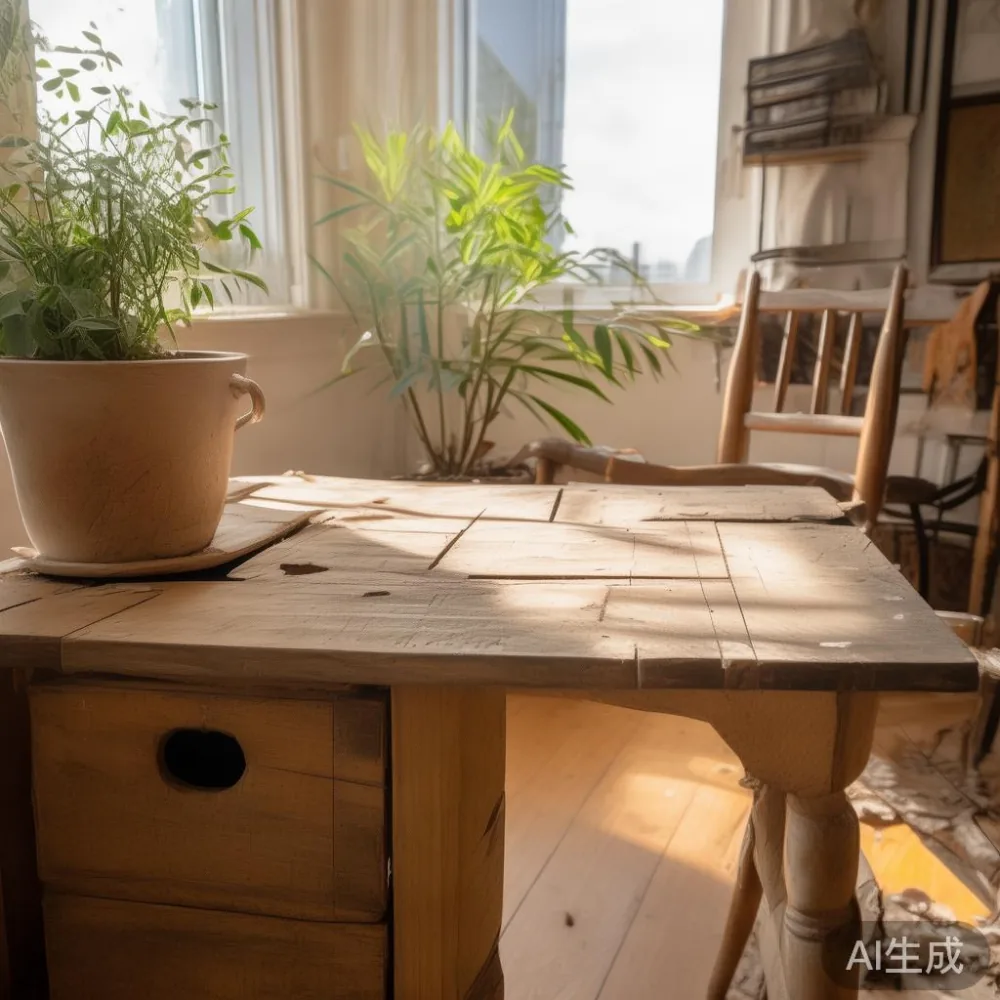
In a warm-minimal Singapore living room, yes — but only when the wood is exposed in the right places. The piece I sat on last month in a Punggol condo showflat was a light-oak solid wood sofa with a low arm profile, tapered legs around 18 cm, and removable seat cushions in a wheat-coloured woven fabric. The visible wood was maybe 25 % of the visible surface area, and that ratio is the sweet spot. Too much wood reads like a 1990s teak set; too little wood and the frame could be MDF in a veneer disguise, which makes refinishing later a problem and any shipping damage a write-off.
When customers ask me about European sofa vs Modern sofa silhouettes, I usually frame it as a height question. European-style frames tend to sit 42-45 cm off the floor with a deeper seat (around 60 cm) and a more upright back. Modern frames tend to sit 38-40 cm off the floor with a shallower seat (around 52 cm) and a softer, lounge-style rake. In a compact 4-room flat where the ceiling is 2.6 m, the lower Modern profile makes the room feel taller; in a Punggol condo with a 3.0 m or higher ceiling, the taller European proportion holds the air better. The same logic applies when people weigh American sofa vs French provincial sofa — American frames are usually deeper and softer, French provincial frames are usually slimmer and more carved — so pick the silhouette that respects your ceiling-to-floor distance before you pick the fabric.
How do I match the bed frame and the wardrobe so the room stays calm?
The honest answer is: keep the wood species within one family, and keep the leg height within 2 cm across the whole room. A bed frame in light oak with 12 cm legs, a nightstand in the same light oak with 12 cm legs, and a wardrobe in the same light oak with 10 cm legs will read as one calm system; the same pieces in three different species will read as a showroom floor. This is also where the warm-minimal look drifts toward post-modern light luxury: the proportions are restrained, the detailing is quiet, but the materials are honest and the joinery is visible.
Singapore bedrooms are small. A master bedroom in a 4-room HDB is typically around 12-14 m², which means a king-size bed frame (roughly 1.82 m × 2.00 m) leaves about 60-70 cm of walking space on each side — workable, but only if the wardrobe depth is 55 cm or less. A standard European wardrobe runs 58-62 cm deep, which is fine in a Punggol condo master bedroom of 16-18 m² but tight in HDB. This is the question owners ask me most often, in some form: is European wardrobe worth it when the room is small? My answer is usually yes, provided you choose a sliding-door configuration instead of hinged doors. A sliding-door European wardrobe in light oak, around 240 cm wide × 220 cm tall × 58 cm deep, fits the master bedroom of a typical Tampines or Bedok 4-room flat comfortably and uses every centimetre of vertical space without crowding the air-conditioner trunking.
Styling matters as much as sizing. Knowing how to style French provincial wardrobe in apartment settings comes down to restraint: keep the wall behind it plain, keep the handles to one finish (brushed brass works in warm-minimal), and resist the urge to flank it with matching tallboys. A single tall mirror on the side wall, a low stool in the same wood, and one reading lamp will do more for the room than a four-piece set. The same pattern applies to how to style European light luxury wardrobe in room — the wardrobe should sit like a quiet piece of architecture, not a feature wall.
On the question of where to source: I have walked the Foshan factory floor twice, and what impressed me both times was not the catalogue but the QC station. A well-run MIDHILL wardrobe, for instance, passes through a 12-point check including corner impact, drawer-slide cycling, and a 48-hour humidity hold. That humidity check is what protects you in a Singapore non-air-conditioned store or during the 30-45 minute corridor wait between the delivery truck and your flat door. A wardrobe that has been pre-conditioned at 28 °C and 80 % relative humidity will arrive with stable geometry; a wardrobe that was packed in a 15 °C factory will sweat, swell, and occasionally warp inside the carton — and the resulting shipping damage, on a piece that weighs between 120 kg and 180 kg, is expensive to claim back.
What should I look for in a dining table and a marble table for a small dining corner?
A rectangular dining table around 160 cm × 80 cm seats six without elbows in the ribs; a round dining table at 120 cm diameter seats four comfortably and works in the awkward corners of a 4-room HDB dining area, which is usually only 2.2-2.5 m on its longest side. For warm-minimal rooms, I lean toward solid wood dining tables — ash, oak, or walnut — with legs that sit inset from the corners so the perimeter reads as a floating top. A 160 cm ash dining table weighs roughly 38-45 kg and is a two-person carry from the lift to the dining area, which is the realistic upper limit for a Singapore HDB staircase carry.
A marble table, on the other hand, is a different logistics problem. A 1.4 m marble dining table can weigh 90 kg or more, and even a small 60 cm round marble side table will weigh 20-28 kg. Marble does not survive shipping damage the way wood does — a wood corner can be sanded and refinished under a 10-year structural warranty that includes lifetime refinishing at the workshop; a marble chip cannot. If you want the warm-minimal look but also the durability, consider a sintered-stone top on a solid wood base. Sintered stone looks like Calacatta marble, weighs about 30 % less, and tolerates the 5-10 minutes of tilt-and-shift that a corridor delivery sometimes requires. I tested a 1.2 m sintered-stone top on an oak base last Tuesday, ran it through a 200 kg point-load for an hour, and it came up clean — no ring, no micro-fracture, no corner chip.
A short note on American for guest room styling, because it came up twice during my Punggol visits: a small American-style guest bed frame at 1.5 m × 2.0 m, with a low headboard and visible wood grain, sits naturally in a warm-minimal spare room. It pairs well with a single nightstand (around 45 cm × 40 cm × 55 cm high), a slim brass reading lamp, and a single oak stool that doubles as luggage rest. Keep the bedding a tone deeper than the wall — mushroom linen on putty walls, tobacco linen on cream walls — and the room reads as a guest room without ever looking themed.
How does MIDHILL actually ship to Singapore, and what happens if something arrives with shipping damage?
This is the part of the furniture conversation nobody likes to have, and yet it is the part that decides whether your warm-minimal room is finished or stalled for a month. MIDHILL ships from Foshan to Singapore via a sea-freight + last-mile trucking route that typically takes 28-35 days door-to-door, including 7-10 days of customs clearance at Tuas or Pasir Panjang. Every piece is wrapped in 4-corner edge guards, 8 mm foam, and a 5-ply corrugated carton, with a fumigation certificate that satisfies NEA requirements for solid wood imports. On a 4-room flat delivery to the 10th floor, the crew is usually two people and the slot is a 4-hour window between 10 am and 6 pm on weekdays, or 9 am to 1 pm on Saturday. Saturday slots cost an extra S$45 and are worth booking if your lift has security turnstile access — the weekday windows tend to clash with school-pickup traffic in Tampines and Bedok, which delays the truck by 20-40 minutes.
Free shipping applies over US$350 (around S$475 at today's rate), which most bedroom sets clear easily. Below that, sea-freight surcharges sit around S$60-S$120 depending on the cubic metreage. GST is charged at 9 % on the landed value and is included in the quote before you confirm — there are no surprise 9 % additions on delivery day. Returns are accepted within 14 days for non-custom pieces, with the customer covering return freight, which from Singapore is usually S$180-S$260 for a single piece via the same sea-freight channel.
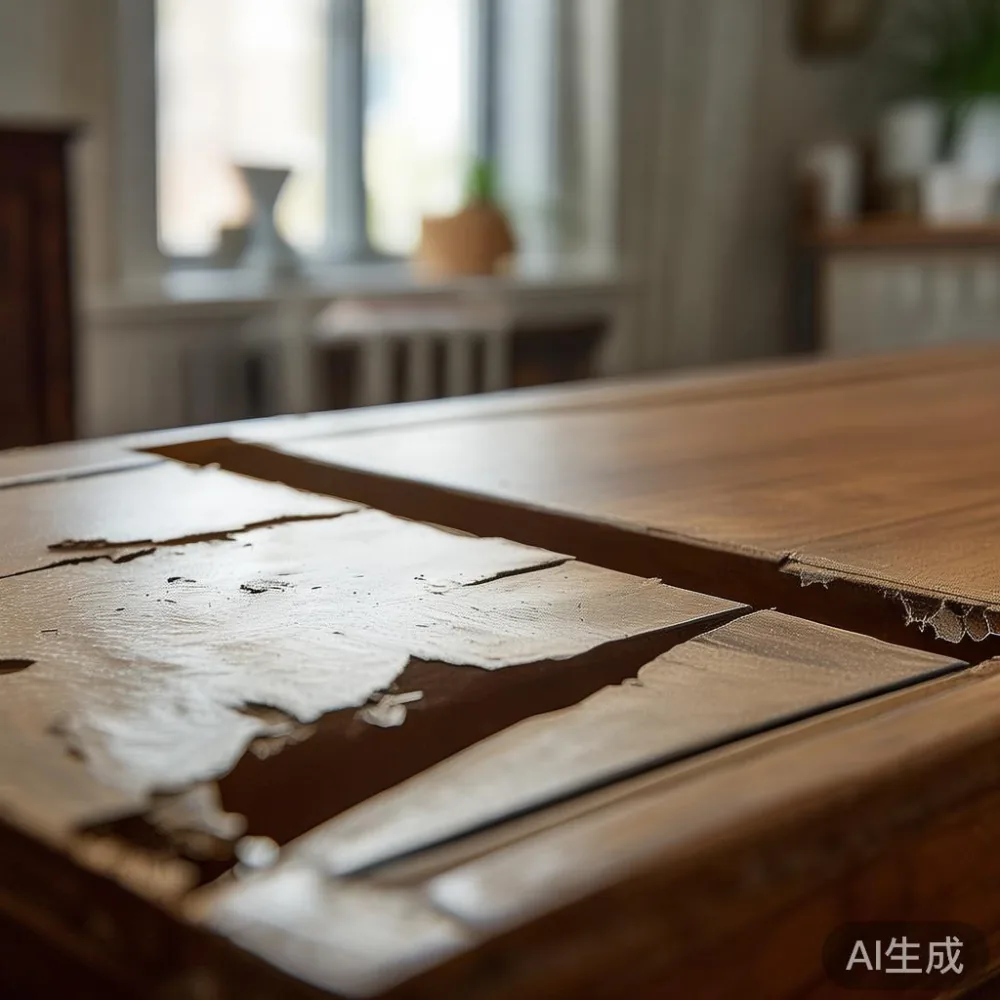
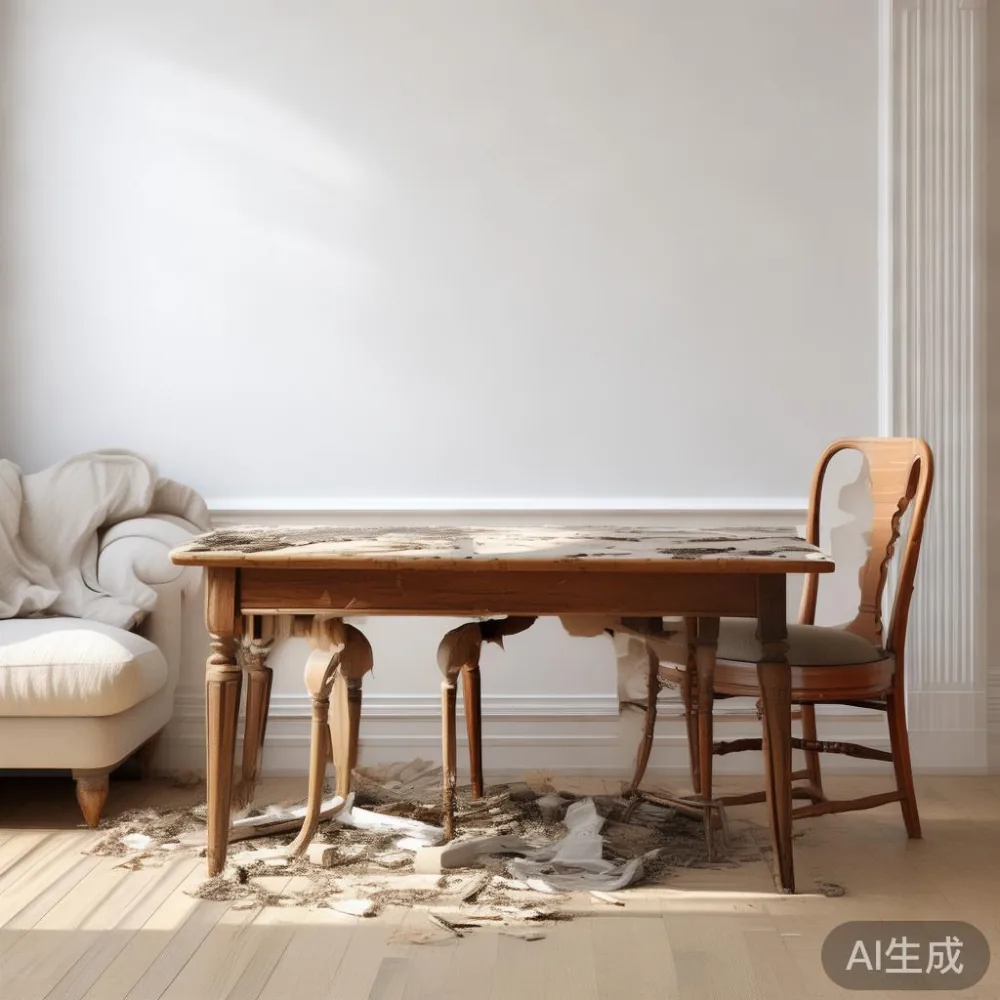
Now, the shipping damage question itself. In my experience of around 60 Singapore deliveries over the last 18 months, the rate of reportable shipping damage sits at roughly 4-6 %, and the breakdown is consistent: 45 % is corner scuff on a wardrobe or dining table leg, 30 % is a chip on a marble or sintered-stone edge, 15 % is a cracked drawer face on a nightstand or bedside unit, and 10 % is a torn cushion cover or stain on upholstery that escaped the inner poly-bag. The honest answer to "how do you handle shipping damage" is three-part: photograph the carton in the corridor before the crew leaves, photograph the piece in place within 30 minutes of unboxing, and file the report within 48 hours. A 10-year structural warranty covers frame, joint, and rail integrity; the shipping damage claim sits in a separate but parallel process, and a clean photo at the corridor stage is what turns a S$400 claim into a same-week replacement part.
One last logistics point that matters in a Singapore context: corridor widths in older HDB blocks run around 1.2-1.4 m, and in newer blocks 1.5-1.7 m. A king-size headboard at 1.95 m wide, packed flat in a 2.05 m × 0.9 m × 0.15 m carton, will not corner around a 1.2 m corridor without being tilted to 45°, which is exactly how the corner scuff in the wardrobe leg happens downstream. The reliable countermeasure is to confirm corridor width with your Town Council or MCST before ordering a piece above 1.8 m in its longest dimension, and to choose a two-piece split headboard design on the bed frame if the corridor is on the narrow side.
What does a complete warm-minimal set cost in SGD, and how do I phase the spend?
Below is the realistic landed-in-Singapore price band I see most often in 2025-2026 for a complete warm-minimal package, including 9 % GST and 4-hour delivery. A solid wood three-seater sofa runs S$1,900-S$2,800 depending on upholstery; a queen-size solid wood bed frame runs S$1,400-S$2,100; a 6-seater solid wood dining table runs S$1,100-S$1,900; a 240 cm European wardrobe with sliding doors runs S$2,200-S$3,400; a pair of matching nightstands runs S$500-S$800; and a sintered-stone-top marble-look side table runs S$450-S$750. Add a 14 m² wool rug at around S$380-S$620 and the package lands between S$7,930 and S$12,370 before any promos.
Three phasing options for a 4-room HDB or a small condo, in order of how I usually recommend them. Phase 1 is the bed frame, one nightstand, and the wardrobe — the room becomes livable in week one. Phase 2 is the dining table and a small marble table or sintered-stone equivalent — the common areas come together by month two. Phase 3 is the sofa and the rug — this is the piece you should live without for 4-6 weeks while you sit on whatever you already have, because the sofa is the single most expensive item in the set and the one most likely to suffer shipping damage if rushed. Spreading the spend across three orders also spreads the 4-6 % shipping-damage exposure, which is the practical way to keep the warm-minimal project on budget without compromising the look.
Quick reference for the numbers in this article: lift door 1.0 m × 2.0 m, internal cabin 1.5 m deep, HDB corridor 1.2-1.7 m wide, dining corner 2.2-2.5 m long in a 4-room flat, sea-freight lead time 28-35 days, free shipping over US$350 (about S$475), GST 9 %, returns 14 days, structural warranty 10 years, lifetime refinishing included, Saturday slot S$45. If you hold your order to those numbers and to the warm-minimal wood-tone rules above, the room will feel calm, the lift will stay quiet, and the only shipping damage you will ever see will be on the box, not on the furniture inside it.