Lacquered Wood Care in Singapore: Stopping Shipping Damage Before the Humidity Wins
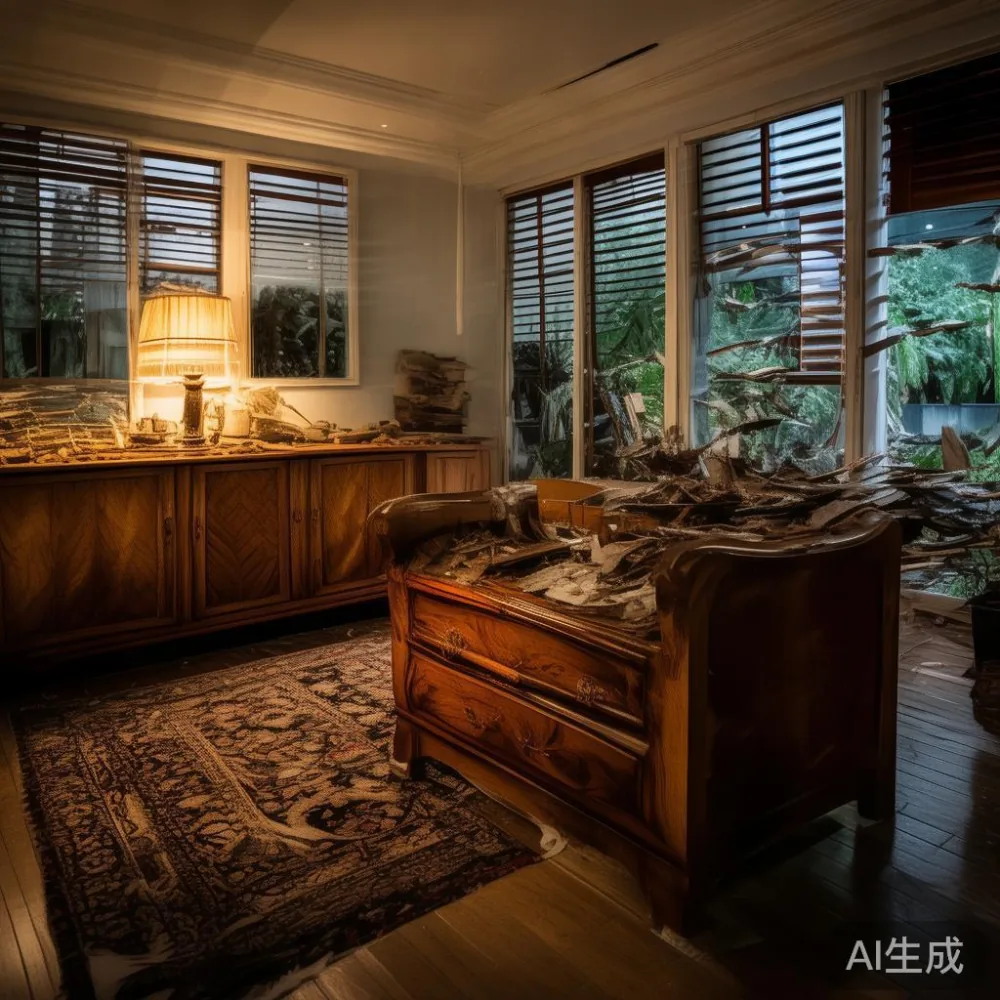
I keep a small notebook on the workbench in our Tampines warehouse, and the last page is full of complaints that started with the same three words: "But it looked fine when it arrived." In Singapore, where the morning haze sits at 28°C and the relative humidity refuses to dip below 70% for nine months of the year, a lacquered solid wood dining table or wardrobe can travel from a Foshan workshop to your HDB lift lobby looking perfect, then begin to misbehave six weeks later. Most of what looks like a factory defect is actually a climate reaction that began long before the carton left the loading bay. That is why caring for a lacquered surface in a tropical climate is, in practice, also a question about shipping damage — what the crate did to the finish, and what the weather is now doing to it.
Why Does a Lacquered Dining Table Cloud Over After Delivery in Singapore?
The short answer is moisture pressure. Lacquer — whether a high-gloss Italian polyester, a hand-rubbed French provincial satin, or the soft matte seal used on many Mid-century modern pieces — is a film. It sits on top of the wood like a thin glass pane. When a kiln-dried oak or ash frame leaves a workshop at 8–10% moisture content and then sits for 12 to 18 days in a 40-foot shipping container, the wood absorbs and releases humidity in step with the ambient air. By the time the crate is broken down in a Punggol condo car park, the timber inside is no longer at the same moisture percentage as when it was sprayed.
What you see as cloudiness is micro-cupping: the lacquer film is still bonded to the fibres it landed on, but those fibres have swollen unevenly. The cure window for a nitrocellulose or pre-catalysed lacquer is roughly 21 to 30 days after the final coat, which means a bed frame finished on a Monday in Foshan is still technically hardening on the day it reaches a Bedok corridor. During that window, the surface is unusually vulnerable. A few days of direct afternoon sun through a west-facing window is enough to push the finish into a permanent haze that no amount of polishing will remove. This is one of the quietest forms of shipping damage: the carton did nothing, the sun did.
What Are the Real Numbers Behind Humidity Stress on a Solid Wood Wardrobe?
I asked a colleague to log readings from a 2.4 m tall rubberwood wardrobe delivered to a 4-room HDB in Tampines East last month. The piece had spent 16 days at sea and 3 days in a Jurong bonded warehouse. On arrival, the hygrometer inside the cabinet read 78%. After 72 hours with the air-conditioner set to 24°C in a 90 sqm flat, it stabilised at 64%. The wardrobe itself had not moved on the stool. It was simply exchanging water with the room.
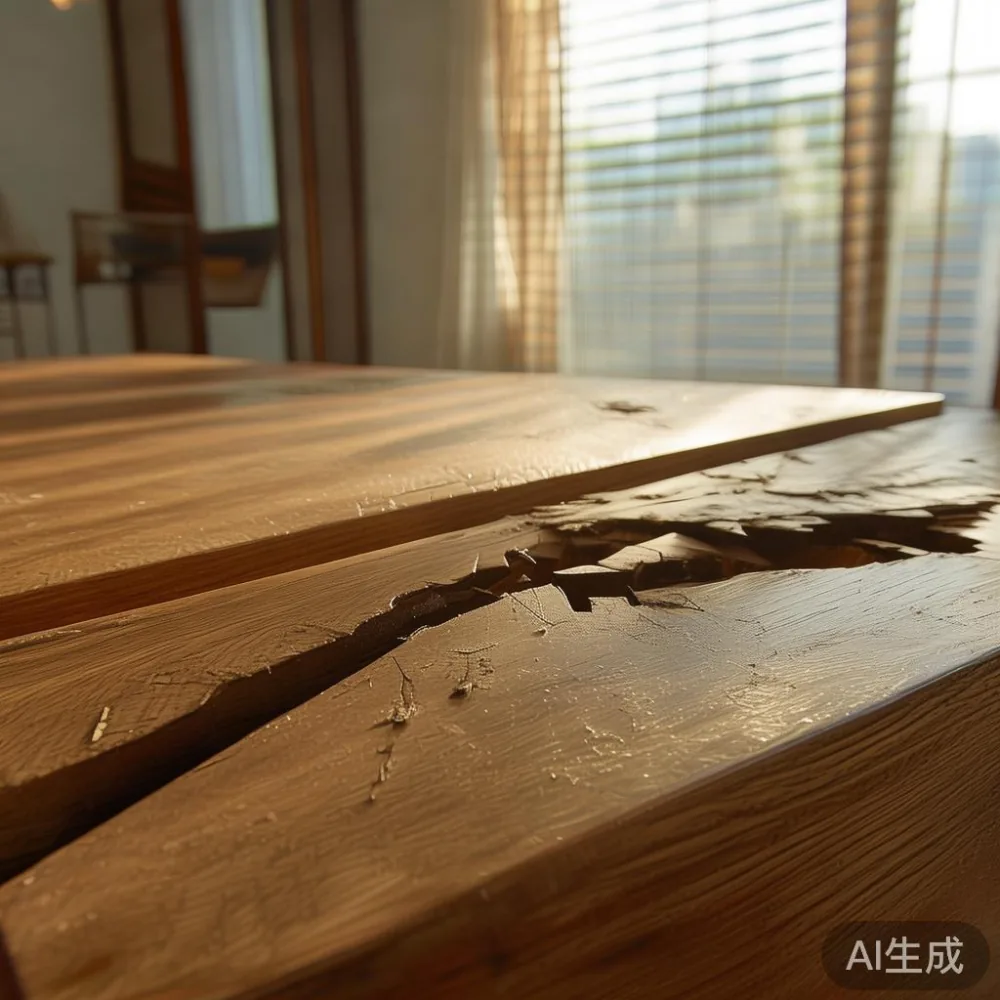
Solid timber moves. The rule of thumb used in most European sofa and furniture studies in Brazil is that wood changes dimension by roughly 1% for every 4% change in moisture content across the grain. For a 180 cm wide nightstand top made of ash, that works out to about 2 mm of seasonal movement. A lacquered film cannot stretch that far without leaving a visible stress line along the joint. If you are comparing is European sofa worth it versus an Asian-made alternative, this same movement principle applies — the joinery, not the marketing copy, is what fails in the tropics.
For Singapore specifically, keep the room between 55% and 70% relative humidity. A S$25 digital hygrometer from any neighbourhood Sheng Siong is a better investment than any boutique polish. The other number worth remembering: lacquer starts to yellow noticeably under UV after roughly 400 hours of direct exposure. A west-facing window in a Punggol condo at 1 pm delivers that dose in about eight weeks of unprotected exposure. Draw the blind.
How Should You Unpack a Marble-Top Coffee Table or Lacquered Sideboard in a Condo Corridor?
Most shipping damage happens in the last four metres — between the lift door and the客厅. Singapore HDB corridors are typically 1.2 m wide, and lifts in newer BTOs run 1.1 m by 1.4 m with a 2.1 m ceiling. A 1.8 m long marble-top coffee table will not fit diagonally through a standard 0.9 m door, so plan to remove the top and carry it separately. Marble tops on midhill tables weigh between 38 kg and 62 kg depending on thickness; the base is usually 18 to 24 kg. Two people, not one.
Unpacking sequence that I have used on real deliveries to Bishan and Toa Payoh:
- 1. Photograph the carton on the pallet before opening. If there is crushed corner guard or a wet patch on the MDF top cap, the insurance claim is cleaner.
- 2. Cut the outer carton along the tape line, not down the face. Pull the cardboard up like a jacket.
- 3. Lift the foam end-caps off vertically. Do not slide them across the lacquer — foam drags grit.
- 4. Let the piece acclimatise in its unboxed position for 24 hours before you push it against the wall.
The 24-hour pause is the single cheapest precaution against shipping damage I can name. A lacquered dining table that has been sitting in air-conditioning in the carton is colder than the room air. When you unwrap it, warm humid air condenses on the cooler surface, and that microfilm of water is enough to lift the lacquer edge along a mitre joint. You will not see it on day one. You will see it as a faint white line three weeks later.
What Is the Right Weekly Care Routine for a Lacquered Bed Frame in the Tropics?
Less is more. The biggest mistake I see in Singapore flats is over-cleaning. A weekly routine that takes six minutes is enough for a king-size solid wood bed frame or a six-seat dining table:
- Dry dust with a microfibre cloth (the 220 gsm grade from a Daiso costs about S$4). Wipe along the grain, not across it.
- Damp wipe once every two weeks using a cloth wrung until no water drips — never a wet rag. Hard water in Singapore leaves calcium spots that bake into lacquer under the next sunny afternoon.
- Skip the silicone sprays sold at car boot fairs. They leave a film that yellows within six months and defeats the next refinishing cycle.
If you have invested in a French light luxury sideboard or a post-modern light luxury TV console, the same routine applies — the price tier reflects the joinery and the wood selection, not a magical sealer. For American light luxury pieces with a brushed-pigmented finish, use only a soft dry brush in the carved recesses; a damp cloth can pull pigment out of the corners.
Spills are the test. Blot, do not wipe. Wiping a soy sauce splash across a satin lacquer pushes the stain into the surrounding film and creates a halo. Blotting lifts it. A coaster is non-negotiable under any cold drink; the condensation ring on a lacquered surface in 80% humidity appears in under 12 minutes and becomes permanent in 24.
How Can You Tell Whether the Problem Is Shipping Damage or a Climate Reaction?
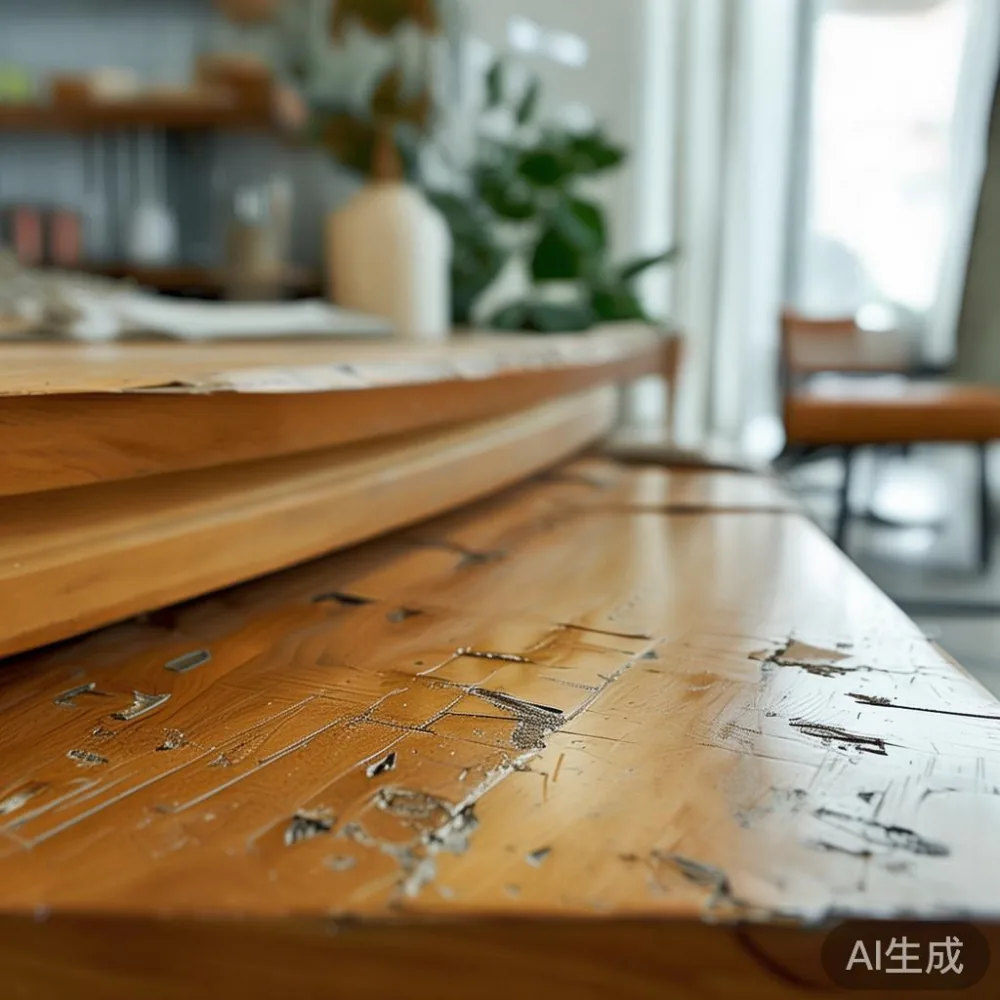
This is the question that consumes the most time in our customer service inbox. A useful field test: run a fingernail gently across the affected area. If the surface feels smooth and the haze is only on the top sheen, it is usually a climate reaction — the lacquer is intact, the light scatter has changed. If the fingernail catches on a ridge or the finish feels like orange peel, the lacquer itself has lifted, and the carton was probably the culprit.
Common shipping damage signatures worth knowing:
- Compression marks on the side panels, usually mirror-image on both sides — the carton was stacked under a heavier pallet.
- Hairline cracks radiating from a corner bracket — the crate was dropped, not tilted.
- Milky swirls under the lacquer that do not wipe off — the piece was stored in a humid warehouse and the moisture got under the film before the lacquer had fully cured.
- Bubble clusters along a sun-exposed face — left too long in a hot container on the tarmac at Changi.
If you are weighing for sale Mid-century modern furniture listings on Carousell or evaluating how to choose French provincial wardrobe options from a new supplier, ask for the production date, the finish schedule, and the moisture-content reading at the time of packing. A workshop that measures and records these is the same workshop that packs correctly.
Can a Lacquered Surface Be Refinished, and What Does It Actually Cost in Singapore?
Yes. A professional refinisher in Singapore typically charges S$60 to S$120 per square metre for stripping and re-lacquering a solid wood surface, including sanding and three coats of pre-catalysed lacquer. For a 1.8 m dining table top, expect S$220 to S$380 in labour, plus S$45 to S$80 if a new stain colour is requested. Refinishing resets the 21-day cure clock, so the same acclimatisation discipline applies.
MIDHILL offers lifetime refinishing on its solid wood sofa, bed frame, dining table, wardrobe, nightstand, and marble table ranges, which is a useful safety net if you intend to keep a piece for more than a decade. The cost of a single refinish in the open market roughly equals the depreciation saved by extending the life of the piece from 10 years to 22 years. It is the most economical answer to a tropical climate.
Which Furniture Styles Handle Singapore's Climate Best, and Which Should You Avoid?
Styles with open grain and exposed joinery — Scandinavian, Japanese sofa vs Japandi sofa designs, and most Mid-century modern pieces — breathe well and show minor movement gracefully. Tight-grained tropical hardwoods sealed with a flexible pre-catalysed lacquer are forgiving; tight-grained tropical hardwoods sealed with a brittle polyester lacquer are not. French provincial wardrobes with thick mouldings and deep carving trap humidity in the recesses, so dry them with a soft brush weekly and keep the room below 70% RH.
Heavily carved Italian light luxury case goods can handle Singapore if the workshop used a moisture-resistant sealer on the recesses. A best Italian light luxury sofa for 2026 from a reputable maker will use a flexible lacquer system rated for 60–80% RH; always ask. Solid wood sofa frames from a maker like MIDHILL tend to outlast fabric frames in the local climate because the timber is the structure — no MDF, no particleboard core.
If you are browsing a showroom and weighing whether a particular piece will survive a Tampines HDB lift and a Bedok corridor without becoming a shipping damage case file, look for three things: a kiln-dried sticker on the packing list, a moisture-content reading below 12%, and a finish schedule that names the lacquer type and cure time. A midhill coffee table review from a local customer will usually mention all three.
What Should You Do in the First 30 Days After a Lacquered Piece Arrives?
The first month is a settling period, not a polishing period. Keep the room between 24°C and 27°C, the humidity between 55% and 70%, and direct sun off the surface. Do not place a rug under a dining table for the first three weeks — the rug traps moisture and creates a slow-release humidity pocket under the top. Open wardrobe doors for 20 minutes each morning to let the interior air exchange. Do not load a wardrobe with clothes until day seven. Do not place a hot pot on a dining table without a trivet for the first 60 days; the new lacquer is still off-gassing.
If the lift lobby in your block is sheltered and the delivery team has to stage the piece for more than 15 minutes, ask them to keep it on the pallet and out of direct sun. Most shipping damage in Singapore happens in the staging area, not on the truck. A S$25 canvas drop cloth from a Bukit Merah hardware shop will protect a 2 m sideboard from a sudden Bukit Batok drizzle for the eight minutes it takes to clear the corridor.
Frequently Asked Questions From Singapore Customers
Customers in Punggol and Sengkang often ask whether dehumidifiers are worth running 24/7 in a small flat. For a 90 sqm condo, a 12 L/day dehumidifier set to 60% RH costs roughly S$0.40 per day in electricity and is a sensible companion to any lacquered wardrobe. For a 70 sqm HDB, a 6 L unit at S$0.20 per day is enough. If you travel frequently and leave the air-conditioner off, a dehumidifier with a continuous drain hose is the single best insurance against shipping damage that turns into climate damage.
Another common question is whether waxing helps. Paste wax over a fully cured lacquer adds a sacrificial layer that buffs to a soft sheen and slows UV yellowing, but it interferes with future refinishing. For most lacquered pieces in Singapore, a dry microfibre weekly and a professional refinish every 10 to 12 years is the cleaner cycle. Reserve wax for pieces you intend to keep forever and refinish never.
Last month, after three weeks of 80% humidity in a Jurong warehouse, a shipment of 22 dining tables arrived in our Tampines bay with visible milky swirls under the lacquer on 14 of them. Two were refinished, two were replaced, and the remaining ten recovered fully after ten days in an air-conditioned room with a fan running across their surfaces. Climate is patient, lacquer is patienter, and the carton is rarely the villain.