Caring for a Lacquered Surface in Singapore’s Tropical Climate
Singapore’s warmth, humidity, and frequent afternoon showers put a lacquered solid wood surface under more pressure than the same finish in a temperate climate. In an HDB flat in Tampines, a lacquered dining table may face 32°C temperatures and 80% relative humidity for much of the day. A condominium in Bedok can add salt-laden air through open windows, while a Punggol home near greenery may see pollen and damp tracking in from the corridor. The finish rarely fails because of one dramatic event; small daily exposures accumulate into dull patches, fine scratches, lifting at joints, and pale rings left by cups and bowls.
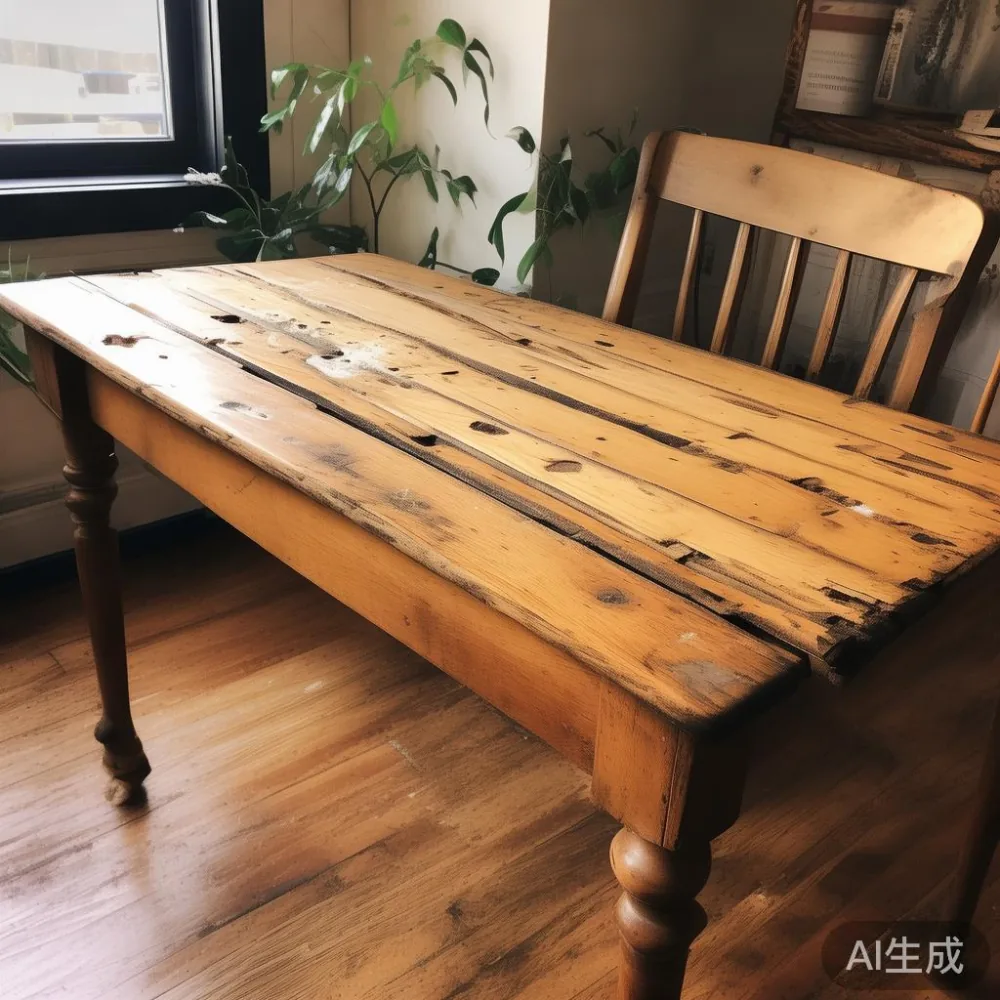
This guide explains how to inspect, clean, and protect lacquered furniture in Singapore, with practical measurements for family homes and shared corridors. It also explains how to separate cosmetic shipping damage from a structural problem. MIDHILL applies this approach to lacquered solid wood sofas, bed frames, dining tables, wardrobes, nightstands, and marble tables, each selected for its room, use, and environmental conditions.
Why does lacquer behave differently in Singapore’s humidity?
Lacquer is a clear or coloured surface coating applied over prepared timber. Unlike unfinished solid wood, it does not absorb every splash, but the underlying timber can still move as humidity changes. A finished dining table may expand across its width by roughly 3–6 mm when its moisture content rises from 12% to 18%, depending on the species, panel construction, and fit. That movement can place stress around joinery and lacquered edges.
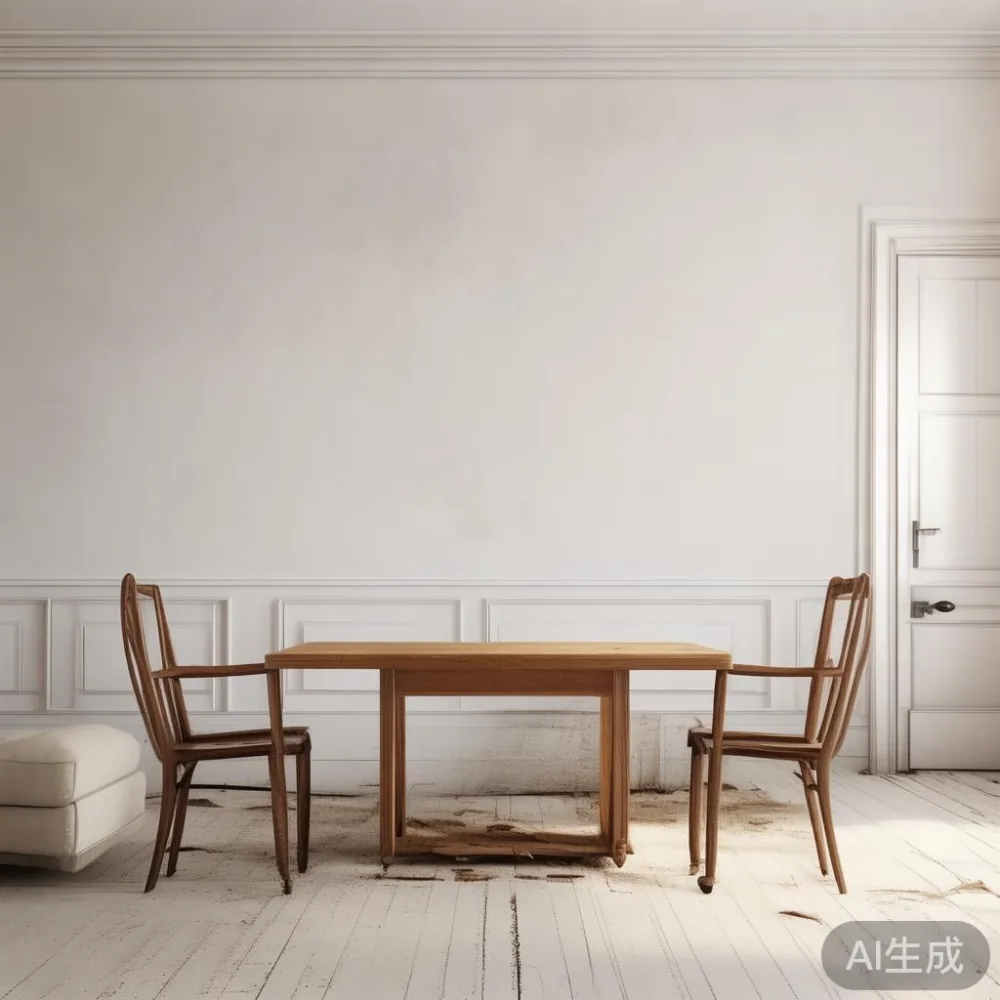
Use a simple household hygrometer rather than guessing. Place it near the furniture, not directly against an air-conditioning vent or window. A reading of 60–70% relative humidity is a practical target for most Singapore interiors. Above 75%, increase airflow and run the air conditioner for 60–90 minutes each day. Below 50%, which is common in a dry air-conditioned bedroom at night, moisture loss can cause very small gaps at timber joints.
Do not aim for a perfectly constant number all day. The less harmful pattern is gradual change, because repeated quick shifts are harder on lacquer and timber. Set the air conditioner to 24–26°C, close windows when outdoor humidity is highest, and leave about 5 cm between the wardrobe and the wall for air movement. For a bed frame, avoid placing it against a cold exterior wall; for a nightstand, keep it 30 cm away from a humid bathroom doorway.
What should I check before accepting a lacquered furniture delivery?
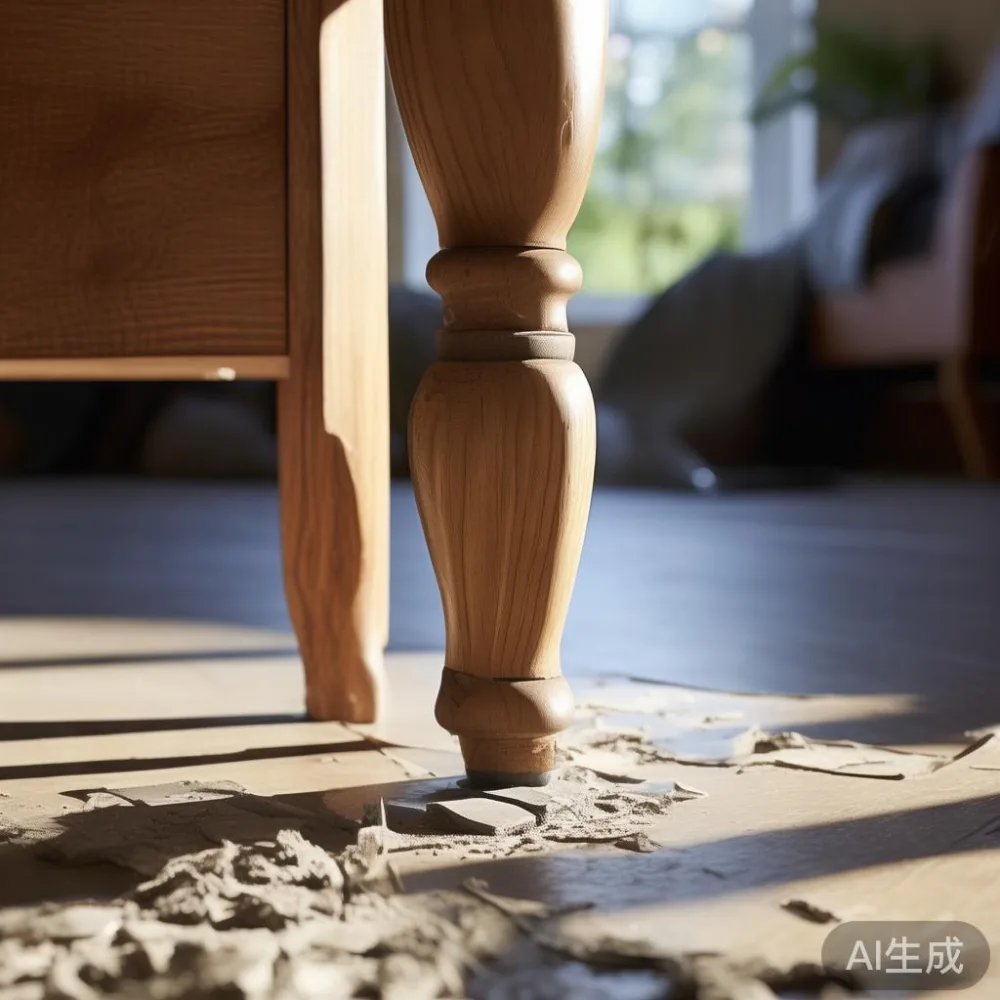
Inspect the furniture before the delivery team leaves. Photograph all 6 sides of each large item, the underside, the top, and every lacquered corner. Include a ruler or tape measure in one photograph so that dents and scratches can be judged accurately. A scratch 12 mm long is minor; a 120 mm split across a panel is not. Record the delivery date, the item dimensions, and the condition shown on the receipt.
Shipping damage can include crushed corners, punctures in the lacquer, chipped edges, separated panels, or a finish rubbed through to the timber. Check the four most exposed zones first: the top front edge of a dining table, the outer arm of a solid wood sofa, the headboard corners of a bed frame, and the projecting edges of a wardrobe. On a nightstand, inspect around the drawer front, handles, and feet.
Measure the access route as well. Many HDB lift doors are about 80–90 cm wide, while some service corridors and turning corners are narrower. Record the narrowest opening, the lift car dimensions, and the height of any staircase landing. A table top may fit through a 78 cm door when carried on edge, yet a 210 cm solid wood dining table can be too heavy to rotate safely inside a 110 cm-wide landing.
For larger pieces, ask the retailer to confirm whether the carton is protected by corner guards and moisture-resistant wrapping. Protection is especially helpful during the monsoon, when deliveries may be delayed by 1–3 days. If the outer carton is wet, punctured, or crushed, open it in the presence of the delivery team and record any shipping damage before accepting the item.
How should I clean a lacquered surface without scratching it?
Begin with a dry, soft microfibre cloth. Wipe gently in the direction of the grain or along the panel length; hard scrubbing can create a cloudy network of fine marks. For routine cleaning, dampen the cloth with warm water and add approximately 5 ml of mild dish soap to a 1-litre bucket. Wring it until it is merely damp, then wipe the surface. Dry immediately with a second clean cloth.
Never soak the top, flood the joints, or spray cleaner directly onto lacquer. Keep at least 20 cm between the nozzle and the furniture, and test the product on a hidden 5 cm × 5 cm patch for 24 hours. Avoid silicone furniture sprays, ammonia, acetone, alcohol-based glass cleaner, abrasive cream, and scouring pads. Although a small mark of nail-polish remover may help with one stain, repeated use can soften lacquer; it is better to contact the furniture maker promptly.
Clean dining tables after use, not at the end of the week. Wipe away water rings within 15 minutes and place hot cookware on a trivet with at least 4 cm clearance underneath. For a solid wood sofa, vacuum seams with a brush attachment and use a lightly damp cloth on the lacquered frame only. Follow the same restraint with a bed frame, wardrobe, nightstand, and marble table. Marble may appear immune to staining, but its cleaning rules remain the same because the lacquered timber frame around it still needs care.
How can I protect lacquer from heat, spills, and daily use?
Place lacquered furniture away from direct afternoon sun. Prolonged ultraviolet exposure can fade a finish and make it more brittle. A 100% blackout curtain or UV-filtering film can reduce exposure while preserving light. The relevant question for a designer or homeowner is how to style light luxury sofa in room without placing the piece where one arm receives constant sunlight.
Use coasters and placemats. A lacquered dining table may still need protection from a wet vase, a sauce bottle, or a clean paint brush. A 35 cm round coaster under a cold glass and a 45 cm × 30 cm placemat beneath a typical bowl can reduce repeated contact. Felt pads beneath decorative objects should be replaced every 6–12 months because embedded grit can scratch the finish.
For high-use pieces, assign a safe zone. On a nightstand, keep the area directly under a 500 ml water bottle free of hard objects. On a wardrobe, do not hang metal hooks against the doors. On a bed frame, keep bedding from rubbing against the headboard edge. A solid wood sofa should have a rule about no standing on the seat or arm; a 70 kg person concentrating their weight on one 12 cm section can damage the frame and deform the lacquer nearby.
Check coasters that are chipped or gritty. A tea cup should sit at a comfortable distance from lacquered edges, and a vase with a 24 cm base needs a stable pad rather than a narrow coaster. In a compact condo dining zone, these details preserve the clean visual language associated with French light luxury and post-modern light luxury without turning the room into a showroom of barriers.
What does shipping damage look like, and what should I do?
Not every scratch qualifies as shipping damage. Shipping damage usually occurred before or during transport: the finish may be torn, the corner crushed, a panel cracked, or a protective element missing. A scratch made after the furniture reached your flat is a care issue, although photographs can still help the retailer assess responsibility.
Take 3–5 close photographs under diffuse daylight, plus 1 wider photograph showing the item in its room. Avoid flash because glare can hide a dent. Make a 10 cm scale reference beside the mark without placing anything wet on the surface. For a lacquered bed frame, photograph the joint and the nearest structural fastener. For a wardrobe, include the hinge line and the top panel.
If the item has structural damage, stop using it until it is assessed. Do not tighten a split bed-frame joint, force a warped wardrobe door, or glue a chipped table edge while the furniture is still under warranty. A 10-year structural warranty addresses qualifying structural failures, while lacquer finishes and shipping damage may be handled under separate service terms. Keep the receipt, delivery record, photographs, and written description together.
For possible refinishing, isolate the affected area with painter’s tape and avoid household chemicals. MIDHILL offers lifetime refinishing on qualifying products, which can restore the surface after a controlled sand-and-recoat process. A marble table with a damaged timber base is a different case from a chipped marble top, so describe both the finish and the underlying material accurately.
Can Singapore humidity cause lacquer to peel or bubble?
Peeling and bubbling can occur when moisture reaches an inadequately prepared surface, a damaged coating traps water, or timber movement stresses a joint. It is not accurate to blame humidity alone for every bubble. A 4 mm bubble beside a table joint requires inspection; a 15 mm hollow-looking blister across a broad panel needs a more careful assessment.
Control the environment first. Keep the dining table at least 60 cm from a wet kitchen sink, dry it immediately after spills, and avoid steam cleaners. For a wardrobe in a humid bedroom, maintain 5 cm of rear clearance. For a solid wood sofa near an open balcony, wipe the lacquered frame after rain and keep the cushions covered with a washable protector rated for indoor use.
Singapore’s GST and landed pricing can make imported furniture seem inexpensive, but the finish specification matters. A lacquer described only as “clear coat” may be less predictable than one with a documented preparation and coating system. Ask for the finish type, care instructions, warranty coverage, and replacement parts before purchase. This is useful when comparing an is American sofa worth it question, because comfort, frame construction, finish maintenance, and after-sales support all affect ownership over 10 years.
How do I choose furniture finishes for HDB flats and condos?
For an HDB flat, consider the route from the lift, the turning radius at corridors, and the amount of shared-wall humidity. A compact nightstand with a 45 cm top may fit a 40 cm bedside gap, while a 60 cm wardrobe may require careful turning in a narrow landing. Measure the delivered carton, not only the assembled item. Allow another 5–10 cm for the delivery team’s hands and protective wrapping.
For a family condo, durability should be matched to use rather than to a trend label. A solid wood sofa may suit a living room with frequent guests, but its lacquered arms need coasters only if drinks are placed there. A bed frame should have enough clearance for wall-mounted sockets and cleaning. A light luxury dining table can work in an open kitchen, provided it is shielded from sink spray and direct sun.
Designers working on hospitality can compare Mid-century modern for hotel schemes with Japanese for dining room ideas, checking whether each concept supports daily cleaning and tropical humidity. For guest accommodation, light luxury for guest room projects benefit from stable finishes and replaceable covers. A marble table can provide visual contrast, yet the lacquered furniture around it should follow the same moisture discipline.
European light luxury often relies on pale timber, restrained profiles, and carefully controlled surfaces. American light luxury may pair larger proportions with cleaner lines. Neither approach requires delicate handling, but both benefit from protection that does not clutter the room. MIDHILL’s solid wood ranges allow these proportions to suit Singapore spaces without treating furniture as disposable.
What is a practical care routine for the first year?
For the first 30 days, inspect lacquered surfaces every 7 days and photograph the dining table, bed frame, and wardrobe once. Dust with a dry cloth and check for condensation, colour changes, or raised edges. During the first 6 months, use coasters, wipe spills within 10 minutes, and keep a hygrometer near the main furniture zone. Review humidity readings at the same times each day for at least 7 days.
From month 7 through year 1, clean lacquered panels every 2–4 weeks, more often in a kitchen or entry area. Inspect coasters and felt pads every 3 months. Check the moving parts of a wardrobe every 6 months and the underside of a bed frame after heavy rain. By the end of year 1, the owner should know how the finish responds to the home’s actual temperature, traffic, and cleaning habits.
Annual maintenance can include a gentle wash, a check of lacquer continuity at exposed edges, and a professional assessment if the surface has become uneven. Do not sand the furniture independently; the correct grit, sealer, colour match, and drying sequence determine whether the result blends with the original finish. If a problem is covered by a warranty or service promise, document it before repair work begins.
Is a lacquered solid wood sofa worth it for a Singapore home?
The answer depends on the frame, the finish, the room conditions, and the owner’s maintenance routine. A solid wood sofa can be a durable choice in a 60–70% humidity range if the lacquer is sound and spills are wiped promptly. For a small HDB living room, measure the sofa’s delivered width and the corridor route before ordering; for a condo with sea-facing windows, check UV exposure and condensation.
Look for clear structural information, a 10-year structural warranty, and support beyond delivery. Shipping damage should be recorded at handover, while later finish wear should be handled through the stated care or refinishing process. Review the retailer’s policies directly, including delivery coverage, returns, and applicable GST-inclusive pricing in SGD.
For readers comparing categories, a solid wood sofa may anchor a living room, a solid wood bed frame may define a bedroom, and a dining table may collect the most moisture-related wear. A wardrobe needs airflow, a nightstand needs coaster discipline, and a marble table needs careful separation from its lacquered base. Good care is not about keeping furniture untouched; it is about giving each surface a consistent, low-risk routine. Review product details and service policies on midhill.co before placing an order, and keep the delivery photographs with the warranty documents for at least 10 years.