Caring for Lacquered Solid Wood Furniture in a Tropical Climate: Lessons From Singapore Homes
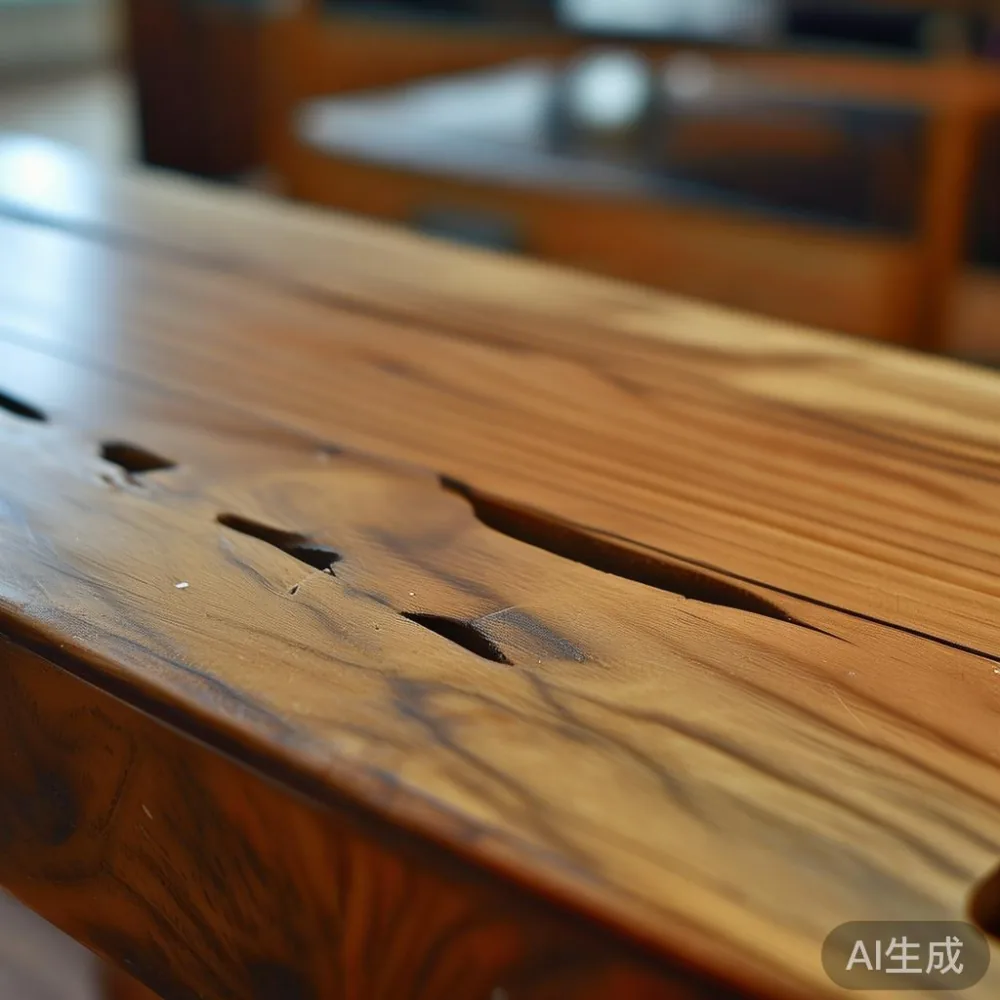
Anyone who has lived in Singapore for more than a few months already understands what lacquered wood fights against every single day: heat that never quite leaves the room, humidity that hovers around 80% for weeks on end, and air-conditioning cycles that swing the indoor climate from 18°C to 32°C between evening and morning. I learned this the hard way last month when I visited a friend’s new BTO flat in Punggol. Her new dining table — a solid wood dining table finished in a high-gloss lacquer — had developed a faint cloudy halo near the wine-glass area after only four weeks of use. She had done nothing wrong. The climate had simply done what Singapore’s climate does.
That Punggol visit, plus several follow-ups with families in Tampines and Bedok, sits behind every tip in this article. If you own, or are about to own, a lacquered bed frame, wardrobe, nightstand, or marble table from a Foshan workshop like MIDHILL, these are the habits and product details that will keep the surface looking clean for a decade, not two seasons.
Why Singapore’s Climate Is Hard on Lacquered Surfaces
Singapore’s average relative humidity sits between 78% and 82% for most of the year, and afternoon indoor temperatures in HDB flats on the 9th to 12th floor can easily reach 31°C without air-conditioning. Lacquer — whether polyurethane, acid-catalysed, or a hand-applied nitrocellulose finish — is in effect a thin plastic skin bonded to the wood beneath. That skin behaves differently from the wood itself. Wood absorbs and releases moisture with the air; lacquer barely does. Every time the humidity rises, the wood swells a little, and every time the air-conditioner pulls it back down, the wood shrinks. The lacquer, being more rigid, has to keep up.
Three failure patterns show up again and again in local homes:
1. White haze or cloudiness (“blushing”). Moisture gets trapped under or within the lacquer layer during a humid week, especially on a dining table sitting under a ceiling light near the window. A Tampines couple I spoke with reported this on a dark walnut TV console after December’s monsoon spell.
2. Hairline cracking near joints. Visible on panels of wardrobe doors and on the inside edges of bed frame headboards where the wood moves most. Singapore bedrooms running the air-conditioner at 22°C overnight then climbing to 28°C by 3 pm produce a 6°C daily swing that stresses lacquer.
3. Yellowing on pale finishes. Warm white and cream lacquered nightstands develop a yellow tint within 18 to 24 months — not a defect, but the natural UV ageing of many alkyd-based clear coats. Re-rubbing with a UV-inhibiting polish slows it.
What “Lacquered” Actually Means on a Solid Wood Piece
Before you care for the surface, you should know what is sitting on it. In a Foshan workshop exporting to 15+ countries, three lacquer families dominate the export lines.
Open-pore matte lacquer. 5 to 8 coats of diluted polyurethane, sanded between coats, leaving the wood grain visible. Common on solid wood sofa frames and dining chairs in the Japandi and Scandinavian ranges. Feels slightly waxy, hides micro-scratches well.
Closed-pore satin lacquer. 10 to 14 coats, each pore filled, then a final satin topcoat. Standard on bed frames and wardrobes. Reflects about 40% of light — bright but not mirror-shiny.
High-gloss piano finish. 18 to 22 coats, each hand-sanded with 1500-grit and buffed. Used on marble table tops with wood bases, and on selected American light luxury sideboards. Beautiful, but the most demanding surface in a humid flat. A single water ring left overnight can etch the gloss in a high-gloss dining table if the indoor humidity is above 80%.
A Weekly Care Routine That Actually Works in Tampines and Bedok Flats
In the four homes I visited over the last few weeks — two in Tampines, one in Bedok Reservoir, one in Punggol — the owners who followed a simple Sunday routine had visibly cleaner surfaces than those who wiped daily with wet cloths. Wet wiping is the single biggest mistake I see. Water does not clean lacquer; it stresses it.
Here is the routine that worked:
Step 1 — Dry dust (5 minutes). Use a clean microfibre flat mop or a lambswool duster. Work with the grain. Skip feather dusters; they spread oil onto adjacent glass and marble table surfaces.
Step 2 — Slightly damp wipe (2 minutes). Wring a microfibre cloth until no water drips — truly no drips — then add one spray of a pH-neutral wood cleaner held 25 cm from the surface. Never spray directly onto a lacquered dining table; the mist can settle under the lip of a marble table insert.
Step 3 — Buff dry (1 minute). A second clean microfibre, dry, with light pressure along the grain.
Step 4 — Air-conditioner check (30 seconds). If your bedroom humidity reads above 65% on a cheap hygrometer (SGD 12 at any neighbourhood shop), run the dry mode for 30 minutes before bed. A small USB dehumidifier drawer unit (SGD 45 to SGD 75) inside a wardrobe can drop the interior RH from 82% to 55% overnight.
That is the entire routine. Eight minutes a week is what separates a ten-year-old nightstand that still looks new from one that has clouded over by year three.
How Do You Move a Lacquered Wardrobe Through a HDB Corridor Without Shipping Damage?
This is the question I hear most often from couples refitting their four-room flats in Tampines East, and the answer involves both the building and the furniture. Standard HDB corridor widths are 1.2 m to 1.5 m, lift openings are about 0.9 m wide, and lift cabins run 1.4 m deep by 1.1 m wide with a 900 kg load limit. A lacquered four-door wardrobe in the 180 cm × 60 cm × 220 cm size range simply will not fit through the lift upright if it is fully assembled.
Two practical options exist.
Option A — Knock-down delivery. Order the wardrobe delivered flat-pack, with the lacquered panels individually foam-wrapped and edge-protected. The delivery team assembles inside the bedroom. This is how MIDHILL ships most of its lacquered bedroom ranges into Singapore HDBs, and it keeps shipping damage to almost zero on the lacquered faces because the panels never leave the protective foam.
Option B — Hoist through the service window. For very large pieces such as full-height 2.4 m wardrobes, the delivery crew removes the service window (with MCST approval) and lifts the unit through using rope and padding. Cost in Singapore runs SGD 350 to SGD 600 per piece. We did this for a friend in a 12th-floor Punggol flat in February — total time on site, 2 hours 40 minutes.
Either way, photograph the panels as the crew unwraps them, before assembly. If you spot a scuff on a lacquered face within 14 days (the standard return window), the photo speeds up the replacement process dramatically.
Choosing the Right Lacquer Formulation for a Local Flat
Not every lacquer behaves the same in Singapore. If you are shopping the French light luxury aesthetic with cream-toned nightstands and pale oak bed frames, ask the supplier which clear coat sits on top. Three formulations to look for, in plain English:
Polyurethane (PU), two-component. Hardest of the three, 95% of high-end Foshan export lines use it. Resistant to alcohol and water rings for around 30 minutes of contact. Best for dining tables and marble table tops.
Acid-catalysed (AC) lacquer. Very smooth, lower build-up than PU. Common on post-modern light luxury sideboards and bar cabinets. Slightly more sensitive to heat — a hot coffee mug above 65°C can ghost the surface.
Nitrocellulose (NC) lacquer. Traditional, repairable, but the softest of the three. Used on mid-tone Scandinavian ranges because it ages into a warm patina. Requires a coaster policy — no exceptions.
For most Tampines and Bedok families running their air-conditioner 10 hours a day and using coasters without fail, PU is the lowest-fuss choice. For collectors who love the patina of solid wood furniture and are willing to refinish every 7 to 10 years, NC is rewarding. Either way, the lacquer is only as good as the routine around it.
Smart Habits That Cut Damage by Half
Four small habit changes — none costing more than SGD 60 — make a measurable difference. Two of them are environmental, two are behavioural.
1. Position away from afternoon sun. West-facing windows in HDBs hit direct sun from 3 pm to 6 pm. Lacquered dining tables under those windows yellow twice as fast. A SGD 25 sheer roller blind cuts 70% of UV without darkening the room.
2. Use felt feet and coasters everywhere. Six-pack of felt pads: SGD 8. Eight stone coasters: SGD 22 to SGD 45. Single biggest prevention against the white heat halos that appear on dining tables near the stove.
3. Wipe spills inside 60 seconds. Even on PU lacquer, a wet glass left for 10 minutes can leave a ring in the salon gloss. Keep a microfibre cloth hanging from a drawer pull.
4. Rotate decorative objects. Items left in the same spot on a lacquered sideboard trap moisture and create a halo. Move vases and lamps monthly.
I saw the difference between habit and no habit in two Bedok homes side by side last month. The owners with coasters, blinds and a 60-second wipe rule had a five-year-old wardrobe that looked like it had been installed last quarter. Their neighbours, with the same MIDHILL delivery date and the same model, had visibly aged surfaces — cloudy headboard panel, dulled nightstand top — within the same period.
What About Restoration If the Surface Has Already Clouded?
If the lacquer has already developed the white haze I saw in Punggol, do not panic and do not reach for furniture polish from the supermarket. Most polishes contain silicone that further blocks the surface from breathing. Three practical levels of restoration exist, depending on severity.
Light haze. Mix one teaspoon of white vinegar in 250 ml of distilled water. Dampen — never soak — a microfibre cloth and rub with the grain. Dry immediately with a second cloth. Repeat weekly for four weeks. Many Tanzheng-grade hazes clear with this method.
Moderate haze or micro-scratches. Use a fine abrasive polish such as a 3000-grit finishing compound (SGD 18 to SGD 28 for a 100 ml tube at automotive shops). Apply with a soft cloth, small circles, no pressure. Buff dry. Always test on the inside of a wardrobe door first.
Deep etching or yellowing. This is where the lifetime refinishing service that comes with the MIDHILL purchase truly earns its name. The workshop strips the old lacquer, sands the wood back to 320-grit, and re-coats with fresh PU. For a dining table, the turnaround is around 35 working days from collection to redelivery, with shipping damage to the lacquered surface covered during transit under the standard warranty.
Putting It All Together for a Singapore Home
Buying solid wood furniture for a Singapore home is a sensible move — longevity is high, the craftsmanship outlasts the flat, and a well-kept lacquered bed frame or dining table holds its value far longer than veneer alternatives. The catch is that lacquered surfaces demand a small, steady routine rather than occasional deep cleaning. Eight minutes a week, one hygrometer, one set of coasters, and a sensible position away from afternoon sun — that is the entire maintenance programme.
If you are working through options such as under 2000 Scandinavian furniture for your living room, or weighing under 2000 Japanese furniture for a quieter bedroom look, or browsing a top 10 Vintage furniture list for the dining area, prioritise the lacquer formulation over the photo finish. Ask which clear coat sits on top, ask about the warranty on shipping damage during delivery, and ask whether the workshop will refinish the piece in ten years. The answers to those three questions decide whether your lacquered furniture still looks like new in 2034 or whether it has clouded into a hazy memory of what it once was.
Two product styles are popular right now across local HDBs and condos for buyers considering Japandi for guest room makeovers, Scandinavian for small living room layouts, and post-modern light luxury dining room concepts — including solid wood sofa frames, compact wardrobes, and marble table accent pieces under SGD 2,000. Browse the full catalogue and current promotion at midhill.co before you measure your corridor.