Preserving the Lustre: Caring for Lacquered Wood in Singapore's Humid Climate
Living in Singapore, with its perpetual summer and air thick with humidity, presents a unique set of challenges for maintaining fine furniture. A solid wood dining table or a beautifully crafted solid wood sofa, with its gleaming lacquered finish, can be the centrepiece of a home. However, the very conditions that make our city vibrant can also wage a silent war on that flawless surface. Condensation, temperature swings, and everyday dust can dull the shine, cause cloudiness, or even lead to irreparable damage. For those who have invested in quality pieces, understanding how to protect them is not just about upkeep; it's about preserving a piece of your home's soul. This guide, drawing from the experience of furniture specialists and real-world scenarios in Singapore's HDB flats and condos, will walk you through the practical steps to ensure your lacquered surfaces remain as stunning as the day they arrived, completely free from any shipping damage.
Why Singapore's Climate is a Test for Your Furniture
Singapore's tropical climate is characterised by high humidity levels, often hovering between 70% and 90% throughout the year. This constant moisture in the air is the primary adversary for lacquered wood finishes. Lacquer, a hard, durable coating applied to solid wood furniture, creates a beautiful, glass-like surface. However, it is not impervious to the environment. When warm, moisture-laden air comes into contact with a cooler surface of the furniture, such as the underside of a marble table top or the back of a wardrobe, condensation can form. This trapped moisture can seep into the wood grain over time, causing the lacquer to turn a cloudy white or, in more severe cases, to lift and peel.
Temperature fluctuations, common in air-conditioned homes, exacerbate the problem. A solid wood bed frame or a nightstand near a window or air-conditioning vent can experience surface temperatures that are significantly different from the ambient air. This differential can cause the wood to expand and contract subtly, putting stress on the lacquer layer and making it more susceptible to damage. In a typical Tampines HDB flat, where living rooms are often open-plan and subject to both natural light and air-conditioning, furniture is constantly exposed to these micro-climatic changes. The result is a finish that can lose its reflective quality, appearing dull or hazy, which is a far cry from the pristine condition it was in before any potential shipping damage could occur.
Preventative Care: The First Line of Defence
The most effective way to care for a lacquered surface is to prevent problems before they start. A little proactive maintenance goes a long way in preserving the integrity of your furniture. The first and most important rule is to place your furniture away from direct sources of heat and moisture. This means keeping your solid wood sofa at least 50 cm away from air-conditioning vents and avoiding placing hot dishes directly on a dining table, even if you use coasters. The intense heat from a pot can create a thermal shock, cracking the lacquer. Similarly, in a Bedok condo bathroom, a wooden vanity must be kept at a safe distance from the shower to prevent steam damage.
Using coasters and placemats is non-negotiable. For a marble table, a simple felt-backed coaster can prevent water rings from forming. For a dining surface, a placemat provides a protective barrier against scratches, heat, and spills. It is also wise to use a humidifier in the driest months, typically during the south-west monsoon from June to September, to maintain indoor humidity levels between 45% and 55%. This balance prevents the wood from drying out and cracking. A dehumidifier is equally useful in extremely humid periods, such as during the north-east monsoon from December to March, to pull excess moisture from the air. By controlling your home's environment, you create a stable microclimate that protects your furniture's finish, ensuring it remains flawless long after delivery.
How do I clean my lacquered furniture without causing damage?
Cleaning lacquered furniture requires a gentle touch and the right tools to avoid scratching or dulling the finish. The process should be approached with the same care you would use for a delicate piece of art. Start by dusting the surface regularly with a soft, lint-free microfiber cloth. This should be done at least once a week, or more often in high-traffic areas. A microfiber cloth is superior to a feather duster because its fibres trap and lift dust particles rather than just scattering them around, which could otherwise act like fine sandpaper on the finish.
For deeper cleaning, when the surface has accumulated grime or sticky residue, use a barely damp microfiber cloth. The key is 'barely damp'; the cloth should be wrung out so thoroughly that it feels almost dry. Never spray any cleaning solution directly onto the furniture. Instead, lightly mist the cloth with a mixture of distilled water and a drop of pH-neutral dish soap. Distilled water is preferred as it lacks the minerals found in tap water that can leave behind spots. Wipe the surface in the direction of the wood grain, using gentle, even pressure. For stubborn spots, a gentle circular motion can be used, but be cautious not to rub too hard. After wiping, immediately follow up with a dry, clean microfiber cloth to remove any remaining moisture. This two-step process—damp then dry—ensures that no water is left to seep into the wood or the lacquer, protecting it from long-term damage.
Addressing Common Issues: Stains, Cloudiness, and Minor Scratches
Despite your best efforts, accidents can happen. A water ring, a stubborn stain, or a minor scratch can mar the beauty of your furniture. The way you respond to these issues is important. For a fresh water ring, often caused by a cold glass sweating on a surface, act quickly. Place a dry, clean cloth over the area and gently apply a warm, not hot, iron over the cloth. The heat helps to draw the moisture out of the wood and into the cloth. Be careful not to let the iron touch the wood directly, as the heat could burn the lacquer. For older, more stubborn stains, a specialized furniture polish or a very small amount of baking soda mixed with water can be used on a soft cloth to gently buff the spot. Always test any cleaning solution on an inconspicuous area, like the inside of a wardrobe door or the underside of a nightstand, first.
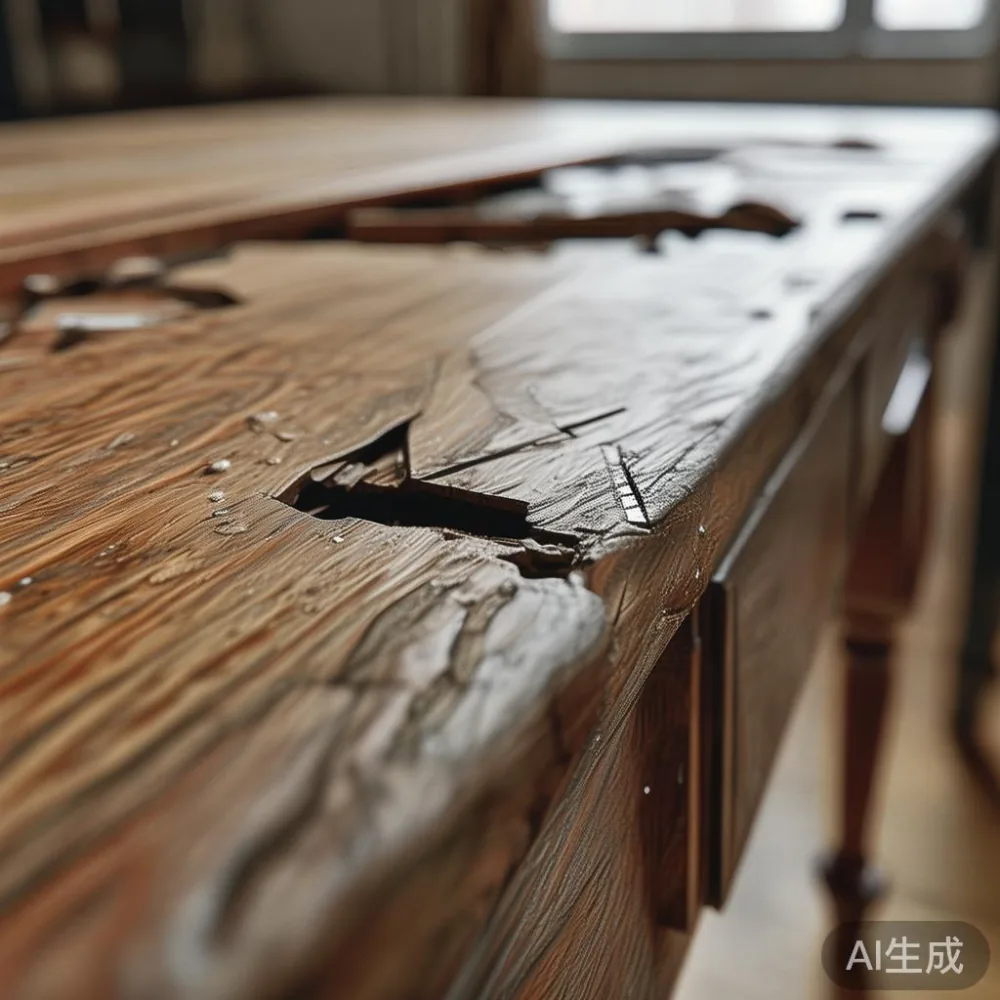
Cloudiness, a hazy appearance on the lacquer, is often a sign that moisture has gotten trapped beneath the surface. This can be tricky to fix. In many cases, the cloudiness will dissipate on its own as the wood and finish acclimate to the room's temperature and humidity. If it persists, you might need to use a high-quality furniture polish specifically designed for lacquered surfaces. Apply a small amount to a soft cloth and buff the cloudy area in a circular motion. For minor scratches that have not penetrated the wood, a scratch repair pen or a bit of walnut oil applied with a soft cloth can help to fill and minimise the mark. For more significant damage, it is always best to consult a professional furniture refinisher. Attempting to sand or re-lacquer a piece yourself is a complex process that can easily make the problem worse, potentially causing more damage than the original scratch.
Real-World Wisdom: A Customer's Experience in Punggol
Last month, I visited a client in a Punggol condominium who had recently purchased a stunning solid wood dining table from us. The table featured a high-gloss black lacquer finish and was a statement piece in her modern, open-plan living area. She was concerned about maintaining its pristine appearance in her home, which, like many Singaporean homes, relied heavily on air-conditioning. During my visit, I noticed she had placed the table directly under a ceiling air-conditioning vent. I explained to her that the constant, direct stream of cold air was causing the surface temperature of the table to drop significantly, creating a perfect environment for condensation to form on the warmer, more humid air passing over it.
We moved the table to a different part of the room, about 150 cm away from the vent. I also suggested she invest in a good quality humidifier to run during the day when the air-conditioning was on, to add some moisture back into the air. She was relieved to find that after making these simple changes, the slight cloudiness she had started to notice on the table's surface began to clear up within a few days. This experience highlighted a simple truth that many homeowners overlook: the placement of furniture in relation to environmental factors is just as important as the cleaning products you use. A small adjustment can prevent a lot of future heartache and protect your investment from unnecessary damage, ensuring it remains beautiful for years to come, completely free from any shipping damage.
Long-Term Preservation and When to Seek Professional Help
For long-term preservation, it is advisable to apply a high-quality furniture wax or polish every 3 to 6 months. This creates a protective barrier over the lacquer, helping to shield it from daily wear and tear. Choose a product that is specifically formulated for lacquered or French provincial accent chairs, as some polishes can contain silicone or oils that may damage the finish. Apply the wax with a soft cloth, using a small, circular motion, and then buff it to a shine with a clean, dry cloth. This simple ritual not only protects the wood but also enhances the depth and richness of the lacquer's colour.
There comes a point when professional intervention is necessary. If your furniture has suffered significant damage from shipping, such as deep scratches that have penetrated the lacquer and into the wood, or if the finish has bubbled and peeled due to moisture exposure, it is time to call in a professional. A skilled refinisher can strip the old finish and re-apply a new layer of lacquer, restoring the piece to its original glory. The cost for such a service can range from SGD 800 to over SGD 2,500 depending on the size and complexity of the piece. While this is a considerable investment, it is often far less expensive than replacing a high-end solid wood sofa or a custom-made marble table. Remember, proper care is an ongoing commitment, but it is one that ensures your furniture remains a source of pride and beauty in your home for decades.
Styling Your Furniture for Durability and Aesthetics
Caring for your furniture is not just about maintenance; it's also about how you style and use it. Choosing the right pieces for your space can make a world of difference. For those living in smaller apartments, finding furniture that fits both the aesthetic and the physical space is key. For a small living room, an American for small living room design philosophy might favour a low-profile, modular sofa that doesn't overwhelm the space. Alternatively, a Modern light luxury for small living room approach could involve a sleek, minimalist solid wood sofa with slender legs to create an airy feel. These choices not only look good but also make it easier to clean around the furniture, reducing dust accumulation.
When arranging furniture, consider the flow of movement in your home. In a typical HDB flat, corridors and lift lobbies are narrow. Ensuring there is enough clearance, at least 80 cm, around your dining table or wardrobe, makes the space feel more open and prevents accidental bumps and scrapes. For the bedroom, styling a Japandi bed in an apartment involves pairing a low-profile bed frame with natural fibre textiles and minimalist decor. This aesthetic not only looks serene but also keeps the area uncluttered, making it easier to clean and maintain the surrounding surfaces. Even for office spaces, incorporating light luxury for office elements, like a solid wood desk with a clean lacquered finish, can improves the workspace while being durable enough to withstand daily use. By thoughtfully selecting and arranging your furniture, you create an environment that is both beautiful and easy to care for.
MIDHILL's Commitment to Quality and Peace of Mind
When you invest in a piece of solid wood furniture, you are investing in quality that should last a lifetime. This is why brands like MIDHILL, a Foshan-based maker with over a decade of experience, place such a strong emphasis on craftsmanship and customer support. A 10-year structural warranty is a proof of the confidence they have in their products. This warranty covers the core framework of your furniture, ensuring that the solid wood bed frame or dining table you purchase remains structurally sound for years to come. Also, a lifetime refinishing service means that if the surface ever loses its lustre due to normal wear and tear, you can have it professionally restored to its original condition, a service that can cost upwards of SGD 1,200 for a large dining table if done independently.
The peace of mind extends to the entire purchasing process. With free shipping for orders over SGD 350 and a 14-day return policy, the risk associated with buying furniture online is significantly reduced. This is particularly important for larger items like a wardrobe or a solid wood sofa, which can be cumbersome and expensive to ship. Knowing that your investment is protected from the moment it leaves the warehouse until it arrives at your doorstep in Singapore is invaluable. It ensures that your new furniture arrives in perfect condition, completely free from any shipping damage, ready to become a cherished part of your home. This commitment to quality and after-sales service is what defines a truly premium furniture experience.