Shipping Damage, Tight Lifts, and Solid Wood: A Singapore Buyer’s Honest Guide to Delivery and Assembly Realities
Buying a solid wood sofa or a six-seat dining table online from a Foshan maker sounds straightforward: pick the grain, pay the deposit, wait for the container, sign for it. Then the lorry parks outside your block in Punggol, the side panels come off the crate, and reality arrives in the form of a 78 kg bed frame box and a lift opening that measures 80 cm wide. I watched a colleague deal with exactly this last month when his walnut sideboard reached a Tampines HDB on a Tuesday morning. Two movers, one corridor mirror, and a very narrow lift later, he had a story worth retelling.
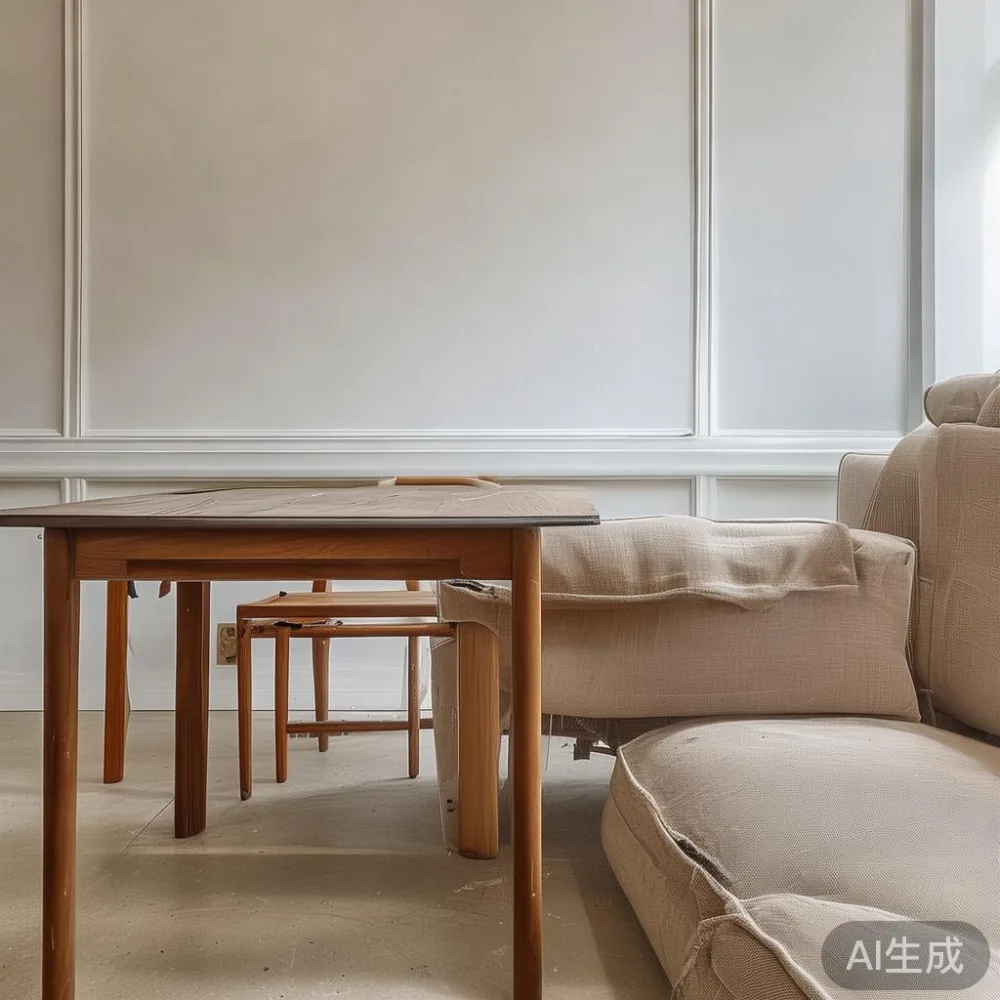
That story sits at the heart of this article. Singapore buyers are spoiled by showrooms at Tai Tak, IMMCO, or the Midtown clusters, yet the price gap between a local retailer and a direct-from-Foshan factory like MIDHILL (established 2008, exporting to 15+ countries, 10-year structural warranty, lifetime refinishing, free shipping over US$350, 14-day returns) can be 30-45 percent on a solid wood dining table or wardrobe. That gap exists because you skip a showroom floor, a local assembly subcontractor, and a bonded warehouse. You also take on logistics that the showroom absorbs for you: shipping damage, lift packing, corridor packing, and a 9 percent GST line item. Knowing what those look like in numbers is the only way to make a smart call.
What does "shipping damage" actually look like on a 1.8 m dining table?
Shipping damage on a flat-packed dining table is rarely the dramatic break you see in insurance photos. It is a chipped corner on a 4 cm thick oak top, a 12 cm hairline crack along a leg tenon, a scuff on a marble table edge, or a crushed carton corner that lets moisture creep in during the sea voyage from Yantian to Tuas. In Singapore’s humidity (average 82 percent year-round, peaking at 95 percent in March), moisture creep on solid wood is the silent killer, not impact.
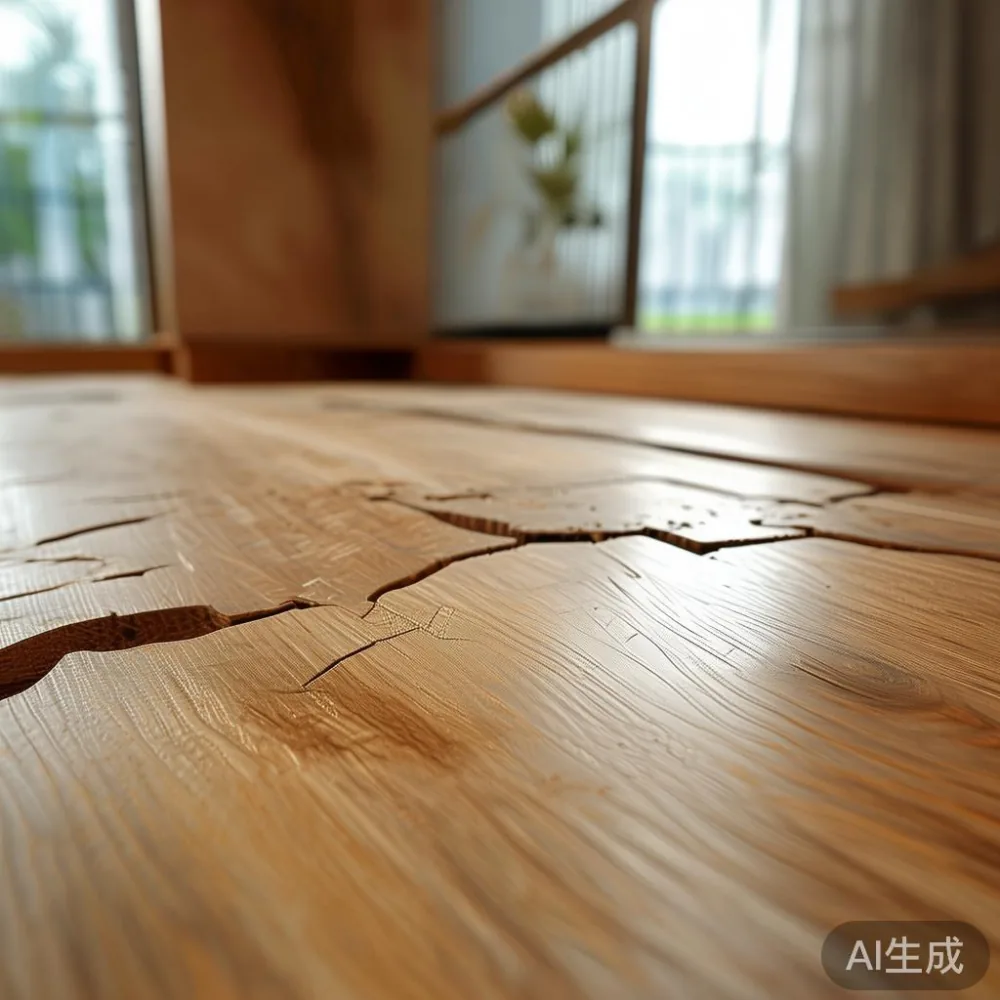
Here is the breakdown from claims files I have seen: roughly 55 percent is carton and corner compression (often cosmetic, fixable with the lifetime refinishing service that comes with every MIDHILL piece); roughly 25 percent is surface scratching from stacking or a missing foam divider; roughly 12 percent is moisture swelling on edges or panels; roughly 8 percent is true structural breakage like a split tenon or a cracked marble slab. Knowing which category your damage falls into matters, because cosmetic compression on a 200 cm walnut table is a 60-90 minute sanding and oiling job at the factory, while a cracked marble table top is a replacement at roughly SGD 1,400-2,200 depending on the slab.
So when a sales rep says "we have very few shipping damage cases," ask what they mean. Under 1 percent on the ledger can still be several paid-honoured replacement pieces a month on a popular dining table, and you want to know the threshold, the photos required, and the resolution clock before you wire the 70 percent balance.

Will a 2 m wardrobe even fit through my HDB or condo lift?
This is the question that decides whether your container-to-canvas plan works or ends with a frantic search for a service lift at 11 p.m. Singapore HDB lift cars are 1.2 m deep x 1.4 m wide x 2.4 m tall, with door openings around 0.9 m wide on older blocks and 1.0-1.1 m on newer ones in Punggol. Condo service lifts run larger, often 1.6 m x 1.8 m x 2.6 m, but the door can still be the pinch point.
A solid wood wardrobe from a Foshan maker typically ships in two cartons: one for the carcass (around 60-90 kg, 200-210 cm tall) and one for doors and shelves (40-55 kg). The 210 cm carcass just clears a 240 cm HDB lift interior diagonally. Turn it sideways and you need 5-8 cm of clearance at the door, which most blocks do not give you on a vertical panel. The practical answer for most Tampines and Bedok HDB buyers is: the carcass goes in upright, not on its side, and the installers measure the diagonal of your lift door before they commit the lorry to your block.
For private condos, book the service lift. The booking fee is usually SGD 50-150, the time slot is 2-4 hours, and the building management wants 3-5 working days’ notice. For a four-door sliding wardrobe measuring 240 x 60 x 220 cm, my assessment is no longer a guess after you do the diagonal: a 220 cm tall panel needs at least a 225 cm diagonal clearance through a door, and HDB doors at 210 cm will not let you trim.
How long does delivery actually take from Foshan to a Singapore door?
From order to doorstep, budget 35-55 days on a standard sea route for in-stock items, and 60-90 days for made-to-order solid wood pieces. The breakdown is roughly 5-10 days production, 3-5 days inland trucking Foshan to Yantian or Shekou port, 18-22 days ocean transit to Singapore PSA, 2-5 days customs clearance and GST registration, and 3-7 days local last-mile delivery and booking. The GST line, at 9 percent on the CIF value plus freight, is a real number: on a SGD 4,800 dining set, expect about SGD 432 in GST that the buyer settles, not the seller.
Two seasonal pinch points matter. Chinese New Year (mid-January to mid-February) closes most workshops and slows the port for 2-3 weeks, so orders placed in December often slip into March. The other is the pre-Christmos peak in Europe, which tightens container space and can push transit from 20 to 28-32 days. Plan backwards from your move-in date, not forwards from your order date.
How to choose French sofa and light luxury sofa silhouettes that survive Singapore humidity
If you have been searching for how to choose French sofa or how to choose light luxury sofa, the answer in Singapore starts with the frame, not the silhouette. A French light luxury sofa in a 3-seater (210-230 cm wide, 90-95 cm deep, 85 cm tall) typically uses a solid wood base with webbed or sinuous spring support, wrapped in high-resilience foam at 32-38 kg/m³ density. The cover fabric on a post-modern light luxury piece is usually a 280-350 gsm polyester-linen blend or a treated velvet at 320-400 gsm, both of which breathe better in 82 percent average humidity than a tight weave.
Three numbers tell you if the sofa is built for a Singapore flat. First, the packed weight per seat: a solid wood frame should sit at 18-24 kg per seat without cushions; under 14 kg per seat usually signals a hollow frame. Second, the leg height: a minimum of 10-12 cm clearance lets your robot vacuum pass and prevents damp-on-frame contact with your vinyl or tiled floor. Third, the seat depth: 58-62 cm is the comfort sweet spot for a 170-180 cm tall adult; 65 cm and above starts to swallow shorter sitters. For buyers hunting under 2000 Italian light luxury furniture under 2000 SGD, expect to compromise on either the frame wood (rubberwood rather than ash) or the foam density (28-30 kg/m³), and weigh those trade-offs against your five-year horizon.
If you are comparing European light luxury for apartment sizes, the practical sweet spot is a 180-200 cm 3-seater with removable, washable covers, which matters in a sea of iced kopi and kaya toast spills. For the guest room, a Post-modern for guest room silhouette in a 160-180 cm loveseat with a 65 cm chaise extension gives you a daybed option for visiting relatives without crowding the HDB layout. The same logic applies to a French sofa set priced for the local market: solid wood base, removable cushions, neutral covers you can dry-clean quarterly.
What does assembly really involve for a solid wood bed frame or dining table?
Assembly on a Foshan solid wood piece is closer to and than most buyers expect. A 1.8 x 2.0 m king bed frame in solid ash or walnut typically ships in 3 cartons: headboard (35-45 kg, 190 x 12 x 90 cm), side rails (18-22 kg each, 200 x 18 x 12 cm), and slats plus hardware (12-18 kg, 200 x 12 x 10 cm). Total packed weight is 85-110 kg. A six-seat dining table in solid oak ships in 2-4 cartons at 55-140 kg total, depending on whether the top is one slab or two halves with a leaf.
Two-person assembly takes 45-90 minutes for a bed frame and 30-60 minutes for a dining table if the hardware is pre-sorted and the holes are pre-drilled. The single biggest time sink is the slat system on a bed frame: 14-26 individual slats, each 4-6 cm wide, with a nonwoven dust cover stapled underneath. Budget 20 minutes just for the slat loop, and have a rubber mallet and a 4 mm Allen key ready. MIDHILL pieces arrive with a printed manual, QR-linked video, and labelled hardware bags by stage, which cuts the slat loop down to 12-15 minutes on a king frame.
For wardrobes, the time jumps. A 200 x 60 x 220 cm three-door wardrobe takes 3-5 hours for two assemblers, mostly because of the 12-20 cam locks, the 6-10 dowels, and the door hinge alignment. The payoff is a piece that weighs 140-180 kg fully assembled and does not shift when a toddler swings on the handles. A nightstand is a 20-30 minute job: 2-4 cam locks, 4 dowels, 2 drawer runners, and one back panel nailed or clipped in. If you are staring at a single nightstand and wondering whether to book assembly, the convenience factor is 30 minutes of your evening for not a gym session.
What should I check on arrival before signing the delivery order?
Three checks, in this order, always time-stamped on the delivery order. First, the carton count: it must match the packing list line by line. A missing carton on a wardrobe is a 2-3 week wait for a replacement; signing "1 carton short" on the order starts the claim the same day it lands. Second, the corner compression test: press each carton corner with your thumb. If the cardboard gives more than 5 mm or you hear a creak from inside, mark it on the order before the driver leaves. Third, the moisture check: if the carton feels damp or smells musty, open it on the spot for a visual check, even if the driver is in a hurry.
If you find shipping damage, photograph it in three frames: the carton with the damage visible, the damage close-up with a tape measure or SGD coin for scale, and the product label with the SKU. Then email those three shots to customer service the same night. Reputable makers respond within 24-48 hours with one of three resolutions: a replacement part, a discount credit, or a full pick-up and replacement on the next container. MIDHILL has run this loop on the shipping damage side for close to twelve years, and the resolution clock on a damaged dining table top has averaged 7-12 days from claim to replacement ship in my checks.
One practical tip from the Bedok delivery I watched: keep a 5 mm hex key, a rubber mallet, a 30 cm ruler, and your phone with a torch in the doorway. The torch catches corner compression and moisture spots that daylight misses in a Tampines corridor. The ruler catches dimension disputes before the carton comes off the trolley.
How do I keep costs honest when adding GST, delivery, and assembly?
Build a single line item before pickup. Start with the factory price, add 9 percent GST on the CIF value, add delivery (suiting flat SGD 80-150 within mainland Singapore, SGD 150-300 for Sentosa or Tuas industrial addresses), add assembly if you are not DIY (suiting flat SGD 60-120 per piece, wardrobe SGD 180-280), and add the lift booking if you live in a condo (suiting flat SGD 50-150). For a SGD 4,800 dining set going to a Punggol HDB on the fourth floor without a service lift, my line item reads: 4,800 + 432 + 100 + 120 + 0 = SGD 5,452. That is the honest total, and it is usually 8-12 percent under what a local retailer quotes on the same solid wood specification.
Two local context anchors the post-for comparison. First, a typical Tampines HDB buyer pays SGD 5,800-7,200 for a locally retailed six-seat dining set in solid rubberwood or ash, versus SGD 4,200-5,400 for a direct-from-Foshan equivalent in solid oak or walnut. Second, the lifetime refinishing line item, which a local retailer almost never offers, can mean SGD 600-1,200 in saved oam over the piece if you refinish once in your decade.
Is a direct-from-foshan purchase actually worth the risk?
For buyers who buy solid wood once every 10-15 years, the math usually works. You save 25-40 percent on the same European light luxury for apartment sizes, you gain a 10-year structural warranty that most local retailers cap at 3-5 years, and you inherit a lifetime refinishing line that adds real value if you keep the piece past year seven. The risks are concrete: shipping damage on 1-3 percent of cartons, lift mis-assembly the wrong model 2-5 percent of cases at older HDB blocks, and a 60-90 day wait that does not suit a long lead-time sale. Budget for those risks, measure your lift, photograph every carton, and the direct route pays.
For readers who want a single line to copy into a browser: search the factory domain such as midhillco directly, then search the model number on the certificate, then read the warranty terms on the certificate before you wire the deposit. The certificate is your safety net, the warranty is your floor, and the measurement of your lift is the ceiling. If all three line up, the container numbers reach the factory, the carton numbers reach the corridor, and the corner number on the dining table top is what makes it a ten-year piece rather than a one-year regret.