How to Style a Small Singapore Apartment Without Making It Feel Crowded
Small Singapore apartments do not need to look sparse or overloaded. With carefully chosen furniture proportions, a restrained palette, and pieces that earn their footprint, a compact HDB flat or condo can feel calm, practical, and quietly luxurious. The goal is not to fill every corner. It is to make the room’s circulation, storage, and daily rituals work better.
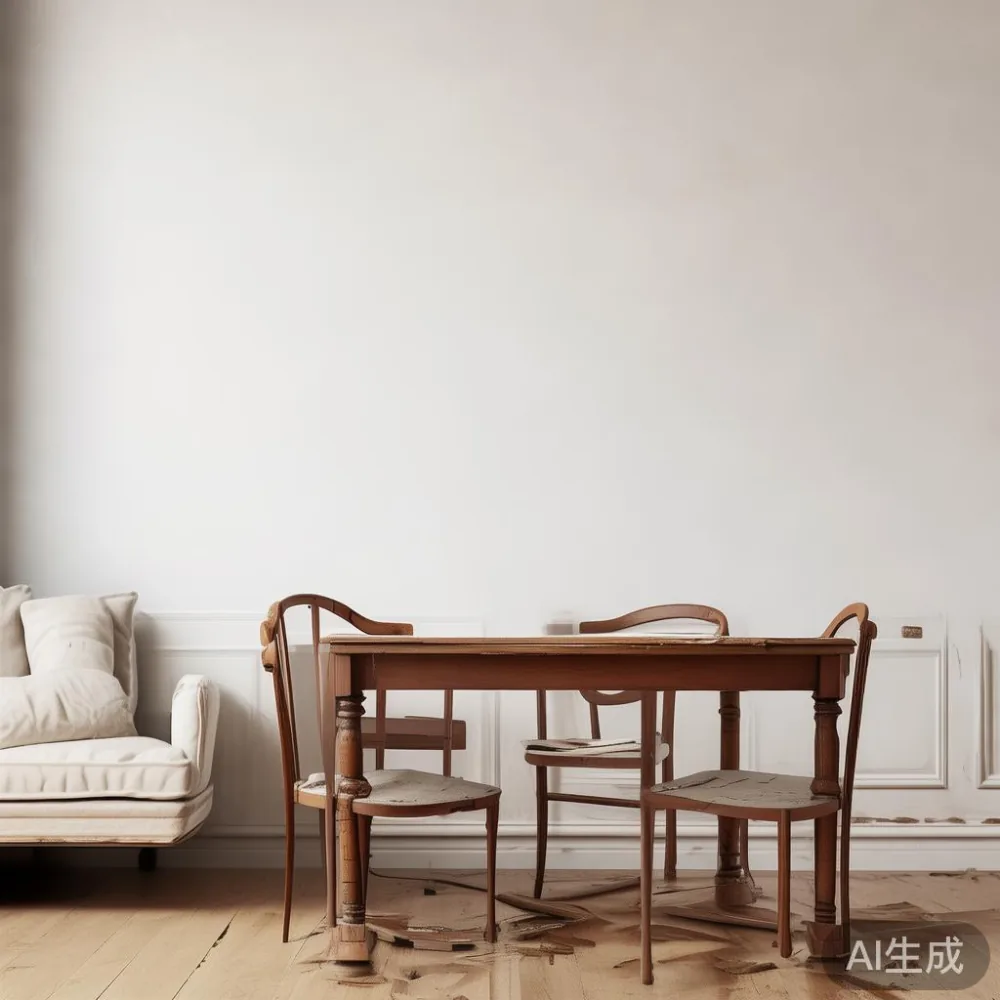
In Singapore, common constraints include HDB living rooms of roughly 28–35 square metres, lift lobbies with interior widths near 90–110 cm, and narrow corridors that may require furniture to pass through a doorway around 80–90 cm wide. These dimensions affect delivery planning as much as interior styling. MIDHILL’s solid wood furniture is designed with realistic spaces in mind, while the company’s 10-year structural warranty and lifetime refinishing service add long-term confidence.
This guide covers layout, scale, material, colour, lighting, and delivery planning for residents in Tampines, Bedok, Punggol, and newer condo developments across Singapore.

How can I make a small apartment look spacious without buying less furniture?
Make the apartment look spacious by creating clear zones, reducing visual weight, and choosing furniture that performs more than one job. A dining table with deep storage can replace a separate sideboard; a nightstand with a drawer can hold a lamp, charger, and books; a bed frame with lift-up storage can conceal seasonal bedding. The aim is not to remove every useful object, but to prevent objects from becoming permanent visual noise.
Start by measuring the room from wall to wall and noting the width of the main walkway. In a typical HDB living room, leave at least 75–90 cm between a sofa and coffee table, and around 60–75 cm between the sofa and a television console. These are comfortable circulation targets, not decorative recommendations. If a 180 cm sofa leaves less than 60 cm around a coffee table, the seating zone will feel compressed even if the furniture is attractive.
Use a 10 cm planning margin on paper before ordering. Mark door swings, balcony access, and the route from the lift to the unit. This prevents a visually light piece from becoming a practical obstacle once it arrives.
What furniture proportions suit Singapore’s smaller rooms?
Furniture proportion matters more than matching a trend. A low, wide sofa can make a living room feel grounded, while an oversized high-back sofa may dominate a 3 by 4 metre area. In a compact room, choose pieces that sit slightly below eye level when possible: a 75–80 cm dining table, a 40–45 cm coffee table, and a nightstand around 45–55 cm high. These dimensions preserve views across the room and make windows and ceiling lines more visible.
For seating, a solid wood sofa of approximately 170–190 cm can fit many Singapore apartments without making the space feel crowded, especially with slim arms and a raised leg clearance. A two-seat configuration is often more useful than a three-seat model in a 28 square metre living room. For dining, a rectangular table measuring 120–150 cm long and 70–80 cm wide gives four people a workable place to eat without permanently claiming the centre of the room.
The question of European sofa vs Mid-century modern sofa is useful for style planning, but scale should decide first. A mid-century profile with tapered legs can lighten the visual mass of a sofa, while a European sofa with deeper cushions may feel more relaxed. Whichever direction you choose, check the total width, arm height, and depth rather than judging the silhouette from a showroom photograph.
How should I use colour and materials to avoid a crowded feeling?
Keep the dominant palette to two main colours and one accent. Warm white, soft greige, pale oak, and muted beige can form the background. Add one deliberate accent such as forest green, navy, rust, or black through a cushion, artwork, rug, or dining chair. If every item has a strong colour, the eye has no place to rest.
Material contrast can make a small room feel richer without adding furniture. Combine a light solid wood dining table with upholstered seating, a matte ceramic lamp, and a textured rug. A marble table can provide a bright focal surface in an entrance or living area, provided it is not surrounded by competing patterns. Choose a marble table with a compact footprint of roughly 70–90 cm across and allow at least 75 cm of circulation around it.
French light luxury often works well in this context because it relies on gentle proportions, pale tones, and refined details rather than heavy ornament. Post-modern light luxury can also suit a condo, especially when clean lines are paired with warmer timber and tactile fabrics. Avoid filling every wall with framed pieces; one 60 by 80 cm artwork can create more impact than five smaller frames.
For vertical interest, use a tall mirror or narrow shelving rather than a wide wall of cabinets. A mirror placed opposite a window can reflect daylight, but check the actual glare pattern at different hours. In Singapore’s humid climate, leave some space behind furniture so air can circulate.
What storage solutions make the most sense in an HDB flat or condo?
Storage should be concentrated where it supports the room’s function. In a bedroom, a wardrobe may occupy the most useful wall, but a 150–180 cm wide unit can overwhelm a compact room if it projects too far into the walkway. A recessed or built-in arrangement often creates a cleaner line than a freestanding unit, while a 55–65 cm deep wardrobe remains practical for hanging clothes.
Learning how to style American wardrobe in apartment involves considering the interior organisation as much as the exterior finish. Adjustable shelves, deep drawers, hanging rails, and internal lighting can make an American-style carcass feel tailored to a Singapore room. A light oak or warm walnut finish will blend with light walls; a darker unit can work as a controlled anchor if the rest of the room stays pale.
Choose a nightstand that matches the bed frame rather than a mismatched pair of tiny tables. A European light luxury nightstand can be recognised by its restrained profile, solid timber construction, and a single drawer or shelf. Keep its top clear except for a lamp, a book, and a charging point. This prevents the bedside area from becoming a drop zone.
In the living room, a media unit of 150–180 cm can support a television up to 55 inches while allowing breathing room on either side. Use closed doors for objects that do not need to be displayed. Closed storage is often the fastest way to reduce visual clutter in a small apartment.
For dining areas, a table with drawers or a nearby slim cabinet can hold cutlery, table linen, and cleaning supplies. A 140–160 cm dining table may be more suitable than a round table when the room is narrow and you need a clear path from the kitchen. Modern for dining room styling can mean mixing one sculptural element, such as a pendant or ceramic vessel, with otherwise simple furniture.
How do I choose a bed frame that does not dominate a small bedroom?
Begin with the mattress and the room’s circulation, not the bed’s decorative features. A queen bed at 150 by 200 cm needs approximately 60 cm of clear space on each side for drawers and bedside access, though tighter layouts may require sliding storage. A king bed at 180 by 200 cm is less suitable for many compact HDB bedrooms unless the room is genuinely wide.
A low-profile solid wood bed frame can create a sense of openness because the mattress sits below the visual line of the windows. Headboard height also matters. Keep it below or around 100 cm in a low-ceilinged room, or ensure it does not block a ventilation grille. Storage drawers are useful in a 3 by 3 metre bedroom, but check the extension space and avoid placing them where they obstruct the main door.
If you are comparing options, the phrase best American bed for 2026 is a useful shopping lens, but the more important question is whether the frame suits the occupant. Look for stable joints, a centre support system for larger mattresses, and a finish that can handle humid conditions. A solid wood construction with a 10-year structural warranty gives the piece a long working life in an apartment that may change hands.
Ask whether is European bed worth it as a practical buying question. A European-style bed may offer a strong, contemporary silhouette and carefully detailed joinery, but the correct choice still depends on mattress size, access, and available floor area. Do not sacrifice clear movement to fit a particular visual style.
How can lighting make a compact room feel larger?
Layer the lighting with at least three sources: ambient, task, and accent. A ceiling light provides general illumination, a floor lamp brightens a corner, and a table lamp supports reading or dining. Use warm-white bulbs around 2700–3000K to create a comfortable evening atmosphere without making pale timber look yellow.
Keep floor lamps slim and place them beside rather than directly in front of a sofa. A 15–25 cm clearance from the wall can create a soft pool of light and make the room feel less boxy. On a dining table, a pendant hanging roughly 60–75 cm above the tabletop gives useful illumination and creates a centre point without taking up floor space.
Curtains hung close to the ceiling make windows appear taller. In Singapore, light-filtering curtains can reduce afternoon glare while keeping the room bright. Avoid dark, heavy drapes in a small room unless the windows are very large, because they absorb light and visually reduce the wall area.
What should I consider when furniture is delivered to a Singapore apartment?
Delivery is part of the styling plan. A beautiful solid wood sofa can become a problem if it cannot pass through the lift, turn in the corridor, or fit through the apartment door. Before ordering, measure the lift door, lift car dimensions, corridor turns, and the unit entrance. For many HDB blocks, the main lift opening is around 90 cm, though individual buildings vary. Provide the supplier with photographs and measurements rather than assuming every route is identical.
This is where shipping damage becomes a practical concern. Solid wood dining tables, wardrobes, and bed frames are particularly vulnerable to knocks during a multi-stage delivery route, so protective packaging, clear access instructions, and careful handling matter. Check the pieces immediately on arrival, photograph the packaging, and inspect corners, edges, joints, and surfaces before signing off.
MIDHILL offers delivery support for Singapore orders, with free shipping over US$350 and a 14-day return window. These policies make it easier to order a substantial piece, but they do not replace preparation. Clear the route, reserve the lift where required, and ask whether the delivery team needs help moving the item from the corridor to the room.
Shipping damage can also affect glass, marble, and lacquered surfaces more visibly than solid timber. If you are choosing a marble table, document the top and base separately on arrival. For a wardrobe or dining table, inspect the underside and hardware as well as the visible faces. Keep the packaging until the furniture has been checked, because transit damage is easier to document while the protective materials remain in place.
How can I create a light-luxury look with fewer, better pieces?
A small apartment benefits from fewer objects with stronger presence. Select one focal piece per zone: a solid wood dining table, a solid wood sofa, or a carefully detailed bed frame. Let the remaining pieces support it. A restrained coffee table, two nightstands, and a clean media unit can be enough for many homes.
American light luxury is useful here because it often combines durable materials with comfortable proportions and recognisable craftsmanship. French light luxury can bring elegance through pale woods, upholstered surfaces, and curved edges. Post-modern light luxury can add interest through asymmetry, but use it in one element rather than every item.
Textiles are another effective way to change the atmosphere without changing the layout. A 160 by 230 cm rug can define the seating zone, provided it leaves at least 15–30 cm of visible floor around the edges. Curtains, cushion covers, and a throw can introduce colour and texture while keeping the furniture arrangement stable.
Try viewing the room from the doorway. If the first view is busy, remove one visible object and assess the result. If the room feels empty but hard to use, add a useful item such as a slim bench, a lamp, or a storage basket. The right balance is not an appearance based on minimalism; it is a room where movement, cleaning, and daily living remain comfortable.
What is the simplest way to style a compact home in 14 days?
Measure first, then work in three passes. On days 1–3, clear surfaces and establish the room’s zones. On days 4–8, place the largest pieces, keeping the main walkway open. On days 9–14, add lighting, textiles, artwork, and storage. This sequence prevents a shopping trip from turning into a crowded room full of pieces that compete with one another.
For furniture, compare the complete dimensions, delivery route, warranty, and care requirements before deciding. For a bed frame, test the access around the mattress. For a dining table, leave room for chairs to be pulled out. For a wardrobe, verify door-opening clearance. For a nightstand, check whether the drawer opens without hitting the bed. These small measurements protect both comfort and appearance.
I visited a compact Tampines flat last month and watched a 170 cm solid wood sofa move from the HDB corridor into the living room. The lift and corridor were narrower than the sofa’s carton width, so the delivery team adjusted the angle at the turn and protected the arm with extra padding. The piece arrived without a scratch, and the owner later told me the 90 cm route was the reason she had not ordered a larger model. That visit confirmed something simple: good styling begins with a delivery plan that respects the building.
A small Singapore apartment can feel generous when scale, storage, and circulation are treated as one design problem. Choose solid wood furniture with a clear purpose, use light colours to support the room, and leave enough space for people to move through it. When delivery is measured as carefully as the interior, a compact home can still carry a light-luxury character without looking crowded.