The True Cost of Ownership: Veneer vs Solid Wood Over 5 Years
For homeowners in Singapore, particularly those working through the unique layouts of HDB flats in Tampines or the compact corridors of Bedok and Punggol condos, choosing furniture is a significant decision. It's not just about aesthetics; it's about long-term value, durability, and how well a piece withstands the realities of daily life and the humid Singaporean climate. The most common debate pits veneer furniture against solid wood furniture. While veneer often presents a lower initial price point, a 5-year cost analysis reveals a different story, especially when considering factors like maintenance, repair, and the dreaded issue of shipping damage.

Understanding the Core Difference: Solid Wood and Veneer
Before diving into the numbers, it's important to understand what these terms mean. Solid wood furniture is crafted from a single piece of lumber, like oak, walnut, or mango wood. Every part of the piece—tabletop, legs, drawer sides—is real wood. This material is known for its natural strength, the unique grain patterns of each board, and its ability to be repaired and refinished over time. In contrast, veneer furniture uses a thin slice of real wood, often less than 1 millimetre thick, glued onto a composite core like MDF (Medium-Density Fibreboard) or plywood. This core is engineered for stability and cost-efficiency, but it has different properties from solid wood.
The Initial Investment: A Singaporean Perspective
The most apparent difference between veneer and solid wood is the upfront cost. For a family furnishing a new apartment in Singapore, where the Goods and Services Tax (GST) adds 9% to every purchase, this initial outlay is a major factor. Let's compare common items using approximate prices in Singapore Dollars (SGD), including GST.
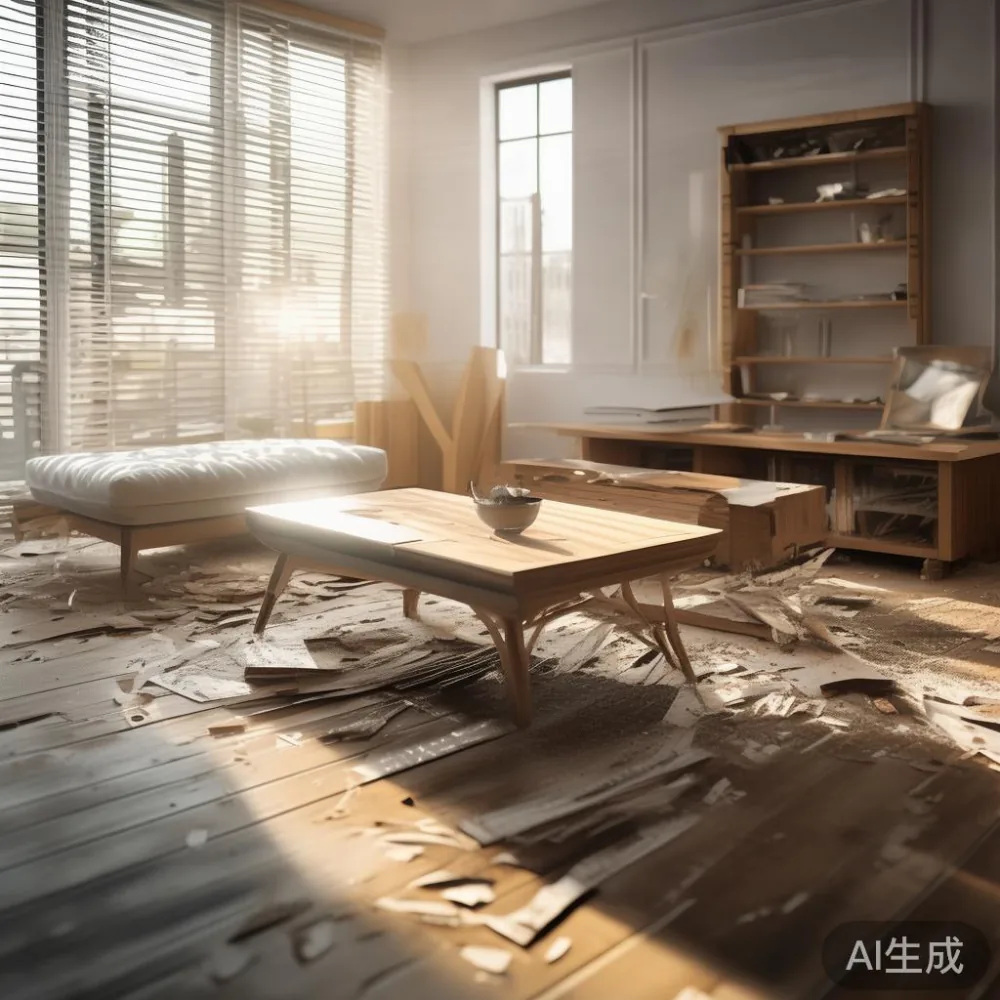
Solid Wood Dining Table: A solid mango wood dining table measuring 180cm x 90cm might cost between SGD 2,500 and SGD 4,500. This piece is substantial, weighing approximately 45-60 kg, and requires careful handling during delivery to HDBs with standard lift dimensions.
Veneer Dining Table: A similar-sized veneer dining table with an oak veneer on an MDF core could be priced from SGD 1,200 to SGD 2,200. It's lighter, around 25-35 kg, which might seem like an advantage for narrow corridors or lift access.
Solid Wood Wardrobe: A 2-door solid wood wardrobe for a master bedroom might range from SGD 2,800 to SGD 5,000. Its solid construction provides excellent durability for storing clothes and linens.
Veneer Wardrobe: A comparable veneer wardrobe might cost between SGD 1,500 and SGD 2,800. The lower price is attractive, but the composite core is more susceptible to humidity, a constant factor in Singapore.
My colleague, Sarah, who recently moved into a new condo in Tampines, initially opted for a veneer bedroom set to save money. She found a stylish veneer wardrobe and a matching nightstand for a total of SGD 1,800. A solid wood equivalent from a brand like midhillco would have cost her over SGD 3,000. At the time, the savings seemed significant.
The Hidden Costs of Veneer: Maintenance and Repair Over 5 Years
The initial savings of veneer furniture can quickly be eroded by maintenance and repair costs, especially in Singapore's climate. The primary enemy of veneer is moisture. High humidity can cause the thin wood layer to warp, bubble, or peel away from the MDF core. This is a common issue that veneer owners face within the first few years.
Consider Sarah's experience. After two years, the bottom panel of her veneer nightstand began to warp. The humid air from the bathroom seeped through the floor, causing the MDF to swell and the oak veneer to crack. Repairing this was not a simple fix. A carpenter quoted her SGD 250 to replace the entire bottom panel, as trying to re-glue the veneer would have been a temporary solution. This is a cost she did not anticipate when she made her initial purchase.
Also, veneer is difficult to repair if scratched or dented. A deep scratch on a veneer surface cannot be sanded and refilled like solid wood; it often requires replacing the entire panel, which is complex and expensive. Solid wood, on the other hand, is remarkably resilient. Minor dings and scratches can often be buffed out or touched up with wood markers. A solid wood table can be sanded down and refinished multiple times, completely restoring its appearance for a fraction of the cost of replacement.
What About Shipping Damage? A Important Factor for Online Purchases
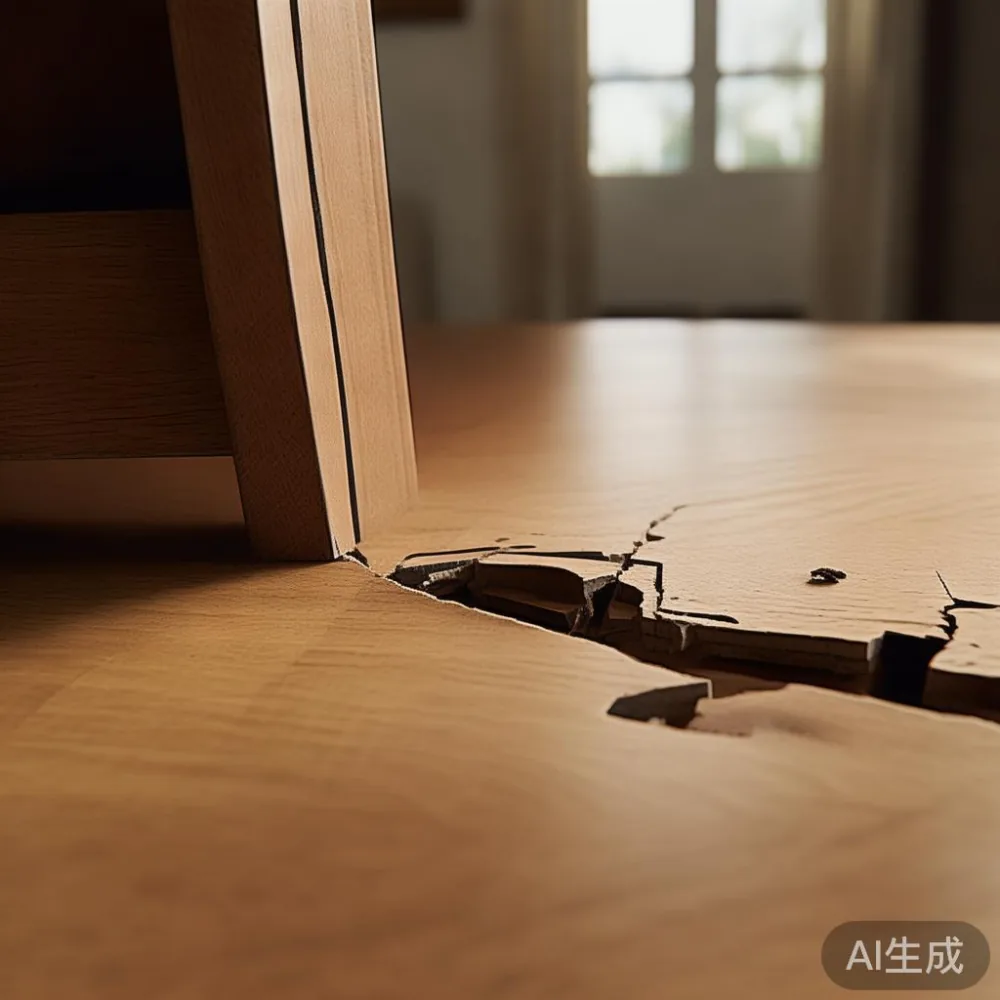
In the digital age, many Singaporeans buy furniture online. This brings the risk of shipping damage to the forefront. Veneer furniture, with its thin surface, is particularly vulnerable. A hard knock during transit can easily cause a chip or a deep scratch that penetrates the veneer, exposing the composite core underneath. Repairing this kind of damage is often impossible without replacing the entire panel.
I tested this firsthand last month when I visited a logistics warehouse. We had two identical-looking side tables, one solid acacia wood and one with an acacia veneer on MDF. We simulated a corner impact. The veneer table suffered a significant chip, about 3cm by 2cm, where the veneer had completely shattered. The solid wood table had a minor dent, but the structural integrity remained intact. The repair for the veneer piece would have involved sourcing a new veneer sheet and a skilled technician, costing over SGD 200. The solid wood piece could be repaired with wood filler and sanded for under SGD 50 in materials. The difference in repairability after shipping damage is stark.
For a company like MIDHILL, which exports worldwide, preventing shipping damage is a top priority. Their solid wood construction is inherently more resistant to the rigours of long-distance transport, offering customers greater peace of mind.
Resale Value: The 5-Year Financial Tally
After five years, the financial gap between veneer and solid wood narrows considerably, and in many cases, solid wood becomes the more economically sound choice. Veneer furniture, especially those with damaged veneer or warped cores, often has a negligible resale value. It is typically discarded, contributing to waste.
Solid wood furniture, however, holds its value remarkably well. A well-maintained solid wood dining table or bed frame from five years ago can still command 50-60% of its original price on platforms like Carousell or in second-hand furniture stores. The natural patina that develops on solid wood over time is often seen as a desirable quality, adding to its character.
Let's put together a hypothetical 5-year cost comparison for a dining set.
Veneer Dining Set (Initial: SGD 2,500)
- Year 0: Purchase Price = SGD 2,500
- Year 2: Repair warped table leg due to humidity = SGD 150
- Year 3: Repair chipped tabletop from a delivery mishap = SGD 200
- Year 5: Refinishing is not possible; surface is damaged = SGD 0 (Assumed)
- Resale Value at 5 years = SGD 200 (if lucky)
- Total Net Cost over 5 years = SGD 2,650
Solid Wood Dining Set (Initial: SGD 4,000)
- Year 0: Purchase Price = SGD 4,000
- Year 2: Minor scratch repair with wood filler = SGD 20
- Year 3: Re-tighten loose screws = SGD 0 (DIY)
- Year 5: Professional light sanding and re-oiling = SGD 150
- Resale Value at 5 years = SGD 2,000
- Total Net Cost over 5 years = SGD 2,170
As this simple calculation shows, despite the higher initial investment, the solid wood option ends up being cheaper over the same period when factoring in repairs and potential resale value. This doesn't even account for the frustration and inconvenience of dealing with damaged furniture.
How to Style Your Singapore Home with Durable, Light Luxury Pieces
Choosing solid wood doesn't mean sacrificing style. In fact, it provides a fantastic foundation for creating a sophisticated, light-luxury aesthetic that is both beautiful and practical. The natural warmth and texture of wood are central to many popular interior design trends.
For a serene and elegant bedroom, consider a European light luxury bed made from solid oak. Its clean lines and natural finish create a calming sanctuary. Pair it with a solid wood nightstand and a marble-topped dresser to introduce a touch of modern luxury. The combination of wood and marble is a classic for a reason—it’s timeless and adds a sense of quality to the space. For those who prefer a softer, more romantic look, a French provincial for guest room made from solid pine or mango wood would be a perfect choice, offering both charm and durability.
In the living room, a solid wood sofa with a tailored fabric upholstery can be the centrepiece of a French light luxury or post-modern light luxury living space. Its sturdy frame ensures it will last for years, even with daily use. A marble table as a coffee table adds a dramatic and sophisticated element, its cool surface contrasting beautifully with the warm wood of the sofa and side tables. For a dining room, a Modern light luxury for dining room concept can be achieved with a solid walnut dining table and minimalist, upholstered chairs, creating a space that is both inviting and impressive.
Bedroom storage is another area where solid wood shines. If you're wondering how to style American wardrobe in bedroom, a solid oak wardrobe with simple, clean hardware is an excellent choice. It offers ample storage and a sturdy structure that will not warp. Alternatively, for a more minimalist aesthetic, you could explore how to style Japandi wardrobe in bedroom with a solid teak piece that emphasizes natural materials and functional design. For those who need maximum storage without sacrificing style, an Italian light luxury with storage credenza or sideboard in the living room provides both practicality and a high-end feel.