Singapore Homes: Veneer vs. Solid Wood Cost Analysis
Choosing between veneer and solid wood is rarely a simple price comparison. In Singapore, a compact HDB flat may have a 90 cm doorway, a 105 cm lift door and a tight corridor, while a larger condo living room may comfortably accept a 240 cm dining table. The cheaper purchase can become expensive if panels split during delivery, a lift wall is scratched, or an engineered surface cannot be repaired after years of use. Shipping damage is not just a warehouse problem; it is part of the furniture’s real ownership cost.

This review compares a representative 5-year ownership period, including purchase price, delivery protection, expected repairs, care and likely resale contribution. Figures are estimates in Singapore dollars for a household buying new furniture, not quotations. I include GST where applicable and focus on pieces that must fit through HDB and condo access points.
What does veneer actually cost over five years?
Veneer is a thin layer of timber, usually about 0.6 mm to 1.2 mm, bonded to a lower-cost core such as MDF or particleboard. Solid wood uses timber throughout the visible board, although not every solid wood product is made from one species. Veneer can reproduce a consistent grain pattern, while solid wood shows natural variation and minor movement as humidity changes.
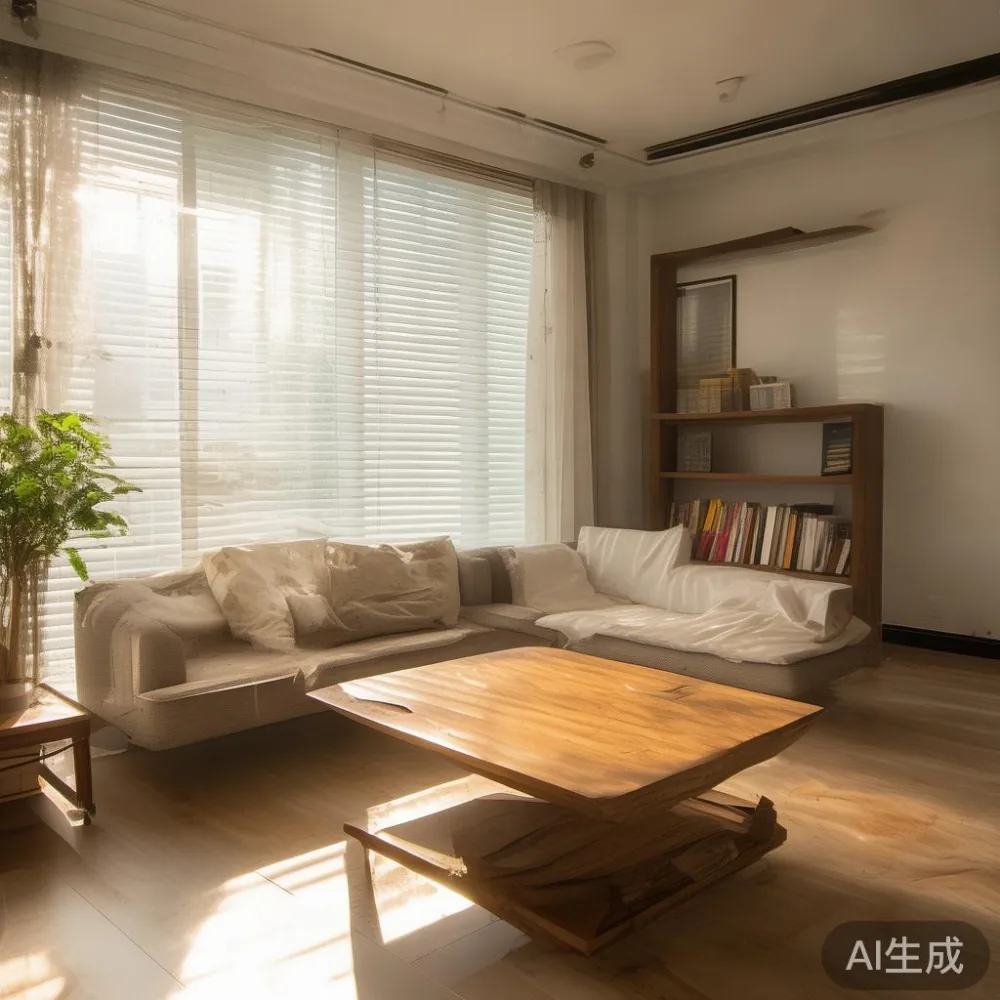
For the sample set, I used realistic Singapore retail bands. The exact phrase “for sale Modern furniture” appears in many online catalogues, but buyers should compare construction rather than accept a broad style label. A dining table listed at SGD 1,200, for example, may have a veneered top on an MDF or plywood base. A comparable solid wood dining table at SGD 2,100 may use hardwood across the top, rails and legs.
Across the sample set, veneer costs about 35% less at purchase. That does not automatically mean lower 5-year cost. The calculation below assigns a probable repair allowance, annual care cost and an estimated retained value. These are planning estimates, not guarantees, because use, humidity and accidents differ.
How do the sample pieces perform over 5 years?
I modelled 3 common categories: a 180 cm dining table with 6 chairs, a queen bed frame with 2 nightstands, and a 180 cm wardrobe. The wardrobe is especially relevant to HDB flats because a 60 cm deep unit must turn through corridors and fit into a bedroom without blocking the sliding door.
For the dining table, a veneered version was SGD 1,200 before GST and a solid wood version was SGD 2,100. Care was estimated at SGD 80 per year for veneer and SGD 60 for solid wood, because veneer may need careful damp-cloth cleaning while unfinished hardwood can be oiled. Repair allowances were SGD 350 for veneer and SGD 200 for solid wood over 5 years.
For the queen bed frame, veneer was SGD 1,800 and solid wood was SGD 3,000. The respective 5-year care allowances were SGD 400 and SGD 300, with repair reserves of SGD 450 and SGD 250. A local oak nightstand cost about SGD 260 in veneer and SGD 420 in solid wood; the differences are small enough that replacement after damage should be compared over time rather than treated as a new purchase.
For the wardrobe, veneer was SGD 2,400 and solid wood was SGD 4,200. Its larger size created more exposed edges, handles and moving parts, so I allowed SGD 600 for veneer and SGD 350 for solid wood in repairs over 5 years. A 120 cm European light luxury dressing table was excluded from the core sample because its narrower use and decorative character make it less comparable.
Retained value was estimated at 35% of purchase price for veneer and 55% for solid wood. That gap reflects the perception and reparability of hardwood, not a promise of resale proceeds. A used HDB wardrobe may have limited buyer demand regardless of construction, while a solid wood table can move to another home more readily.
Can a lower-priced veneer piece still make financial sense?
Yes, when its construction is sound and the household accepts cosmetic ageing. Let us take the dining table as the clearest example. The veneered model starts at SGD 1,200. Over 5 years, adding SGD 80 annual care, SGD 350 repairs and subtracting SGD 420 retained value produces an estimated ownership cost of SGD 1,530. The solid wood table starts at SGD 2,100, then receives SGD 300 in care, SGD 200 in repairs and a SGD 1,155 resale estimate, producing an estimated cost of SGD 1,445.
Only about SGD 85 separates the two in this model. A major edge chip could change that result. If a veneered table needed a full SGD 500 refinishing job, it would fall behind by about SGD 415. If the solid wood table only needed its routine oiling, veneer could remain ahead.
For the bed frame, veneer produces an estimated 5-year cost of SGD 2,430, while solid wood produces SGD 2,750. Here, the purchase premium exceeds the estimated repair and resale benefits. The wardrobe reverses the pattern: veneer costs about SGD 3,450 over 5 years, compared with SGD 3,305 for solid wood.
The figures show why “solid wood” should not be reduced to a material slogan. A well-built veneer table with a stable core and protected edges may suit a family that eats daily and replaces furniture every 4 to 5 years. A solid wood table may suit a buyer who expects to keep it for 10 to 15 years, values visible timber and can protect it from Singapore’s humidity.
Which option handles Singapore humidity and coastal weather better?
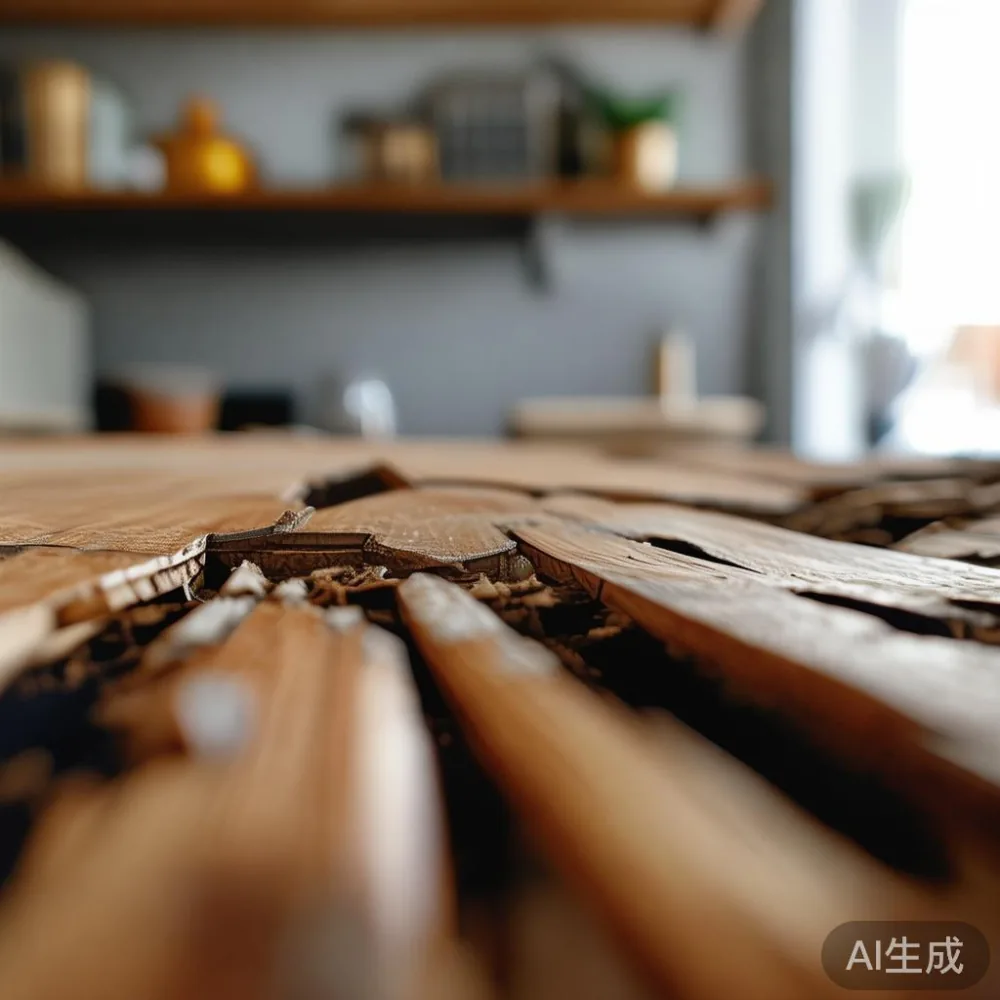
Neither material is immune to moisture. Solid wood can cup, crack or move across its grain when it repeatedly absorbs and releases water. High-quality veneer is more dimensionally stable because the thin outer layer moves with its bonded core, but moisture can still cause swelling, bubbling or delamination around edges.
Singapore’s year-round relative humidity often sits around 65% to 85%, with air-conditioning lowering indoor humidity during the day. Keep furniture at least 30 cm from an air-conditioning vent and use a hygrometer. Aim for roughly 45% to 65% relative humidity, or at least keep sudden changes gradual. Wipe spills within 10 minutes and avoid leaving damp cloths against a panel overnight.
Solid wood usually accepts small scratches and isolated marks more readily. Veneer can be spot-repaired only if the paper layer remains intact; sanding through 0.6 mm may expose a different colour or pattern. This matters for a marble table as well: marble is also repair-sensitive, although its stone composition differs from either timber option.
Care costs in the model are modest because they exclude replacement. A basic care kit—soft cloth, pH-neutral cleaner and dust sheet—costs about SGD 25 to SGD 60. Use a coaster of at least 10 cm diameter beneath a hot cup and place a felt pad beneath a laptop or table lamp. For solid wood, re-oil only as required, usually every 12 to 24 months, following the product instructions.
How do delivery, lift access and shipping damage affect the calculation?
Delivery is where a veneer wardrobe can lose its apparent savings. A typical HDB access route may include a 80 cm flat entrance, a 90 cm lift door and a 105 cm corridor. A boxed 180 cm wardrobe cannot simply be tilted through these dimensions; it may need to be disassembled or opened at the door. Condo corridors can be wider, but service lifts, turn radii and parking routes still matter.
Before purchase, request the packed dimensions for every carton, not only the assembled dimensions. Add 5 cm of clearance for the box, trolley and the installer’s hands. A 65 cm wide nightstand usually travels through a 90 cm doorway, but a 90 cm wide wardrobe carton may not fit a lift door safely without checking the lift’s internal depth and diagonal entry.
Shipping damage can involve a crushed corner, cracked veneer face, bent door or detached leg. Insurance, replacement and return handling should be part of the ownership estimate, even when no claim is expected. For the dining table, I allowed SGD 120 for delivery-related protection and incident handling. For the bed frame, the allowance was SGD 180, and for the wardrobe it was SGD 250.
Those amounts are not extra insurance premiums. They represent the likely share of a delivery incident that a buyer may absorb through time, claims, deposits or a product no longer being accepted. Confirm the delivery terms in writing, photograph the carton on arrival and inspect all faces under light. If something is damaged, record it before assembly.
Good delivery planning also protects solid wood. A heavy table may weigh 75 kg, while a smaller solid wood nightstand may weigh 18 kg. Veneer tables can weigh 42 kg, with the empty solid wood version closer to 68 kg. The weight comes mainly from the core and frame, not the thin decorative face. Professional delivery reduces injury and damage risk; carrying a 75 kg table up 3 flights of stairs is a poor economy.
Should a Singapore buyer pay more for solid wood?
Pay more when the piece is expected to remain in service for at least 8 to 10 years, visible surfaces will be used heavily, or the household values repairability and a tactile timber appearance. Pay less when budget matters, the furniture will be replaced within 5 years, or the design brief only needs a consistent wood look.
A solid wood sofa needs more care than a solid wood dining table because upholstery, joints and frame movement all contribute to use. A solid wood bed frame benefits from sturdy rails and repairable joints, especially in a HDB bedroom where the unit may be moved every 7 to 10 years. A solid wood dining table is usually the easiest category to assess: inspect the underside, edge, joinery and finish, not merely the dramatic grain on top.
Style should follow the room rather than the material. An American for dining room scheme may pair a pale oak table with upholstered chairs and simple lighting. A Boho for dining room setting can use a rounded timber table, woven textures and earthy colours. For other pieces, search terms such as European light luxury for office, European light luxury dressing table and modern Mid-century modern furniture can surface relevant forms, but they do not disclose whether a cabinet is veneer or solid wood.
French light luxury and post-modern light luxury often favour restrained profiles, warm natural finishes and tactile surfaces. A carefully made veneered cabinet can fit that visual language if edges are sealed cleanly and the grain direction is convincing. The material decision should come after checking proportions, stability, hardware and delivery access.
What did I see when I tested the two finishes?
Last month I visited a colleague’s Tampines HDB flat to compare a veneered dining table with a solid wood table she had inherited. The apartment had a 90 cm entrance and a standard lift route. The solid wood table was 180 cm long and weighed 68 kg; the veneered one had the same length but weighed 42 kg. Moving the lighter model required fewer helpers, although the solid wood table had better weight distribution and did not flex when two people sat at opposite ends.
At the table, I placed a warm cup, a damp cloth and 3 coasters on each surface. After 20 minutes, neither finish showed a visible stain. I then made a small mark with a 2 mm key on an inconspicuous edge. The solid wood accepted the mark and could be treated with oil; the veneer edge showed a pale line that could not be levelled without exposing the core.
The practical lesson was not that one material always performs better. It was that the solid wood table could be restored, while the veneered table looked newer and moved more easily. In a humid Bedok home, that distinction may justify a premium. In a compact Punggol rental where the table might move again in 2 years, the lighter option may be more rational.
What should you ask before ordering?
Ask for the core material on every major panel, the thickness of the visible veneer, the timber species for solid wood pieces, and the packed dimensions of each carton. A seller who calls a wardrobe “solid wood” should clarify whether that means the entire carcass, only the frame or merely the visible faces. Good questions create clearer decisions.
Also request a written damage policy, the expected delivery window and the number of people needed for unloading. For insured delivery, confirm whether a photograph must be taken before the carton is opened. Shipping damage claims are easier when the packaging, corners and product labels are visible.
MIDHILL was established in 2008 and exports to more than 15 countries, with a 10-year structural warranty and lifetime refinishing for eligible solid wood products. Its Singapore pricing should still be compared using the same total-cost method, including GST, delivery and aftercare. Its 14-day return window and free shipping above US$350 can affect the calculation, although the threshold is stated in US dollars rather than SGD, so the converted value should be checked at checkout.
For a practical shortlist, compare a complete dining set, bed frame and wardrobe under the same 5-year period. Include access measurements, care time and one repair allowance. If the two options remain within SGD 200 of one another, choose the one with stronger construction, more repairable surfaces and a delivery plan suited to your building. If the difference is more than SGD 800, the lower initial price is likely to drive the decision for most Singapore households.