How to Care for Lacquered Furniture in a Humid Climate
Singapore’s warmth and humidity can be demanding on a lacquered finish. In a Tampines HDB flat, a Bedok condo, or a Punggol home, a solid wood sofa, bed frame, dining table, wardrobe, nightstand, or marble table may sit within metres of a balcony door, near a bathroom, or beside an air-conditioning vent. Good care does not require complicated equipment; it requires a measured routine that understands how lacquer, wood, and moisture interact.
MIDHILL furniture is made for real domestic conditions, with solid timber construction, a 10-year structural warranty, and lifetime refinishing support. Lacquered surfaces still need sensible maintenance, especially during the 12 months after delivery. The correct approach protects both appearance and long-term performance without turning furniture care into a full-time project.
Why does lacquer need special care in Singapore?
Lacquer creates a protective layer over the timber, but it is not a waterproof membrane. High humidity can encourage swelling beneath the finish, while sudden changes between air-conditioned rooms and warm corridors can create condensation on cooler surfaces. In many Singapore interiors, relative humidity varies from about 55% to 80% across the day, particularly in April, May, September, and October when rain and cloud cover are more frequent.

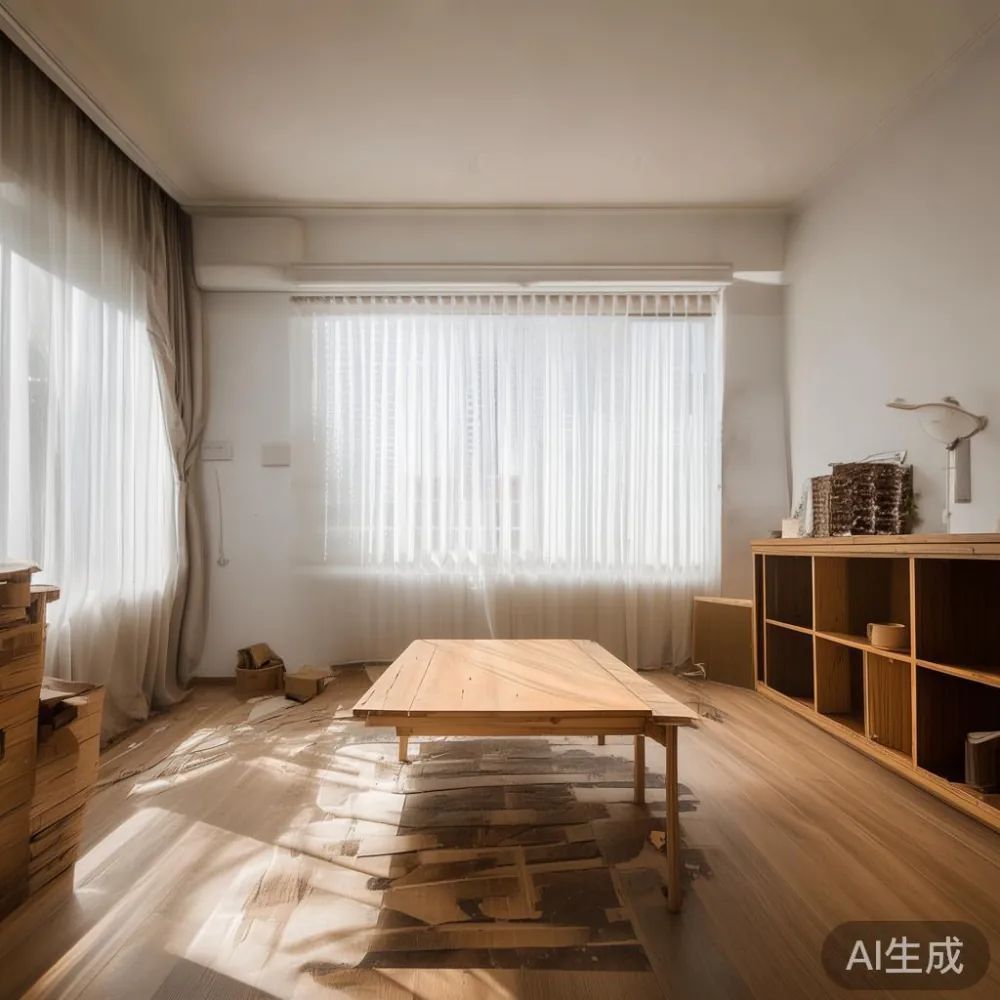
Light exposure also affects lacquer. A dining table placed beside a west-facing HDB window may receive strong afternoon sun for 180 minutes or more. UV can lighten the topcoat and make a darker finish appear uneven, while heat can soften the coating and draw moisture from the timber. A wardrobe near a bedroom window should not be treated like a display shelf in a showroom.
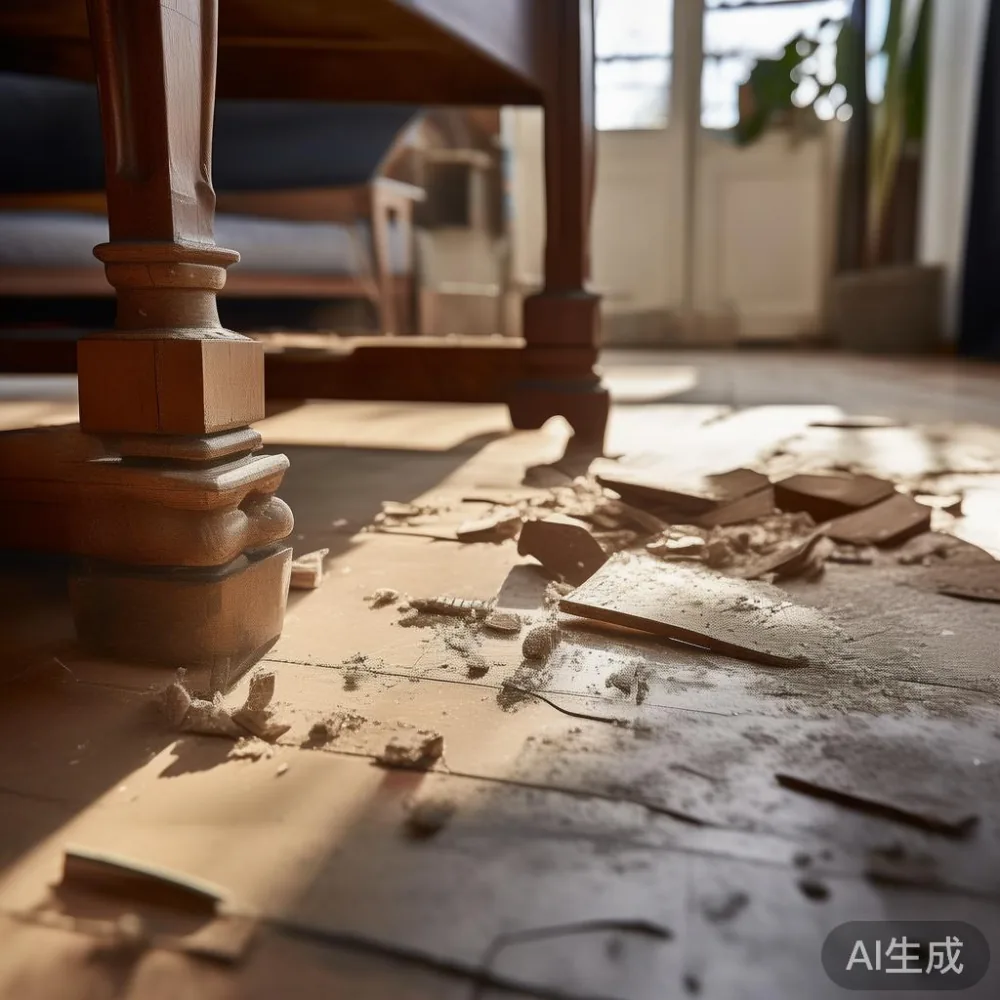
Acidic liquids matter as much as water. Water rings can remain visible on a clear lacquer after several weeks. Household cleaners containing ammonia, alcohol, bleach, or strong alkaline ingredients may dull the sheen. Cooking oil can penetrate tiny surface variations and leave a dark halo. Dust, grit, pet hair, and the residue left by wet moppers can scratch a satin finish when rubbed with a dry cloth.
These effects are manageable. The main rule is to remove moisture and contaminants promptly, keep furniture away from direct dampness, and use products that are gentle enough for lacquered wood.
What should I do in the first 24 hours after delivery?
Inspect the lacquer before the packaging is removed completely. Look along the top, front rail, armrest, door edge, and foot rail for chips, cracks, dents, or finish separation. Photograph any shipping damage from several angles, including a wider shot that shows the item in its room. Record the dimensions of the protective packaging and keep labels attached until the furniture has been checked.
Allow the furniture to acclimatise before tightening or moving it into its final position. Solid wood adjusts to the surrounding environment as its moisture content changes. A bed frame or dining table may need about 48 to 72 hours to settle, while a large wardrobe can require 3 to 5 days. Do not place wet packaging against the lacquer, and do not use a hairdryer to speed the process.
For a new solid wood sofa, check every screw, bracket, and leg connection after the settling period. A dining table needs a level check across both diagonals, with a 1 to 2 mm tolerance. A nightstand should sit firmly without rocking. If a protective film is present, remove it within 14 days because adhesive can become difficult to lift as the material ages.
MIDHILL provides a 14-day return window and a 10-year structural warranty. Reporting a delivery issue early with photographs gives the company a clearer basis for assessment and reduces the risk of a small delivery defect becoming a larger finish problem.
How often should I clean a lacquered surface?
Use a simple schedule rather than waiting until dirt is visible. Dust high surfaces once every 7 days and clean hand-contact areas once every 14 days. In an open-plan living room or near a kitchen, wipe the dining table after each meal and clean the entire top every 2 to 3 days. A wardrobe exterior can be dusted weekly, with a damp cleaning every 4 weeks. The marble table used for a bedside lamp needs the same attention as a larger coffee surface because rings form quickly around a cup or water glass.
Start with a clean microfibre cloth lightly dampened with warm water. Wring it until it releases only a few drops. Test an area of about 10 x 10 cm, then wipe in the direction of the grain. Follow with a second dry cloth. Avoid soaking edges, routed grooves, joints, and lacquered areas around metal hardware.
For routine cleaning, dilute a small amount of pH-neutral wood-safe detergent in 500 ml of water. Use roughly 5 ml for the mixture and never spray it directly onto the furniture. A damp cloth can lift ordinary dust and spills; a soaked cloth can drive moisture beneath lacquer or leave tide marks.
For a more thorough clean, prepare fresh solution and repeat across the surface in sections of roughly 60 cm. Do not overlap wet sections, because trapped moisture can cause streaking. Dry each section immediately. The aim is a clean, lightly moist surface, not a visibly wet one.
How do I remove fingerprints, spills, and sticky residue?
Fingerprints usually disappear with a soft cloth and a small amount of diluted detergent. For grease on a solid wood sofa or bed frame, place one drop of mild dish detergent on a damp cloth and work it into the spot for no more than 30 seconds. Then wipe with clear water and dry immediately.
For a fresh water spill, blot rather than rub. Use a dry paper towel or clean cotton cloth for the first pass, then finish with the damp-and-dry method. If the mark remains, repeat the routine using a solution diluted to approximately 1:200. Do not use concentrated vinegar, lemon juice, baking soda, or scouring powder. These can etch lacquer or create a pale patch that does not match the surrounding finish.
Sticky residue from tape or labels may lift with a small amount of mineral oil placed on a cloth. Leave it for 2 minutes, test first, and avoid oily wood because the treatment can leave a shadow. Isopropyl alcohol should not be used on a large lacquered area because it can dissolve some coatings and dull the sheen.
Scuffs from shoes or bags can often be improved with a lacquer-safe touch-up product selected for the exact sheen. Matte, satin, and high-gloss lacquers are not interchangeable. If the mark exposes timber or crosses a joint, contact MIDHILL rather than experimenting with paint or solvent.
Can I use wax, polish, or oil on lacquered furniture?
Extra polish is rarely necessary on a sound lacquer finish. Wax may be suitable only if the furniture manufacturer confirms that the coating can accept it. Some waxes create a hazy layer, collect dust, and make future maintenance more difficult. Oils designed for bare wood can soak into lacquered pores, create patchy colour, or remain sticky in Singapore’s humidity.
For routine care, use a clean microfibre cloth and water with a pH-neutral detergent. If the finish feels dry but is not visibly worn, a manufacturer-approved cleaner applied sparingly is enough. Keep the coating away from the wax or oil habit used for bare teak, which can produce a different colour and texture.
Inspect the finish every 3 months in sheltered rooms and every 2 months near windows, balconies, or air-conditioning vents. Look for whitening, fine cracks, sticky patches, colour shifts, or lifted edges. If lacquer is flaking, do not apply oil or wax over it. A professional assessment is more useful because sanding through the coating can expose the timber.
How should I position furniture around windows, vents, and bathrooms?
Give lacquered pieces a buffer from direct moisture. Keep a bed frame or nightstand at least 30 cm from a bathroom doorway, and about 60 cm from an open balcony door when the balcony receives direct rain. If a wardrobe stands beside a window, use curtains or UV-filtering blinds. They should filter light without being pressed against the furniture.
Do not aim an air-conditioner vent directly at a dining table or solid wood sofa. A 20-degree air stream repeated for several hours each day can accelerate finish movement and leave dust on the surface. Where the layout permits, shift furniture 30 to 50 cm away from the vent or adjust the louvre angle.
Use a breathable mat beneath a wardrobe or bed frame, not a sealed plastic sheet. Leave about 5 cm around movable pieces for cleaning and ventilation. Coasters should be placed under drinks, and felt pads should sit under table lamps, vases, and decorative objects. The goal is to reduce heat, liquid, friction, and trapped humidity at the same time.
For compact Singapore interiors, scale also affects care. Searches for European for small living room layouts often focus on slim profiles and raised legs, which improve airflow beneath a furniture piece. Searches for the best Industrial sofa for 2026 may highlight adaptable seating, but a steel-framed configuration needs the same surface discipline as a solid wood sofa. Product comparisons such as European bed vs Mid-century modern bed can help with proportion, though humidity protection applies to either style.
How do I care for a lacquered solid wood bed frame?
A lacquered solid wood bed frame needs a gentler routine than a slatted base. Vacuum beneath the frame every 2 weeks using a crevice tool with suction reduced. Wipe the headboard and footboard with a slightly damp cloth every 14 days. Do not let the mattress trap moisture against an unlacquered rail, and check the slats and centre support every 6 months.
For styling guidance, how to style French bed in bedroom layouts commonly includes upholstered panels, linen bedding, and restrained lighting. In a Punggol studio, a slim frame can preserve movement space without making the finish harder to maintain. Keep bedding washable and leave enough clearance to wipe the lower rail.
If a bed frame arrives with a small shipping damage area, photograph it before assembly and record the delivery condition of all cartons. Finish chips should not be touched with filler unless MIDHILL approves the repair sequence. The item can then be returned within the 14-day window or assessed under the applicable warranty.
What about a dining table, wardrobe, and marble table?
A dining table receives the most demanding care because it combines heat, food, liquids, and frequent wiping. Use a placemat under a hot bowl or serving dish. A ceramic pot that has just left a 200-degree oven must never be placed directly on lacquer; use a trivet rated for at least 100 degrees and let the vessel cool first.
Clean the table after meals, but avoid a hard sponge. For lacquered timber, the cloth should pass over the surface once without pressure. Wipe away acidic soy sauce and tomato sauce within 5 minutes. A weekly deep clean can use the diluted detergent method, followed by careful drying around joints.
A wardrobe requires attention around handles, tracks, and floor edges. Vacuum the top every 3 months, check the hinges every 6 months, and wipe the front every 2 to 4 weeks. Avoid leaving damp laundry inside for more than 12 hours, because trapped moisture can affect timber panels and hardware.
A marble table combines two surfaces: the marble and the lacquered base or frame. Stone tolerates some water differently from lacquer, yet the transition still needs protection. Clean the marble with a neutral pH cleaner, dry it, and treat the lacquered section separately. Do not allow cleaner to run onto a wooden apron.
How do French and American light-luxury styles change the care routine?
Style changes the surfaces and accessories, not the underlying moisture rules. French light luxury often introduces pale woods, cream upholstery, brass-toned details, and curved forms. Post-modern light luxury may use clean lines, mixed materials, and sculptural lighting. American light luxury can pair warm timber with generous upholstery and layered textiles. All three need the same protection from spills, sunlight, and abrasion.
When comparing European sofa vs French provincial sofa options, look at whether the wood is sealed or lacquered and how tightly the base meets the floor. A raised base of 12 to 18 cm is easier to wipe than a flush plinth. A comparison of how to style American sofa in apartment layouts should also account for sunlight paths, not just colour and proportion.
For a French-inspired bedroom, keep humid styling products away from lacquer. Perfume, diffuser bottles, and hair-product residue should remain on a tray that can be removed and wiped. For a solid wood dining setting, rotate table accessories so one area is not exposed to the same concentrated sunlight every afternoon.
What should I do if the lacquer shows shipping damage?
Shipping damage can appear as a chipped corner, split carton imprint, pressure dent, scratch, or cracked lacquer near a hardware fitting. Do not sand or fill the area immediately. Take a close photograph showing the damaged zone, a full-view photograph, and one photograph of the packaging. Note the furniture model, room location, and date received.
Keep the carton if delivery damage is severe, but do not leave heavy items pressing against the affected area. If the piece was moved into a HDB corridor or condo lift, record any scuffing on the protective blanket. Small residential lifts often measure about 100 x 140 cm in usable floor space, while corridor turns can be tighter. A fit issue can sometimes leave a rubbing mark that should be documented separately from a factory finish defect.
MIDHILL exports to more than 15 countries and supports delivery through established logistics routes. For eligible orders, free shipping applies above US$350, though local Singapore prices and GST should be confirmed at checkout. The 14-day return period gives customers time to inspect the item, but photographs and clear notes remain important when arranging a resolution.
Careful unpacking is part of prevention. Use two people for a large solid wood sofa or wardrobe, lift rather than drag, and keep knives away from the lacquer. A minute of inspection can protect years of use. More importantly, avoid covering a lacquered item with plastic for weeks at a time; trapped moisture can leave marks that resemble poor finishing.
What is a practical weekly and monthly care routine?
On Monday, check for water rings, spills, sticky residue, and visible scratches. On Thursday, dust surfaces with a clean microfibre cloth. On Sunday, wipe hand-contact areas with the damp-and-dry method. Keep the routine to about 15 to 20 minutes for a typical HDB living room and dining area.
Once a month, inspect the dining table, bed frame, wardrobe, and nightstand at close range. Look beneath rugs, behind doors, and around legs. Check the lacquer beside the air-conditioner vent and balcony door. Vacuum upholstered or slatted areas, then refresh the cushions so debris does not press into a timber edge.
Every 3 months, test the finish under good light and check its sheen. Every 6 months, tighten structural fixings and inspect hinges, brackets, and support legs. Every year, review whether curtains, blinds, and furniture positions still protect against direct sun. A MIDHILL bed, dining table, or wardrobe benefits from this consistent inspection because small changes in humidity and contact wear become easier to correct early.
For a family home, assign one cloth for lacquer and another for dusty floors or bathroom surfaces. Washing cloths with fabric softener can leave a residue that attracts dust. Use detergent without dye or fragrance, and keep dirty cloths in a washable bag until they are laundered.
Which mistakes cause the most finish problems?
Using ammonia or abrasive powder on lacquer causes dullness or etching. Leaving a hot mug on a dining table creates a ring or soft spot. Pulling a lacquered wardrobe door by its handle can stress the joint. Placing wet towels over a solid wood bed frame can trap moisture. Exposing a nightstand to direct afternoon light can fade the top while the lower half remains dark.
Over-polishing is another common error. A product that promises a temporary gloss may create a patchy surface. Cleaning with a household disinfectant can leave a sticky film, particularly in humid weather. Do not test several chemicals in succession, because each treatment can make the next mark harder to diagnose.
Keep the care method consistent: dry dust first, mild detergent second, immediate drying third. Store liquids in a separate tray, maintain 30 cm from wet areas where possible, and avoid heavy objects against lacquered panels. These habits fit naturally into a compact Singapore home and preserve the refined appearance expected from a light-luxury furniture setting.
After 20 minutes of gentle care every week, a lacquered surface can remain even and bright for years. The finish does not need to fear Singapore’s climate; it needs a routine that respects wood movement, condensation, heat, and ordinary household spills. That is how ownership remains rewarding long after the day of delivery.