Avoiding Shipping Damage with Furniture Warranties
Furniture warranties often look reassuring on the first page. The trouble begins after phrases such as “limited lifetime coverage”, “commercial use exclusions”, and “manufacturer’s discretion”. In Singapore, where many residents live in HDB flats and condos with narrow corridors and compact lifts, a claim can become more complicated when a solid wood sofa, bed frame, dining table, wardrobe, nightstand, or marble table must be moved, inspected, or returned.

This guide explains how to read a furniture warranty as a practical contract. It covers coverage, exclusions, documentation, shipping damage, service timelines, and the questions to ask before payment. The aim is not to promise that every scratch will be replaced. It is to help you identify where the manufacturer’s responsibility ends and your responsibilities begin.
What does a 10-year structural warranty actually cover?
A 10-year structural warranty usually applies to the main load-bearing components of a piece, not every visible part. For a solid wood dining table, this may include the table top, apron, legs, and supporting joinery. For a bed frame, it may cover the headboard, footboard, side rails, slat support, and central structure. A 4-door wardrobe may include its carcass and structural hinges, while a marble table may be covered only against certain forms of structural separation or failure in the marble slab.
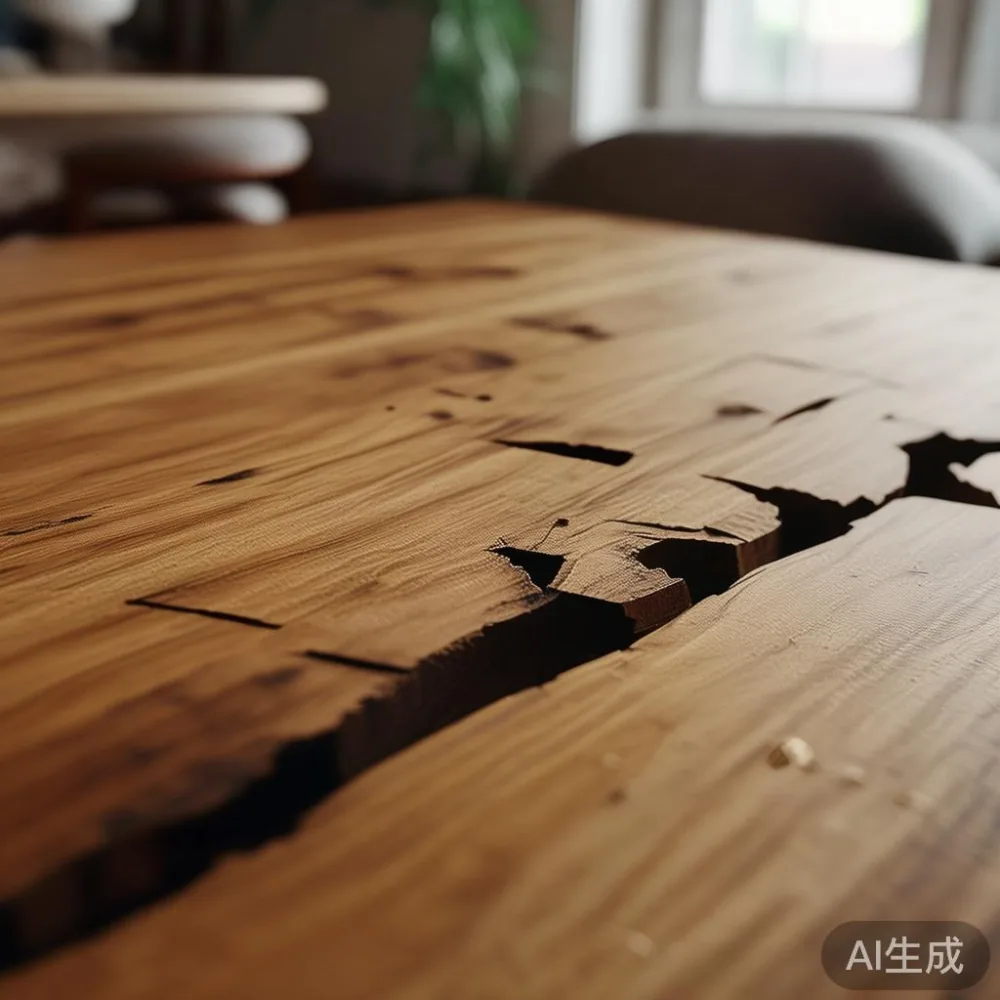
Read the definition of “structural defect”. A crack through a table leg may qualify; a small surface mark may not. Excessive moisture, insect damage, or a failure caused by an unstable floor may be excluded. Ask whether the warranty covers the item in a residential setting, a HDB flat, a landed home, a rental property, or a commercial studio. “Residential use” should be clearly stated.
Also check whether the warranty begins at purchase, delivery, or assembly. These dates can differ by several weeks. Record both dates. For a warranty running for 10 years, a delay of 30 days is not significant in ordinary circumstances, but it matters if you are comparing early replacement options or proving the purchase date.

Keep the receipt, order number, product dimensions, wood species, finish, and delivery address. A photograph taken on the day of delivery can help establish the condition. If a dining table is delivered with a chipped corner, take close photographs before the delivery team leaves.
Is shipping damage covered, and what evidence should I keep?
Shipping damage should be treated as a separate event from manufacturing defects. Some sellers repair or replace a damaged parcel, while others ask the customer to inspect the item before signing the delivery record. The warranty may begin only after the item has been received in acceptable condition.
At delivery, compare the package with the visible product. Check all six sides of a boxed wardrobe, including the underside and rear panels. For a bed frame, inspect the corners, headboard, footboard, rails, and protected joints. For a marble table, look for cracks, chips, and corner impacts. For a solid wood sofa, check the frame, legs, arms, cushions, and packaging straps.
Photograph the wrapping and the item before unpacking it. Keep the delivery note, carrier information, and photos for at least 12 months, even though a manufacturer warranty may last 10 years. Claims can be delayed by a move, a handover, or a dispute about the date of receipt.
Ask the seller what happens if the box arrives dented but the furniture is inside. Some policies allow the customer to refuse an obviously crushed carton. Others require a short inspection period, such as 24 or 48 hours. A representative signature may reduce your ability to claim shipping damage later, so write “damaged carton” beside any visible mark on the delivery sheet.
What should the exclusions section tell me?
Exclusions tell you which situations will not be paid for. Normal wear and tear is common, but the warranty should define it. For a solid wood sofa, fading, cushion compression, and minor finish changes may be ordinary use. For a dining table, ring marks, heat stains, and movement from an uneven floor may not be structural faults. For a wardrobe, swelling caused by high humidity can be excluded if the product was installed in an unsuitable environment.
Look for terms such as “natural variation”, “colour difference”, “patina”, “wood movement”, and “minor surface imperfections”. Solid wood is not a sheet of printed plastic. A light variation in grain, a small knot, and slight colour differences may be accepted characteristics. A marble table may show natural veins and differences between slabs. These are not automatically defects, but the warranty should not leave you guessing.
Check whether care instructions are part of the warranty conditions. If the company says to wipe a nightstand with a damp cloth and avoid standing water, using a soaked cloth may affect the finish. If it specifies a particular cleaner, use that product. For a bed frame, avoid placing it against a persistently damp wall. For a wardrobe, allow ventilation in a humid room and do not force shelves that are designed to slide rather than swing.
How do I compare “lifetime refinishing” with a 10-year warranty?
A lifetime refinishing promise and a 10-year structural warranty are different promises. Refinishing generally addresses the surface finish of eligible wood products; it does not necessarily replace a cracked leg, a defective drawer runner, or a damaged marble slab. Ask whether refinishing is free, whether it is available once every 5 years, and whether the company pays transport or labour. Some programmes cover a fixed number of refinishing services over the product’s life.
The material matters. A solid wood dining table may be refinished, while a painted surface, lacquered nightstand, upholstered solid wood sofa, and marble table may follow a different process. Ask whether the finish can be renewed to its original colour, or whether a contemporary tone will be used. If the original finish has been discontinued, get the answer in writing.
When buying from a Foshan maker such as MIDHILL, ask for the written terms that accompany the 10-year structural warranty and lifetime refinishing service. International buyers may also need to confirm how a claim is handled after shipping damage, including whether local return freight is included. The company was established in 2008 and exports to more than 15 countries, which is useful context, but the document for your order remains the controlling guide.
What is the difference between a warranty, a return policy, and insurance?
A warranty covers defects after the return period. A return policy explains when you may send an item back, generally within 14 days under the seller’s stated terms. Insurance protects a shipment against declared risks, subject to the insurer’s conditions.
Do not assume a 14-day return window automatically gives you a month to report a damaged wardrobe. If damage is visible at delivery, document it immediately. If a concealed problem appears after assembly, contact the seller before making an irreversible repair. Keep the item, packaging, and components together where possible.
Insurance can be limited by the declared value, the type of damage, and whether the goods were inspected before shipment. Ask whether furniture is covered in transit, whether the policy excludes crushing or water exposure, and whether you must file a claim before a replacement can be dispatched. A seller’s own shipping damage process may be simpler than making a separate claim.
In Singapore, a GST-inclusive price should be clear. If you pay SGD 1,680 for a dining table, the receipt should show the taxable amount and GST where applicable. Do not compare an ex-GST figure with a GST-inclusive figure. Ask whether delivery is included. Free shipping over US$350 may sound convenient, but for a Singapore order, confirm whether the threshold applies to the order value and what the local delivery charge will be.
What delivery details matter in an HDB flat or condo?
Before ordering a wardrobe, measure the route from the loading point to the bedroom. A 180 cm-wide HDB lift may not accept a 200 cm wardrobe package turned diagonally, and a 90 cm corridor may not provide enough turning space. Record the lift door width, lift depth, corridor width, stair turns, and the width of the bedroom door.
Ask whether the furniture is delivered flat-packed or fully assembled. A flat-packed bed frame may arrive in manageable cartons, while a wardrobe may arrive as 2 large panels. A solid wood sofa may have removable legs, but the sofa body can still be difficult to rotate through a tight corridor. If the seller offers room-of-choice delivery, confirm whether the team will carry the item into the room, remove packaging, and place it in the intended position.
Check the delivery window in working days. A stated 7 to 14 business-day lead time can be affected by production, customs, weather, and the carrier’s route. Singapore delivery to Tampines, Bedok, or Punggol may be scheduled in a morning, afternoon, or evening block. If the building has a restricted loading bay, ask for the parking and waiting arrangements. A 30-minute delay can affect access permits, so provide the correct unit number and contact number.
Some furniture is especially sensitive to moisture during transport. A solid wood bed frame or dining table should be protected from rain and prolonged contact with a wet floor. A marble table needs extra attention at corners and edges. If the weather is poor, request covered unloading where that is possible.
What questions should I ask before paying?
Ask for a plain-language warranty summary. “What is covered?” is more useful than “What is your policy?” Request the turnaround time for a claim, such as 5 to 10 business days for an initial decision, and ask whether replacement parts are shipped separately. For an overseas order, establish whether a local technician or the original factory provides inspection.
Ask whether the warranty transfers if you sell the property or give the furniture to a family member. If it does not, note that. Ask whether the 10-year period is calculated per component or per item. Ask whether replacement parts come with a new warranty covering the remaining period, the full 10 years, or only the repaired part.
For a custom solid wood sofa, confirm the dimensions in writing: 210 cm wide, 92 cm deep, and 84 cm high, for example. For a bed frame, confirm the mattress size and whether the headboard fits against the wall. For a dining table, ask about extension leaves, under-table clearance, and whether the warranty covers movement caused by a table that is too large for its setting. Precise order details reduce disputes later.
How do I handle a claim without making the problem worse?
Stop using the affected item if continued use could worsen the defect. A cracked dining table leg should not carry heavy loads. A loose wardrobe hinge should not be forced repeatedly. A bed frame with a failing joint should not be used by a child or adult who relies on it for support.
Send the seller a short written claim with the order number, purchase date, delivery date, photographs, and a clear description. Explain whether the issue is shipping damage, a manufacturing defect, or a finish problem. Do not label it as one of these unless you have evidence; the wrong category can slow the process.
Ask whether a technician should inspect the item and whether you must provide access to the installation location. In a condo, mention parking, lift booking, and the need for a floor-protection mat. Keep all packaging if a return is requested, and photograph the item before it leaves your home.
If the seller offers a replacement, confirm the new delivery lead time in days and whether the replacement has the same finish. For a marble table, match the slab pattern as closely as the supplier allows. For a wood product, check the grain direction and tone under the room’s lighting. If you accept a repair, request a description of the work and retain the service record.
Can I find a style I like without confusing design with warranty quality?
Style terms can make a warranty comparison difficult because the same construction is sold under different labels. If you are researching best Nordic bed for 2026, look beyond the label: check the solid wood species, joint method, slat spacing, centre support, and finish care. A 160 cm-wide bed for a Tampines room may be practical, but the mattress size and door route still need to fit.
Similarly, “is Japanese wardrobe worth it” is partly a question about proportions and storage. A low-profile 150 cm-wide wardrobe may suit a Punggol flat better than a bulky unit, while a sliding door can save floor space in a narrow bedroom. Verify the warranty for the carcass, running tracks, hinges, and installation rather than relying on a style description.
When comparing Japanese for guest room ideas, consider a daybed or compact bed frame with a 90 cm mattress, a 35 cm-deep nightstand, and a clear route to the window. The Japanese for guest room phrase is often used for calm, uncluttered rooms, but the furniture’s dimensions and construction should guide the purchase.
For wardrobes, “is French provincial wardrobe worth it” may appeal to owners who prefer curved profiles, moulded details, and a more decorative finish. “Is European wardrobe worth it” can cover several different construction standards, so read the actual specifications. Neither phrase tells you whether drawer runners are covered.
And when comparing a Japanese bed vs Mid-century modern bed, note that the difference may be visual rather than structural. A tapered Japanese bed frame and a Mid-century modern bed frame can use similar solid wood joinery, yet their warranties may differ because they are sold as separate products. The style should guide your choice; the written terms should guide the risk.
What does a sensible purchase record look like?
Create a simple file within 24 hours of delivery. Include the order confirmation, invoice, warranty, care instructions, product dimensions, delivery note, and 6 to 10 photographs. Photograph the entire item from the front, sides, rear, and underside. Include close-ups of joints, corners, marble edges, sofa legs, and any finish marks. Note the date in Singapore format and keep the original packaging for at least 12 months.
For a nightstand, photograph the drawer interior and runners. For a wardrobe, photograph the tracks, hinges, shelves, and adjustable feet. For a bed frame, photograph the slats, centre supports, bolts, and headboard attachments. For a solid wood sofa, record the condition of the cushions and frame beneath the covers. This evidence helps separate a manufacturing defect from a later installation issue.
Check the care schedule. Dust a dining table with a soft cloth, keep standing water away from a nightstand, and avoid dragging a wardrobe across the floor. Use coasters and heat protection on wood, and use the specified treatment for marble. If the warranty says that improper maintenance voids coverage, your own care record is part of proving compliance.
What final checklist should a buyer use?
Before paying, confirm 6 points: the product is covered for the intended residential use; the 10-year structural period has a clear start date; shipping damage is addressed outside the usual return window; shipping damage after delivery is reported promptly; refinishing and structural coverage are separate; and the claim process has a stated response time.
Measure the route with a tape, not an estimate. Record the furniture’s largest carton dimensions and weight in kilograms, then ask whether the delivery team has a 2-person carry or lift-assistance charge. For example, a 45 kg marble table may need a 3-person carry, while a 28 kg nightstand may not. Clear delivery instructions prevent a beautiful piece from becoming a hallway dispute.
Most importantly, read the exclusions before the warranty wording becomes familiar. A furniture warranty should not depend on your memory after a long working day or a stressful house move. Save the document, compare it with the seller’s return policy, and ask for written answers whenever “wear and tear”, “natural variation”, or “goods returned after 14 days” could apply to your situation.
That preparation gives you a stronger position if the item arrives with a dented carton, a chipped marble edge, or a loose bed-frame joint. It also helps you enjoy the finish, proportion, and light-luxury character of the piece once it is in the room, whether you choose French light luxury, American light luxury, or post-modern light luxury styling.