How Humidity in Southeast Asia Affects Solid Wood Furniture
Singapore’s tropical climate can move quickly between warm, wet mornings and air-conditioned evenings. In an HDB flat in Tampines, a dining table may experience roughly 60–80% relative humidity near the corridor, while the same bed frame sits in a bedroom maintained around 50–60%. Those changes affect timber long before a customer sees a split, warped panel or swollen drawer. For anyone researching wholesale Modern light luxury furniture, understanding moisture movement is central to protecting solid wood sofa, bed frame, dining table, wardrobe and nightstand purchases during delivery.
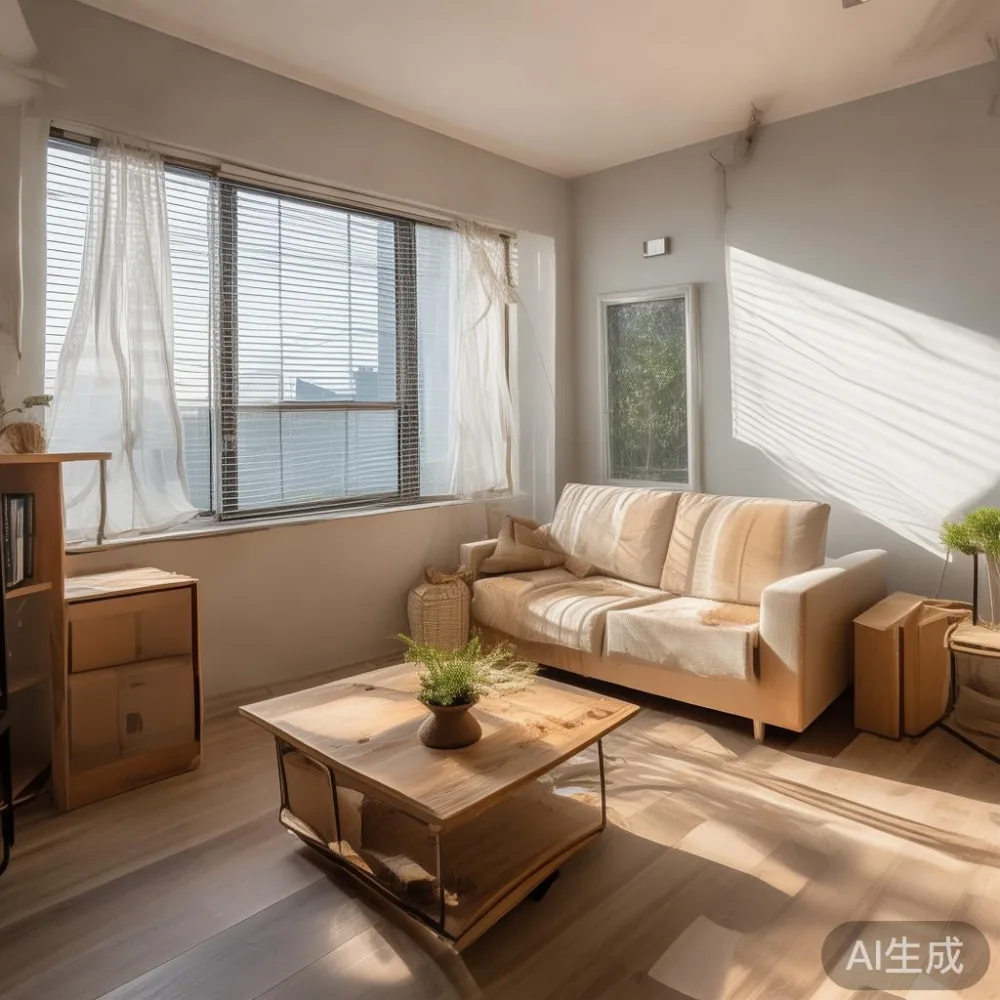
This guide explains how humidity affects wood, why Singaporean furniture needs careful acclimatisation, and what practical steps reduce shipping damage. It also covers condensation in lift lobbies, corridor handling, GST on imported purchases and the checks that help distinguish normal seasonal movement from manufacturing faults.
Does high humidity in Singapore cause solid wood furniture to warp?
Yes. Wood is hygroscopic: it absorbs moisture when the surrounding air is humid and releases moisture when that air becomes drier. The movement is dimensional rather than purely cosmetic. A 180 cm solid wood dining table with a 4 cm top can expand by several millimetres across its width as the fibre content changes. Repeated movement may loosen joints, make drawer runners feel tight, and place stress on a solid wood bed frame.
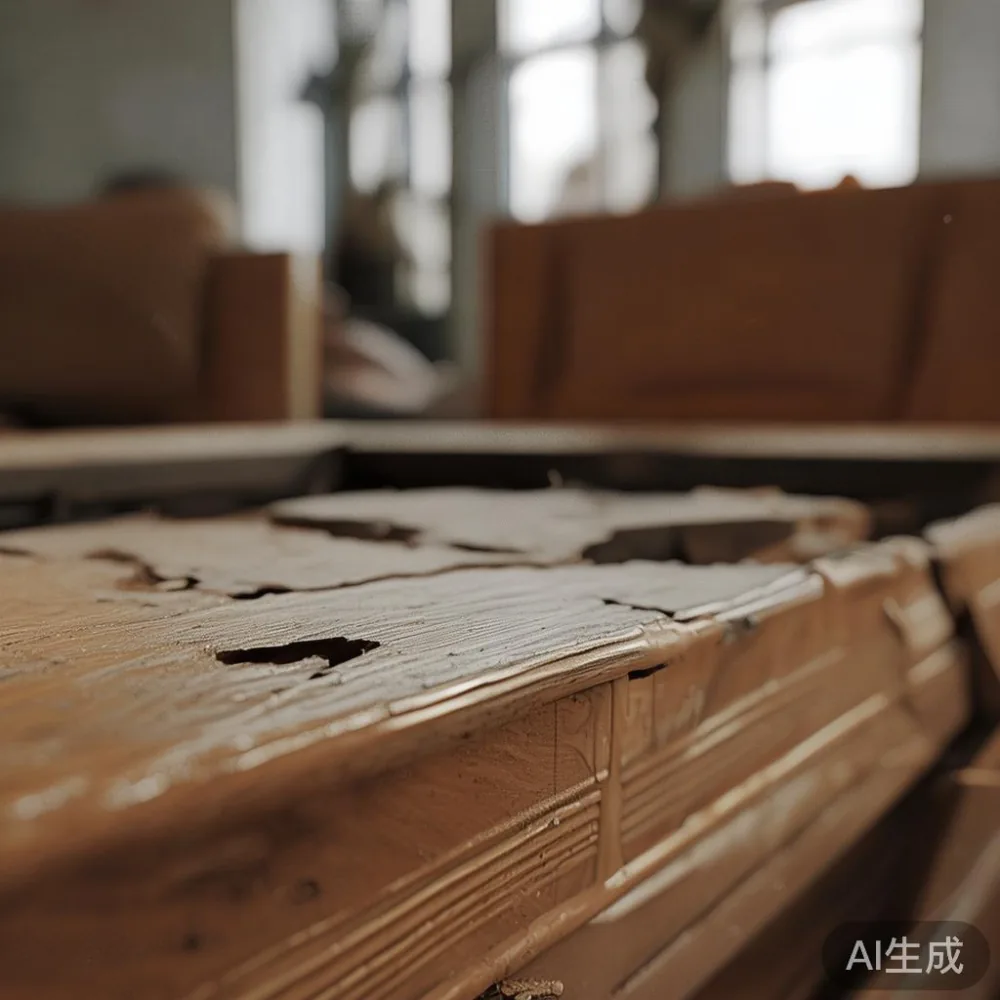
Singapore commonly sees relative humidity above 70% during monsoon periods, with nightly air-conditioning creating sharp gradients. Humidity can also rise above 80% in an unventilated HDB corridor or near a washbasin. A cabinet door may absorb moisture from one side while the opposite side remains drier, encouraging uneven distortion.
The response depends on timber species, construction and finish. Teak and other naturally oily hardwoods generally tolerate humidity more consistently, while oak, walnut, ash and other species used in light-luxury pieces still require sensible indoor humidity management. Plywood, MDF and veneer may be less prone to visible warping, although their edges and joints can still react to moisture.
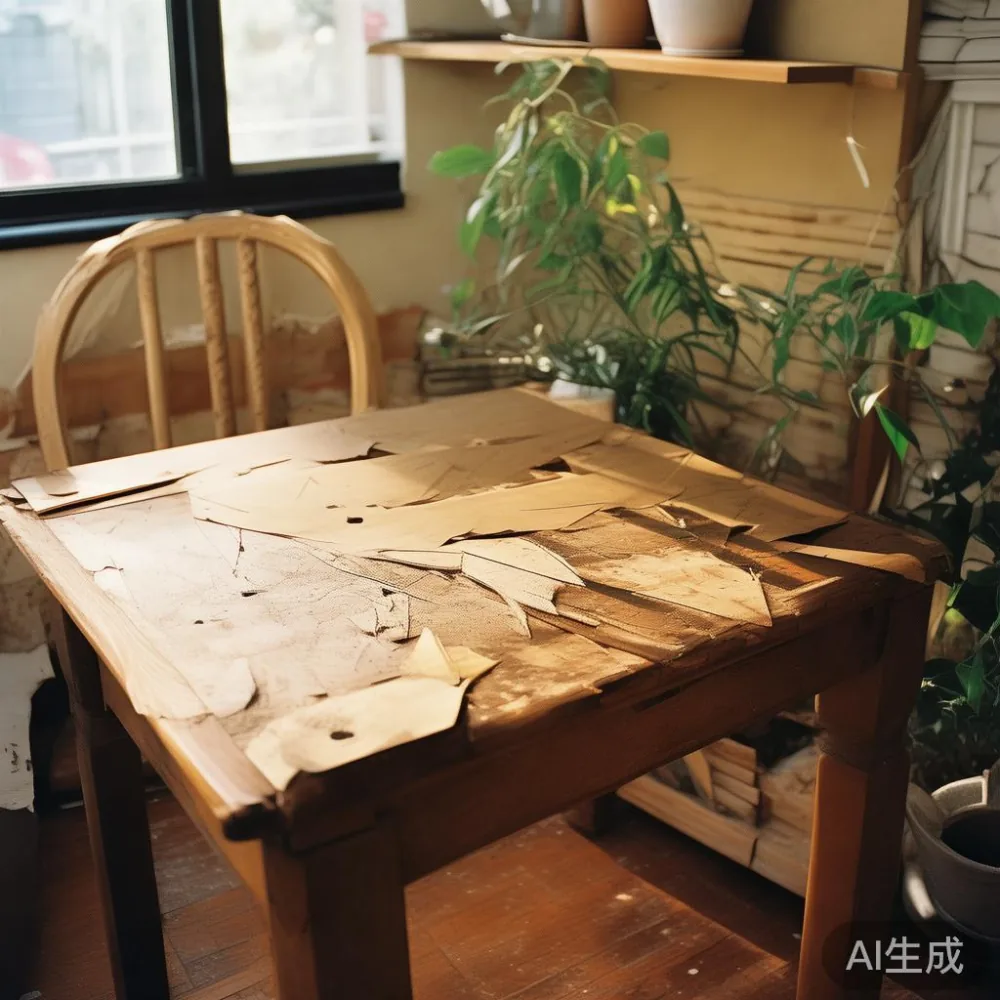
For a French provincial bed, solid wood construction offers stability when moisture is managed, but it should not be treated as waterproof. A moisture-meter reading around 8–12% is commonly used as an indicative reference for many interior furnishings, although the appropriate range varies by species. A newly delivered piece should be allowed to acclimatise before final measurements or tight installation.
What humidity level is safe for furniture in Tampines, Bedok and Punggol?
A practical indoor target is about 45–60% relative humidity, with short fluctuations treated more calmly than a sustained saturated environment. The Singapore Institute of Building Surveyors and some property-management guidance generally supports controlling condensation and maintaining effective ventilation, but furniture owners should also use a calibrated hygrometer. Place one in the room where the furniture will stand for 7 days and record morning and evening readings.
Air-conditioning helps because it lowers moisture in the room, yet blowing directly at a wardrobe can dry one face faster than another. Position vents away from the side of tall furniture where possible. For a solid wood nightstand beside a bed, leave 5–8 cm from the wall so air can circulate. Keep furniture at least 30 cm from a bathroom or washing area and avoid placing a dining table immediately beside a frequently opened cold drink fridge.
In a typical Tampines HDB flat with a 900 mm-wide internal corridor, furniture packages often have to turn through a 900 mm door opening. A 160 cm wardrobe delivered as two narrow sections is easier to carry than one 160 cm case, while a bed frame may fit through a 800–850 mm door once boxed and turned. Check the actual route rather than assuming that the unit fits because the building entrance does.
Residents of newer condos in Punggol may have wider lifts, including cars with internal dimensions around 210–240 cm in length and 140–160 cm in depth. Large marble table slabs can still be restricted by the turning space between the car and lift. Delivery teams should measure the lift door, cabin depth, corridor corners and turning radius before collection.
How does humidity-related shipping damage happen during delivery?
Shipping damage is not always a dent or broken corner. It can begin when furniture is packed in a humidity-heavy warehouse, remains wrapped after reaching a damp loading bay, and is then opened in a dry, air-conditioned home. That rapid moisture change may cause checking, joint movement or surface hazing that was not visible at pickup.
Partly humid conditions also affect packaging. Corrugated cardboard loses strength when damp, and protective film can trap condensation against timber. Bubble wrap and foam provide cushioning, but they should not seal damp wood for long periods. A responsible packing process includes conditioning the components, protecting vulnerable corners, avoiding direct contact with the floor and recording packaging conditions before loading.
After arrival, allow solid wood furniture to acclimatise for 5–7 days before tightening fittings, levelling feet or applying final treatment. Keep protective wrapping open where it does not obstruct the room, and remove it after the acclimatisation period. Do not place a newly delivered wardrobe against an exterior wall that collects condensation.
Inspect the piece before assembly. Photograph the form, joints, drawer openings and finish under neutral light. A narrow gap of less than 2 mm may reflect normal timber movement; a visibly twisted panel, cracked joint or detached rail merits review. Singapore’s consumer protection expectations and MIDHILL’s 10-year structural warranty provide a framework for assessing a structural fault, while a 14-day return policy can support initial inspection. Consumers should keep the item in a dry, stable environment during that period.
MARBLE TABLE pieces need different moisture controls. Marble is not wood and does not expand from humidity in the same way, yet a stone top can react to sudden temperature changes, and its base must remain level. Use a stable support, avoid concentrated loads and give the surface time to reach room temperature before wiping away condensation.
Can a lift and corridor inspection prevent shipping damage?
Often, yes. A delivery check should cover more than the lift’s maximum load. A common passenger lift may have a 1,000–1,500 kg capacity, but the usable limit depends on the specific car and building rules. A 65–120 kg solid wood dining table and its protective packaging may be manageable for a passenger lift, although the route matters more than the weight alone.
At the entrance, record the doorway width, corridor width, ceiling height and number of turns. A 210 cm-long package can fail in a 180 cm corridor even if it fits through the main door. For tight HDB routes, use removable legs or split carcasses where the product design allows. Wardrobe sections of 60–90 cm are often easier to manoeuvre than a single 180 cm unit.
Staircases create a separate challenge. Measure the landing depth and rail clearance, not only the flight width. Add roughly 5 cm of working space for the handlers’ hands and rotation. If a package cannot pass safely, the customer and supplier should agree on professional hoisting or reassembly rather than forcing it through.
Corridor humidity deserves attention too. In a ground-floor walkway exposed to rain, a package may be carried through wet air before reaching an air-conditioned flat. The delivery team should keep the load under cover and avoid leaving cardboard on a damp floor. These precautions reduce shipping damage and make the arrival easier to inspect.
For smaller pieces such as a nightstand, ordinary trolley handling is usually sufficient. For a solid wood sofa with 85–95 cm arm sections, check whether the arms detach for transport. For a marble table, use edge protection, a suitable trolley and at least two trained handlers for heavier tops.
How do you choose solid wood furniture that suits a humid climate?
Begin with the construction rather than the grain photograph. Look for solid timber panels, sound joinery and a finish intended for interior use. Solid wood bed frame models with mortise-and-tenon or dowelled joints can remain serviceable across seasonal movement because the joint design accommodates dimensional change. A veneer wardrobe with a stable engineered core may also perform well in a humid flat, provided its edges are properly sealed.
Consider the species and the room. Teak suits many Southeast Asian interiors, while oak, walnut and ash can create the French light luxury or American light luxury character sought for modern homes. Post-modern light luxury often mixes clean silhouettes with warm wood tones, making grain consistency and finish quality important.
Japanese for small living room layouts reward proportionate furniture: a 100–120 cm dining table, a 160–180 cm bed frame and a nightstand measuring 40–50 cm wide can support daily use without crowding. Searches for under 2000 Japanese furniture may include compact solid wood pieces, but the final selection should still account for local humidity and the actual room dimensions.
For a statement room, a French provincial TV console may use panelled doors and solid wood frames. Allow clearance from the wall and inspect the doors after a few humid days. A best Industrial wardrobe for 2026 search can surface useful metal-and-timber details, yet the consumer should confirm the internal timber, drawer hardware, moisture protection and warranty exclusions rather than relying on a style label.
Ask for the timber species, finish type and expected acclimatisation guidance. Reputable suppliers should explain whether small seasonal gaps are normal and how structural defects are covered. MIDHILL has supplied solid wood furniture since 2008 and exports to more than 15 countries; that cross-regional experience is useful, but buyers should still condition pieces for their own local environment rather than assuming a finish works identically in Singapore.
What should you do in the first 7 days after furniture delivery?
Day 1 is for inspection and placement. Keep the furniture in the intended room, unwrap breathable protective material and use a hygrometer to establish the baseline. Check the level of every leg and ensure wardrobes and dining tables are not pressed tightly against walls. Avoid direct air-conditioner airflow.
Days 2–3 are for gentle adjustment. Open drawers by roughly 10–15 cm initially, then close them after the timber has begun acclimatising. Do not force a swollen drawer. If it binds, check that the runner is clear of debris and that the furniture is level before treating it as a fault.
Days 4–7 are for final alignment and care. Follow any supplier instructions for the specific finish, tighten fittings only when required, and clean with a soft, lightly damp cloth. Wipe standing moisture from marble table surfaces promptly, but use only a product approved for the stone treatment.
Maintain 45–60% relative humidity where practical. Wipe condensation from windows and wardrobes, use extractor fans in damp areas and run air-conditioning for an hour or two before the main evening period instead of cycling rapidly throughout the day. These habits reduce repeated expansion and contraction.
For ongoing care, renew the finish as recommended. MIDHILL offers lifetime refinishing, which can restore surfaces and is particularly relevant where UV exposure or daily handling have affected the appearance. Its 10-year structural warranty applies to eligible structural issues, while free shipping is offered on qualifying orders over US$350; Singapore prices and any applicable GST should be confirmed at checkout because the final bill may be calculated in another currency.
Is humidity damage covered by a furniture warranty?
A warranty usually covers manufacturing and structural defects, not every change caused by unsuitable storage or high humidity. A split joint, loose rail or warped panel may qualify if it results from a construction fault. A door that moved after the item stood beside a damp exterior wall may instead fall outside structural coverage, particularly if the timber simply responded to the environment.
Documentation improves the assessment. Keep the invoice, delivery photographs, unboxing images and notes of the room’s humidity. Record the condition immediately on delivery and again after 7 days. This creates a clear timeline for distinguishing transit-related shipping damage from later moisture movement.
For a Singapore purchase, clarify whether the quoted price includes GST. Singapore levies 9% GST on most imports, and the final payable amount can include freight, insurance and customs handling. A supplier should explain the total before payment so the customer can compare pieces on the same basis.
Humidity management is not about keeping timber permanently untouched. It is about giving wood a stable indoor environment, protecting it during delivery and recognising which changes are temporary. With careful measurements, sensible acclimatisation and prompt documentation, a solid wood sofa, bed frame, dining table, wardrobe or nightstand can remain attractive and structurally serviceable for many years in Singapore’s climate.