How Southeast Asian Humidity Affects Solid Wood Furniture
Singapore’s climate can change the appearance and behaviour of solid wood furniture long before a scratch appears. Relative humidity often reaches 80–90% during the monsoon period, while air-conditioned bedrooms may remain near 50–60%. A dining table moved from a humid corridor into a dry HDB flat can therefore shrink, expand or develop small surface checks. These changes are not necessarily defects in workmanship, but they can make delivery handling look like serious shipping damage.
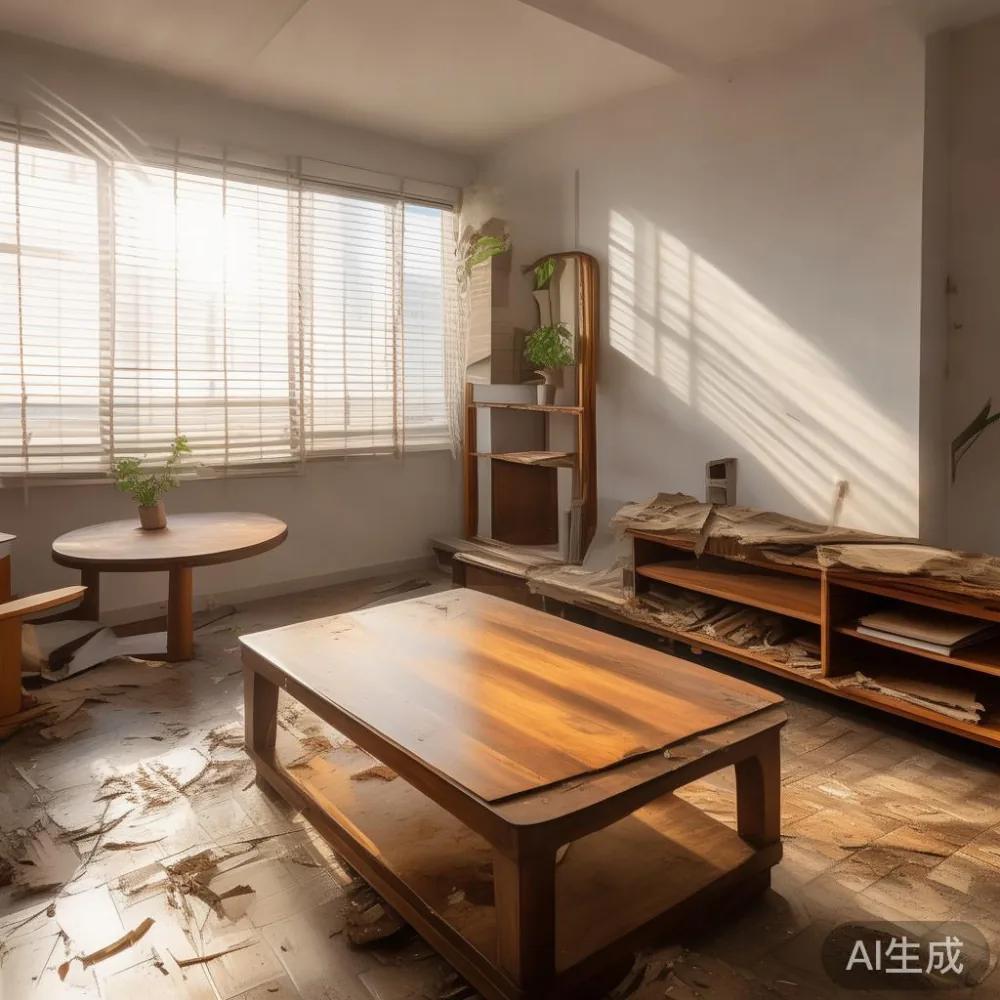
At MIDHILL, a Foshan maker established in 2008, humidity control begins with choosing stable hardwoods, controlling drying tolerances and protecting corners during packing. The company exports to more than 15 countries, supports its furniture with a 10-year structural warranty and offers lifetime refinishing. Its practical advice for Singapore households is to think about wood movement as a normal part of caring for a solid wood sofa, bed frame, dining table, wardrobe, nightstand or marble table.
Why does tropical humidity affect solid wood furniture?
Wood is a hygroscopic material: it absorbs moisture when the surrounding air is humid and releases it when the air becomes dry. A 180 cm dining table may gain roughly 1–3 mm across its width during sustained high humidity. Over 12 months, repeated expansion and contraction can loosen joints, open fine checks, move drawer parts and make lacquer or oil finishes appear uneven.
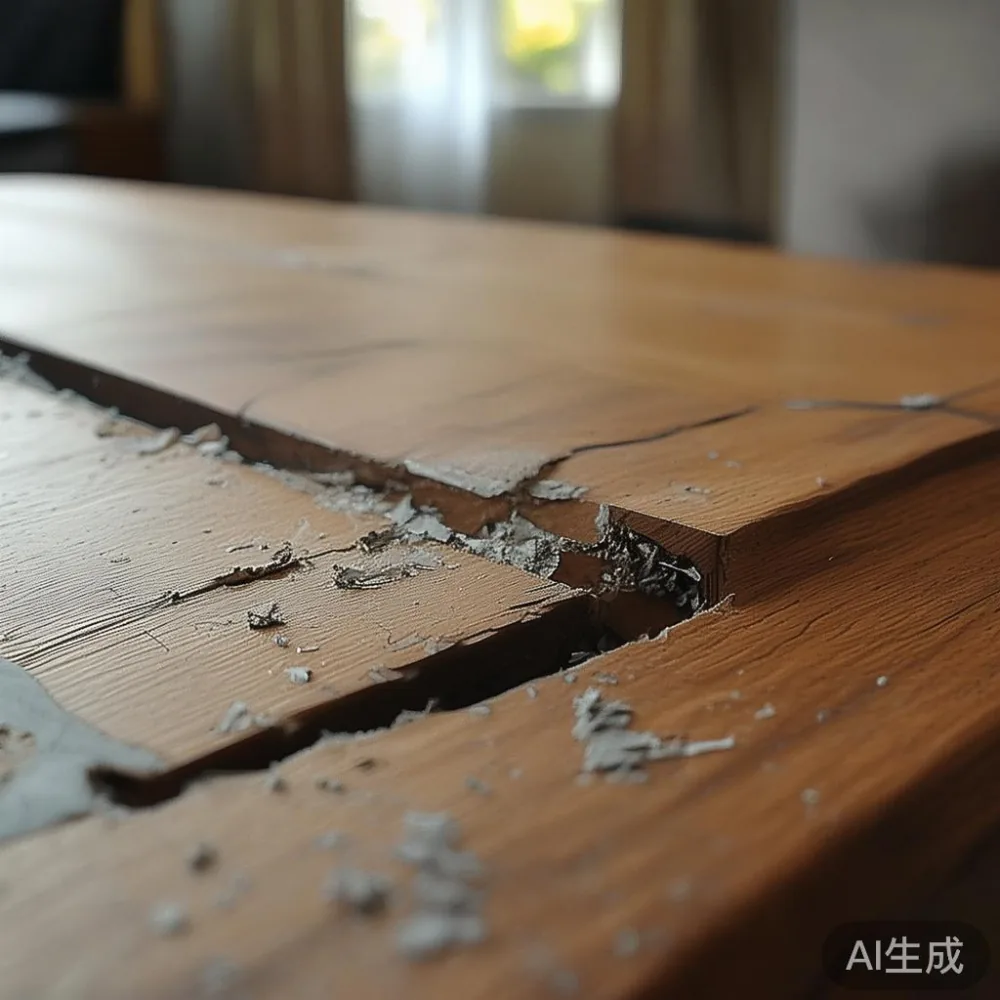
Seasonal humidity matters as much as the thermostat setting. In January, Singapore nights may be cooler and damper; by April, afternoon humidity can approach 90%. Air-conditioning removes visible moisture but can lower relative humidity to 40%, creating a sharp contrast with outdoor conditions. Every time a wardrobe or bed frame is opened, the surrounding air changes slightly. Good furniture design accounts for this movement instead of treating wood as an inert, perfectly rigid material.
The same principle applies to joinery. A mortise-and-tenon dining table uses controlled shrinkage to hold its joints tightly. A slab table, a framed bed frame and a panelled wardrobe each respond differently because their construction, thickness and grain direction differ. Solid wood furniture can accommodate normal movement when its moisture content, finish and construction were properly prepared.
What does humidity-related damage look like?
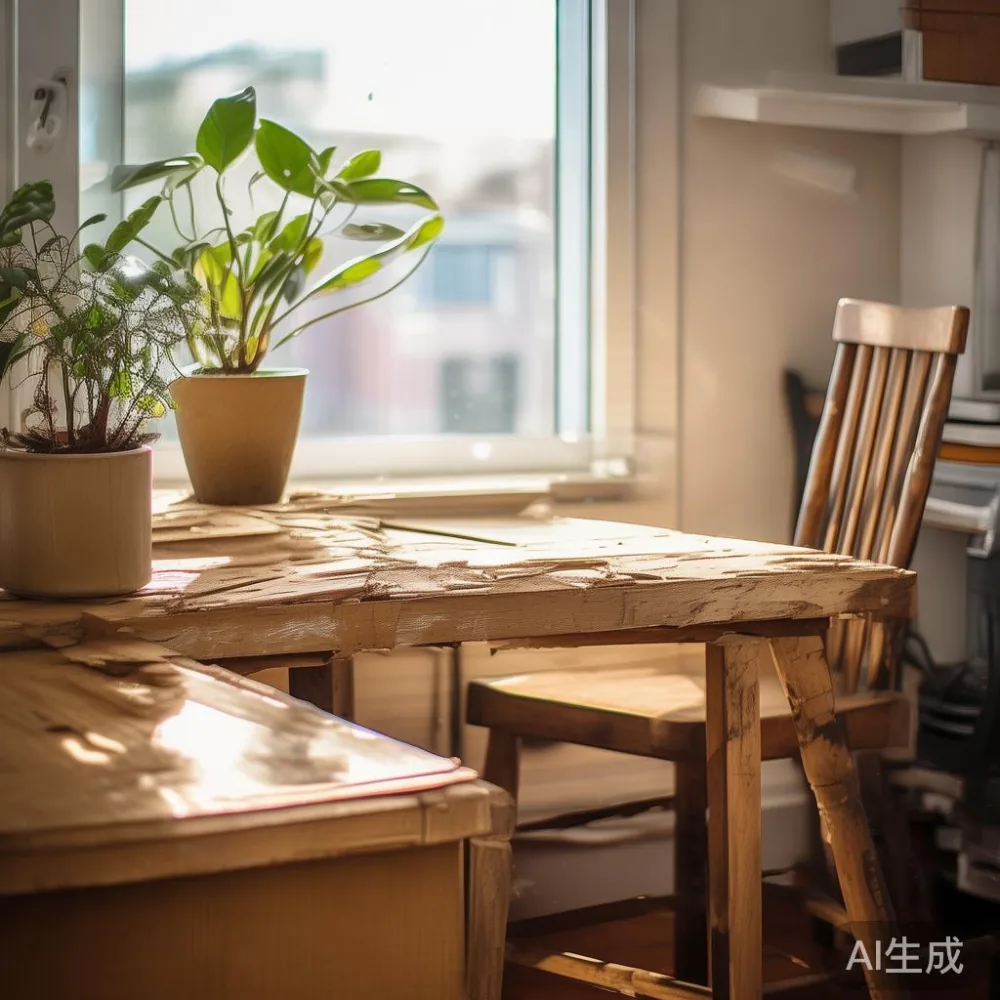
The earliest signs are usually small, not dramatic. A dining table may show a pale line along a grain seam. A bed frame may have a 0.5–1 mm gap where a side rail meets a headboard. A wardrobe door may feel tighter during wet weeks, while a nightstand drawer may swell by 1–2 mm. None of these symptoms automatically indicates shipping damage, although poor packing can also cause dents and broken corners.
Humidity-related checks tend to be narrow and follow the grain. They often appear near exposed end grain, especially on a solid wood sofa foot, the edge of a dining table or the top rail of a bed frame. Impact damage usually leaves broader abrasions, crushed corners or a broken finish. This distinction helps a homeowner document an issue before arranging a return within the 14-day return period.
Buckling is more serious. It may occur if a wide tabletop is exposed to repeated soaking, if furniture is stored against a damp wall or if protective packaging remains trapped around the piece for 72 hours or more. A marble table behaves differently: the stone itself does not absorb much water, but its supporting frame can move, and moisture at the joints can encourage staining or mould around the base.
Can Singapore HDB flats and condos create extra humidity risks?
HDB flats and private condos are well suited to solid wood furniture, but the building details still matter. Bedrooms in Tampines, Bedok and Punggol often have useful built-in storage yet limited ventilation in enclosed corridors. A wardrobe positioned 5 cm from an external wall may experience more temperature and moisture variation than one placed 30 cm away with air moving around it.
Lift and corridor widths can also influence delivery planning. A standard HDB lift may measure about 90–110 cm across its door and 140–160 cm deep, while a condo service lift may be larger. A 200 cm dining table must be tilted through the opening, and its protective corners need clearance. If a panel catches the lift door, the resulting split or dent could be classified as shipping damage even though humidity later widened a tiny surface check.
Keep at least 10–15 cm between solid wood furniture and cold walls where practical. Avoid placing a bed frame directly against an air-conditioning vent that discharges continuously for 18–20 hours a day. Maintain indoor relative humidity around 45–65% when the system permits, and use a hygrometer costing about SGD 25–60 to check a bedroom rather than estimating from the weather forecast.
How can humidity turn a delivery incident into apparent shipping damage?
Wood absorbs moisture most readily through exposed end grain, unfinished edges and surface checks. Imagine that a dining table receives a 3 cm dent during delivery. The impact is genuine shipping damage and should be recorded. If the damaged area later develops a 4 cm hairline check because the piece remained in a humid room, the visible mark may look larger than the original impact. Proper evidence helps separate the two conditions.
Take photographs before unpacking the outer carton, then after removing each protective layer. Record the furniture dimensions, the corner condition and any visible movement. Do not use adhesive tape on a finished surface, because its adhesive can soften an oil or lacquer finish and create a mark that resembles a delivery scratch. For 14 days, avoid aggressive repairs or refinishing unless MIDHILL has reviewed the issue and approved the method.
Open the carton within 24–48 hours of delivery, subject to the carrier’s inspection requirements. Check beneath the table top, inside the wardrobe, under the bed frame and behind each nightstand. Leave protective felt or cardboard in place for another 48–72 hours while the furniture adjusts to the room. Good ventilation matters more than rapid wiping, especially if the piece has travelled from a cooler climate into Singapore’s 30–34°C environment.
How should owners prevent humidity movement in daily use?
Place solid wood furniture away from direct air-conditioning outlets, kitchen steam and bathroom doors. A dining table used every day should have coasters, placemats and a stable humidity range, while a wardrobe should not be crammed with clothing against its back panels. Leave roughly 5 cm of clearance for airflow behind movable pieces, and rotate or reposition small items such as a nightstand every few months so one side does not remain permanently exposed.
Use a humidifier only when measurements show that the relative humidity has remained below 45% for several days. Set it to 50–55%, not 70%, and clean the water tank every 3–7 days. A dehumidifier can be useful in a persistently damp storage area, but placing one directly against furniture may create an excessively dry zone. Keep the device at least 1–2 m away and check the wood with a hygrometer at floor level and near tabletop height.
Do not place a solid wood bed frame or wardrobe on a damp concrete slab without a moisture barrier. A moisture meter reading above 18–20% is a reason to improve drainage or spacing rather than pressing the furniture into place. Similarly, avoid sudden cleaning methods. A damp cloth should be wrung out so it leaves no water on the surface, and the furniture should dry within 30–60 minutes.
What should I inspect when a solid wood furniture delivery arrives?
Start with the packaging, because its condition often explains what happened beneath it. Look for crushed corners, punctures, water staining and straps that have sunk more than 3–5 mm into the carton. Photograph all 6 sides before opening the top. Note the dispatch date, expected delivery window and the carrier’s reference number. A clear record within the first 24 hours makes a shipping damage claim easier to assess.
Next, compare every visible surface against the product photographs. For a dining table, check the top, apron, legs and under-table joints. For a bed frame, examine the headboard, side rails, slat supports and fasteners. For a wardrobe, inspect both sides, shelves, hinges and back panels. A marble table requires checks along all 4 edges, around the base and beneath the stone, with special attention to corner chips smaller than 5 mm.
Check that doors and drawers operate without force. Apply only light pressure and stop if resistance exceeds the usual movement. Wood may feel tight after a change of humidity, but forcing it can cause joint damage. If a part is crushed, split or structurally loose, stop using the piece and contact the supplier before assembly. Packing should protect furniture through lifting, but no carton can fully replace sensible handling by the delivery crew.
How does light luxury furniture fit into a humid Singapore home?
Light luxury design suits Singapore interiors when it balances visual calm with controlled materials. French light luxury often uses pale woods, refined upholstery and gentle curves, while American light luxury tends toward generous proportions and relaxed comfort. Post-modern light luxury can pair clean lines with warmer grain patterns. These approaches remain practical here because humidity-aware construction and finish selection matter more than decorative excess.
When comparing a European light luxury sofa vs Mid-century modern sofa, consider frame stability, seat density and timber movement rather than profile alone. A solid wood sofa should be inspected for loose joints at the arms and base. If you are researching french sofa gallery photos, ask for close views of the underside, legs and finish joints instead of judging only the styled front elevation. Gallery images can still help define the intended appearance, including the use of 45–55 cm seat heights and 20–25 cm deep solid wood legs.
For a bedroom, guidance on how to style American sofa in bedroom can create a useful reading corner, although a full-length sofa may occupy more floor area than a slim bed frame. Similarly, a guide to how to style light luxury bed in room should include bedside clearance of about 60–70 cm and a nightstand within 50 cm of the pillow. A comparison of light luxury bed vs Japandi bed often focuses on visual form, yet both require stable joinery and a finish that tolerates humid conditions.
How should I care for a wardrobe, nightstand and marble table?
A wardrobe needs airflow, stable alignment and restrained loading. Keep 5–8 cm behind the case where space allows, and avoid pressing humid clothing against unsealed wood. Check hinge gaps every 6 months and tighten fittings only when the doors no longer sit square. If a door catches because of seasonal swelling, adjust the hinge rather than planing the frame.
For instructions on how to style European light luxury wardrobe in room, position the piece as an anchor rather than forcing it into a narrow corridor. Leave enough space to open a door through roughly 90°, and keep heaters or damp towels away from its lower panels. Decorative objects should not overload a thin upper shelf; keeping the weight below 15–20 kg is a sensible rule for many domestic shelves.
A nightstand should stand fully on its legs, not against a skirting board. Wipe it weekly with a lightly damp cloth and keep coasters beneath drinks. A marble table should have its frame inspected twice a year, while the stone can be wiped with a neutral cleaner. Use a protective mat beneath hot or wet objects, and keep at least 10 cm between the marble edge and a window that may admit rain-driven humidity.
Can humidity damage a solid wood sofa or bed frame?
Yes, but the visible result is usually gradual. Upholstered seat cushions can develop condensation if they touch a cold wall or damp floor, while the solid wood sofa frame can move slightly beneath the textile. Lift the cushions every 2–4 weeks, allow air to circulate and check beneath them for dampness. Relative humidity above 70% for many weeks encourages mould on dust and fabric more readily than on the wood itself.
A bed frame placed directly beneath an air-conditioning vent may dry faster on one side. This can create a minor bow over 6–12 months, particularly in a long frame exceeding 210 cm. Centre the frame in the room when possible and measure both ends with a straightedge. Keep the mattress supported as designed, and avoid adding extra loads to the headboard or footboard.
What should a homeowner do if delivery damage and humidity appear together?
Separate immediate impact from later environmental movement. Photograph the point of impact on arrival, record the room’s humidity with a hygrometer and contact MIDHILL within the 14-day return window if structural damage is present. Keep the carton for at least 7 days because packing evidence can help determine whether the issue arose during shipping damage handling or after delivery.
Do not refinish the affected area independently. An unauthorised repair may affect the structural warranty and complicate an assessment. The company’s lifetime refinishing service provides a defined path for preserving a piece, while a 10-year structural warranty addresses qualifying construction issues. In Singapore, displayed prices should be checked with 9% GST included, and any service or return terms should be confirmed in writing before dispatch.
Most humidity problems can be managed with sensible placement, measured indoor conditions and regular inspection. The key is not to eliminate every seasonal change, but to avoid extremes that make a normal 1–3 mm movement visible or damaging. Further specifications and care resources are available at midhill.co, where dimensions, materials and delivery arrangements should be checked before furniture enters a lift or corridor.
Is humid-weather furniture care complicated?
It becomes much easier after the first few weeks. A hygrometer, 10–15 cm of wall clearance, stable indoor conditions and a simple 10-minute inspection every 3 months are enough for most Singapore homes. If you are comparing solid wood furniture for a Tampines HDB flat, a Bedok condo or a Punggol residence, prioritise stable construction, sealed end grain and realistic care guidance. Furniture made for tropical conditions should still allow wood to breathe, and its finish should be able to handle movement without being mistaken for poor craftsmanship or shipping damage.