Small-Apartment Styling: How to Make a Singapore Home Feel Spacious, Calm and Light-Luxury
A Tampines HDB flat, a Bedok condo and a compact Punggol home can all feel crowded for different reasons. The problem is rarely the floor area alone. It is usually furniture scaled to the wrong dimensions, too many opaque finishes, unclear circulation routes and a dining zone that has taken over the living room. With careful measurements, each piece can earn its place while retaining a light-luxury character.
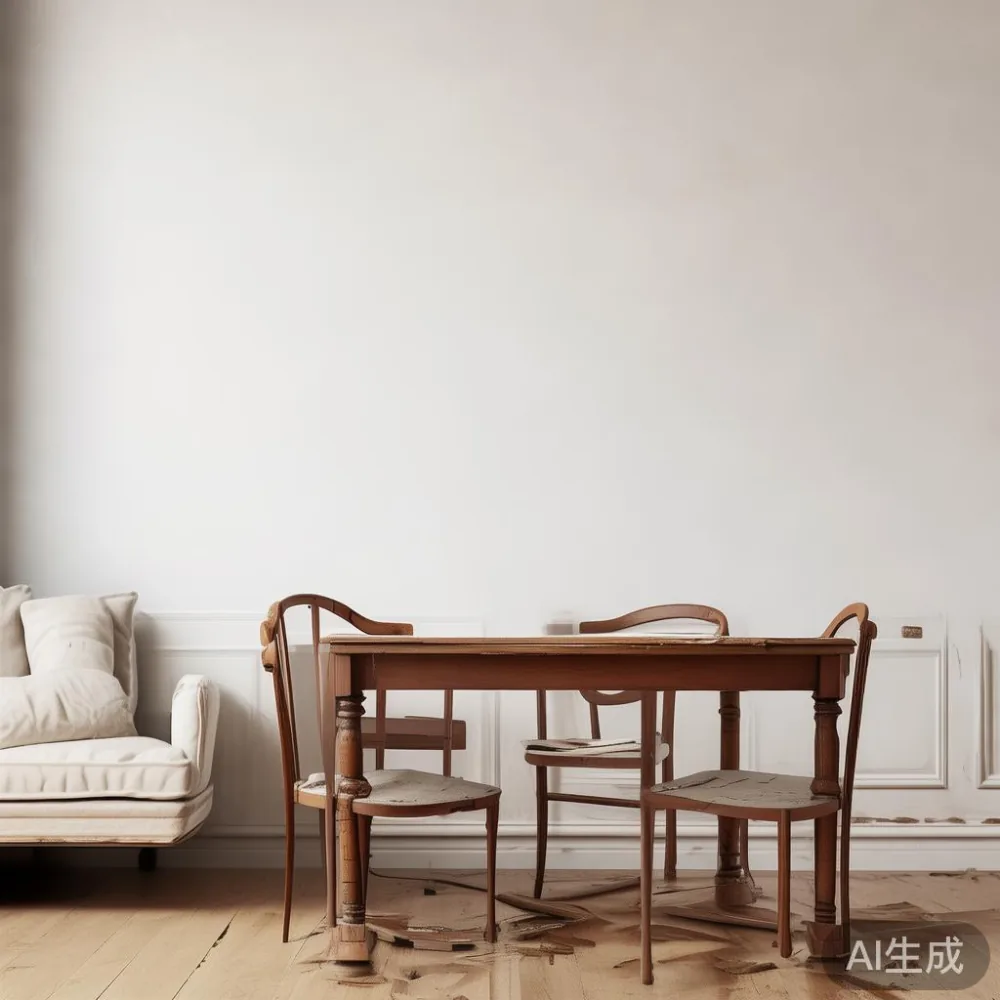
This guide explains how to style a small apartment without making it feel crowded, using the realities of Singapore layouts: HDB corridors around 90–120 cm wide, many household lifts measuring roughly 100–110 cm across, and a 10-year structural warranty that should not be confused with protection against accidental shipping damage.
MIDHILL is a Foshan solid wood furniture maker established in 2008. Its export experience across more than 15 countries is relevant here because delivery planning matters as much as visual scale. Solid wood pieces are heavy and should be packaged properly for Singapore conditions, including long-distance transport and high humidity.
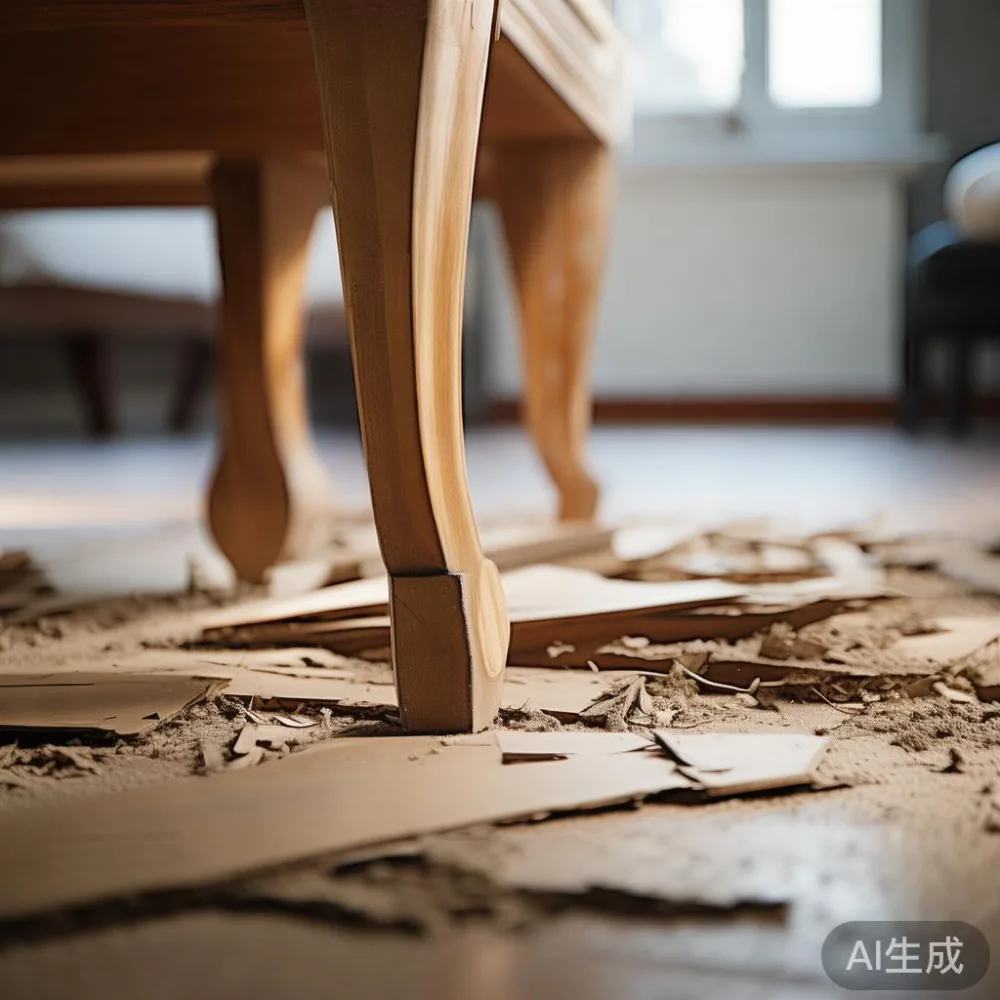
How can you make a small Singapore apartment feel less crowded?
Start with a clear rule: measure the usable space before choosing furniture. In an HDB living room, leave at least 75–90 cm between the front of a sofa and a coffee table, while a main passage should generally remain around 90 cm. In a condo with tighter planning constraints, sliding doors or a narrow dining table may create more freedom than replacing an oversized layout.
Instead of pushing every item against a wall, divide the room into two light zones. A 160–180 cm solid wood sofa can define the living area, while a slim sideboard or 90–120 cm dining table can define the eating area. Avoid screens taller than 150 cm in the middle of the room; they interrupt sightlines and make a compact interior appear shorter.

Keep visible furniture below waist height where possible. A sofa with a 78–84 cm seat height, a dining table around 74–76 cm high and a low bed frame of 28–35 cm help maintain an open horizon. Use one pendant light over a table rather than three ceiling fixtures, and choose curtains that stop just above the floor rather than crowding the window area with bulky fabric.
The goal is not to strip the apartment of personality. It is to control volume, preserve movement and let the materials speak with fewer interruptions. A room with three coordinated pieces can look more generous than one filled with 12 unrelated objects.
What should you measure before ordering furniture for a HDB flat or condo?
Measure the actual door, lift and corridor access before selecting large furniture. Record the narrowest lift door, the lift interior’s diagonal, the turn at the stair landing and any corridor corners. A bed frame may fit the bedroom yet be impossible to manoeuvre into the block. A dining table may fit the lift cab but still hit the corridor wall when turned.
For common compact homes, work with these practical reference figures:
- Leave 90 cm for a main circulation route through the living or dining area.
- Allow 75 cm behind dining chairs when people need to sit down and move.
- Keep a sofa-to-coffee-table distance between 35 and 45 cm for easy reach without visual congestion.
- Choose a bed width that leaves at least 55–60 cm beside one side if a built-in wardrobe requires access.
- Check whether a wardrobe can enter the bedroom before its panels are assembled.
- Measure the skirting board, sockets and air-conditioning outlets before finalising the layout.
For a modular wardrobe, check the longest assembled panel against the bedroom door and corridor turn. For a solid wood dining table, ask for the packaged dimensions rather than only the product dimensions. A 140 cm table may have a box that cannot fit into a 100 cm lift doorway at the correct angle.
Singapore’s 9% GST should also be included when comparing final costs. For example, a dining table listed at SGD 1,680 becomes SGD 1,831.20 after GST. Confirm whether quoted delivery is to the lobby, the door or the room. Any stair carry or upper-floor service should be identified before payment.
Delivery timing is equally important. Standard production can take 20–35 days, followed by 7–14 days for international freight to Singapore and 1–3 days for local delivery. A furniture plan based on a move-in date should include a margin of at least 7 days.
Can a large solid wood sofa work in a small living room?
Yes, if the proportions are disciplined. A solid wood sofa with a 160–180 cm width and a depth below 95 cm can work in a compact HDB living room. A shallow frame preserves the walkway, while slender legs raise the visual floor line by 15–20 cm. These are useful devices in French light luxury, where refined detailing and pale upholstery can make a piece feel elegant without looking heavy.
Before buying, place masking tape on the floor in the intended footprint. Extend it to include 90 cm of access behind the sofa and 35–45 cm between the sofa and coffee table. If that outline blocks a doorway or squeezes the dining zone, reduce the width or choose a two-seat configuration.
The European sofa vs Italian light luxury sofa question is more about construction and detailing than a national label. A European approach often favours restrained proportions and visible timber frames; an Italian light luxury sofa may introduce deeper comfort, softer curves and more upholstered volume. In a 12–14 m² living room, a straight-edged European profile is usually easier to integrate than a deeply curved design.
Avoid a sofa that nearly touches both opposite walls. A gap of 10–15 cm at one end can make the layout feel intentional and allow a slim floor lamp. Choose a low back around 78–85 cm if the room has a low ceiling, but make sure the seat remains comfortable for the intended users.
Test the scale digitally and physically. Walk around the taped outline with a phone held at seated eye level. A sofa that looks generous in a showroom can visually swallow a small room once the television console, side table and dining chairs are added.
How do you choose furniture that feels light rather than empty?
A light room needs balance, not a shortage of objects. Use one substantial anchor, such as a solid wood dining table or a 160 cm sofa, and pair it with smaller pieces that repeat a colour or material. For example, a 180 cm solid wood dining table with 4 compact chairs can be balanced by a 90–110 cm sideboard and a slim nightstand elsewhere in the home.
2026 Modern light luxury furniture tends to combine clean architectural lines with warmer natural textures. This can suit Singapore apartments because it avoids the clinical effect of an all-white room. Try pale oak, ash or warm walnut with off-white walls, then add muted sage, clay or charcoal accents across 2–3 repeated areas.
Use furniture that performs several jobs. A dining table with a 140–150 cm length can serve four people during the day and become a writing surface at night. A bed frame with two drawers can replace a separate bed storage bench. A wardrobe with adjustable shelves and hanging rails can reduce the need for freestanding shelving. A marble table may work as an occasional side table, but select one with a narrow pedestal or a compact top rather than a thick block that dominates the corner.
Decorative restraint is useful too. Keep one grouping on the coffee table, limited to a tray, one book and one object. On an open shelf, leave at least 20% of the area empty. This visual breathing room matters more than filling every surface.
For a guest room, French provincial for guest room styling can add character through curved bed details, soft textiles and vintage-inspired colour. Because the footprint is limited, use a 140 cm bed where adequate clearance permits, a narrow 35–45 cm nightstand and wall-mounted lighting. Keep the bedside surface light; one lamp and one small tray are sufficient.
Should the bed frame be French or mid-century modern?
The French bed vs Mid-century modern bed comparison comes down to the mood of the room. A French-style bed frame may use gentle curves, upholstered panels or carved details. It brings softness and decorative appeal, which can work well in a compact bedroom if the frame remains visually light. A mid-century modern bed frame typically has a slimmer profile, tapered legs and simpler lines, making it easier to pair with the restrained geometry of many Singapore apartments.
For a 10–12 m² bedroom, a mid-century profile around 82–90 cm high and 140–160 cm wide often leaves more usable floor area. A French frame is still practical if its headboard projects no more than 8–12 cm beyond the mattress and the bedside gaps remain at least 50 cm.
Place the bed away from the immediate doorway where possible, but avoid pushing it into a narrow gap simply to create symmetry. A gap of 5–10 cm between the side of the bed and the wall is acceptable if it is not the only usable side. If both sides must be accessed, 55–60 cm is more comfortable.
Coordinate the bed frame with other pieces rather than making each item match exactly. A French-inspired bed can sit beside a simple nightstand, while a mid-century frame can work with a small French-style lamp. Repetition of one finish is enough to make the room feel composed.
Natural solid wood provides warmth that veneer or painted MDF can sometimes imitate, but it also brings weight. Check the assembled weight and make sure the floor is level. For upper-floor lifts, arrange a two-person carry for pieces over 40–50 kg and verify that the lift’s permitted load is at least 250–300 kg.
Is a Japandi wardrobe useful in a small Singapore bedroom?
That is the is Japandi wardrobe worth it question many apartment owners ask, and the answer depends mainly on storage needs and access. Japandi styling favours warm timber, plain surfaces, integrated handles and uncluttered lines. In a small bedroom, that clarity can be useful because the wardrobe does not compete with bedding through excessive decoration.
Measure before deciding between sliding and hinged doors. A sliding wardrobe can save approximately 10–20 cm of clearance because the panels do not swing outward, but the internal compartments may be less accessible. Hinged doors can provide better access when the bedroom has a 90 cm or wider aisle and 100 cm of clearance in front of the opening.
Plan internal zones around actual belongings. Allocate roughly 35–40% to hanging clothes, 20–25% to shelves and the remainder to drawers or deeper storage. Include 1 pull-out tray for jewellery, 2–3 drawers below 60 cm high and hooks on the side panel. A top cabinet that rises above 240 cm may look neat but can become difficult to reach without a step stool.
In a Tampines or Punggol bedroom, a built-in-looking wardrobe can visually tidy the wall, but a freestanding unit may allow more flexible placement. Check skirting, socket positions and the nearby window. If the bed sits directly opposite the wardrobe, the doors may interfere with circulation when open.
Open shelving can reduce the need for a full-height cabinet, but it also shows storage. Use it for a small number of frequently used items and leave 25–30% of each shelf open. Otherwise, a closed solid wood wardrobe often keeps the room calmer.
What should you do if furniture arrives with shipping damage?
Inspect the furniture as soon as it is brought into the unit. Photograph the carton, note its condition, and record any crushed corners, punctures or visible scuffs before unpacking. Do not sign a clean delivery record if the outer packaging is already damaged. Record a 15–30 second video while opening the box where practical.
Shipping damage can affect a solid wood product differently from a glass or marble table. Look for splits at joints, dents along grain, chipped corners, loose joints, scratches on lacquer and movement in drawer runners. For a marble table, inspect the stone edges, top surface and joint lines with a torch. A sofa requires checks of the frame alignment, cushions, stitching and feet.
Report the issue with photographs, the order number and the type of damage. Do not repair or modify a structural joint before the inspection. If a component is missing, retain all packaging until the replacement or resolution is confirmed.
Shipping damage is one reason to check insurance and the delivery policy before ordering. A 10-year structural warranty covers defects in the product’s structure under its stated terms; it does not automatically cover every transit incident. Ask whether the supplier arranges cargo insurance, what evidence is required and how claims are assessed.
MIDHILL’s lifetime refinishing service may apply to eligible solid wood surfaces, but the customer should confirm whether a scratched or dented item can be refinished, replaced or repaired under the specific order. Transport claims, manufacturing defects and finish wear are separate categories, even when they produce a similar mark.
How should you plan delivery around Singapore lifts and GST?
Delivery planning should happen before the furniture is made, not when the truck arrives. Send the supplier the building type, block number, lift dimensions, parking access, floor and corridor measurements. For a new HDB flat, ask whether the loading point is outside the void deck and whether the lift reservation is required. Condo management may require a delivery booking and a mover’s certificate.
Check the delivery windows carefully. Local furniture carriers may offer a 2-hour arrival window, but delays of 30–90 minutes can happen during peak hours. If the building has no direct loading, allow another 15–30 minutes for transfer to the lobby or service area.
For customers comparing options, a dining table at SGD 1,480 becomes SGD 1,613.20 after 9% GST. A solid wood sofa at SGD 2,690 becomes SGD 2,932.10, and a wardrobe at SGD 2,180 becomes SGD 2,376.20. A marble table listed at SGD 1,280 becomes SGD 1,395.20. Free delivery over US$350 is useful for international customers, but Singapore-dollar checkout thresholds and local freight arrangements should be confirmed in writing.
The strongest small-apartment plan is simple: measure the route, choose a 140–150 cm dining table, keep the sofa within 180 cm, use closed storage for most belongings and preserve a 90 cm passage. These decisions allow a compact Singapore home to feel deliberate rather than crowded, while still giving solid wood furniture the space to be appreciated.