Singapore Homeowners: The Cost Impact of Veneer vs. Solid Wood Furniture
Choosing furniture for a Singapore home is rarely a simple price comparison. A veneer dining table may look impressive in a Tampines HDB flat for SGD 1,200, while a solid wood version costs SGD 2,800. Over 5 years, however, the cheaper purchase does not always produce the lower total cost of ownership. Edges, moisture exposure, repairs, delivery handling, and early replacement all change the calculation.

This comparison examines veneer and solid wood furniture across a 5-year period, using Singapore dollars and the practical dimensions of HDB flats and private condos. It also considers how lift access, corridor width, and the risk of shipping damage affect the final expenditure. The examples include a dining table, wardrobe, solid wood sofa, bed frame, nightstand, and marble table.
MIDHILL is a Foshan solid wood furniture maker established in 2008, with a 10-year structural warranty, lifetime refinishing, and exports to more than 15 countries. Its production standards are relevant here because a 5-year comparison should account for service life rather than focusing only on the showroom ticket. All prices in this article are illustrative Singapore retail estimates and exclude the 9% GST unless stated otherwise.
What does veneer actually cost over 5 years in Singapore?
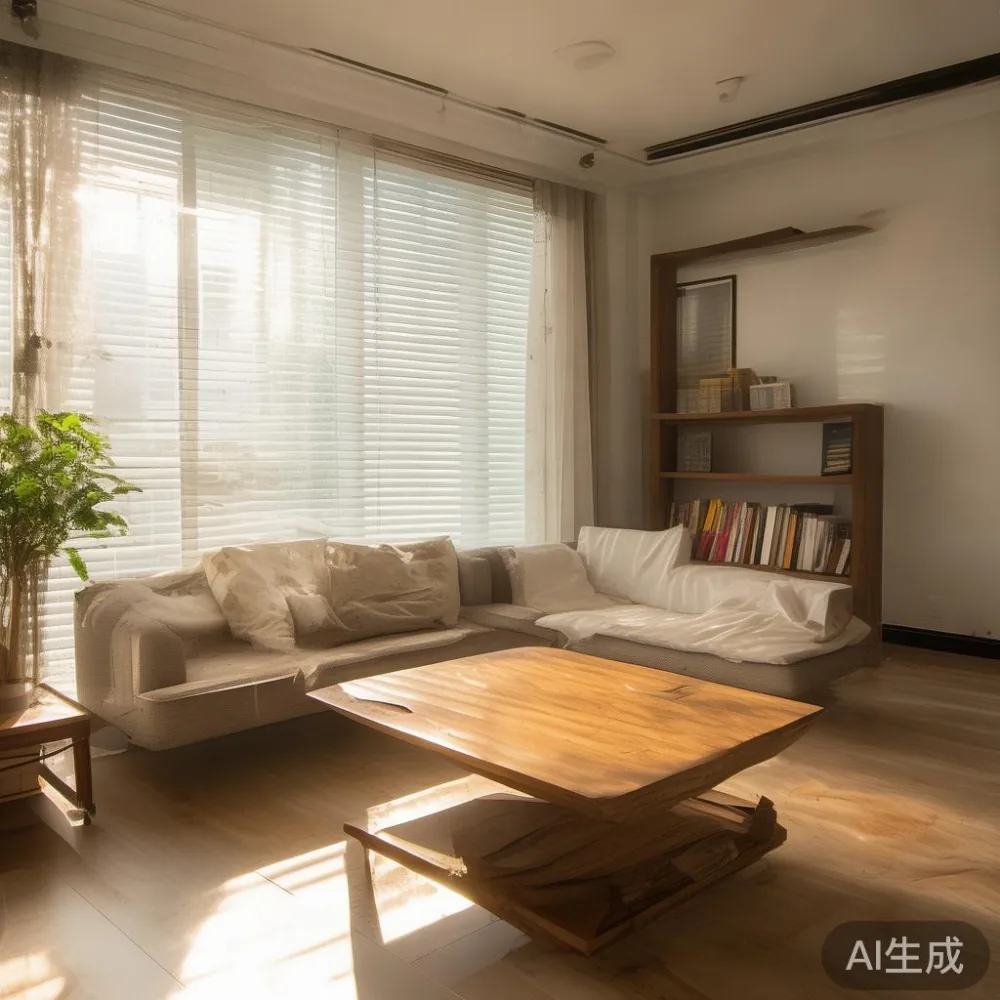
Veneer furniture uses a thin layer of natural wood, usually around 0.6 mm, bonded to an engineered core such as MDF or plywood. A dining table with a 180 × 90 cm top might retail for SGD 1,200 before GST. Add approximately SGD 108 for GST, SGD 80 for delivery within Singapore, and SGD 120 for basic installation. The starting total is about SGD 1,508.
Assume the veneer table needs one edge repair in year 2 at SGD 180 and another surface treatment in year 4 at SGD 140. A replacement drawer runner costs SGD 65, while a new delivery and installation visit adds SGD 80. These are reasonable examples, not fixed quotations. The 5-year maintenance total reaches SGD 465, giving a total ownership cost of SGD 1,973.
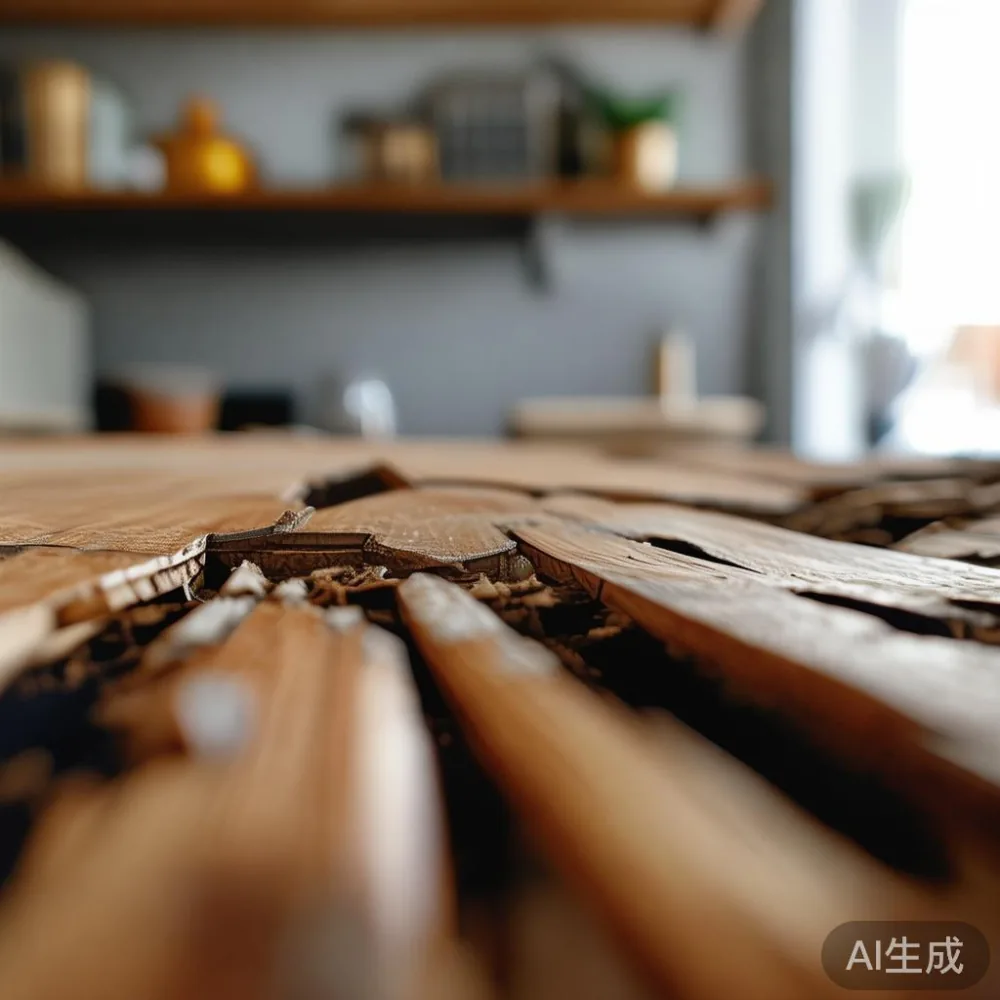
Now compare a comparable solid wood dining table made from kiln-dried hardwood. At 180 × 90 cm, it may cost SGD 2,800 before GST. GST is SGD 252, delivery is SGD 80, and installation is SGD 120. The purchase total is SGD 3,252. One refinishing service in year 3 may cost SGD 220. The 5-year total is therefore SGD 3,472.
On this model, veneer costs SGD 1,499 less over 5 years. Yet the solid wood table retains more resale value and may last beyond the period if maintained properly. The cost difference also narrows if the veneer table is exposed to humidity, placed near an open window, or moved frequently. In a ground-floor Bedok flat with frequent dampness, edge swelling can turn a SGD 180 repair into a SGD 350 panel replacement.
The calculation depends on service life, not just purchase price. If a low-cost veneer table is replaced after 4 years, while a solid wood table remains in use, the comparison changes sharply. A buyer should record purchase price, delivery, GST, repairs, and expected years of use for each option.
Is Mid-century modern bed worth it for an HDB bedroom?
This is a common question among owners of Tampines, Bedok, and Punggol HDB flats. The phrase “is Mid-century modern bed worth it” describes a design approach with tapered legs, clean lines, and a warm timber finish. It does not automatically mean solid wood, because the same silhouette can be produced with veneer and an engineered frame.
For a queen bed measuring 152 × 190 cm, a veneer bed frame may cost SGD 980 before GST. With GST, delivery, and installation, the first-year cost is approximately SGD 1,254. A solid wood version may cost SGD 1,980 before GST and SGD 2,336 after GST, SGD 80 delivery, and SGD 120 installation.
A queen mattress is about 152 × 190 cm and commonly weighs 30–45 kg. The bed frame itself may weigh 25–40 kg. In an HDB lift measuring 90 × 140 cm, a boxed bed can fit diagonally, but assembled components may be awkward to turn through a 110–120 cm corridor. A corridor width below 90 cm can require the delivery crew to carry at least part of the frame to the unit.
Over 5 years, assume the veneer frame incurs one SGD 120 repair and one SGD 90 hinge adjustment. Its total becomes SGD 1,464. The solid wood frame may need SGD 180 of sanding and refinishing in year 4, producing a total of SGD 2,516. The solid wood option costs SGD 1,052 more, but it can remain usable for 10–15 years and often retains more value after resale.
For a compact Punggol studio, a 135 × 190 cm solid wood bed frame may be more practical than forcing a queen size into a narrow room. The frame should leave at least 60 cm of clear circulation beside the bed and fit through the building’s measured access route. Correct measurements prevent damage during carrying and reduce the risk of scratches that become costly repairs.
How much does shipping damage add to the true cost?
Shipping damage is a cost that should appear in every furniture comparison, especially when a dense solid wood wardrobe is delivered from Foshan to Singapore. A cabinet corner can be crushed, a veneer panel can split along its edge, and a marble table top can chip despite careful packing. The repair cost may be only SGD 80–150, but the labour, replacement parts, and second delivery can raise the real loss to SGD 250–600.
Consider a solid wood wardrobe with a 120 × 60 × 210 cm body. It may weigh 95–130 kg, far heavier than a 55–75 kg veneer wardrobe. Packed in a carton roughly 126 × 66 × 218 cm, the solid wood unit can exceed a standard 90 × 140 cm lift. It may need to be disassembled into two carcasses and carried through a narrower corridor.
Shipping damage may occur when a wardrobe is tilted at 70 degrees, when a lift threshold catches a protective foot, or when a tight corner presses against a veneer face. Photographs should be taken at delivery, including the carton, corners, and installation area. A new solid wood panel costs SGD 420 with finish matching, plus SGD 150 labour and SGD 80 redelivery. The final damage cost is SGD 650, not SGD 420.
For a marble table measuring 120 × 70 cm, a chipped corner can cost SGD 350–900 to repair, depending on the marble variety and access. If the table cannot be repaired cleanly, replacement may exceed SGD 1,500. This is why marble table packaging and insurance matter even though marble is not either timber category.
MIDHILL offers free shipping over US$350 and a 14-day returns policy, while Singapore buyers should still confirm the local delivery terms, GST treatment, and access charges before ordering. The 14-day period is short for a large wardrobe, so measurements and product details should be settled before dispatch.
How much does a solid wood sofa cost to maintain?
A solid wood sofa differs from an upholstered sofa because the timber frame carries the structure; cushions and upholstery create comfort. A three-seat model measuring 210–230 cm may weigh 75–105 kg. A veneer-framed version may weigh 55–80 kg and cost SGD 1,600 before GST, compared with SGD 2,900 for solid wood.
For the veneer sofa, first-year cost is SGD 1,744 after SGD 144 GST, SGD 80 delivery, and SGD 20 doorstep handling. A replacement fabric section in year 3 might cost SGD 280, while a hinge repair in year 4 might cost SGD 90. The 5-year total is SGD 2,114.
The solid wood sofa starts at SGD 3,136 after GST, delivery, and handling. One set of joint maintenance and refinishing in year 3 may cost SGD 260. Its 5-year total is SGD 3,396. The difference is SGD 1,282, but the solid wood frame can continue into years 6–10 if joints remain sound.
In a private condo with a 140–160 cm lift and 150–180 cm corridor, delivery is easier. In an older HDB block with a 90 cm corridor, the 230 cm sofa may need to enter through a balcony opening or be turned at a staircase. Removing a door panel may cost SGD 80–200 and should be agreed in advance.
American light luxury and French light luxury styles both suit pale timber, restrained profiles, and tactile upholstery. For Singapore conditions, the frame should be sealed on all faces, including the underside, so seasonal humidity does not reach unfinished edges.
Which option costs less for a wardrobe with European styling?
Anyone comparing built-ins should consider how to choose European light luxury wardrobe. A fitted veneer wardrobe for a 240 cm wall opening may cost SGD 2,400 before GST, while a solid wood carcass may cost SGD 4,200. Both require roughly 3–6 hours of installation.
For the veneer wardrobe, first-year cost is SGD 2,736 after SGD 216 GST, SGD 120 delivery, and installation. Add a SGD 180 edge repair, SGD 150 hinge adjustment, and SGD 100 replacement shelf support over 5 years. Total: SGD 3,166.
For the solid wood wardrobe, first-year cost is SGD 4,518 after GST, delivery, and installation. One sanding and refinishing service in year 4 may cost SGD 280. Total: SGD 4,798. The solid wood option costs SGD 1,632 more in 5 years, yet it can support heavier doors and may be refinished repeatedly rather than replaced when finishes age.
This subject also fits European light luxury with storage, where wardrobes combine closed cabinetry with occasional open shelves. European light luxury for small living room projects need slimmer depths of 45–55 cm. The exact phrase appears in design specifications here because a 60 cm carcass can consume 5–10% more floor area in a compact HDB bedroom.
A 50 cm deep solid wood wardrobe may be harder to source than a 60 cm veneer model, but the saving in a Tampines flat can be meaningful. If the installed saving is SGD 250, the 5-year premium becomes SGD 1,382 rather than SGD 1,632. Luxury French provincial furniture tends to use deeper profiles, so a small-space buyer may have to balance visual scale against usable depth.
What does a nightstand reveal about long-term furniture value?
A nightstand is a useful case because its size makes delivery damage more likely relative to its value. A model measuring 45 × 40 × 55 cm and weighing 12–18 kg may cost SGD 320 in veneer or SGD 620 in solid wood before GST. Delivery may add SGD 30–60 to each order, especially when a full unit is not being delivered.
The veneer nightstand may cost SGD 486 after GST and delivery. Two drawer repairs over 5 years, at SGD 45 each, produce a total of SGD 576. The solid wood nightstand starts at SGD 688 after GST and delivery; one drawer repair and one refinishing service add SGD 110, making the total SGD 798. The difference is only SGD 222.
That small difference can justify solid wood in a frequently used bedroom. It can also make replacement more practical if the nightstand survives a move. In a 3-room Bedok flat, a narrow 35–40 cm nightstand beside a 152 cm bed may preserve more circulation than a 50 cm unit. Clearance of 60 cm is preferable where possible, but tight HDB layouts require compromise.
For the room itself, Modern light luxury for hotel projects can guide the selection of repeated bedside pieces. A hotel may specify solid wood bases with replaceable drawer components, a more serviceable approach than replacing an entire lightweight cabinet after a collision.
Do delivery access and GST change the 5-year comparison?
Yes. A furniture quote can be accurate on paper and misleading at the loading point. Measure the lift door, lift depth, hallway turns, staircase width, and doorway width before ordering. A 200 cm wardrobe may fit into a 140 cm lift diagonally, but a 220 cm model may not. The packed dimensions, not only the assembled dimensions, determine access.
Compare a packed veneer dining table at 190 × 100 × 12 cm and 35–55 kg with a packed solid wood table at 190 × 100 × 16 cm and 65–90 kg. Add SGD 80–180 for an extra mover in a walk-up, SGD 50–120 for a stair carry, or SGD 90–220 for a hoisting service if the building allows it. A timed delivery may also require a second attempt, commonly adding SGD 40–80.
GST adds 9% to both materials. Over 5 years, tax is not a reason to choose one construction over another; it magnifies the purchase price of each option. Maintenance, repair, and replacement remain the variables that distinguish long-term value.
Here is a practical 5-year summary for a Singapore household:
Dining table: veneer SGD 1,973; solid wood SGD 3,472.
Queen bed frame: veneer SGD 1,464; solid wood SGD 2,516.
Three-seat sofa: veneer SGD 2,114; solid wood SGD 3,396.
240 cm wardrobe: veneer SGD 3,166; solid wood SGD 4,798.
Nightstand: veneer SGD 576; solid wood SGD 798.
Combined five-item set: veneer SGD 9,293; solid wood SGD 14,980, before any special access charges. The solid wood premium is SGD 5,687.
The furniture examples used for this comparison are produced in Foshan Lingzhan, an industrial cluster with established woodworking and logistics networks. A factory’s location alone does not guarantee good packaging, so ask for carton dimensions, weight, edge protection, moisture guidance, and the warranty terms before payment.
How should Singapore buyers choose between veneer and solid wood?
Veneer can be the rational choice when the room is dry, the furniture will remain in one location, and the budget is limited. It is particularly suitable for flat-pack storage and occasional dining tables. Its 5-year cost can be lower because repairs are usually less expensive, although repeated repairs can erase that advantage.
Solid wood becomes more compelling for a bed frame, frequently handled wardrobe, or structurally important dining table that may be moved or refinished. The higher initial outlay buys thicker repairable material, stronger joinery options, and a longer useful life. Buyers should compare the 5-year cost with the 10–15-year possibility rather than treating the five-year point as a forced replacement date.
For either material, photograph the item at delivery and keep the packaging until installation. Shipping damage is easier to document before assembly, and a damaged carton may reveal whether the issue happened in transit or during carrying. Check all corners, edges, drawer runners, doors, and table tops immediately. With MIDHILL, the stated 10-year structural warranty and lifetime refinishing provide a clearer framework for assessing long-term use, while the 14-day returns policy requires prompt inspection and accurate delivery documentation.
The practical answer is not that one material suits every Singapore home. It is that veneer offers the lower 5-year expenditure in many controlled environments, while solid wood offers greater repairability and stronger value when a piece will be used hard or passed between homes. Measure the route, include GST and access costs, and price likely repairs before choosing.