Right-Sizing a Singapore HDB Living Room: A Practical Guide to Dimensions, Delivery, and Solid Wood Furniture
Moving a solid wood sofa or a six-seater dining table into a Singapore HDB flat is not like furnishing a landed house in Bukit Timah. The lift is narrow, the corridor turns sharply, the GST line item makes every replacement expensive, and a single bump at the loading dock counts as shipping damage that will never be hidden by a throw blanket. I sat in a Tampines BTO delivery lobby last month with a couple who had ordered a 2.4-metre dining table from an overseas seller: the lift depth was only 1.5 metres, the table would not rotate, and the husband was already on the phone arguing about who would pay for the scratches. That is the moment when size stops being a number on a website and starts being a logistics problem.
For most flat owners in Bedok, Punggol, and Toa Payoh, the real question is not "which furniture looks nice" but "which furniture can physically arrive intact, fit the room, and still feel like a light-luxury home". MIDHILL ships solid wood sofas, bed frames, dining tables, wardrobes, nightstands, and marble tables from Foshan to more than 15 countries, and the requests that come from Singapore tend to share the same three concerns: dimensions that respect the lift and corridor, materials that survive humidity near the coast, and a realistic budget once the 9% GST is added at delivery.
What dimensions does a Singapore HDB lift actually allow?
The typical HDB passenger lift in a block built after 2010 measures roughly 1.6 m deep, 1.4 m wide, and 2.3 m tall, with an opening of about 0.9 m. Older blocks in Bedok and Marine Parade sometimes have lift cars only 1.2 m wide. Freight lifts, where they exist, go up to about 2.0 m × 1.8 m, but you cannot always book one for a private furniture delivery on a Saturday morning.
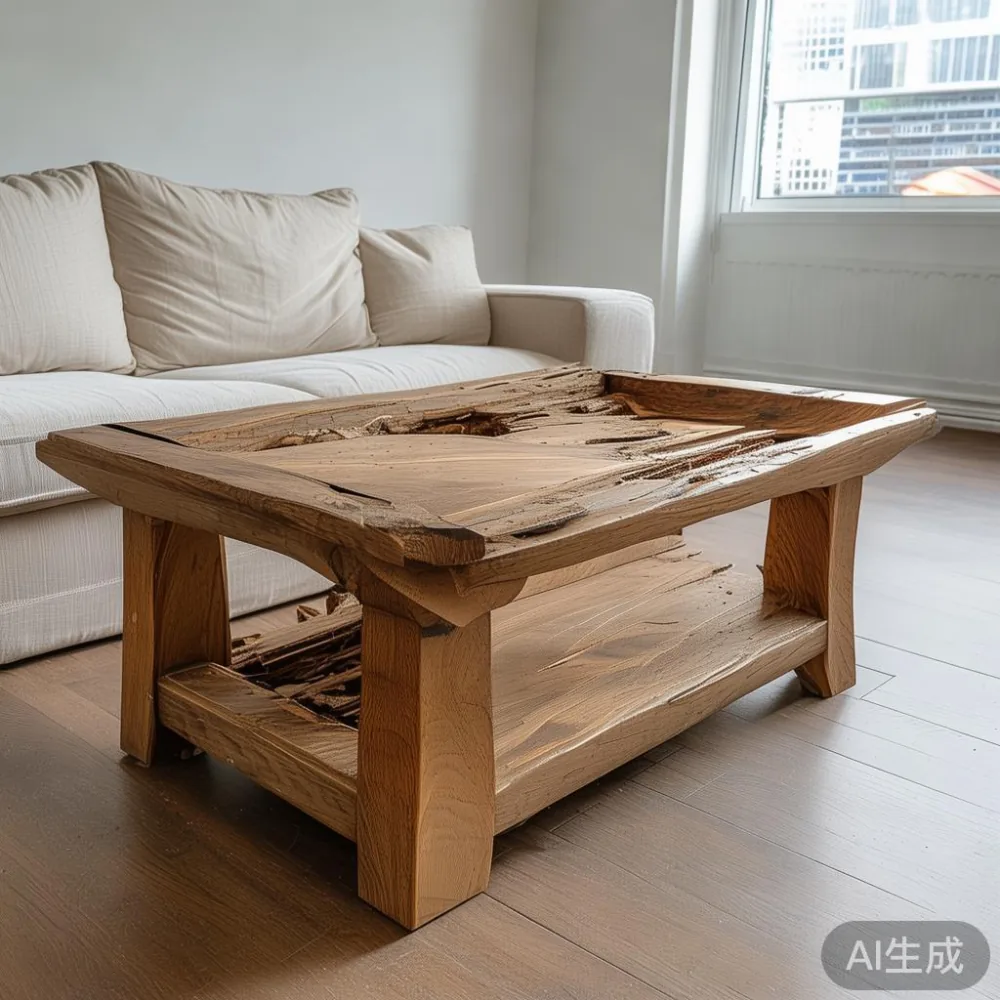
For a solid wood sofa, the practical rule is to keep the longest single piece under 2.2 m so it can tilt through the door. For a bed frame, an American light luxury queen at 2.1 m × 1.7 m usually passes when delivered in two boxes, but a King at 2.0 m × 1.8 m often needs to come in headboard, side rails, and slats separately. A dining table under 1.8 m long can usually be carried vertically into a standard lift; anything over 2.0 m should be split or assembled on site. Before you pay a deposit, ask the seller for the packed carton dimensions in centimetres and the weight of each carton in kilograms — a single 60 kg box is a different problem from four 25 kg boxes.
How do I measure my HDB living room before ordering?
Grab a tape measure, a piece of A4 paper, and a phone with a camera. Measure the wall-to-wall length, the depth between the TV console wall and the sofa wall, and the ceiling height (2.4 m for newer BTOs, sometimes 2.7 m in premium flats in Punggol). Then measure the corridor outside your door, the lift, and the doorway itself — most HDB front doors are 0.9 m wide and 2.1 m tall after the rubber seal.
Draw a quick floor plan at 1:50 scale (1 cm on paper equals 50 cm in real life). Mark the air-con ledge, the window sill, and the position of any switches, because a nightstand pushed against a switch that sits 30 cm above the floor is useless. If you plan to put a Modern light luxury wardrobe along the TV wall, leave at least 70 cm of walking path in front of it so the sliding doors can fully open without hitting a side table. A simple sketch prevents the most common form of regret: a piece that fit on the website but does not fit in your life.
Which furniture sizes work best in a 4-room HDB living room?
A standard 4-room BTO living room is roughly 3.6 m × 3.0 m, which sounds generous until you subtract a 2.0 m TV console and a 30 cm walking gap. The comfortable seating depth for a sofa in this footprint is 90 cm, not the 1.05 m you see in showroom photos. A 2.4 m three-seater solid wood sofa leaves only 60 cm of clearance to the opposite wall, which is tight for a coffee table, so consider a two-seater at 1.8 m or a modular L-shape that wraps into the corner.
For a dining table, a 1.4 m marble table seats four comfortably and leaves room for a sideboard; a 1.8 m version seats six but starts to fight the sofa. In the master bedroom, a queen bed frame (1.5 m × 2.0 m) plus two 45 cm nightstands needs at least a 3.0 m × 2.8 m room, and that is the same room that also has to host a wardrobe. If the bedroom is closer to 2.7 m × 2.4 m, step down to a super-single bed (1.07 m × 1.91 m) or pick a Japanese for small living room style that uses low profiles to make the ceiling feel taller.
Will the furniture get shipping damage if it is solid wood?
Solid wood is heavier and more fragile in transit than flat-pack MDF. A solid wood dining table in oak or ash weighs 45–70 kg, and the legs carry the load on unprotected corners. Three layers of protection are reasonable to expect from any export-grade supplier: 5 mm foam corners, a rigid carton with double-walled cardboard, and a wooden crate for orders over SGD 1,800. Ask the seller to confirm all three in writing. MIDHILL uses wooden crates on overseas crates as a default for tables and marble tops because the cost of the crate is small compared with the cost of replacing a cracked marble slab.
Inspect the cartons at the door before the delivery crew leaves. If you see a crushed corner on a box that contains a marble table or a wardrobe panel, photograph it, mark it on the delivery order, and ask the crew to note "carton damaged, contents unchecked". That single line is what protects you when the inner product shows a crack two weeks later. Shipping damage that is not documented on arrival is almost impossible to claim, because the carrier will assume it happened after delivery.
How can I prevent shipping damage during the move itself?
Most owners blame the seller for shipping damage, but a large share of dents and scratches actually happen between the lift and the front door. The corridor in an HDB block is often 1.5 m wide, and the door frame is only 90 cm. A 2.0 m sideboard carried flat will not make that turn; carried vertically it will, but then the top edge can hit the door lintel.
Three habits prevent the majority of in-block damage. First, remove your own front door from its hinges for the duration of the move — most HDB doors lift out after unscrewing two hinge pins and give you an extra 4 cm of clearance. Second, wrap the corners of every piece in the blankets the delivery crew should be carrying; if they do not have blankets, ask them to wait while you fetch your own. Third, refuse to rush. A delivery that takes 90 minutes from the truck to the living room is normal; a delivery that takes 25 minutes usually means corners were traded for speed. I watched a colleague in Punggol lose a 200 g fine-coral che veneer on a French light luxury sideboard because the two movers rotated the piece while still inside the lift car and caught it on the handrail.
What is a realistic budget in SGD once GST and delivery are added?
Set the budget in three layers: the furniture, the delivery, and the after-sales. A reasonable solid wood three-seater sofa from Foshan in oak or walnut sits between SGD 1,800 and SGD 3,200 CIF Singapore. Add SGD 250–SGD 450 for lift-up delivery to an HDB on the 12th floor or higher, then add the 9% GST on the full landed value. A queen bed frame in solid ash runs SGD 1,200–SGD 2,000, a six-seater dining table SGD 1,500–SGD 2,800, a marble table SGD 2,000–SGD 4,500 depending on the veining, and a Modern light luxury wardrobe between SGD 2,200 and SGD 4,800 once you include sliding-door hardware.
For a full HDB set — sofa, coffee table, TV console, dining table for six, queen bed frame, two nightstands, and a 2 m wardrobe — a sensible mid-range budget in 2026 is SGD 9,000 to SGD 14,000 before GST, which lands at SGD 9,810 to SGD 15,260 after the 9% line item. Free shipping over US$350 (about SGD 480) is common from larger Foshan exporters and can shave SGD 200–SGD 400 off the bill, but check whether the threshold is per order or per shipment, because a split order often pays two freight invoices.
How should I choose between a European bed and a Nordic bed for my HDB bedroom?
The European bed vs Nordic bed decision comes down to headboard height, footprint, and the visual weight of the wood. A European-style bed — French light luxury or post-modern light luxury — usually has a tall upholstered headboard between 110 cm and 130 cm, turned legs, and decorative mouldings. It looks generous in a 3.2 m × 3.0 m bedroom but visually shrinks a 2.7 m × 2.4 m room, which is the size of most HDB secondary bedrooms.
A Nordic-style bed, by contrast, sits on a low solid wood platform 25–35 cm off the floor with a slatted headboard of 70–90 cm. The lower profile lets the ceiling read taller and leaves more wall space above for a picture rail or a wall sconce. If the bedroom is small, the Nordic version gives you back roughly 0.6 m² of perceived floor area and pairs naturally with a Japanese for small living room sensibility. If the bedroom is the master and you want a more dressed look, the European bed wins, but plan for a headboard depth of at least 8 cm so it does not crash into the curtain rail.
How do I style a European light luxury bed inside an apartment?
The trick for how to style European light luxury bed in apartment settings is restraint. One statement piece per room, layered with calm surfaces. Use the bed as the anchor: pair an upholstered queen with two 50 cm nightstands in solid ash, a single 60 cm marble table or round side table as an alternative, and one slim reading lamp at 35 cm tall so the eye does not compete with the headboard.
Keep the wall behind the bed quieter than the bed itself — a single piece of framed linen or a soft beige wall in 9F-9G of the Nippon Paint palette is enough. On the opposite wall, a low 1.8 m wardrobe in white oak or a Modern light luxury wardrobe with bronze handles keeps the room balanced. Avoid adding a bench at the foot of the bed in a room under 3.0 m deep; the 45 cm of clearance you lose is the difference between a room that feels generous and a room that feels crowded.
What does a Japandi bedroom look like in a Singapore HDB?
Japandi is the most forgiving style for compact flats because it asks for fewer pieces, lower heights, and warmer woods. A Japandi bedroom usually has a platform bed in solid ash or white oak at 30 cm off the floor, a single low nightstand with an open shelf, one linen pendant, and either a built-in wardrobe or a sliding-door wardrobe in the same wood tone. Nothing is taller than 1.2 m except the wardrobe.
If you are researching top 10 Japandi furniture lists before you order, treat them as reference boards, not shopping lists. Pick three items from the list — a low bed, a side table, and a pendant — and ignore the rest, because a small HDB bedroom cannot absorb a Japanese floor chair, a tatami platform, a low writing desk, and a shoji screen all at once. The phrase how to style Japandi bed in bedroom is really shorthand for "let the bed be the lowest horizontal line in the room" — pair it with one warm textile, one plant, and one piece of ceramic, and the room reads Japandi even with a Singapore weather outside the window.
Which materials hold up best in Singapore's humidity?
Humidity in Tampines and Punggol runs 75–85% for most of the year, and a HDB without a dehumidifier can push 90% at night. Solid oak, ash, and teak handle this well; solid rubberwood and pine need a sealed finish and should be kept away from the wall next to the bathroom. MDF and particleboard swell visibly within a single wet season if the edge banding fails, which is why solid wood furniture is worth the freight on a per-year basis even when the sticker price is higher.
For upholstery, request a removable, washable cover in a performance linen blend, and ask the supplier to dry-assemble the sofa before packing so the foam breathes. A marble table is fine in air-conditioned rooms but should not sit next to a leak-prone air-con vent; ask for a 6 mm felt pad under each marble leg and a sealed underside to prevent staining. Wardrobes against an external wall benefit from a 10 mm air gap at the back, and nightstands should never be pushed tight against the wall because the trapped moisture will darken the finish within twelve months.
What should I check on the warranty and after-sales?
A 10-year structural warranty on the frame and joinery is the minimum a serious exporter should offer on a solid wood sofa, bed frame, or wardrobe. Lifetime refinishing — sanding and re-oiling — is rarer and worth paying for, because Singaporean sun will bleach an oak surface within five years if it sits near a west-facing window. Free shipping over US$350 (about SGD 480) is reasonable for a single Foshan-to-Singapore shipment; below that, expect to pay SGD 180–SGD 350 in freight.
Check the returns policy in writing: 14 days for unused pieces in their original crate is fair, but read the fine print about who pays the return freight and whether the GST is refundable — local GST rules usually treat a returned exported good as a zero-rated supply only if the original invoice was zero-rated, which most Foshan CIF shipments are not. Keep every carton for at least 14 days after delivery so a hidden defect can be returned without a repacking fee.
Browse the showroom floor at m.midhill.co before you finalise the order, because the photos on a screen flatten the wood grain and hide the joinery. MIDHILL has been making solid wood furniture in Foshan since 2008, and the pieces that travel well to Singapore tend to be the ones where the seller has already shipped them to a tropical climate. A 30-minute browse on the site usually saves one return trip to the delivery dock and at least one conversation about shipping damage that nobody wants to have.