The Real Cost of Solid Wood Furniture: Beyond the Price Tag
For many homeowners in Singapore, particularly those working through the narrow corridors and compact lift spaces of HDB flats in Tampines or Bedok, or the more generous layouts of condos in Punggol, the purchase of solid wood furniture is a significant decision. The price tags can range from SGD 800 for a nightstand to over SGD 5,000 for a large dining table, leading many to ask: what actually drives the price of solid wood furniture? It’s a question that goes far beyond a simple number on a tag. The true cost is a complex interplay of materials, craftsmanship, logistics, and the peace of mind that comes with a long-term investment. Understanding these factors is the first step towards making a choice that you will cherish for years to come.
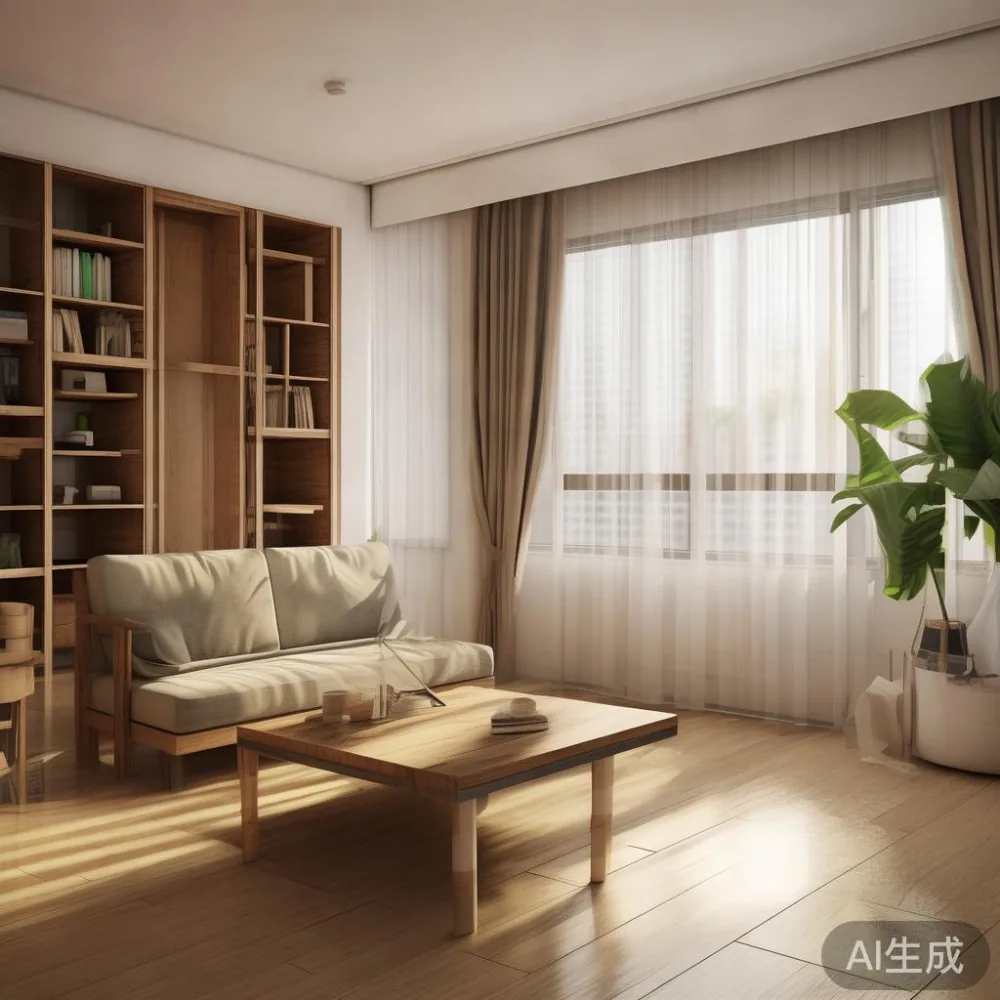
Why Does a Solid Wood Dining Table Cost So Much More Than a Veneer One?
The most fundamental difference lies in the material itself. A solid wood dining table, for instance, is crafted from a single, continuous piece or carefully joined planks of a single wood species like oak, walnut, or mango. This integrity means the table will age gracefully, developing a rich patina over decades. In contrast, a veneered table uses a thin layer of real wood glued over a composite core like MDF or particleboard. While veneer can mimic the look of solid wood, it lacks the structural integrity. If the edges chip or the substrate is damaged, the entire piece can be compromised. The price difference reflects this longevity and durability. A solid wood dining table is a multi-generational purchase, whereas a veneered one might need replacement in 5-10 years. This is not just a purchase; it’s an investment in a piece of furniture that will be part of your home’s story.
What Role Does Wood Species Play in the Final Price?
Not all wood is created equal. The type of wood used is a primary driver of cost. Exotic and imported species like American walnut or European oak are significantly more expensive than domestic options like mango or acacia. This is due to factors like import duties, shipping costs, and supply chain logistics. For example, a solid wood wardrobe made from American white oak might cost SGD 3,500, while a similar-sized wardrobe made from mango wood could be priced at SGD 2,200. The density, grain pattern, and natural durability of the wood also play a role. Harder woods like teak are more resistant to dents and scratches, justifying a higher price point. When you see a price difference between two similar-looking pieces, the wood species is often the most significant contributing factor.
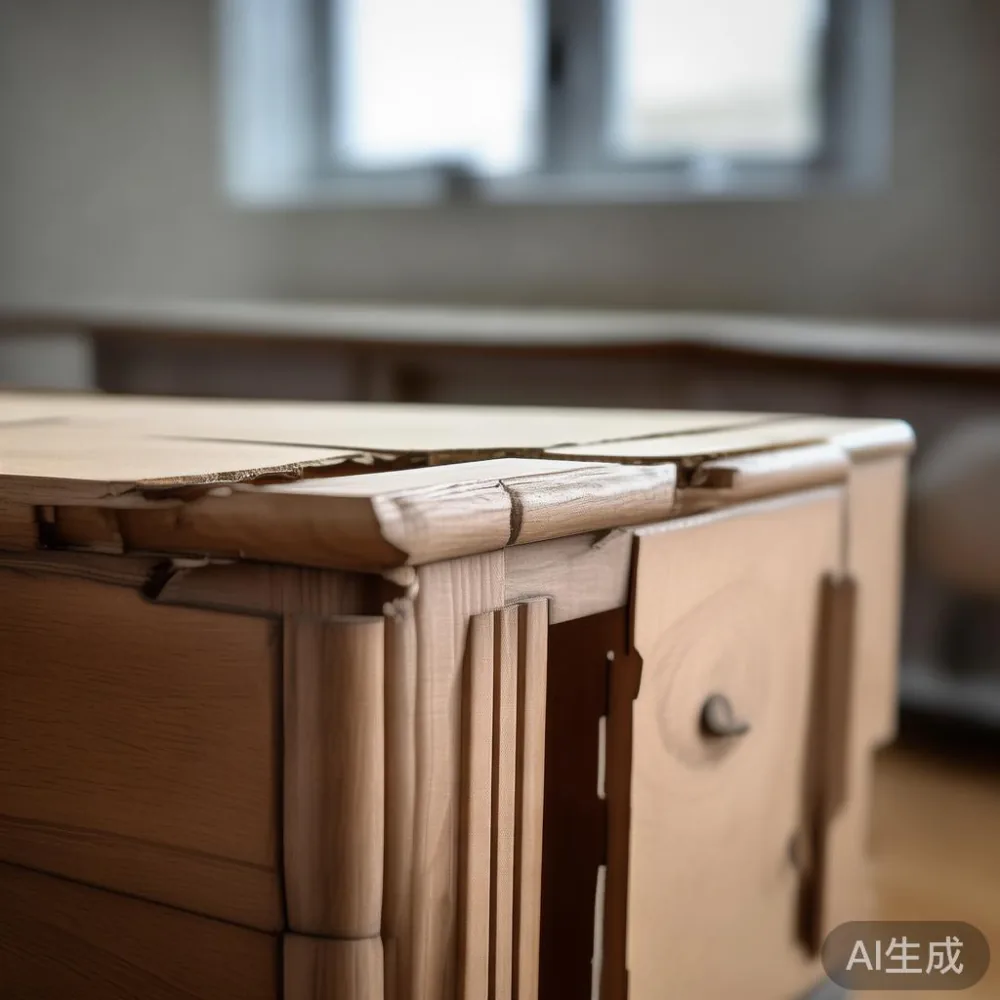
How Does Craftsmanship and Joinery Affect the Price?
Expert craftsmanship is invisible until you see its opposite. A well-made solid wood bed frame features dovetail joints on its drawers, mortise and tenon joints for the frame, and a sanded finish that is perfectly smooth to the touch. These traditional joinery methods are labour-intensive and require highly skilled artisans. A cheaper alternative might use dowels, staples, or even nails, which can loosen over time under stress. The difference in labour is stark. A hand-finished piece might take 40 hours to build, while a machine-assembled one takes 5. This time investment is directly reflected in the price. When you pay a premium for a piece of furniture, you are paying for the decades of experience and the meticulous attention to detail that ensures the piece will not just look good, but will also remain structurally sound for a lifetime.
What About the Hidden Costs of Shipping and Logistics?
This is where the price becomes tangible and where the risk of shipping damage comes into play. Transporting large, heavy, and delicate items like marble tables or solid wood sofas across continents is a complex and expensive operation. The cost involves professional crating to protect the piece, international freight shipping, customs clearance (including Singapore’s 9% GST on the value plus shipping), and finally, local last-mile delivery. For a single marble table shipped from a factory in Foshan to a Singapore address, these logistics can add hundreds of dollars to the final cost. This is why reputable sellers invest heavily in protective packaging. The fear of a piece arriving damaged is a real concern, which is why a company’s policy on shipping damage is a key indicator of their confidence in their packaging and their commitment to the customer. The peace of mind that your furniture will arrive in perfect condition is a service you pay for.

Is a 10-Year Warranty Worth the Extra Price?
A warranty is a promise. A 1-year warranty suggests a product is expected to last a short time. A 10-year structural warranty, on the other hand, is a powerful statement of confidence. It means the manufacturer stands behind the integrity of their joinery, the stability of the wood, and the durability of the finish for a full decade. This protection is invaluable. Consider a solid wood sofa that develops a structural fault after three years. With a short warranty, you would have to bear the cost of repair or replacement. With a 10-year warranty, that cost is covered. This long-term assurance is a significant part of the value proposition. It protects your investment and provides a level of security that cheap, disposable furniture simply cannot offer. When you see a price that seems high, consider the value of that decade-long protection against potential defects.
Why Does Delivery and Service Factor into the Price?
The price of furniture doesn't end at the checkout. Professional delivery and customer service are part of the total package. In Singapore, this means working through specific challenges. A delivery team for a condo in Punggol might need to use a service elevator that is only available during certain hours. For an HDB flat in Tampines, they must be able to maneuver a 180cm-wide solid wood wardrobe through a standard 80cm corridor and into the lift. This requires experienced personnel who know how to handle large items in confined spaces without causing damage to your new furniture or your home. Services like free shipping over SGD 350 or a 14-day return policy are not free for the company; they are built into the business model. These conveniences save customers time, money, and stress, and they represent a commitment to a positive customer experience that extends beyond the sale.
How Does Light Luxury Styling Influence the Price?
Style is not just about aesthetics; it’s about design philosophy and material choice. The trend towards light luxury, whether French, American, or post-modern, often dictates the use of specific materials and construction methods. A French light luxury sofa, for example, might feature hand-tufted upholstery, solid wood legs with intricate carvings, and a tailored fabric that costs SGD 200 per metre. This level of detail and material quality is inherently more expensive than a mass-produced sofa. When you ask how to style a Japandi sofa in a room, the answer often involves pairing it with other natural-material pieces, which can also influence the budget. Similarly, finding a piece of Modern light luxury for a guest room under a certain price point requires a keen understanding of which design elements are costly and which are aesthetic. The price reflects the design story and the quality of materials used to create that specific look and feel.
What's the Real Difference Between a European Bed and a Nordic Bed?
While both may fall under the broad umbrella of 'solid wood furniture,' the design ethos and construction can differ, leading to price variations. A European bed, often drawing from French or Italian design, might feature more ornate details, curved headboards, and a focus on luxurious upholstery combined with solid wood frames. An American light luxury bed frame might be larger, more substantial, and made from thicker slabs of wood like oak or walnut, emphasizing a grander, more commanding presence. In contrast, a Nordic bed typically embodies minimalist principles: clean lines, a focus on natural wood grain without heavy varnishes, and a functional, uncluttered design. The price difference isn't about one being 'better' than the other, but about the different materials, design complexity, and the amount of labour involved. A European bed vs Nordic bed comparison shows that price is tied to the specific design language and its execution.
Is a French Sofa Really Different from a French Provincial Sofa?
The terminology can be confusing, but it points to distinct styles with different price points. When you ask how to choose a French sofa, understanding the sub-styles is key. A classic French sofa might be a Louis XV-style piece with deep button tufting, carved cabriole legs, and rich velvet upholstery—this is a statement piece with a high price tag. A French provincial sofa, on the other hand, takes its inspiration from the countryside. It’s often simpler, with more rustic lines, linen or cotton fabrics, and a more relaxed silhouette. Both are beautiful, but the level of ornamentation, the type of upholstery, and the intricacy of the woodwork will cause a significant price difference. Knowing the distinction helps you find a piece that aligns with both your taste and your budget. A French sofa vs French provincial sofa comparison highlights how specific design elements directly impact the final cost.
Is It Possible to Find Quality Japanese Furniture for Under SGD 2,000?
Absolutely. The key is to focus on core pieces and understand the value proposition. The Japanese design aesthetic values simplicity, natural materials, and exceptional craftsmanship. A beautifully made solid wood nightstand or a simple, elegant low table can be found for under SGD 2,000. The price reflects the quality of the joinery and the beauty of the wood grain. However, larger, more complex pieces like a full dining set or a large wardrobe will naturally exceed this budget. The search for 'under 2000 Japanese furniture' is often a rewarding one, as it encourages buyers to focus on the purity of the design and the quality of a single, well-made item rather than a collection of ornate pieces. It’s about finding the essence of the style within a reasonable price range.
My Experience Receiving a New Marble Table
Last month, my colleague ordered a large marble dining table for her new home in Bedok. The unboxing experience was a lesson in what a professional company does to prevent shipping damage. The table arrived in a custom-built wooden crate, reinforced with steel bands. The delivery team was not just a couple of men with a van; they were specialists. They wore protective boot covers, brought their own floor runners to prevent scuffs on her new HDB floor, and used a heavy-duty dolly with soft wheels. They unwrapped the table with precision, inspecting the marble top and the solid wood base under the bright light of the corridor. They pointed out the protective foam corners and the custom-fit styrofoam supports that held the marble securely in place. It was clear that the price she paid included this meticulous attention to detail and the confidence that the piece would arrive in pristine condition. It’s a level of service that gives you peace of mind from the moment it leaves the warehouse.
Ultimately, the price of solid wood furniture is an investment in quality, longevity, and the story of your home. It’s the sum of the finest materials, the skill of the craftspeople, the safety of a secure journey to your door, and the assurance of a warranty that lasts for years. It’s about choosing a piece that you won’t have to replace, a piece that will adapt to your life as your family grows and your home evolves. When you consider the total cost of ownership—factoring in replacement, repair, and the frustration of poor quality—the initial price of a well-made piece often proves to be the most economical choice in the long run. For those interested in exploring these options, direct inquiries can be made to understand the full value proposition. You can reach out to them at +86 188 2788 2512 for more details on their collection and services.